01Kalinga
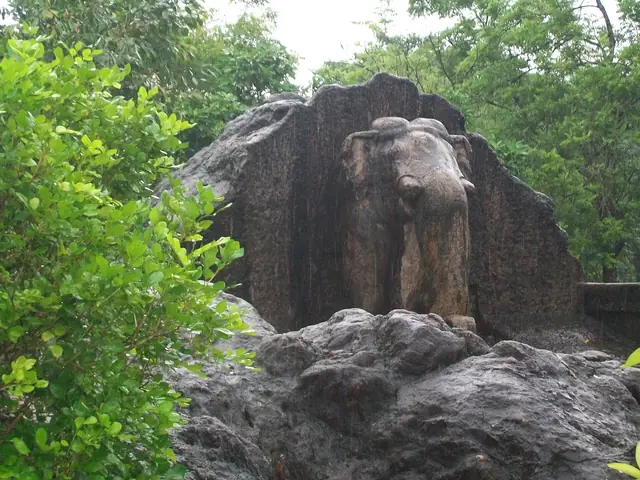
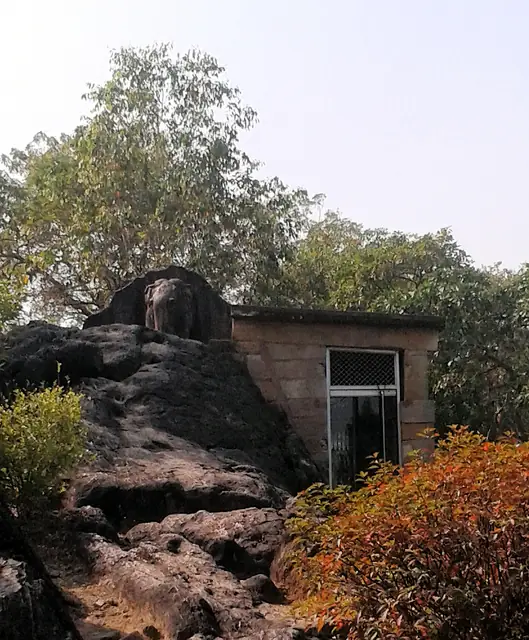
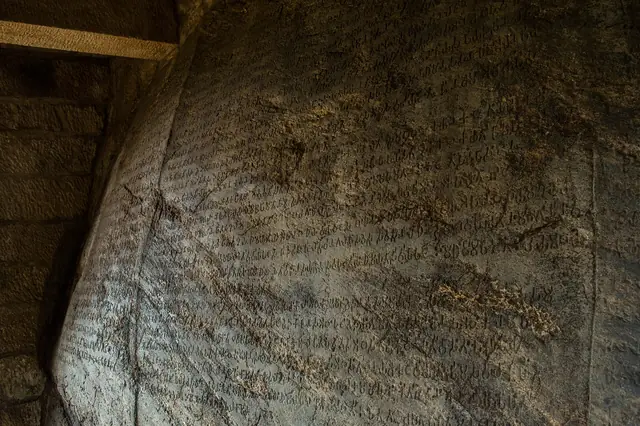
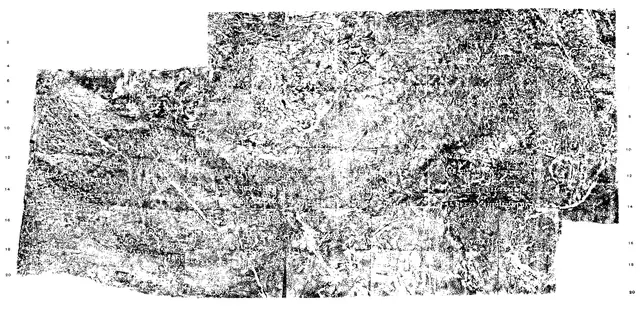
Rock Edict XIII is the only war report any Indian king wrote against himself. It gives the numbers of the Kalinga campaign, around 261 BCE: one and a half lakh carried away, one lakh killed, many times more dead after. It says the king felt remorse because in a conquered land the Brahmins and shramanas and the householders who honour their mothers and fathers suffer. Pointedly, the edict was not carved in Kalinga itself. At Dhauli and Jaugada, in the conquered land, Ashoka set two separate edicts instead, telling his officers to treat the people as his children.
02Dhamma on stone
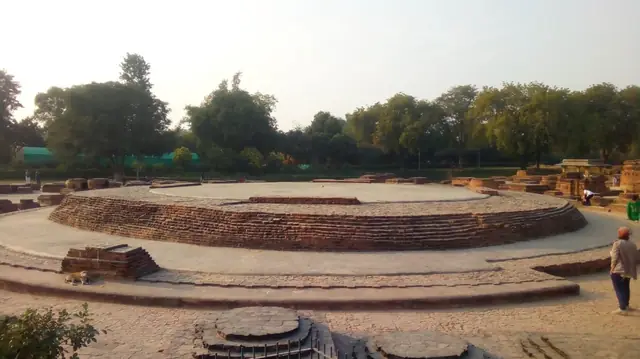
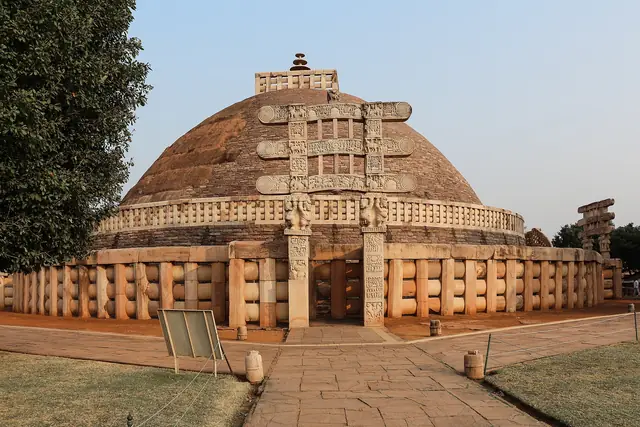
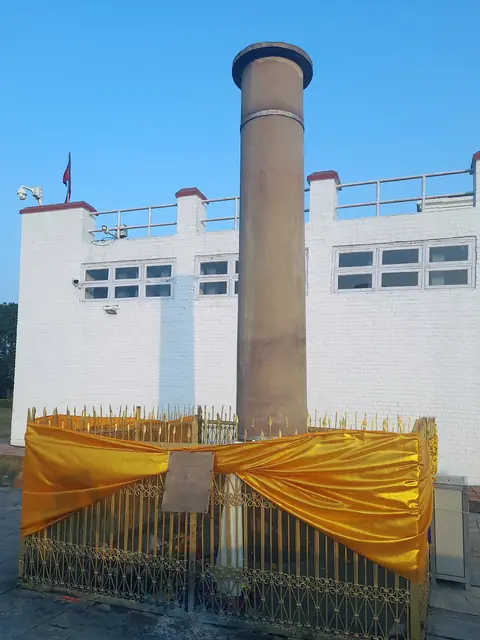
The edicts speak in the first person, as Devanampiya Piyadasi, beloved of the gods. They ask for obedience to parents, gifts to Brahmins and shramanas alike, restraint in speech, and honour for other sects, since he who reviles another’s sect harms his own (Rock Edict XII). He dug wells, planted banyans along roads, built rest-houses and medical care for people and animals, and appointed dhamma-mahamattas to see it done. At Lumbini a pillar records his visit in the twentieth year and the village freed from tax. Buddhist tradition adds the third council at Pataliputra and the mission of his son Mahinda and daughter Sanghamitta to Lanka.
03Read again in 1837
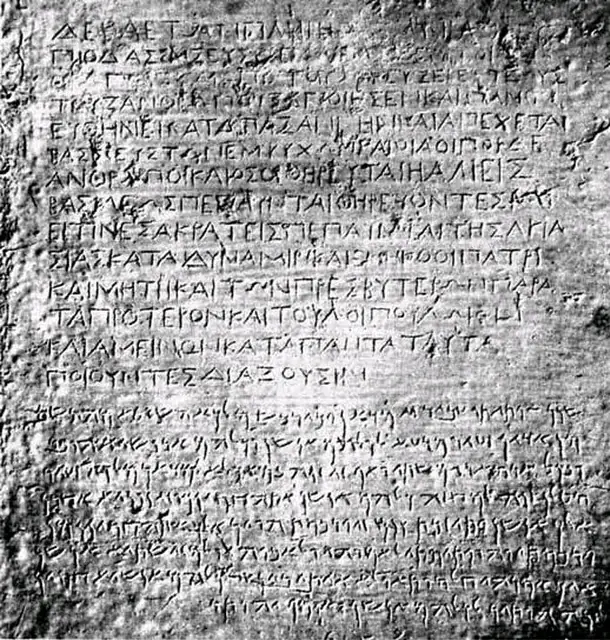
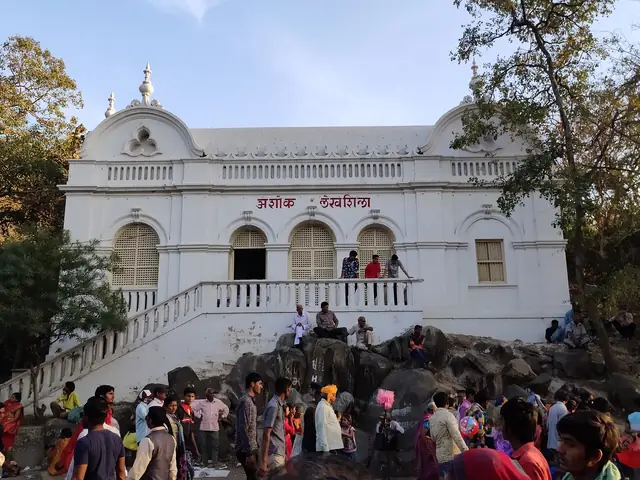
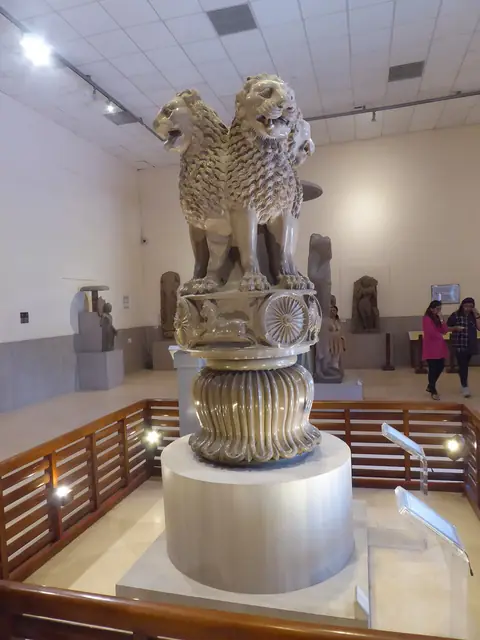
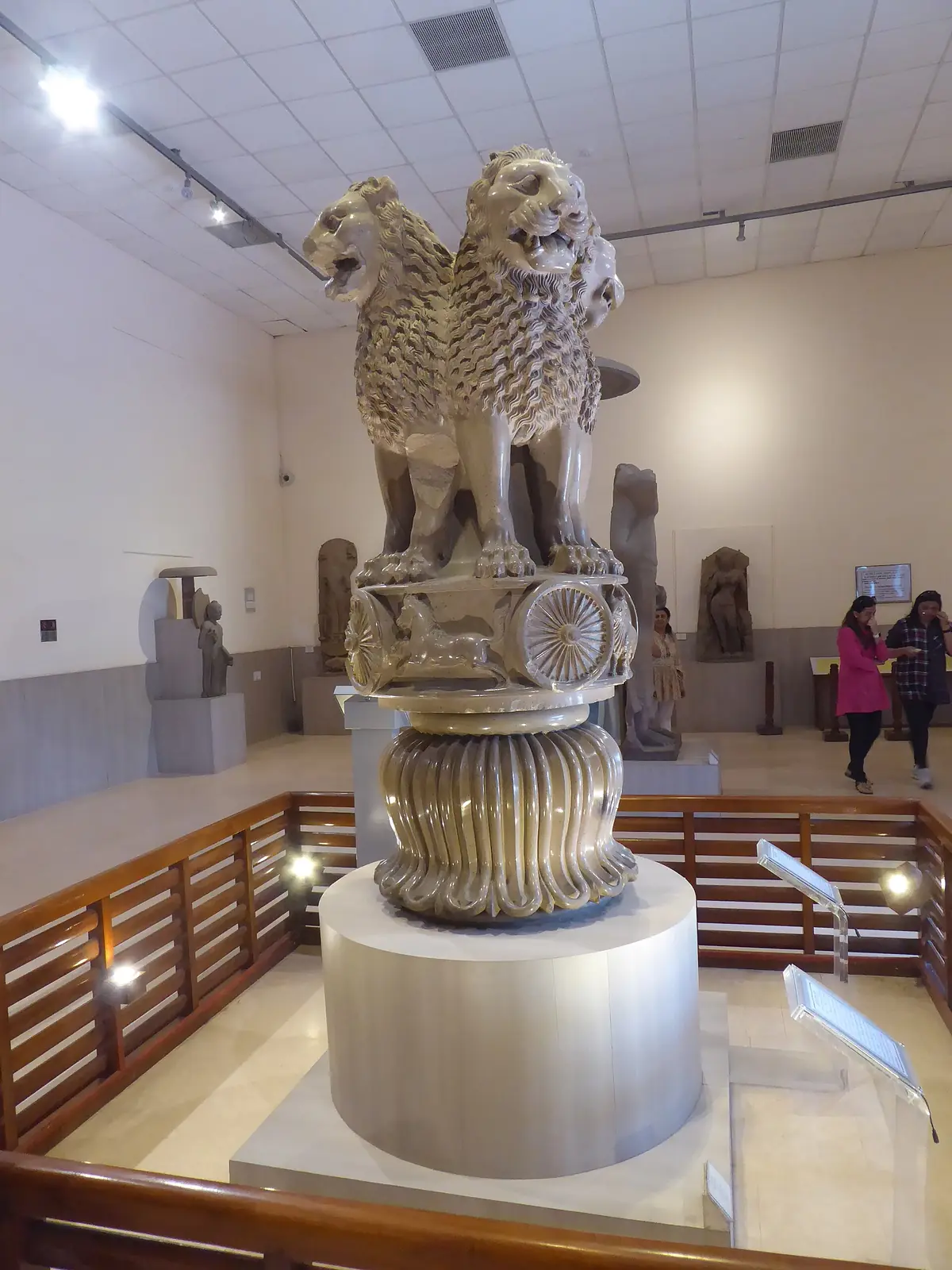
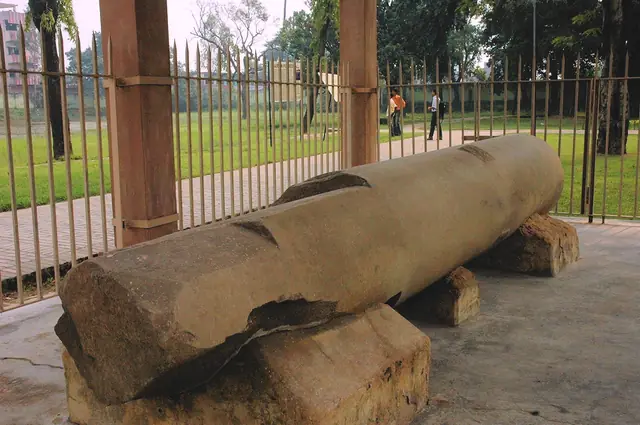
For two thousand years nobody could read the Brahmi letters. James Prinsep, working at the Calcutta mint and the Asiatic Society, cracked the script in 1837, and the name Piyadasi was matched to Ashoka of the chronicles only later, when the Maski edict found in 1915 named him outright as Devanampiya Asoka. The lion capital he raised at Sarnath became the State Emblem of India in 1950, and the wheel beneath it sits on the national flag.
“Beloved-of-the-Gods, King Piyadasi, conquered the Kalingas eight years after his coronation. One hundred and fifty thousand were deported, one hundred thousand were killed and many more died.”
Rock Edict XIII (tr. S. Dhammika)