
Indian kings did send armies and fleets beyond their borders: Rajaraja Chola into Lanka, Rajendra Chola across the sea to Srivijaya in 1025, Lalitaditya of Kashmir far into the north-west. What is true is that Hindu culture spread across South-East Asia mostly by trade, priests and marriage, not by conquest.
The proof
- Rajendra Chola’s Tamil meykirtti of about 1030 lists the ports he took from Srivijaya, Kadaram (Kedah) among them.
- Rajaraja Chola took Anuradhapura in 993; the Cholas held northern Lanka for about 70 years.
- Kalhana’s Rajatarangini, Book IV, describes Lalitaditya’s campaigns of the 8th century.
01Strength is not a stain
The slogan is meant as praise, but it paints our kings as men who could only defend. The record says otherwise. Samudragupta’s Allahabad prashasti boasts of kings uprooted across the land. Rajendra’s fleet sailed some 2,000 km to strike Srivijaya, the greatest sea power of its day, because it was choking Chola trade with China. These were wars of their age, fought by rulers who followed rajadharma as they understood it. The fairer boast is a different one: the temples of Angkor, Prambanan and My Son were not built by Indian garrisons. Local kings chose Sanskrit, the Ramayana and Shiva for themselves.
Read on
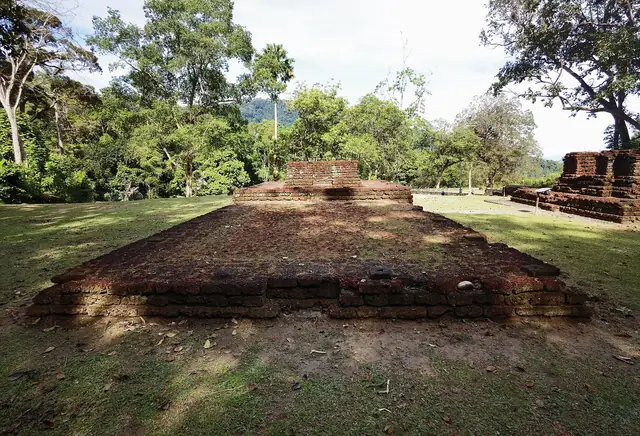
Chola naval expedition to Srivijaya
Rajendra sent a fleet across the Bay of Bengal and struck the maritime empire of Srivijaya along the Strait of Malacca. It is the only overseas naval expedition by an Indian kingdom recorded in such detail.
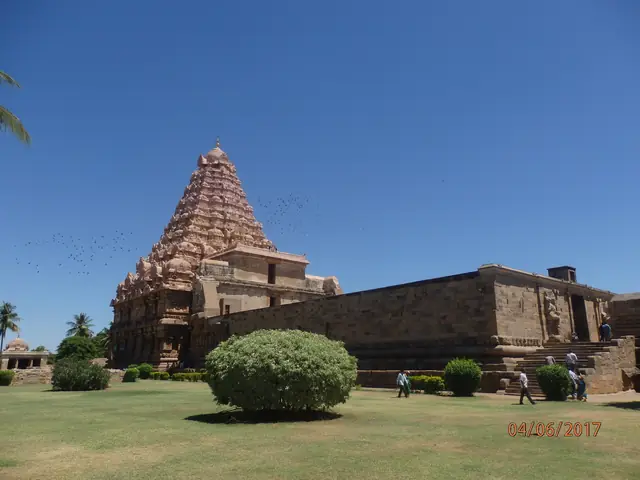
Rajendra Chola I
Rajendra, son of Rajaraja, took the Chola empire to its height. His army marched to the Ganga and brought its water home; his fleet crossed the Bay of Bengal and struck Srivijaya; and he built a new capital, Gangaikonda Cholapuram, the city of the Chola who took the Ganga.
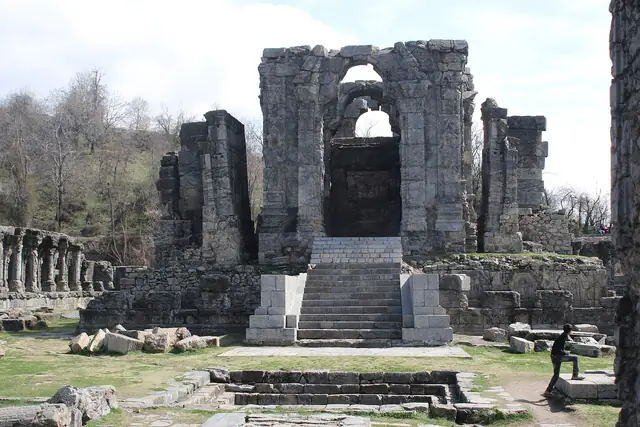
Lalitaditya Muktapida’s campaigns
Lalitaditya of Kashmir broke Yashovarman of Kanyakubja and, by Kalhana’s account, carried his arms to every quarter. He built the Martand sun temple with the wealth of these wars.
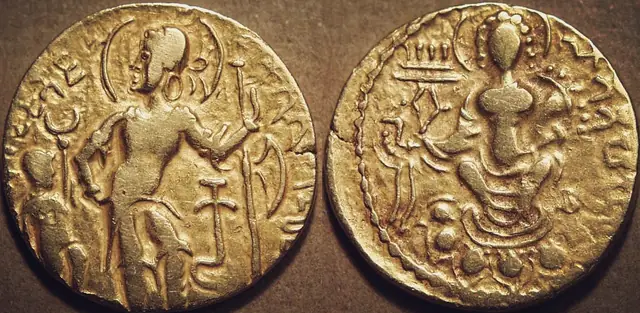
Samudragupta’s digvijaya
Samudragupta’s court poet Harishena listed his victories on Ashoka’s pillar: nine kings of the north uprooted, twelve of the south captured and released, the frontier kingdoms paying tribute.