01Gulab Singh and Zorawar Singh
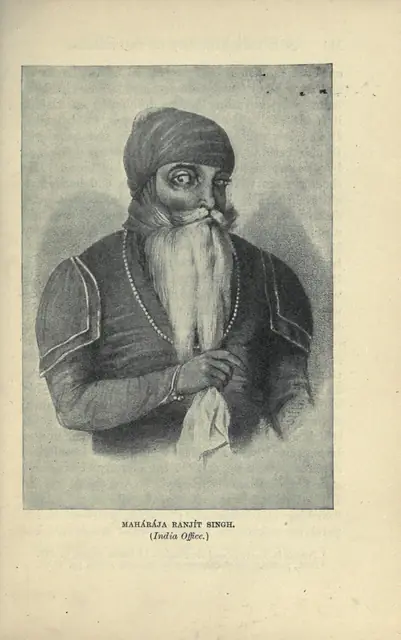
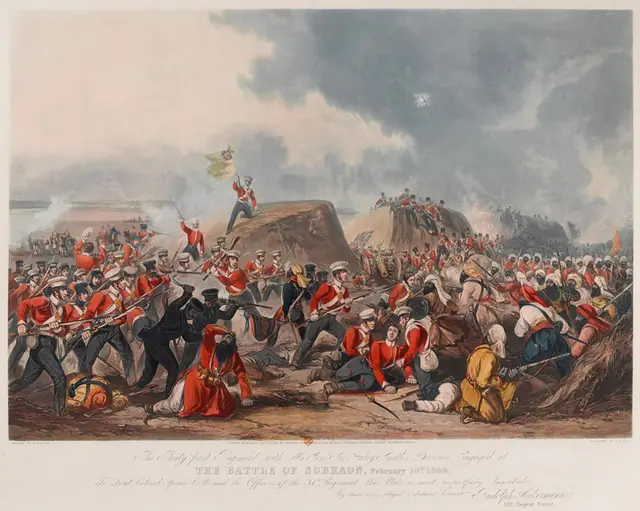
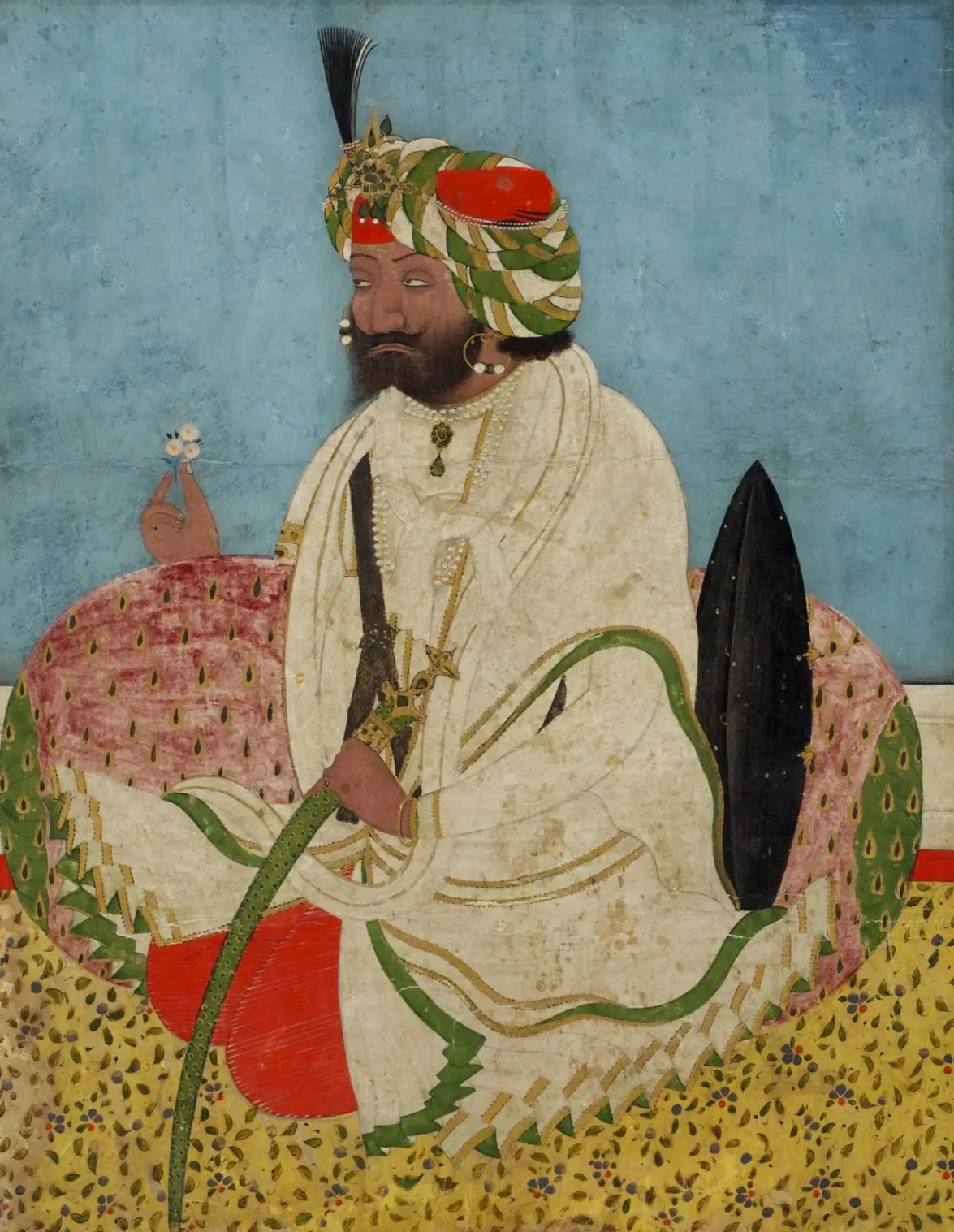
Gulab Singh and his brothers Dhian Singh and Suchet Singh rose high at the Lahore court, and in 1822 Ranjit Singh made Gulab Singh Raja of Jammu, marking his forehead with the tilak at Akhnoor. From 1834 his general Zorawar Singh led small Dogra armies over the high passes into Ladakh, then Baltistan in 1840, and in 1841 into western Tibet as far as Taklakot near Mansarovar. Caught by winter and a Tibetan counter-attack, Zorawar Singh was killed at To-yo in December 1841. The treaty of Chushul in 1842 kept Ladakh with Jammu.
02The treaty of Amritsar, 1846
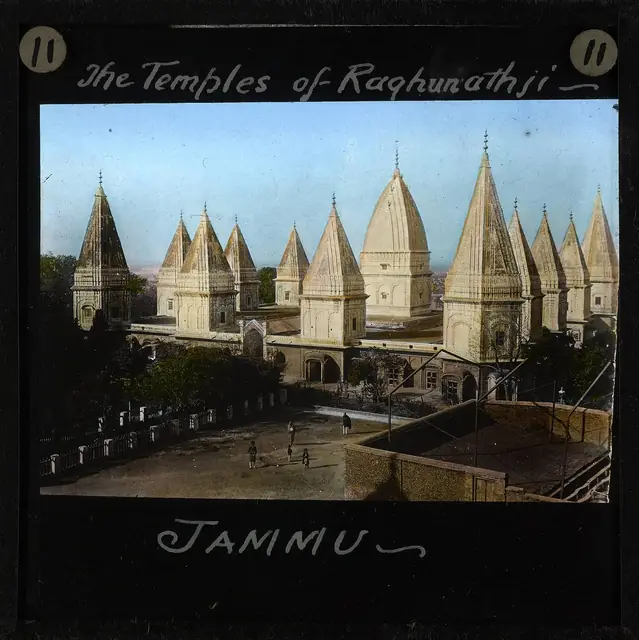
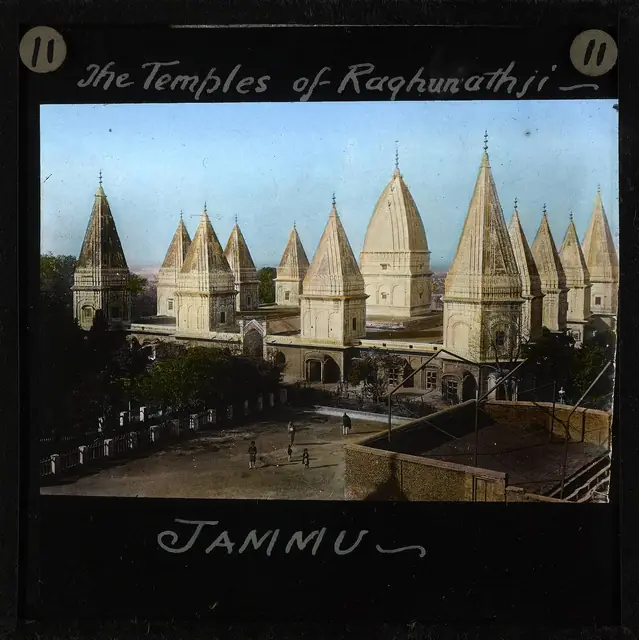
After the first Anglo-Sikh war the British took Kashmir from Lahore as part of the war indemnity and, by the treaty of Amritsar of 16 March 1846, handed it to Gulab Singh for seventy-five lakh rupees. Jammu, Kashmir, Ladakh and the hill country between were joined under one ruler for the first time. His son Ranbir Singh finished the Raghunath temple at Jammu in 1860, set up a translation bureau and a Sanskrit library there, and issued a law code, the Ranbir Dand Vidhi. Gilgit was brought under Dogra control in his reign.
03Hari Singh and 1947
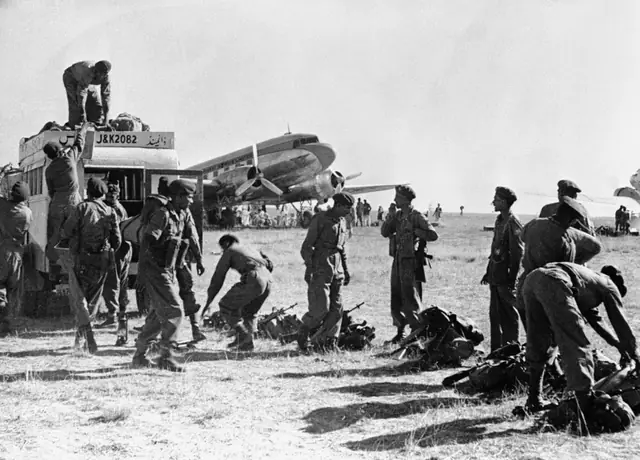
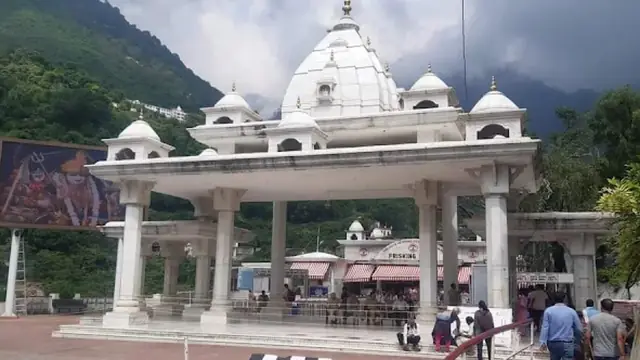
Hari Singh came to the throne in 1925. When Pakistan-backed tribal lashkars invaded the state on 22 October 1947 and reached Baramulla, he signed the Instrument of Accession to India on 26 October 1947, and Indian troops were flown into Srinagar the next morning. He left the state in 1949, and the monarchy was formally ended by the state’s Constituent Assembly in 1952.
The rulers
- 1Gulab SinghRaja of Jammu 1822; Maharaja of J&K 18461822–1857
- 2Ranbir SinghFinished the Raghunath temple, Jammu1857–1885
- 3Pratap Singh1885–1925
- 4Hari SinghSigned the Instrument of Accession, 26 October 19471925–1952
What they left
- The Raghunath temple and its manuscript library, Jammu
- Ladakh joined to Bharat by Zorawar Singh’s campaigns
- The state of Jammu and Kashmir as one unit, 1846
- The Instrument of Accession of 1947