01The bow on the Himalaya
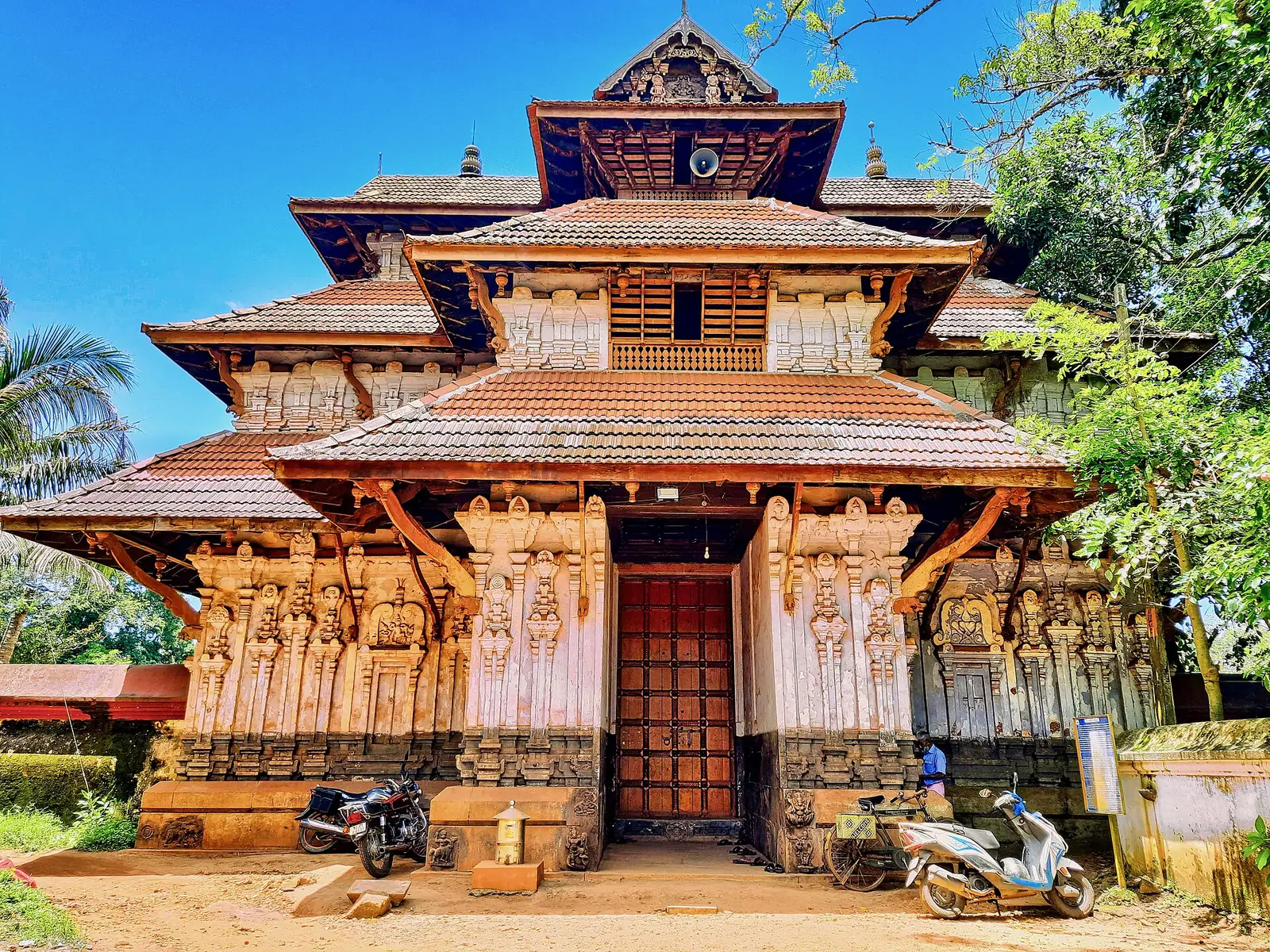
Ashoka calls them Keralaputras. Their emblem was the bow. The Pathitruppathu, ten tens of poems for ten Chera kings of which eight decads survive, praises Imayavaramban Nedum Cheralathan, whose name means the one who carved his bow on the Himalaya, and his son Senguttuvan. In the Silappatikaram, Senguttuvan marches north, brings a stone from the Himalaya, bathes it in the Ganga, and carves from it the image of Kannagi, the faithful wife; the poem says Gajabahu of Lanka attended the consecration. A Purananuru poem praises the older king Udiyan Cheralathan for feeding the armies in the great war of the Bharatas.
02Pepper, Muziris and Pugalur
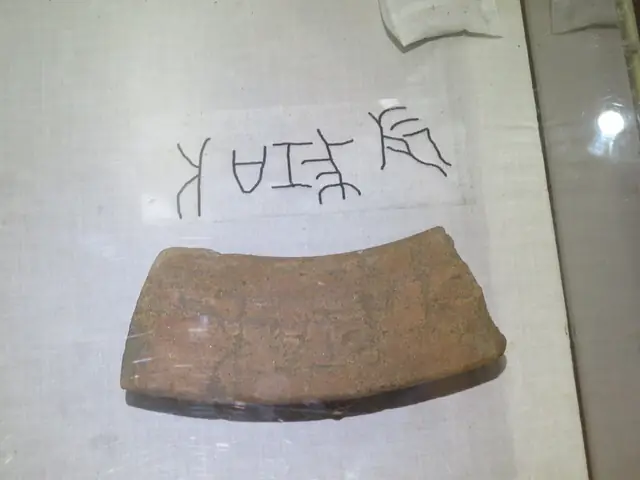
Roman ships came on the monsoon wind to Muziris at the mouth of the Periyar for pepper. A Sangam poem describes the Yavana ships arriving with gold and leaving with pepper, and a papyrus now in Vienna records a loan contract for a cargo shipped from Muziris to Alexandria. Excavations at Pattanam near Kodungallur have found Roman amphorae and beads. At Pugalur near Karur, Tamil-Brahmi inscriptions of about the 2nd century CE name three generations of Irumporai Chera kings, Ko Athan Cheral Irumporai, his son Perunkadungon and grandson Ilankadungo, cutting stone beds for Jain monks, the clearest stone record of the Sangam Cheras.
03The Perumals of Mahodayapuram
Around 800 CE a new Chera line arose at Mahodayapuram, today’s Kodungallur. Tradition identifies its first king, Rama Rajasekhara, with Cheraman Perumal Nayanar, the friend of Sundarar, who in the Periya Puranam went with him to Kailasa. Kulashekhara Alvar, who wrote the Perumal Tirumozhi in Tamil and the Mukundamala in Sanskrit, was a Chera king. The Kollam era, the Malayalam calendar still printed in every Kerala panchangam, begins in 825 CE. In the fifth year of Sthanu Ravi, 849 CE, the Tharisapalli copper plates gave land and trading rights to a church at Kollam, and around 1000 CE Bhaskara Ravi’s plates granted privileges to the Jewish merchant Joseph Rabban.
04Wars with the Cholas and the Venad line
Rajaraja Chola’s inscriptions open with his destruction of the ships at Kandalur Salai on the Kerala coast, and Chola pressure on the Perumals lasted for a century. The last Perumal, Rama Kulashekhara, ruled till about 1122; after him Kerala broke into nadus under their own chiefs, the Zamorin of Kozhikode and the rulers of Kolathunadu, Kochi and Venad among them. Venad, the southern kingdom based at Kollam, kept the Chera title. Its king Ravi Varma Kulashekhara (1299–1314) marched as far as Kanchipuram and was crowned on the banks of the Vegavati. From Venad grew the later kingdom of Travancore.
The rulers
- 1Udiyan CheralathanPraised for feeding the armies of the great warSangam age
- 2Imayavaramban Nedum CheralathanCarved the bow emblem on the Himalaya, in the poemsSangam age
- 3SenguttuvanConsecrated the Kannagi imageSangam age (c. 2nd century CE)
- 4Ko Athan Cheral IrumporaiNamed in the Pugalur inscriptionc. 2nd century CE
- 5Perunkadungonc. 2nd century CE
- 6Ilankadungoc. 2nd century CE
- 7Rama RajasekharaIdentified in tradition with Cheraman Perumal Nayanarc. 800–844 CE
- 8Sthanu Ravi KulashekharaTharisapalli plates, 849 CEc. 844–883 CE
- 9Goda Ravic. 917–944 CE
- 10Bhaskara Ravi VarmanJewish copper plates to Joseph Rabbanc. 962–1021 CE
- 11Rama KulashekharaLast Perumal of Mahodayapuramc. 1089–1122 CE
- 12Ravi Varma Kulashekhara of VenadCrowned on the Vegavati at Kanchi1299–1314 CE
What they left
- The Pathitruppathu and the Silappatikaram, ascribed to the Chera prince Ilango Adigal
- Muziris and the pepper trade with Rome
- The Kollam era (Malayalam calendar) from 825 CE
- Kulashekhara Alvar’s Perumal Tirumozhi and Mukundamala
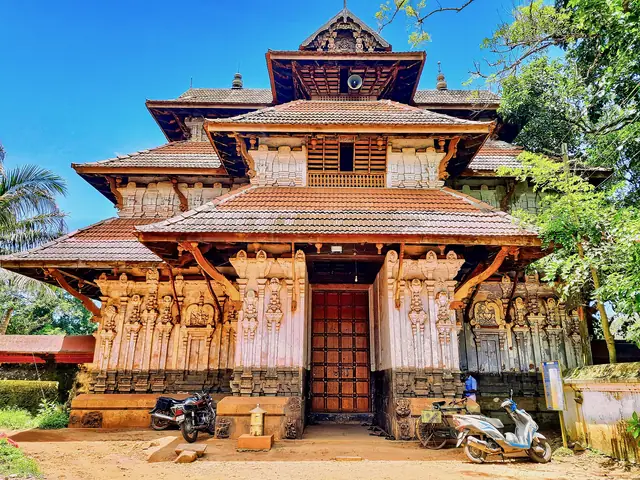
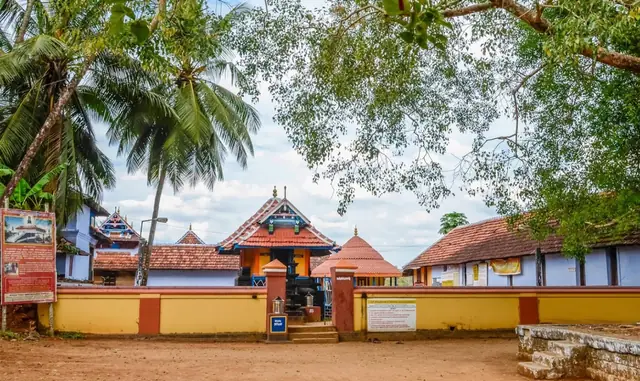
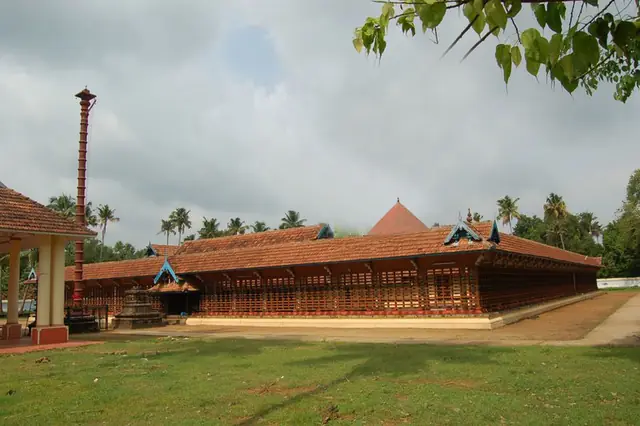
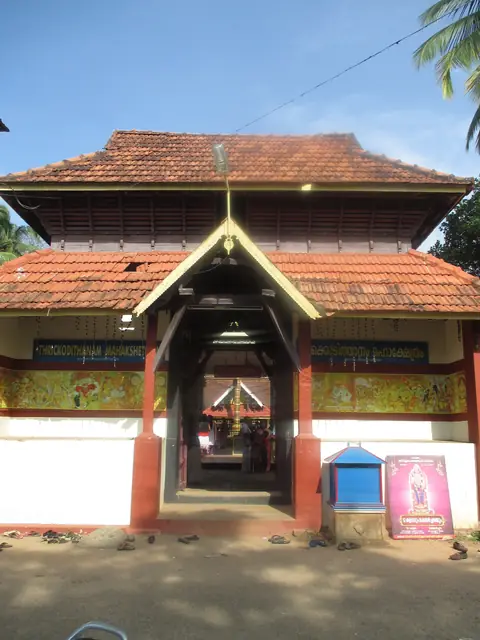
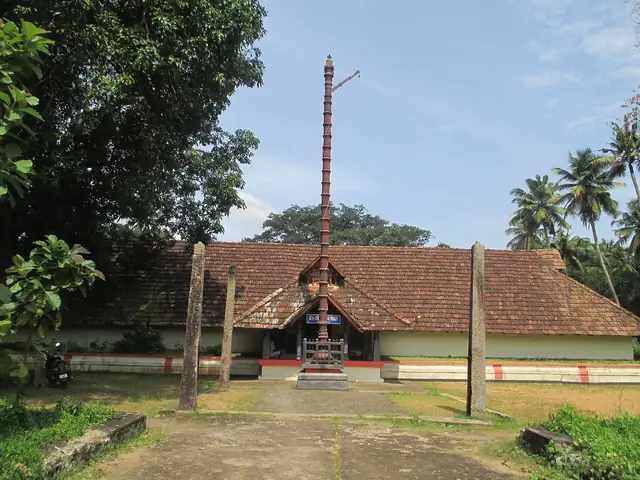
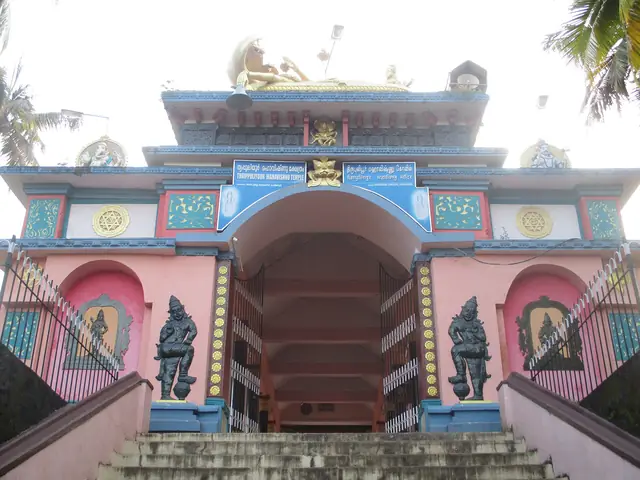
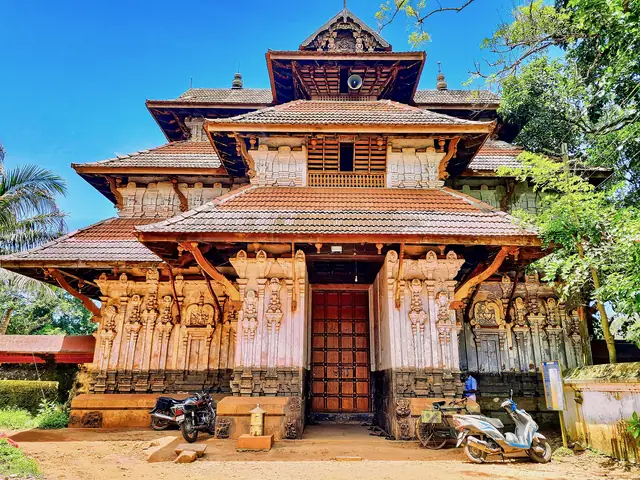
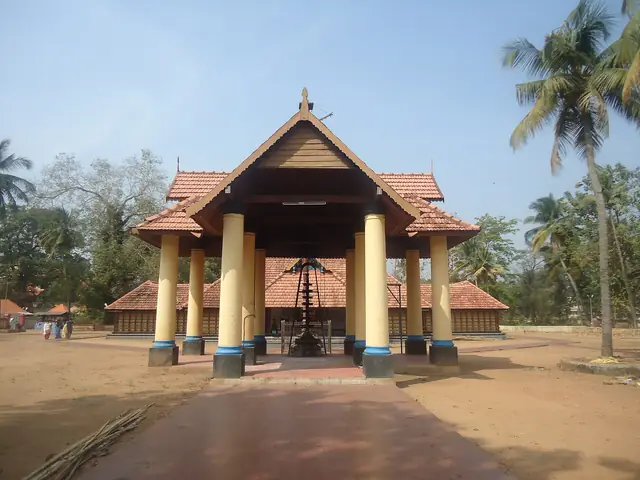
- The Thiruvanchikulam Mahadeva temple at Kodungallur