01From Kosala to the coast
Janamejaya I ruled the upper Mahanadi valley from Suvarnapura in the late ninth century. His son Yayati I and their heirs pressed east after the Bhauma-Kara kings of the coast declined, and Yayati II Chandihara, in the early eleventh century, ruled both Kosala and Utkala. Odia tradition remembers him as Yayati Keshari, the king who brought ten thousand Brahmins from Kanauj to perform yajnas at Jajpur.
02The temples of Ekamra
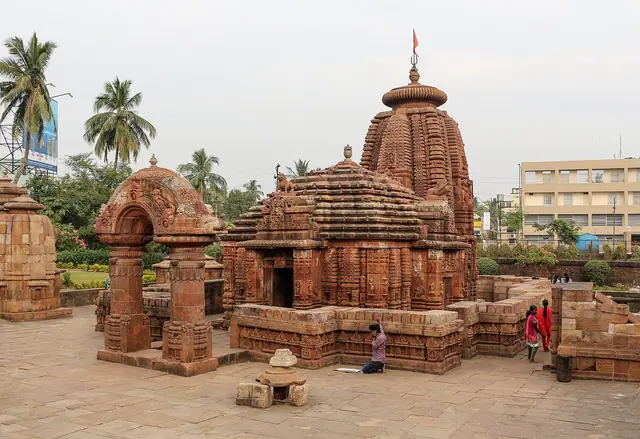
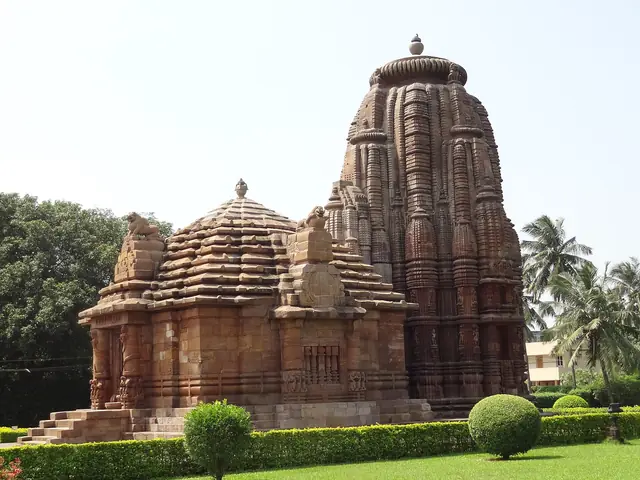
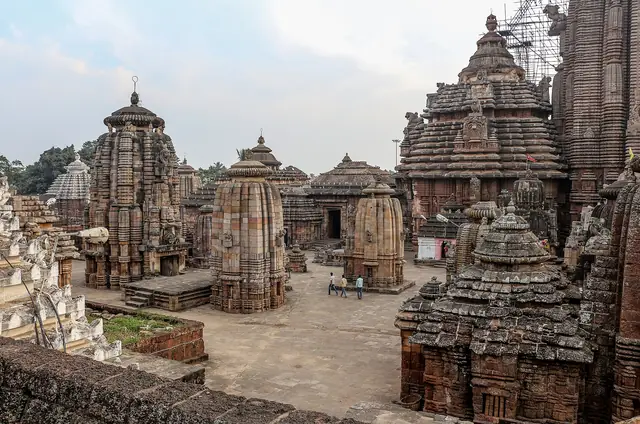
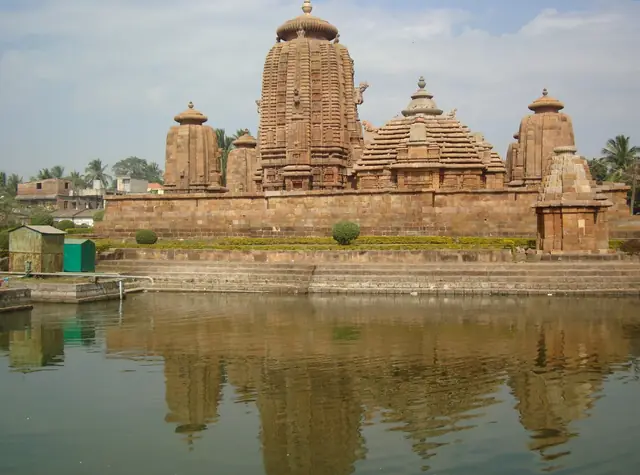
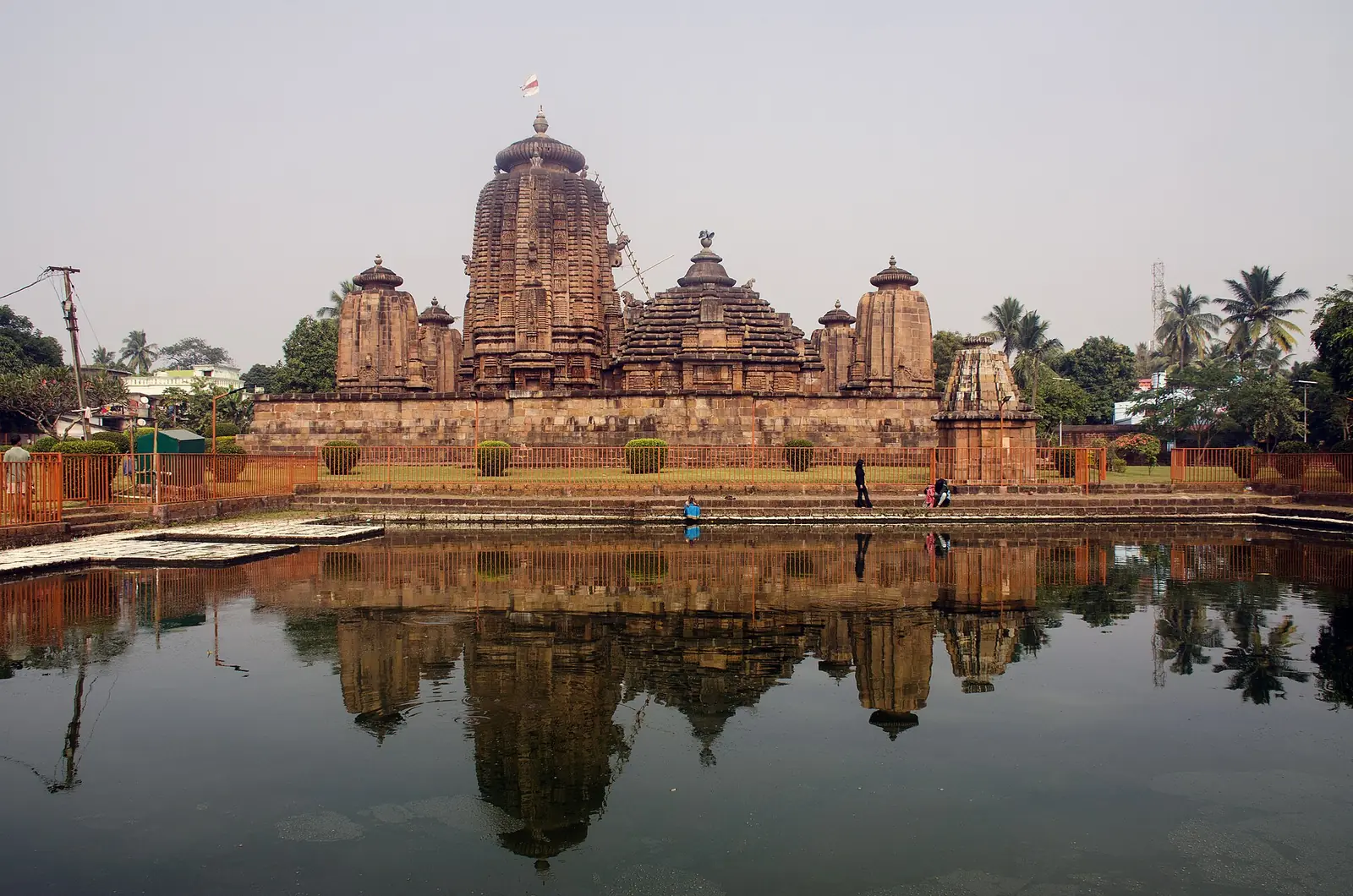
The Mukteshvara temple, small and perfect, with its arched torana, was built in the tenth century. The Brahmeshvara temple carries an inscription of Kolavati Devi, mother of King Udyotakeshari, who built it. The Rajarani temple, without a deity today, has some of the finest carved nayikas in Odisha. And over them all stands the Lingaraja, its deul about 55 metres high, where Shri Harihara is worshipped, Shiva and Vishnu in one linga.
03Passing to the Gangas
After Udyotakeshari the kingdom weakened under pressure from the Kalachuris of Tripuri in the west and the Gangas in the south. Karnadeva, the last Somavamshi, lost Utkala to Anantavarman Chodaganga in the first decade of the twelfth century. The temple style that the Somavamshis perfected, with its curving rekha deul and the jagamohana in front, passed to the Gangas and reached its height at Puri and Konark.
The rulers
- 1Janamejaya Ic. 882–922
- 2Yayati Ic. 922–955
- 3Bhimarathac. 955–980
- 4Dharmarathac. 980–1005
- 5Yayati II ChandiharaRuled Kosala and Utkala together; Yayati Keshari of traditionc. 1025–1040
- 6UdyotakeshariBrahmeshvara temple built by his motherc. 1040–1065
- 7KarnadevaLast of the linec. 1100–1110
What they left
- Lingaraja temple, Bhubaneswar
- Mukteshvara, Rajarani and Brahmeshvara temples
- The mature Kalinga style of rekha deul and jagamohana