01Sangam Madurai
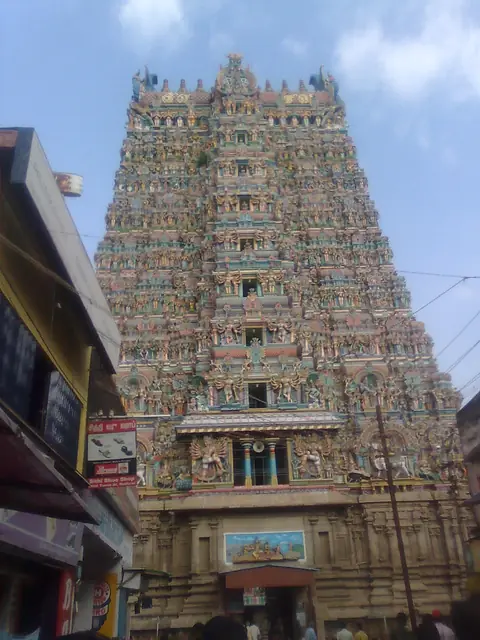
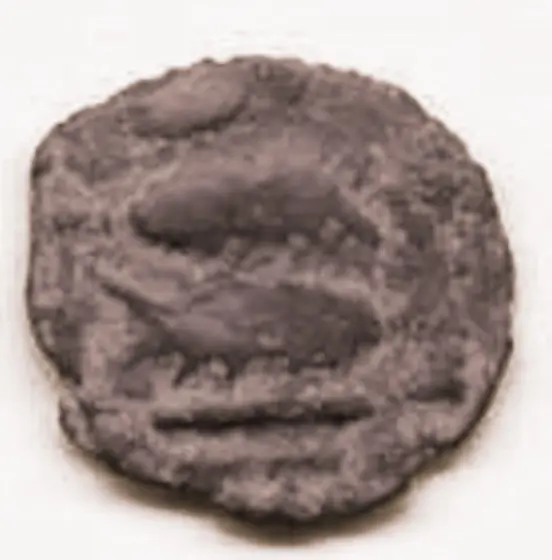
Megasthenes heard of a southern kingdom called Pandaia ruled by a queen, daughter of Herakles, rich in pearls. Ashoka names the Pandyas among his free neighbours. Their emblem was the fish, and their pearl fisheries off Korkai were famous in Rome. Tamil tradition, set down in the commentary on Iraiyanar’s Akapporul, says three Sangams of poets sat under Pandya patronage, the last at Madurai. Of the kings in the poems, Nedunjeliyan won at Talaiyalanganam against the Chera, the Chola and five chiefs, and Mankudi Marudanar’s Maduraikkanchi describes his city’s markets by day and night. Palyagasalai Mudukudumi Peruvaludi was named for the many yajnas he performed.
02The first Pandya empire
The Velvikudi copper plates tell how a village granted by Mudukudumi Peruvaludi was seized by the Kalabhras, and how Kadungon, late in the 6th century, drove the Kalabhras out and restored the Pandya kingdom. Arikesari Maravarman, the Kun Pandyan of the Shaiva hymns, followed the Jain path until Thirugnana Sambandar, called by his queen Mangayarkkarasi, cured his fever at Madurai; he became the Nayanar Ninraseer Nedumaran. The kingdom fought the Pallavas for two centuries. Srimara Srivallabha sacked Anuradhapura in Lanka, but Varaguna II lost to a Pallava-Ganga-Chola alliance at Sripurambiyam about 885, and in about 915 Parantaka Chola took Madurai. Maravarman Rajasimha II fled to Lanka leaving his crown there.
03The second empire
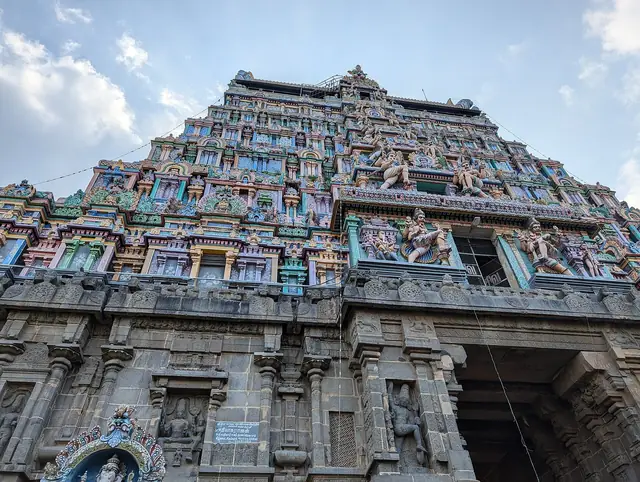
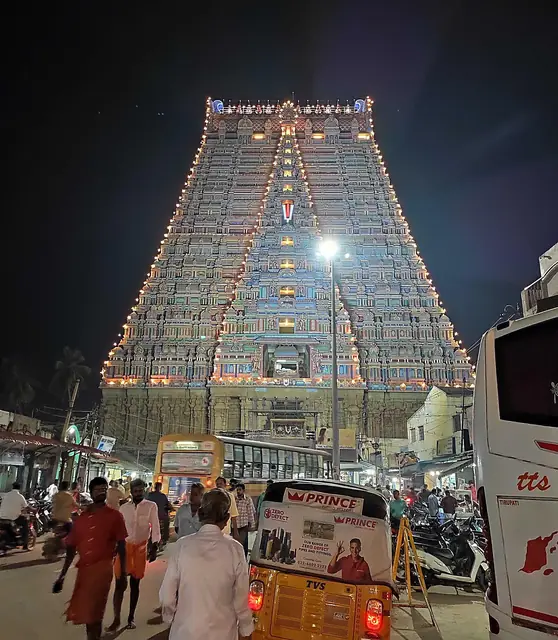
As Chola power weakened, the Pandyas came back. Maravarman Sundara Pandya I burned Thanjavur and Uraiyur in the early 13th century. Jatavarman Sundara Pandya I (1251–1268) defeated the Hoysalas, the Kadava chief Kopperunjinga and the Kakatiya Ganapati, and performed a virabhisheka at Nellore; he covered the vimana at Chidambaram with gold and gave lavishly at Srirangam, earning the name Ponveinda Perumal, the king who roofed with gold. Under Maravarman Kulashekhara I (1268–1310) Marco Polo visited the Pandya coast, which he called Maabar, and wrote of its pearl fishery and its trade in Arabian horses.
041311 and the Tenkasi Pandyas
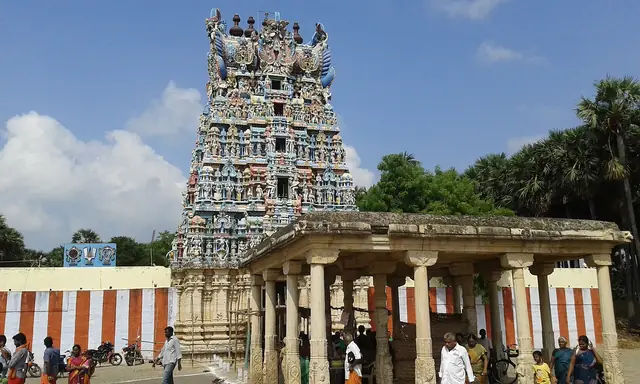
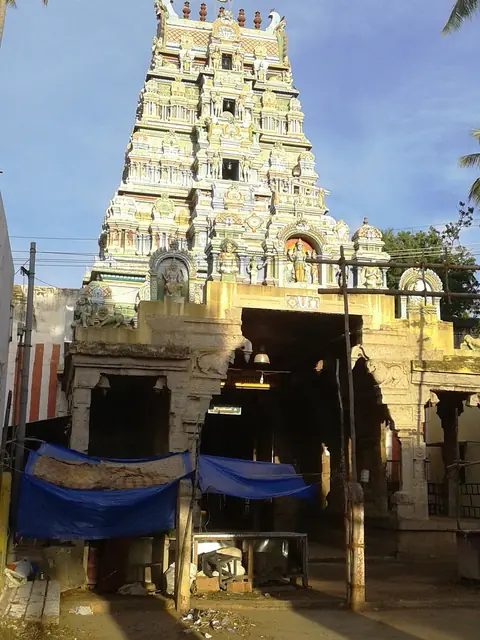
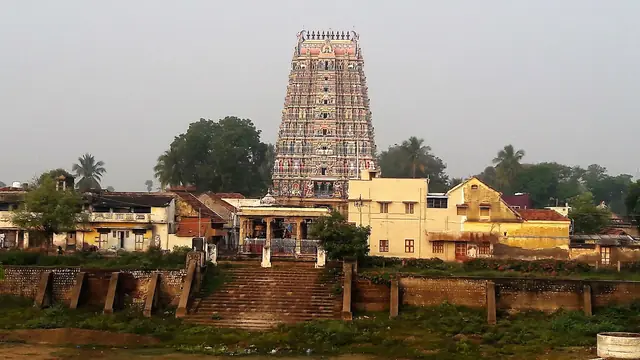
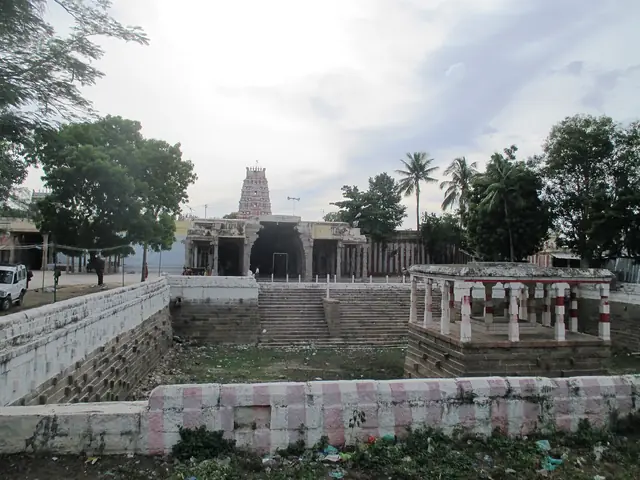
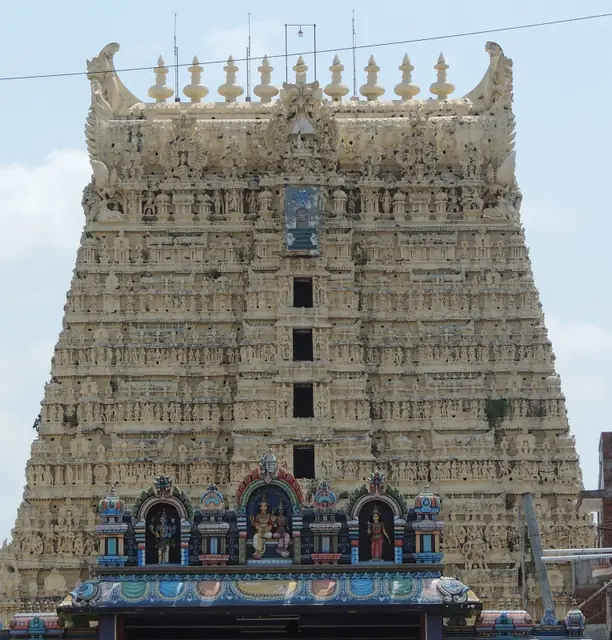
Kulashekhara’s death in 1310 set his sons Sundara Pandya and Vira Pandya at war. In 1311 Malik Kafur, general of Alauddin Khalji, marched into the Pandya country, sacked Madurai and carried away its treasure, as Amir Khusrau records. In 1335 a Sultanate was set up at Madurai; Kumara Kampana of Vijayanagara ended it in 1378, and his queen Gangadevi wrote the campaign as the Madhura Vijayam. The Pandyas survived as a lesser line in the Tamraparni country. At Tenkasi, Parakrama Pandya raised the Kasi Vishwanathar temple in the 15th century, and Ativirarama Pandya, poet of the Tamil Naidatham, ruled in the late 16th.
The rulers
- 1Palyagasalai Mudukudumi PeruvaludiPerformer of many yajnasSangam age
- 2Nedunjeliyan of TalaiyalanganamHero of the MaduraikkanchiSangam age
- 3KadungonEnded Kalabhra rulec. 590–620 CE
- 4Maravarman Avanishulamanic. 620–645 CE
- 5Seliyan Sendanc. 645–670 CE
- 6Arikesari Maravarman (Ninraseer Nedumaran)Turned to Shiva through Sambandar; a Nayanarc. 670–700 CE
- 7Kochadaiyan Ranadhirac. 700–730 CE
- 8Maravarman Rajasimha Ic. 730–765 CE
- 9Jatila Parantaka Nedunjadaiyan (Varaguna I)Issued the Velvikudi platesc. 765–815 CE
- 10Srimara SrivallabhaSacked Anuradhapurac. 815–862 CE
- 11Varaguna IIDefeated at Sripurambiyamc. 862–880 CE
- 12Maravarman Rajasimha IILost Madurai to Parantaka Cholac. 900–920 CE
- 13Jatavarman Kulashekhara IBegan the Pandya revivalc. 1190–1216 CE
- 14Maravarman Sundara Pandya IBurned Thanjavurc. 1216–1238 CE
- 15Jatavarman Sundara Pandya IGold roof at Chidambaram; strongest king of the south1251–1268 CE
- 16Maravarman Kulashekhara IMarco Polo visited his coast1268–1310 CE
- 17Parakrama PandyaBuilt the Kasi Vishwanathar temple, Tenkasi15th century CE
- 18Ativirarama PandyaPoet of the Tamil Naidathamlate 16th century CE
What they left
- The Madurai Tamil Sangam tradition and the poems of the Sangam anthologies
- The Velvikudi and other copper plates that record Pandya history
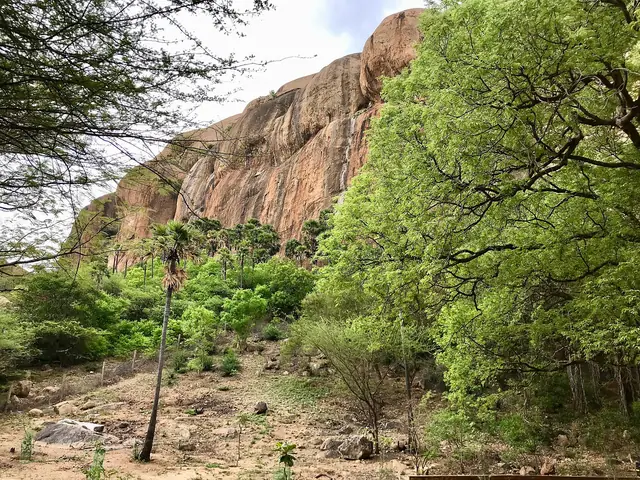
- Rock-cut shrines such as Thiruparankundram and Kazhugumalai
- Gold roofing at Chidambaram and gifts at Srirangam
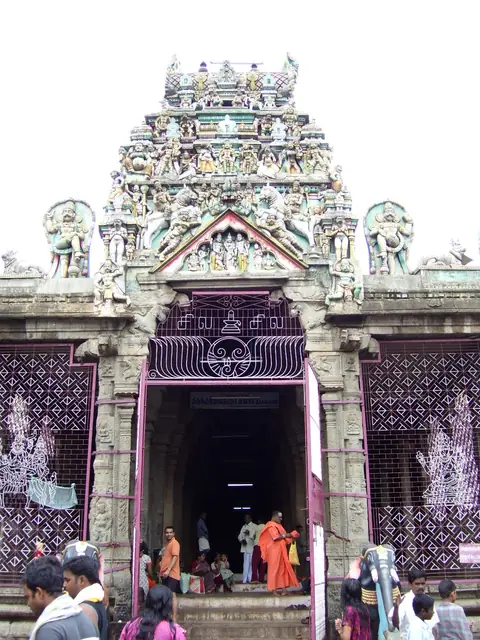
- The Kasi Vishwanathar temple at Tenkasi