01Simuka and the Naneghat queen
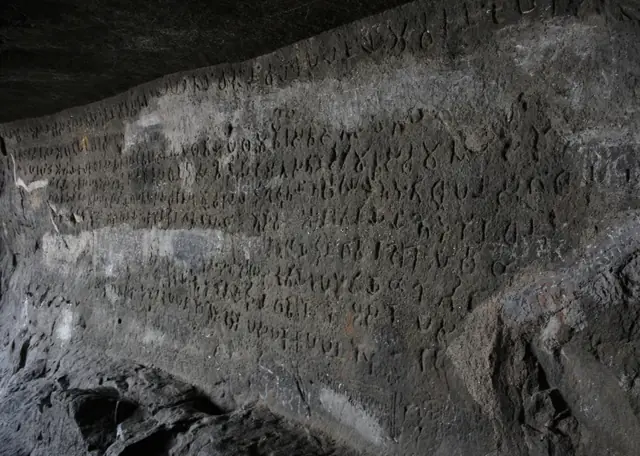
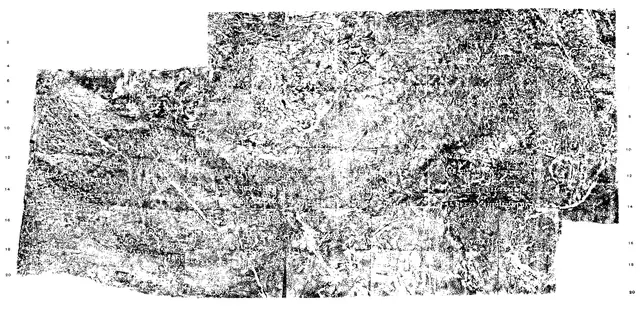
The Puranas name Simuka as the first Andhra king and count thirty kings over about four and a half centuries. His date is argued: most place him in the 1st century BCE, some in the late 3rd century BCE. In a cave at the head of the Naneghat pass, on the old trade road from the coast up to Junnar, Queen Naganika, widow of Satakarni I, had an inscription cut listing the Vedic sacrifices her husband performed: two Ashvamedhas, a Rajasuya and many others, with the dakshina paid for each in cows, horses, elephants and coins. Life-size figures of the royal family once stood beside it.
02Gautamiputra Satakarni
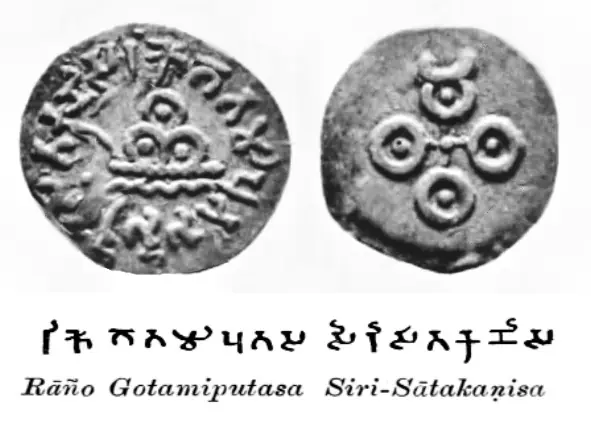
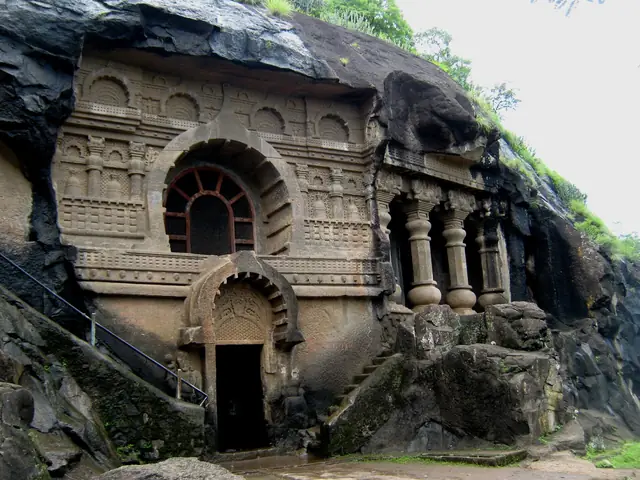
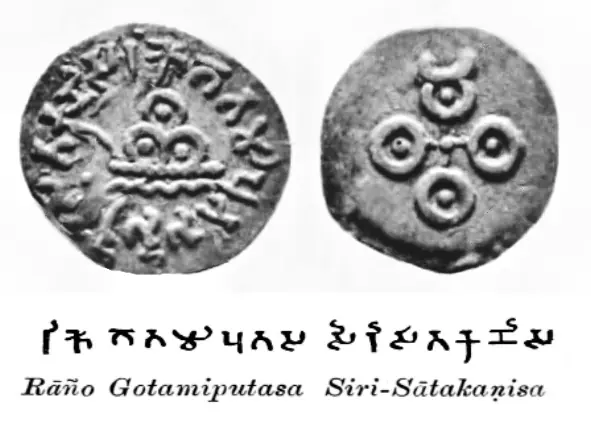
By the late 1st century CE the Shaka Kshaharatas under Nahapana had taken the western Deccan. Gautamiputra Satakarni won it back. In a hoard found at Jogalthembi near Nashik, thousands of Nahapana’s silver coins had been restruck with Gautamiputra’s name. After his death his mother, Gautami Balashri, recorded his deeds in Cave 3 at Nashik: he destroyed the Shakas, Yavanas and Pahlavas, rooted out the Kshaharata line, restored the glory of the Satavahana family, and was a unique brahmana, ekabrahmana, who stopped the mixing of varnas. The kings put their mothers’ names first, Gautamiputra, Vasishthiputra, a custom found in no other Indian dynasty.
03Ships, Prakrit and the Amaravati stupa
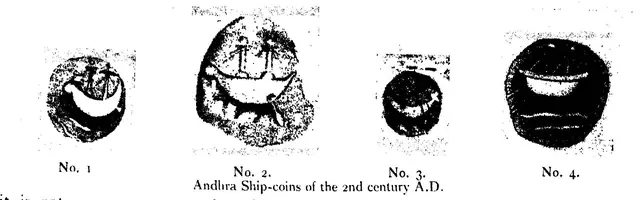
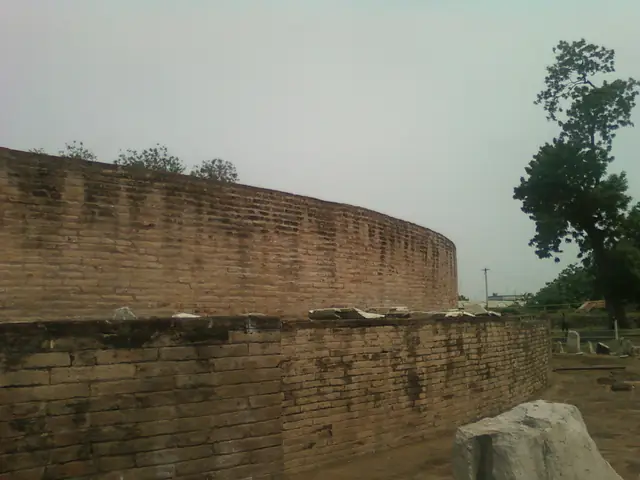
Rudradaman, the Shaka ruler of Ujjain, says in his Junagadh inscription that he twice defeated Satakarni, lord of Dakshinapatha, but spared him because they were closely related; a Kanheri inscription shows a Satavahana queen was Rudradaman’s daughter. The last strong king, Sri Yajna Satakarni, issued coins with a two-masted ship, a sign of the sea trade from the eastern ports. King Hala is credited with the Gaha Sattasai, seven hundred short Prakrit poems of village love. The great stupa at Amaravati was enlarged in their time. The house broke up early in the 3rd century, its lands passing to the Ikshvakus of the Krishna valley, the Abhiras and others.
The rulers
- 1SimukaFirst Andhra king in the Puranasc. 1st century BCE (debated)
- 2Krishna (Kanha)Brother of Simuka; Nashik cave inscriptionc. 1st century BCE
- 3Satakarni ITwo Ashvamedhas and a Rajasuya (Naneghat)c. 1st century BCE
- 4HalaCredited with the Gaha Sattasaic. 1st century CE
- 5Gautamiputra SatakarniDestroyed the Kshaharatasc. 106–130 CE
- 6Vasishthiputra PulumaviNashik record of Gautami Balashri in his reignc. 130–158 CE
- 7Vasishthiputra SatakarniMarried Rudradaman’s daughter (Kanheri)c. 158–170 CE
- 8Sri Yajna SatakarniShip coins; last strong kingc. 170–199 CE
- 9Vijaya, Chandashri, Pulumavi IVThe last kings as the kingdom broke upc. 199–225 CE
What they left
- The Naneghat and Nashik inscriptions
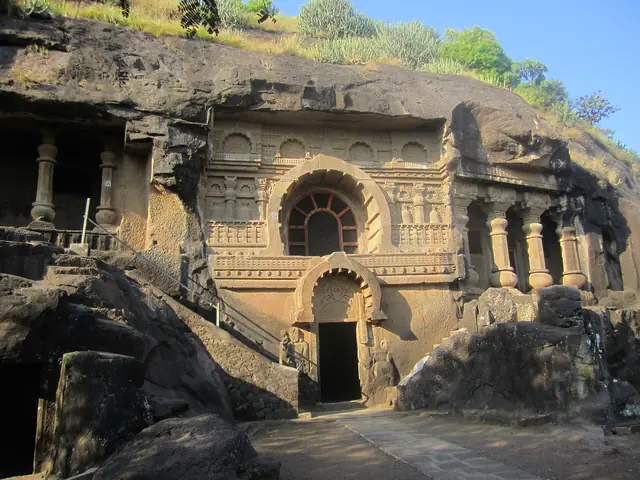
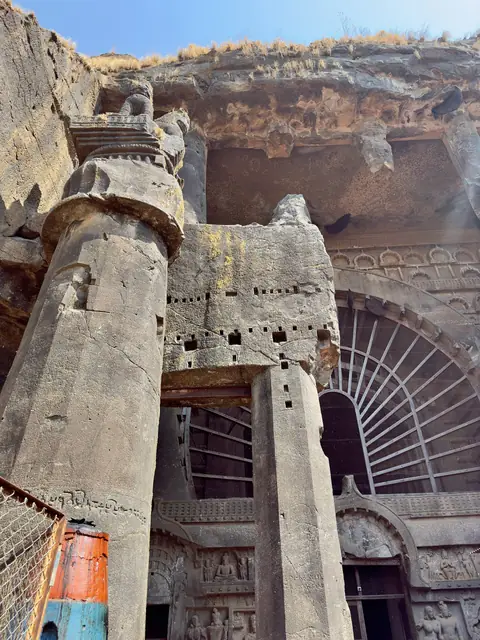
- The rock-cut chaityas and viharas of Nashik, Karle, Bhaja and Kanheri
- The Amaravati stupa and its carved slabs
- The Gaha Sattasai in Maharashtri Prakrit
- Paithan, still a tirtha on the Godavari