
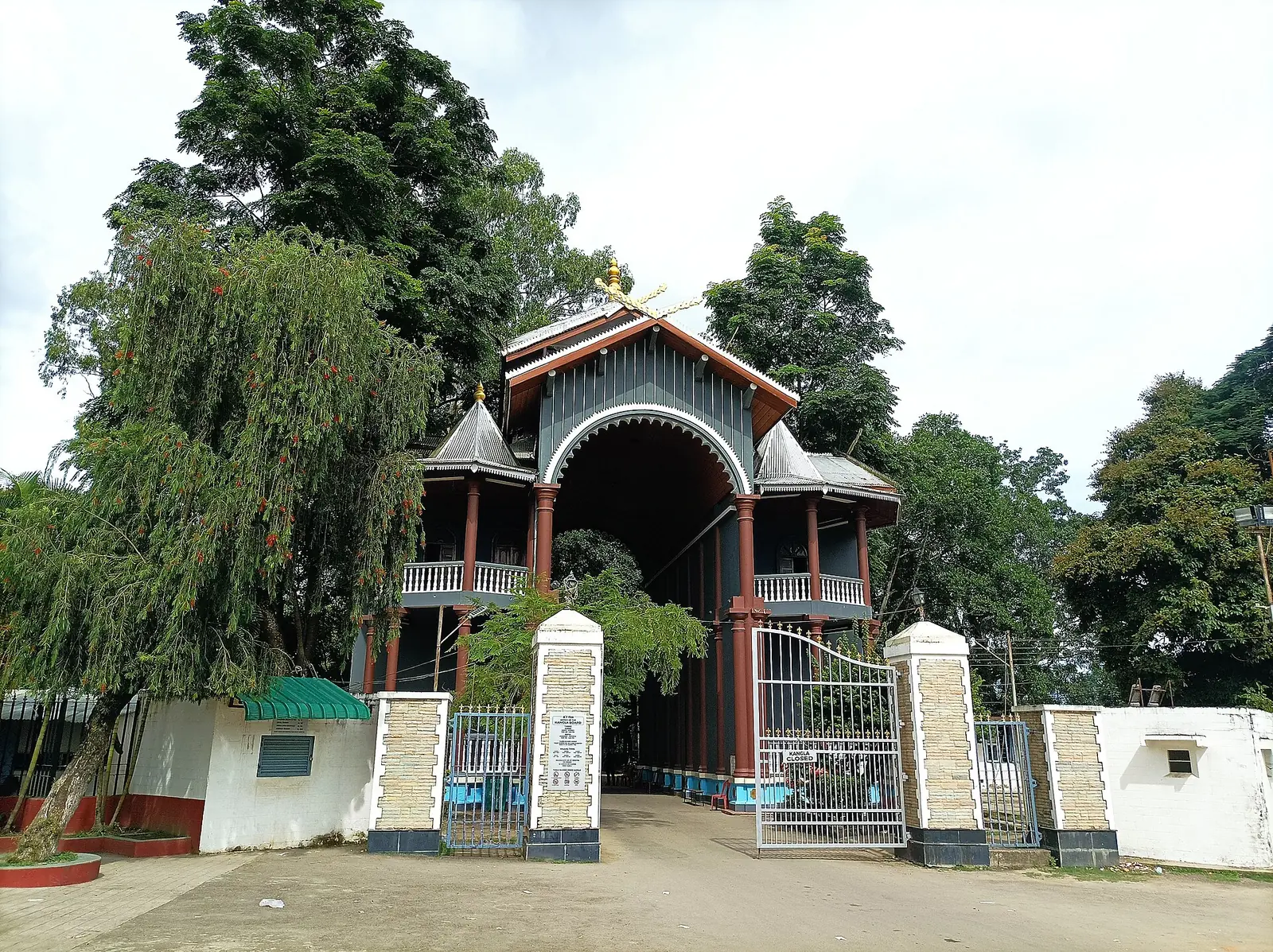
01Kangla and the chronicle
Kangla, on the bank of the Imphal river, was the seat of the kings for most of their history, and the coronation ground of Manipur. The Cheitharol Kumbaba, kept by the royal scribes, records the reign of each king and the events of each year, floods, wars and the building of temples. Kiyamba, in the late fifteenth century, joined with the Shan king of Pong to take the Kyang valley; Khagemba, in the early seventeenth, fought off the Chinese and the Cachar raids.
02Garib Niwaz and Bhagyachandra
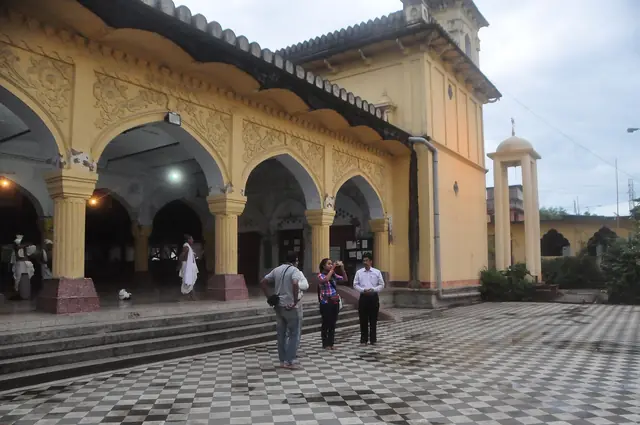
Pamheiba, who took the name Garib Niwaz, ruled from 1709 to 1748. He took initiation from Vaishnava teachers, made Vaishnava bhakti the faith of the court, and led raids deep into Burma. His grandson Bhagyachandra, also called Ching-Thang Khomba, lost his throne to a Burmese invasion and won it back with Ahom help. He had the image of Shri Govindaji made and installed, and set down the form of the Manipuri Ras Lila, first danced in 1779. The Ras Lila is still danced at the Govindaji temple at Imphal on the full moons of autumn.
03Devastation and merger
From 1819 to 1826 Burmese armies held the valley; Manipuris remember those years as the Seven Years Devastation, when much of the population fled or was carried off. Gambhir Singh raised a levy and drove the Burmese out in 1825–26. In 1891 a palace struggle led to the Anglo-Manipur war; Kangla fell, and Yuvaraj Tikendrajit and General Thangal were hanged at Imphal. The British set the boy Churachand on the throne. Bodhchandra Singh signed the merger of Manipur with India in 1949.
The rulers
- 1Nongda Lairen PakhangbaFirst king in the royal chronicle33 CE (traditional)
- 2KiyambaTook the Kyang valley1467–1508
- 3Khagemba1597–1652
- 4Charairongba1697–1709
- 5Garib Niwaz (Pamheiba)Made Vaishnava bhakti the court faith1709–1748
- 6Bhagyachandra (Ching-Thang Khomba)Shri Govindaji; the Ras Lila1759–1798 (with a break)
- 7Gambhir SinghDrove out the Burmese1825–1834
- 8Chandrakirti1850–1886
- 9KulachandraDeposed after the war of 18911890–1891
- 10Churachand Singh1891–1941
- 11Bodhchandra SinghSigned the merger with India1941–1949
What they left
- The Manipuri Ras Lila
- Shri Govindaji temple, Imphal
- Kangla fort and coronation ground
- The Cheitharol Kumbaba, the royal chronicle