01The Rajmala
The Rajmala traces the house to the Chandravamsha, through Druhyu, son of Yayati, and gives a long list of kings before the Manikyas. The chronicle was first written under Dharma Manikya I in the fifteenth century and added to by later reigns. Ratna Manikya is remembered as the first to take the title Manikya and to bring in Bengali officials and settlers. Under Dhanya Manikya, around 1500, Tripura armies went deep into Chittagong and the Burmese border lands.
02Tripura Sundari
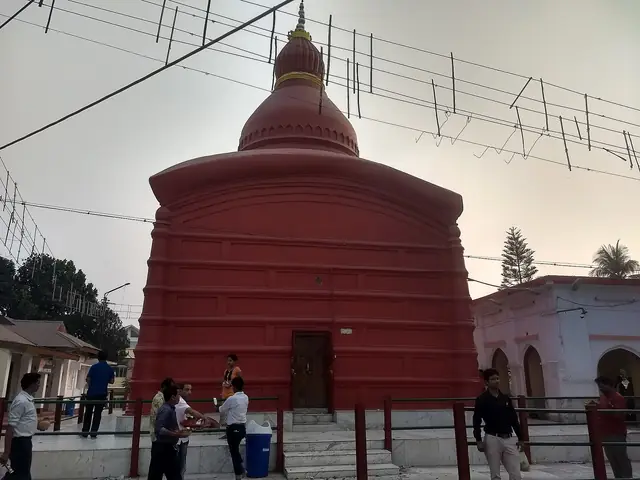
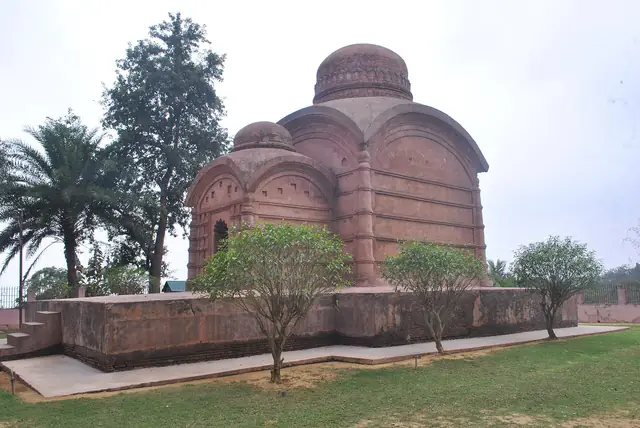
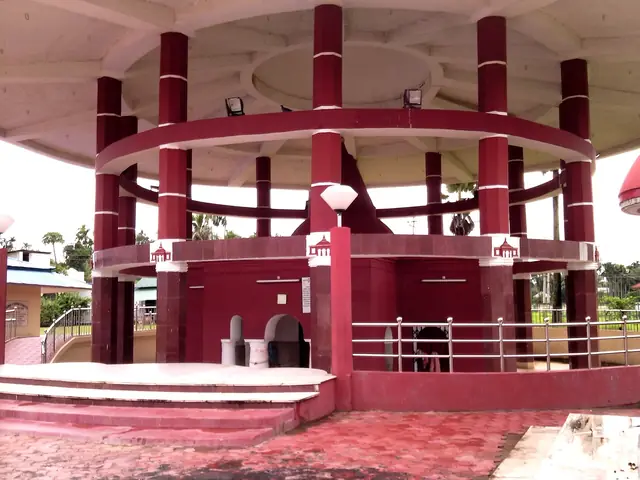
In 1501 Dhanya Manikya built the temple of Devi Tripura Sundari on a low hill at Udaipur, then called Rangamati. The square shrine with its curved Bengal roof stands on a hill shaped, devotees say, like the back of a tortoise, and it is counted among the Shakti Peethas. Every year at Diwali a great mela is held there. In July the Kharchi Puja of the fourteen deities is held at Old Agartala, a week of worship that goes back to the oldest rites of the Tripuri people.
03From Govinda to Bir Bikram
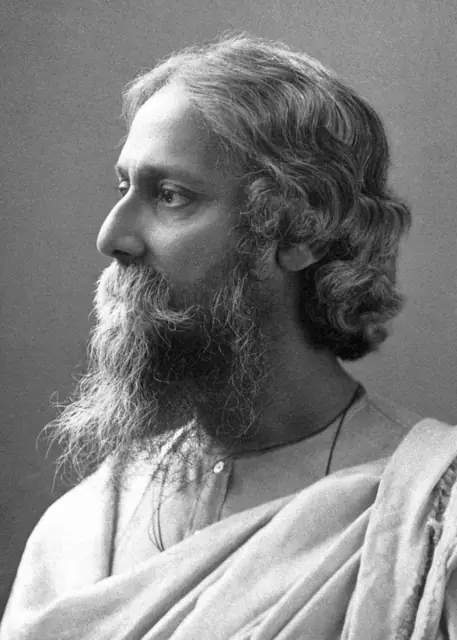
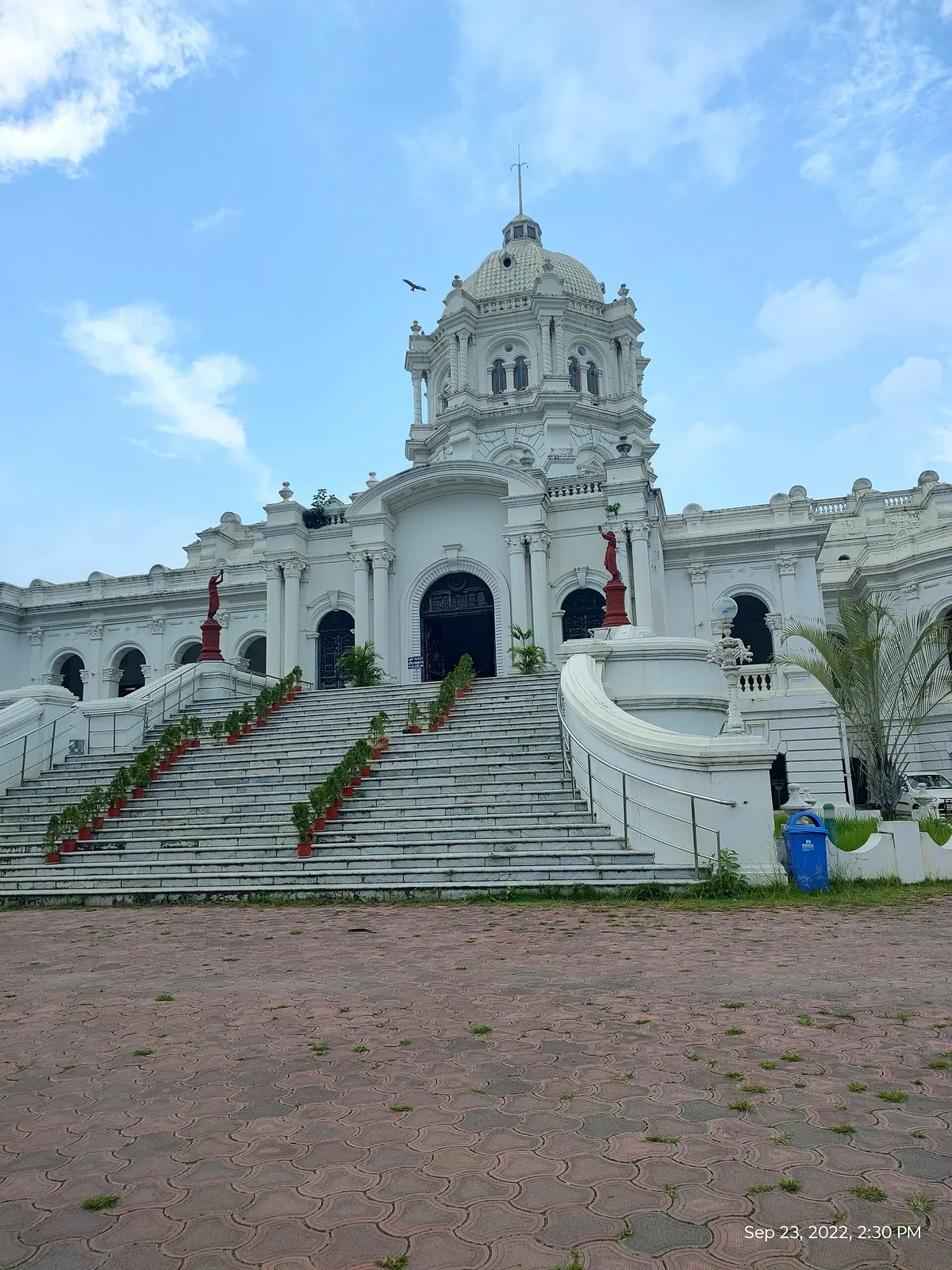
Govinda Manikya, who ruled in the 1660s and 1670s, is the gentle king of Rabindranath Tagore’s novel Rajarshi and his play Visarjan. The court moved to Agartala in the eighteenth century and to the new town of Agartala in 1849. Bir Chandra Manikya, a Vaishnava poet and an early photographer, was the first to hail the young Tagore’s poetry. Radha Kishore Manikya built the Ujjayanta Palace in 1901. After Bir Bikram Kishore Manikya died in 1947, his widow, Regent Kanchan Prabha Devi, signed the merger of Tripura with India in 1949.
The rulers
- 1Dharma Manikya IRajmala first writtenc. 1431–1462
- 2Ratna Manikya Ic. 1462–1487
- 3Dhanya ManikyaBuilt Tripura Sundari temple, 1501c. 1490–1515
- 4Vijaya Manikya IIKingdom at its widestc. 1532–1563
- 5Amar ManikyaDug the Amar Sagar at Udaipurc. 1577–1586
- 6Govinda ManikyaKing of Tagore’s Rajarshic. 1660–1676
- 7Bir Chandra ManikyaPoet; patron of the young Tagore1862–1896
- 8Radha Kishore ManikyaBuilt Ujjayanta Palace1896–1909
- 9Birendra Kishore Manikya1909–1923
- 10Bir Bikram Kishore Manikya1923–1947
- 11Kirit Bikram Kishore ManikyaMinor; regency signed the merger1947–1949
What they left
- Tripura Sundari temple, Udaipur (1501)
- The Rajmala, a royal chronicle in Bengali verse
- Ujjayanta Palace, Agartala, now the state museum
- The Kharchi Puja of the fourteen deities