01Vardhamana of Kundagrama
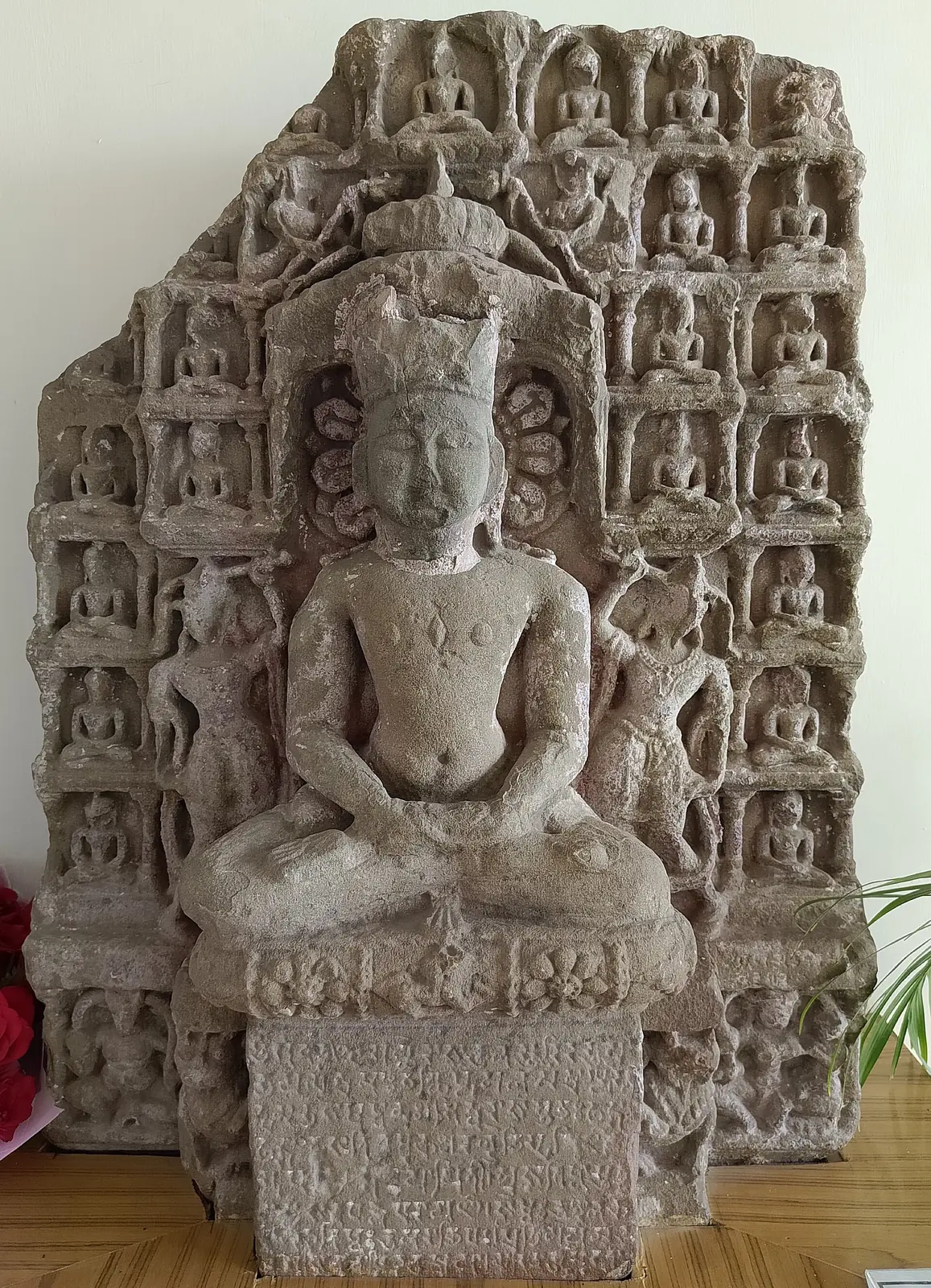
The Kalpa Sutra tells that his mother Trishala, sister of the Licchavi chief Chetaka of Vaishali, saw a series of auspicious dreams before his birth. Svetambaras count fourteen dreams and Digambaras sixteen. He was born at Kundagrama near Vaishali on the thirteenth day of the bright half of Chaitra, kept as Mahavir Jayanti. His father Siddhartha was chief of the Jnatrika clan. At thirty he gave away his wealth, plucked out his hair and took the vow of a monk.
02Kevala jnana and the five vows
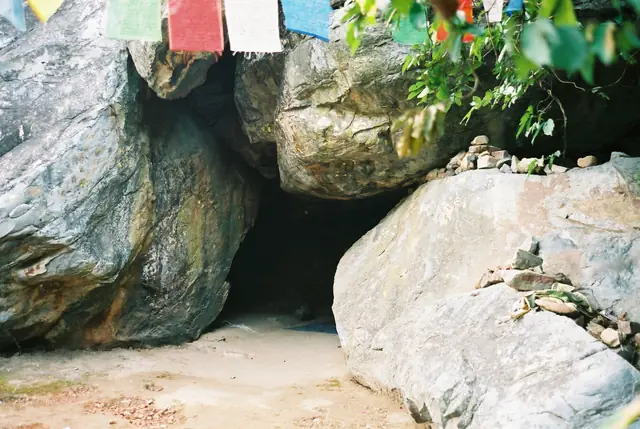
For twelve and a half years he wandered, fasting, silent, bearing heat, cold and insult. The Acharanga Sutra describes those years without softening them. Under a sal tree on the bank of the Rijupalika near Jrimbhikagrama he attained kevala jnana, omniscience. He then taught for thirty years in Magadha and Videha, with Indrabhuti Gautama and Sudharma among his chief disciples. Parshvanatha before him had taught four vows; Mahavira made brahmacharya a vow of its own, giving five: ahimsa, satya, asteya, brahmacharya and aparigraha. Kings of his day, Bimbisara among them, are remembered as his listeners.
03Nirvana at Pavapuri
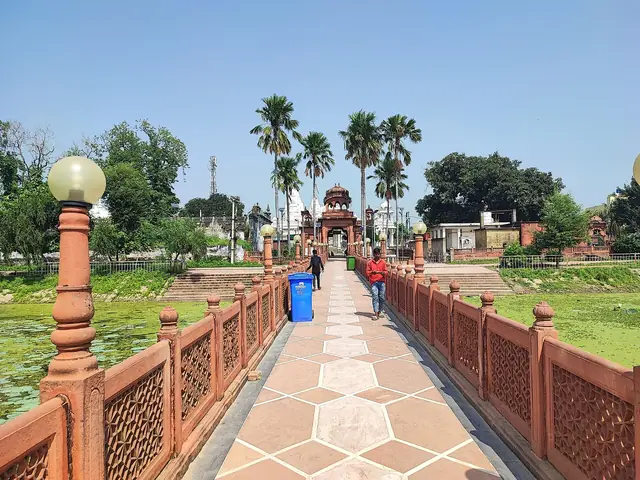
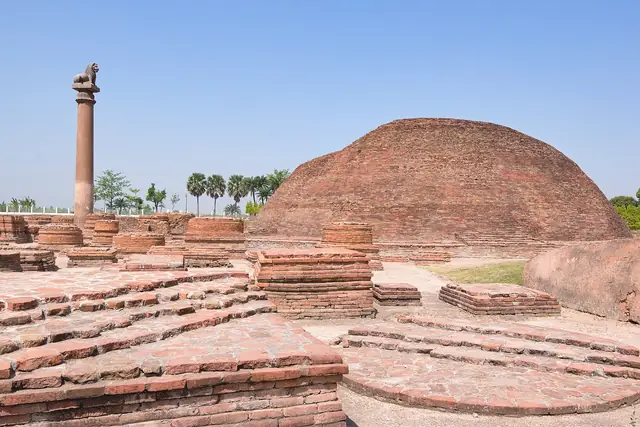
At seventy-two he attained nirvana at Pavapuri, near Rajgir, on the night of Kartika Amavasya. Jains light lamps that night, so Diwali is also the festival of his nirvana, and the Vira Nirvana Samvat, the Jain era, counts from 527 BCE. The Jal Mandir at Pavapuri stands in a lotus tank on the spot held to be his cremation ground. His teaching was carried by the ganadharas into the Agamas. Historians debate the dates, as they do for the Buddha, his younger contemporary by most accounts.