01Famines and indenture
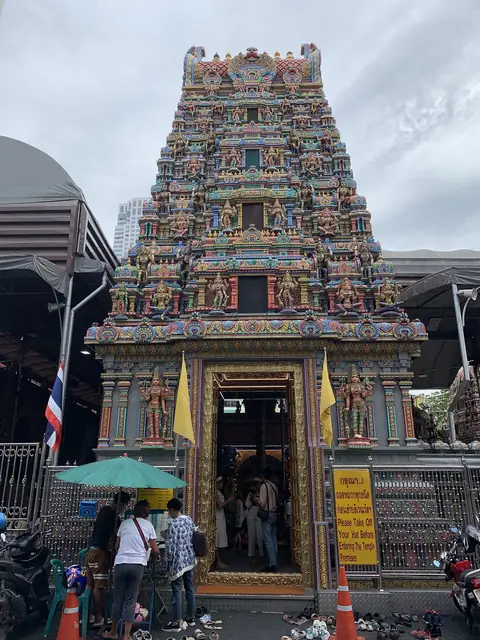
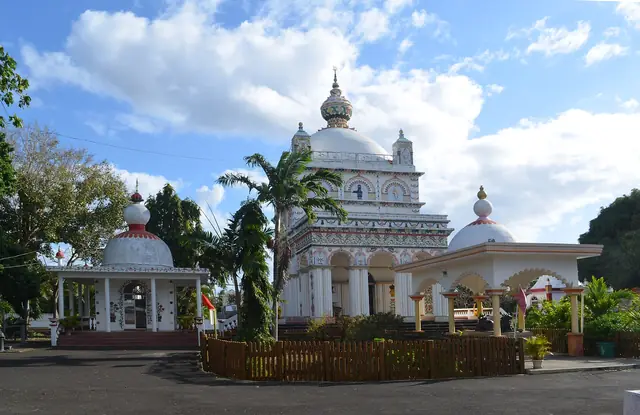
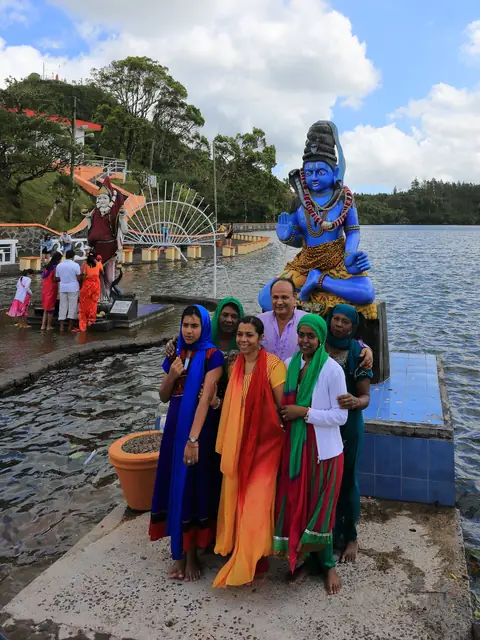
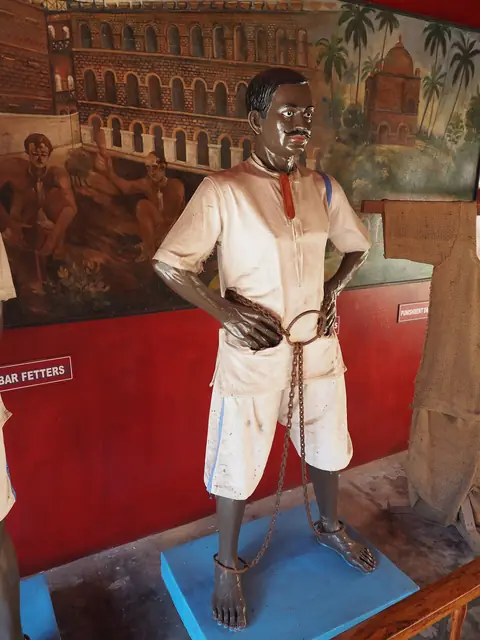
Crown rule brought railways, telegraphs and courts, and it brought famine on a scale Bharat had rarely known. The Great Famine of 1876–78 killed more than 50 lakh people in British territory by the government’s own count, while grain was still being exported. Famines struck again in 1896–97 and 1899–1900. In 1943 about thirty lakh died in Bengal. From 1834 to 1917 more than ten lakh Indians, most of them from Bhojpur, Awadh and the Tamil country, left as indentured labourers, girmitiyas, for Mauritius, Fiji, Trinidad, Guyana, Suriname and Natal. They carried the Ramcharitmanas and the Hanuman Chalisa with them, and their great-grandchildren still sing them.
02Ramakrishna, Dayananda, Vivekananda
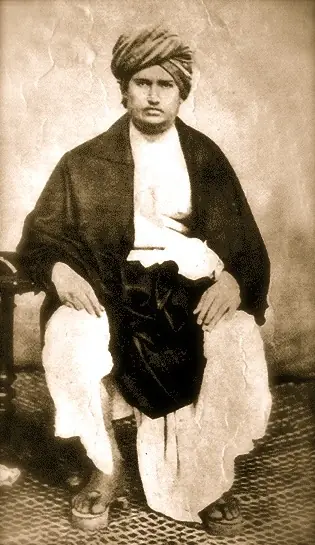
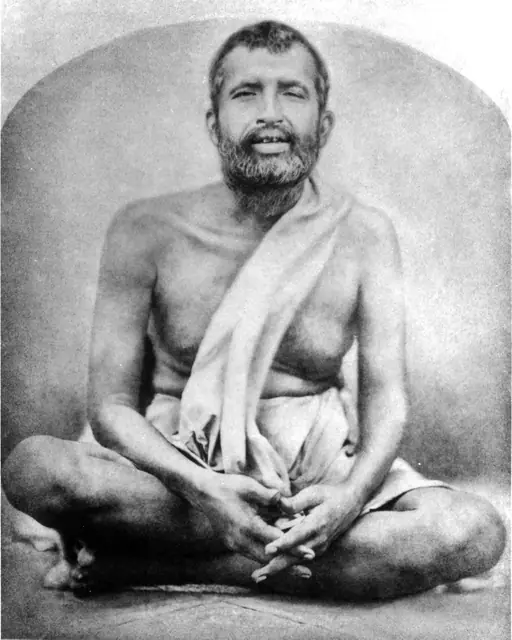
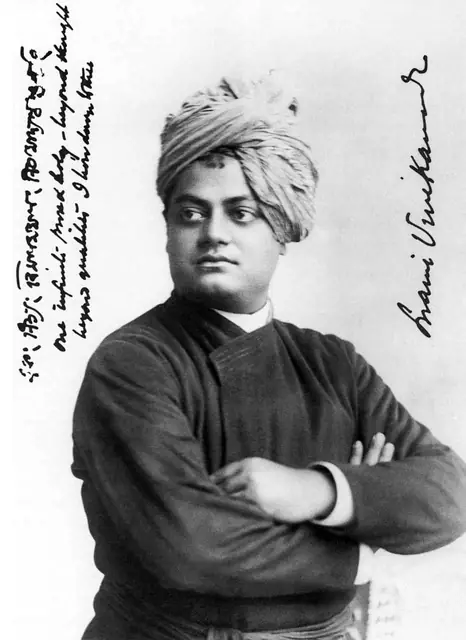
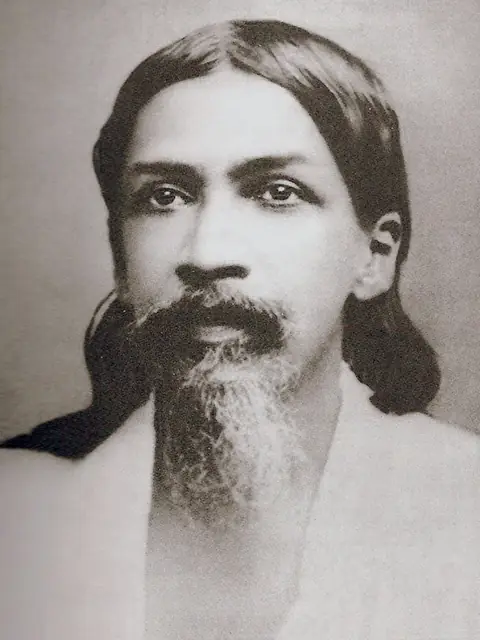
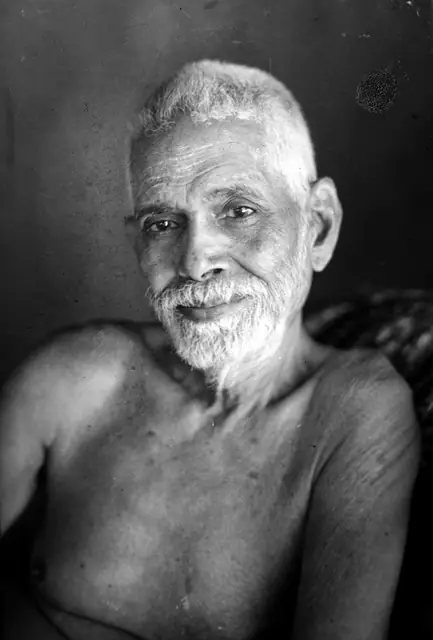
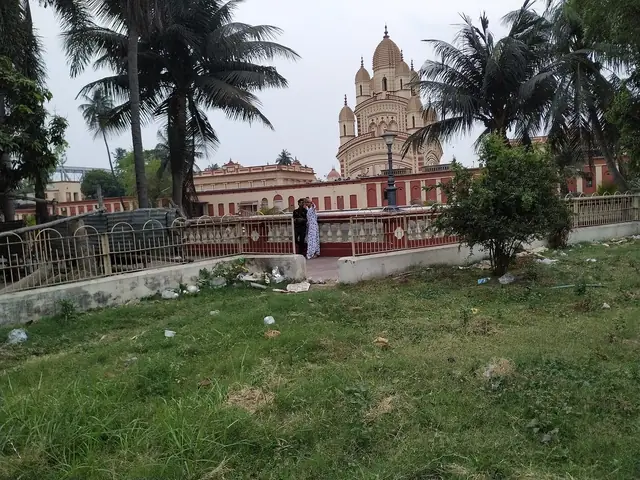
Sri Ramakrishna at Dakshineswar drew the young men of Calcutta to the living experience of Mata Kali; he passed away in 1886. Swami Dayananda Saraswati founded the Arya Samaj at Bombay on 10 April 1875 and called Hindus back to the Vedas in his Satyarth Prakash. After Chicago, Swami Vivekananda founded the Ramakrishna Mission on 1 May 1897 to serve the poor as Narayana. In Kerala, Sree Narayana Guru consecrated a Shiva linga at Aruvippuram in 1888 and opened worship to those who had been kept out. Ramana Maharshi came to Arunachala in 1896 and never left. Sri Aurobindo, once a revolutionary, settled in Pondicherry in 1910 to teach Integral Yoga.
03Bharat recovers its past
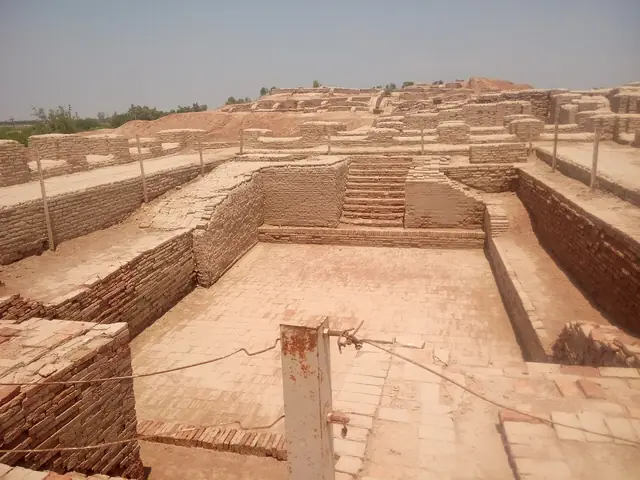
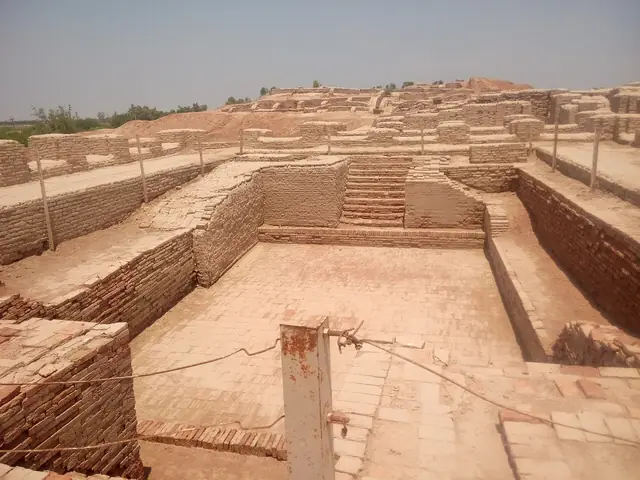
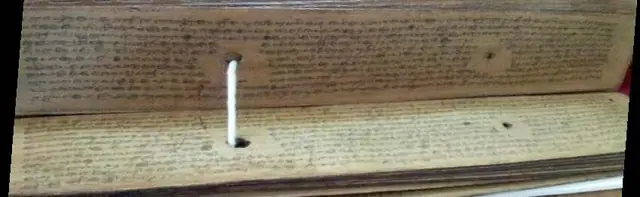
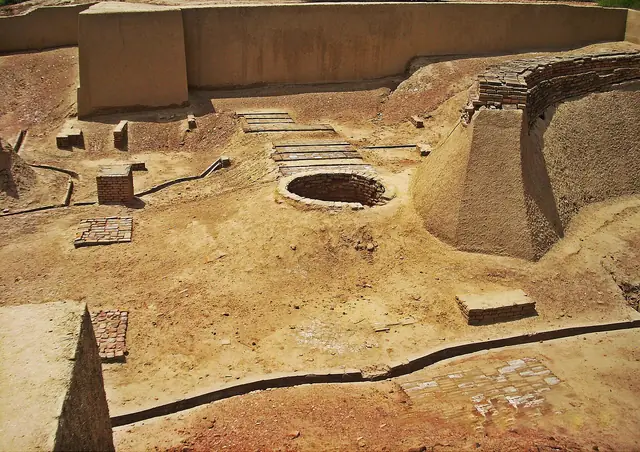
Alexander Cunningham founded the Archaeological Survey of India in 1861. In September 1924 John Marshall announced the cities of Harappa and Mohenjo-daro, pushing Bharat’s urban history back by thousands of years. In 1905 R. Shamasastry found a palm-leaf manuscript of Kautilya’s Arthashastra in Mysore and published it in 1909. The Bhandarkar Oriental Research Institute at Pune, founded in 1917, began the critical edition of the Mahabharata in 1919. Gita Press at Gorakhpur, started in 1923, put the Gita, the Ramcharitmanas and the Puranas into millions of homes at a few annas each. Madan Mohan Malaviya founded the Banaras Hindu University in 1916.
04Vande Mataram and the Swadeshi years
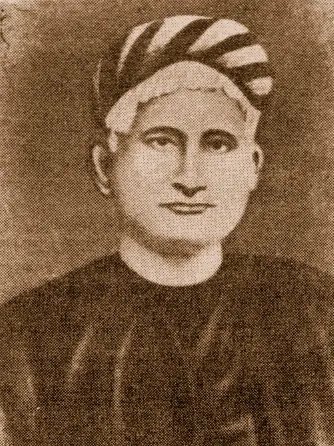
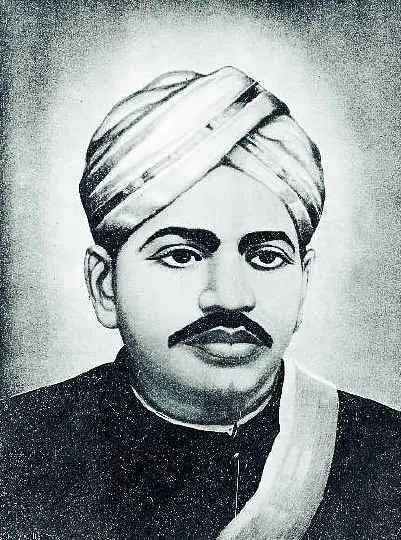
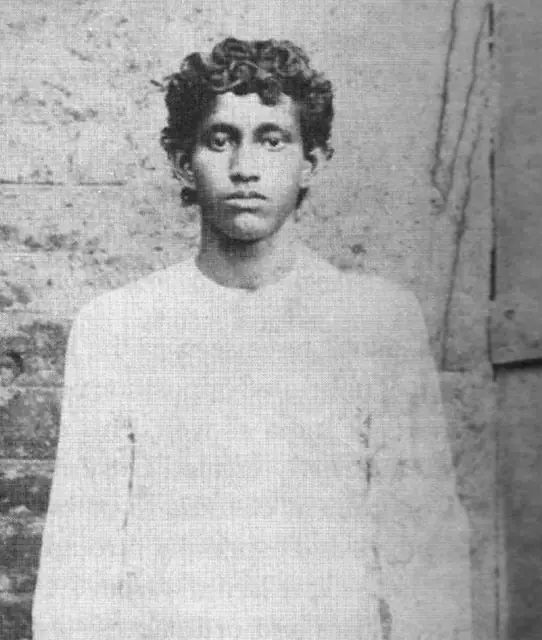
Bankim Chandra Chattopadhyay’s Anandamath of 1882 carried the hymn Vande Mataram, which became the cry of the freedom movement. The Indian National Congress first met at Bombay on 28 December 1885. Bal Gangadhar Tilak made Ganeshotsav a public festival in 1893 and began the Shivaji festival soon after; his line, Swaraj is my birthright and I shall have it, was heard across the land. When Curzon partitioned Bengal on 16 October 1905, Bengal answered with Swadeshi and the burning of foreign cloth, led by Lal, Bal and Pal. V. O. Chidambaram Pillai launched Indian steamships at Tuticorin in 1906. Khudiram Bose was hanged in 1908 at eighteen. The partition was undone in 1911.
05Revolutionaries and the gallows
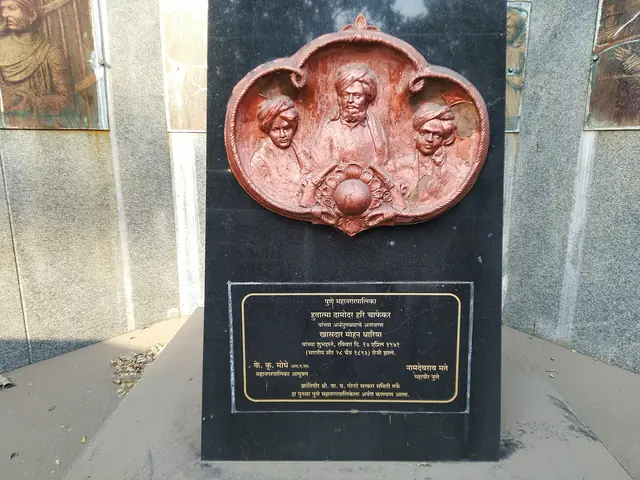
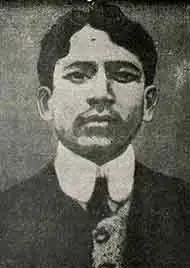
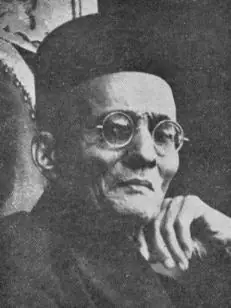
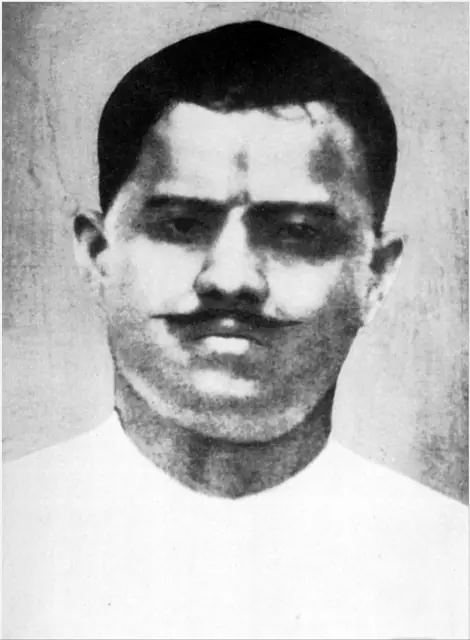
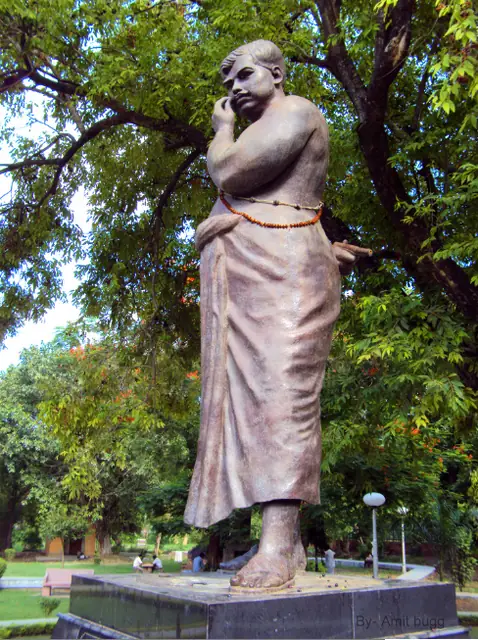
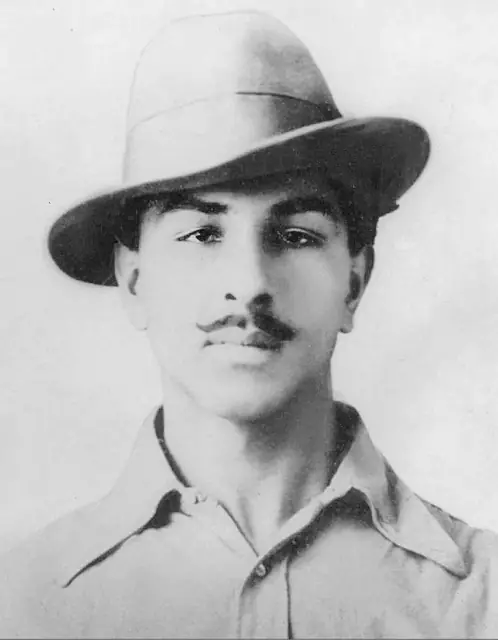
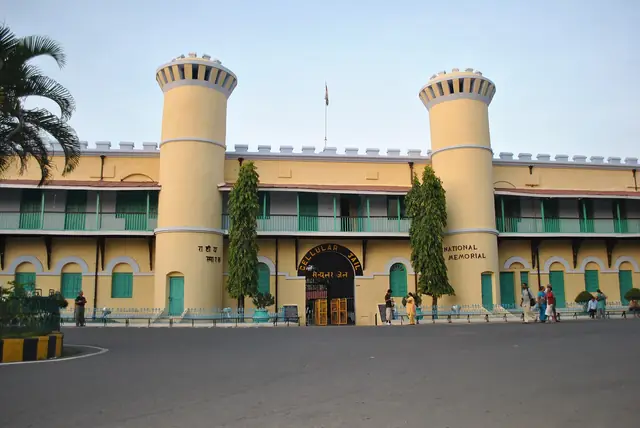
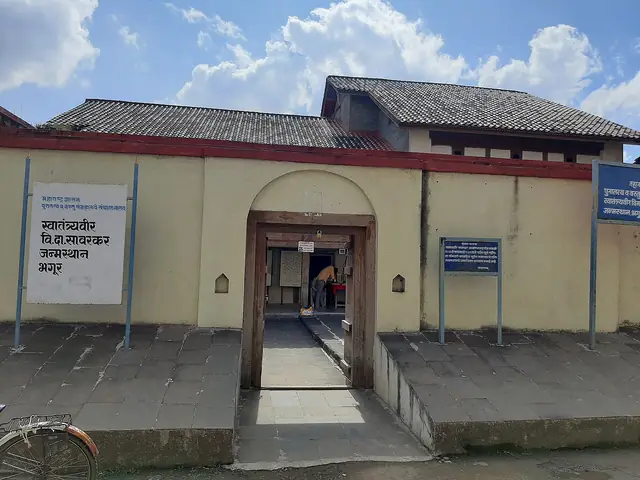
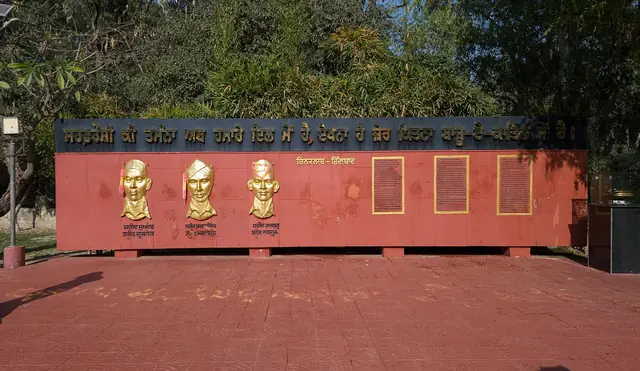
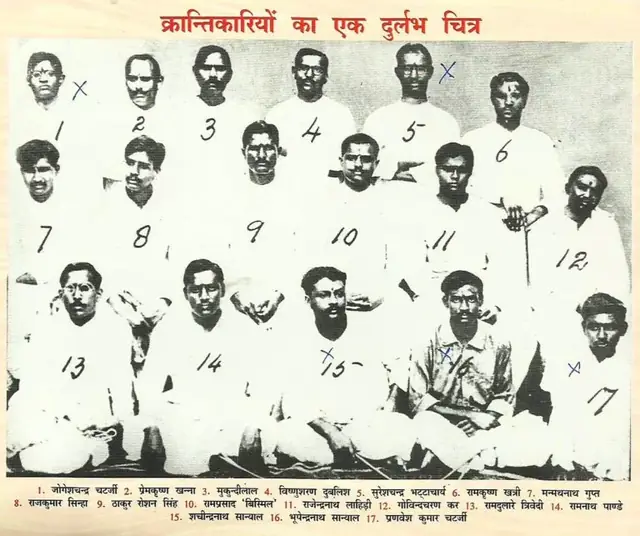
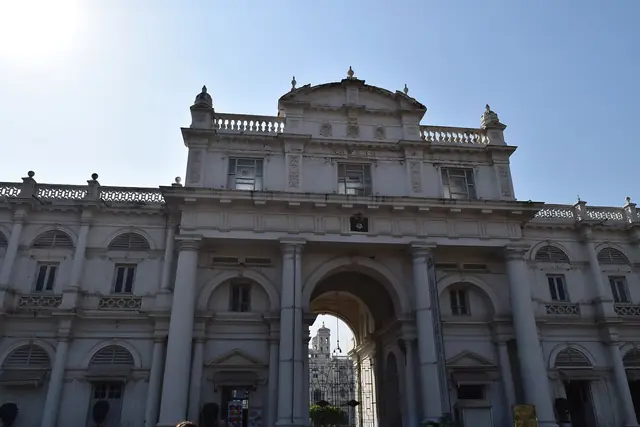
Madan Lal Dhingra shot Curzon Wyllie in London in 1909 and was hanged there. Savarkar was sent to the Cellular Jail in the Andamans in 1911. The Ghadar men sailed from America in 1914 to raise the army. After the Kakori train action of 9 August 1925, Ram Prasad Bismil, Ashfaqulla Khan, Rajendra Lahiri and Roshan Singh were hanged in December 1927. When Lala Lajpat Rai died in November 1928 after a police lathi charge in Lahore, Bhagat Singh and his comrades answered; Bhagat Singh, Rajguru and Sukhdev were hanged at Lahore on 23 March 1931. Chandrashekhar Azad died fighting in Allahabad’s Alfred Park that February, and in Chittagong Surya Sen seized the armoury in April 1930.
06Gandhi and the mass movements
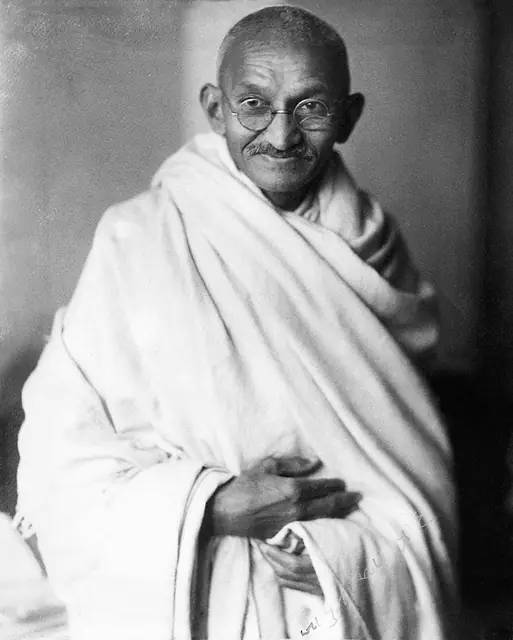
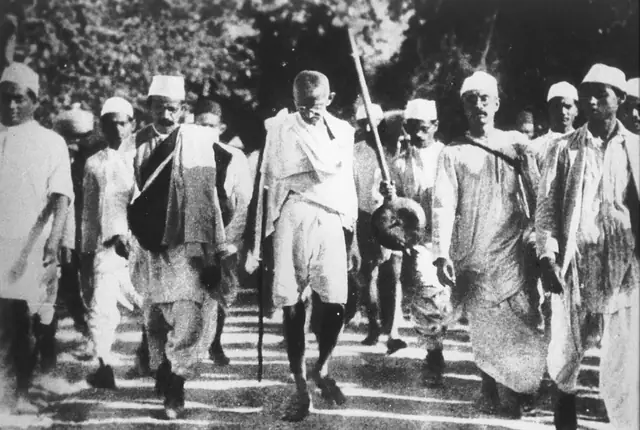
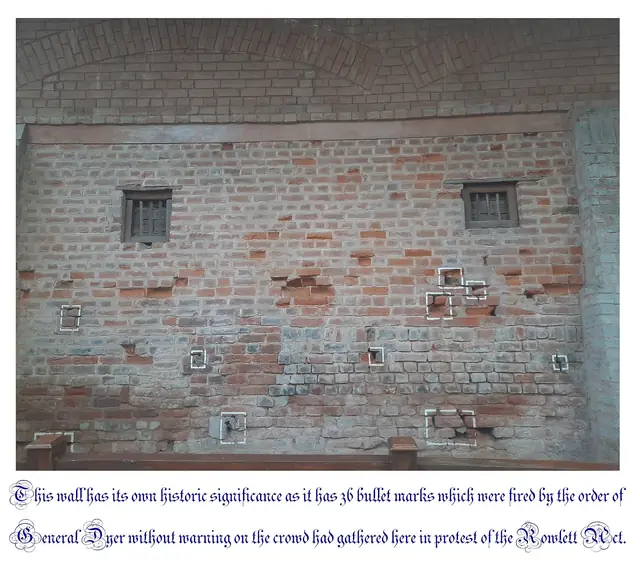
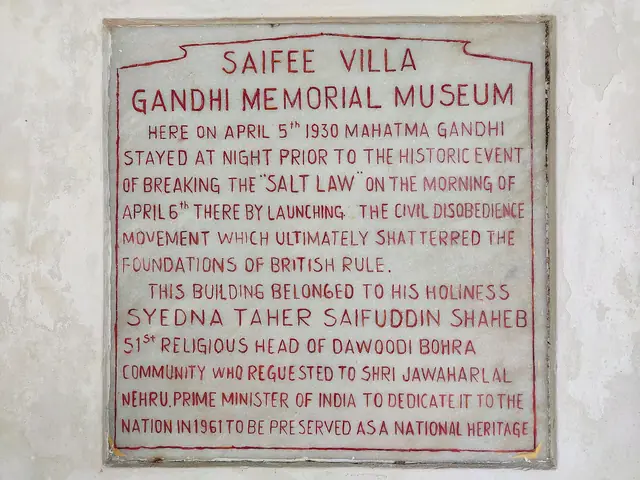
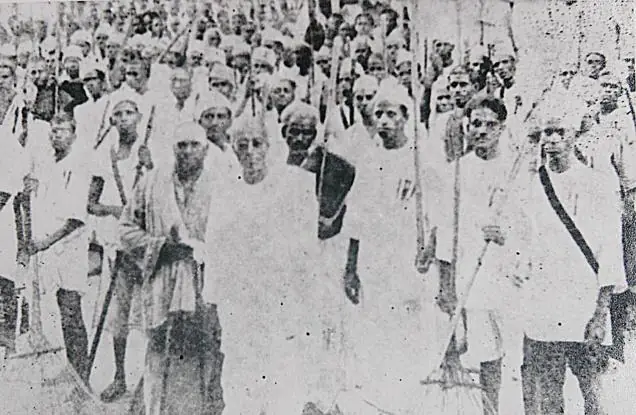
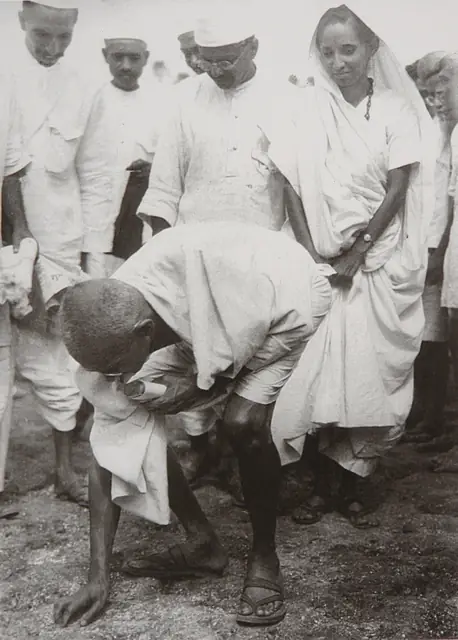
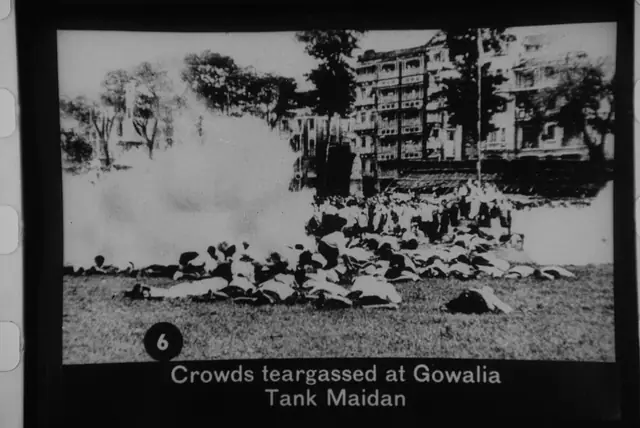
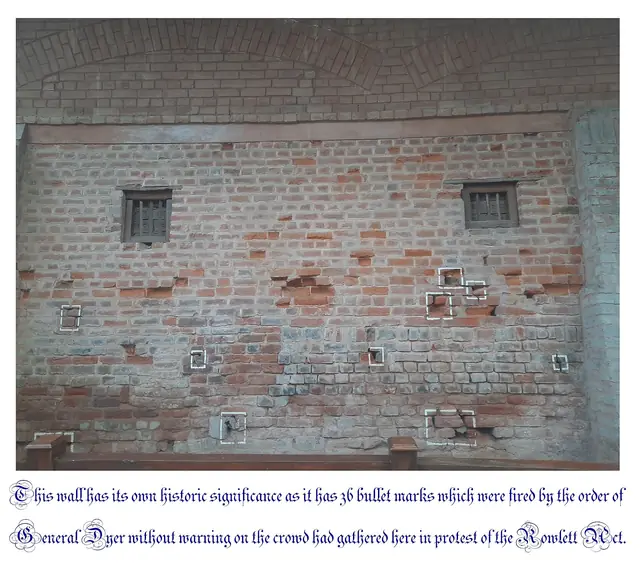
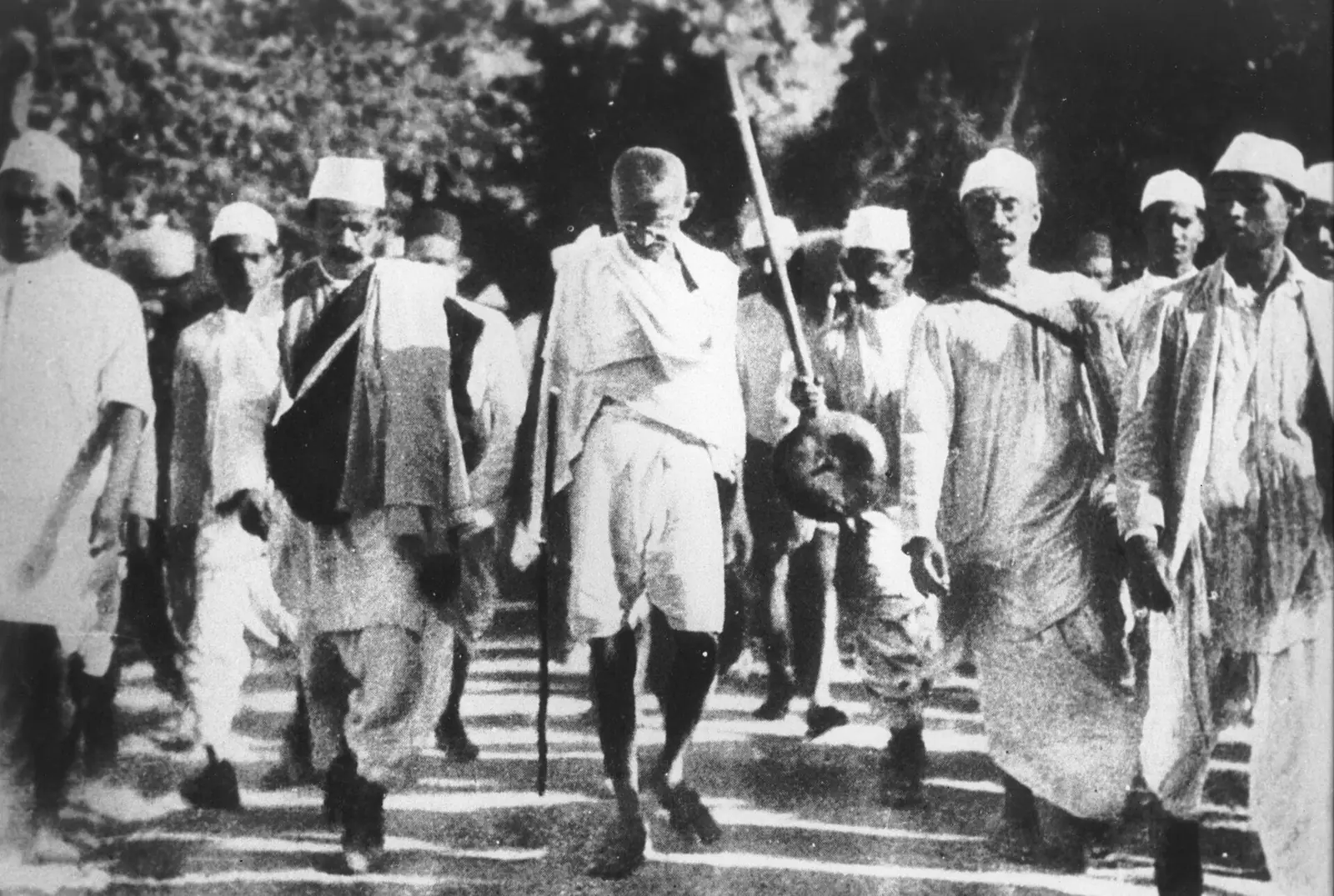
Mohandas Karamchand Gandhi came home from South Africa in 1915 and took up the indigo farmers’ cause at Champaran in 1917. On 13 April 1919, Baisakhi day, General Dyer’s troops fired on an unarmed crowd in Amritsar’s Jallianwala Bagh; the official count was 379 dead. The Non-cooperation movement followed in 1920–22. The Congress declared Purna Swaraj as its goal and observed 26 January 1930 as Independence Day. On 12 March 1930 Gandhi walked out of Sabarmati with seventy-eight followers and reached Dandi on 5 April; next morning he picked up salt from the shore, and more than sixty thousand people went to jail that year. On 8 August 1942 he gave the call to Quit India: do or die.
07Temple entry and Hindu society
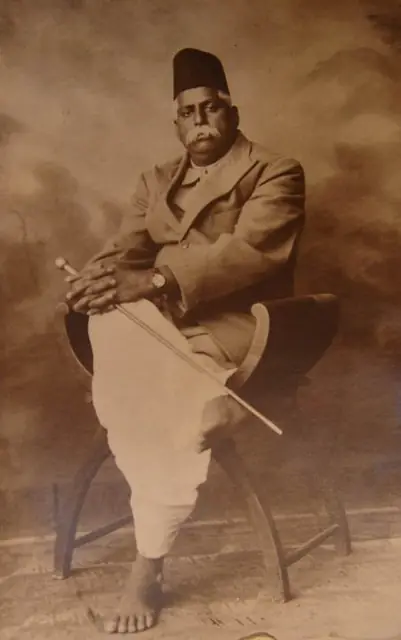
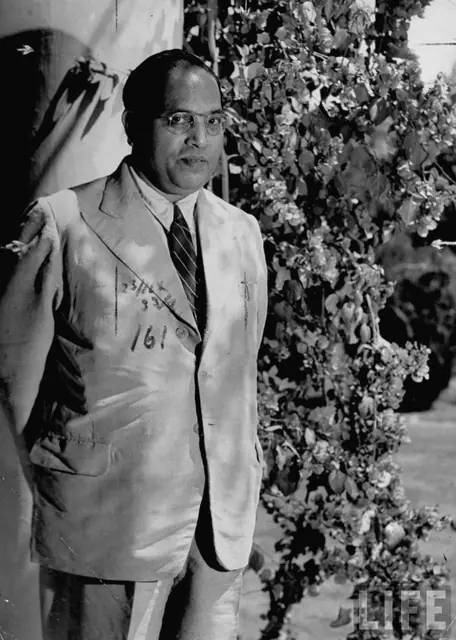
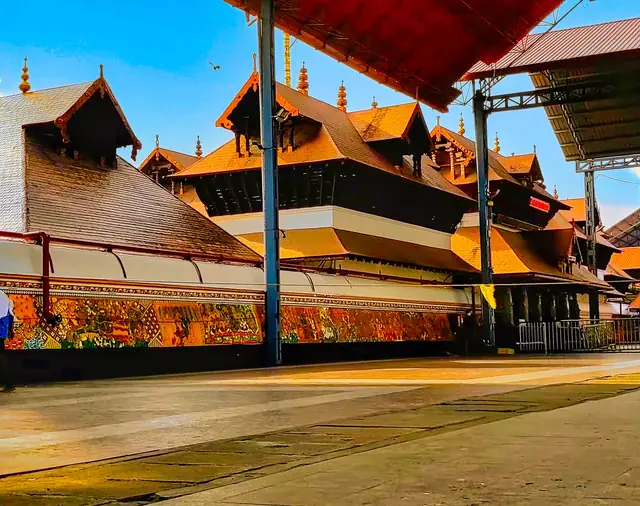
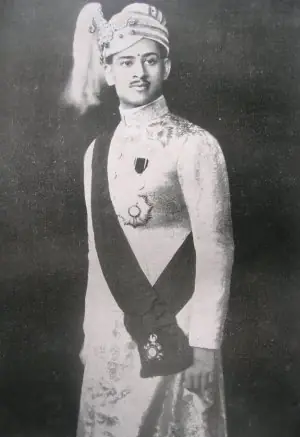
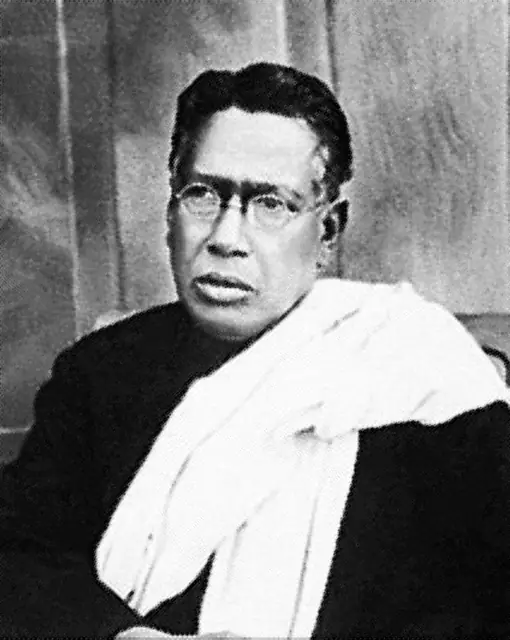
Hindus themselves fought to open the temple doors. The Vaikom Satyagraha of 1924–25 won the right to use the roads around the Vaikom Mahadeva temple; K. Kelappan led the Guruvayur Satyagraha of 1931–32, and B. R. Ambedkar the Kalaram temple satyagraha at Nashik from 1930. On 12 November 1936 Maharaja Chithira Thirunal of Travancore opened every state temple to all Hindus by proclamation. In 1925 K. B. Hedgewar founded the Rashtriya Swayamsevak Sangh at Nagpur. In Malabar in 1921 a rising against the British turned on Hindu neighbours, with killings, forced conversions and temples desecrated, as C. Gopalan Nair recorded in 1923.
08Poets and scientists
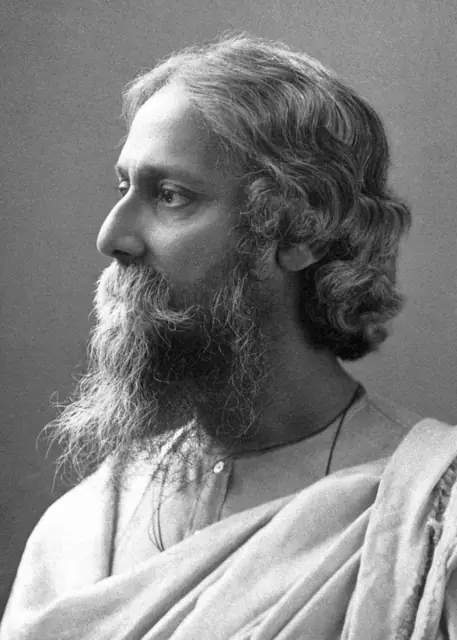
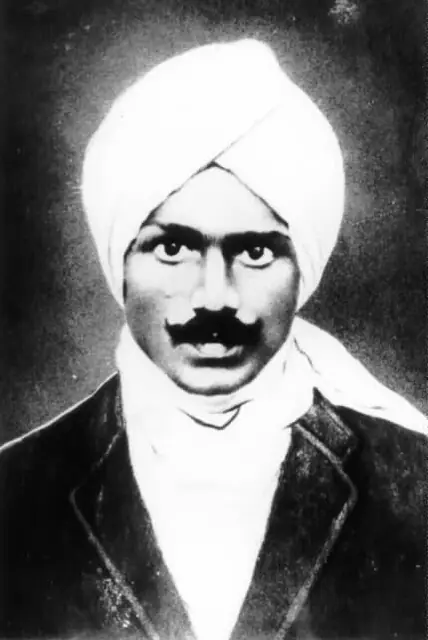
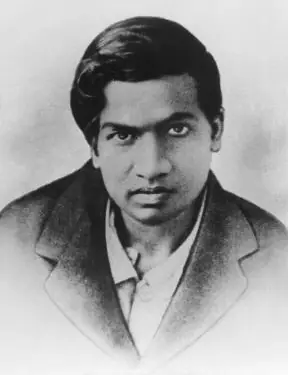
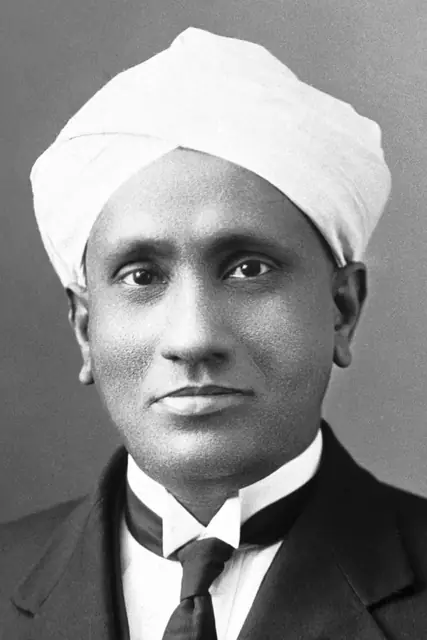
Rabindranath Tagore won the Nobel Prize for Literature in 1913 for Gitanjali. Subramania Bharati sang freedom in Tamil until his death in 1921. Srinivasa Ramanujan, a clerk from Kumbakonam, went to Cambridge in 1914 and filled notebooks with theorems that mathematicians are still proving; he died in 1920, aged thirty-two. Jagadish Chandra Bose showed millimetre-wave radio in 1895 and measured the responses of plants. C. V. Raman discovered the scattering of light that bears his name on 28 February 1928, now National Science Day, and won the Nobel Prize in 1930. Meghnad Saha’s ionisation equation and Satyendra Nath Bose’s statistics of 1924 changed physics.
09Netaji and the last years
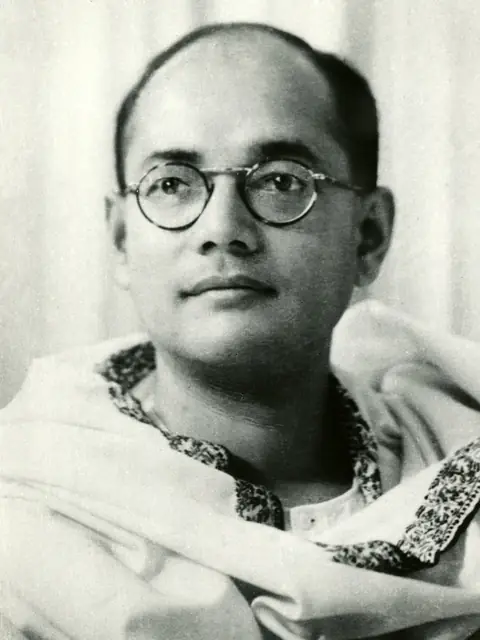
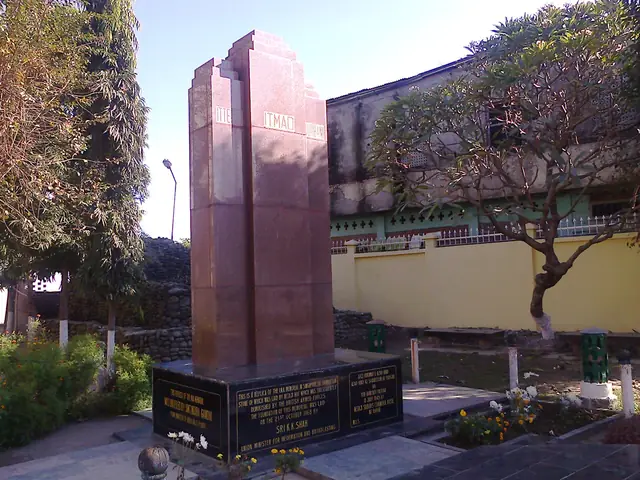
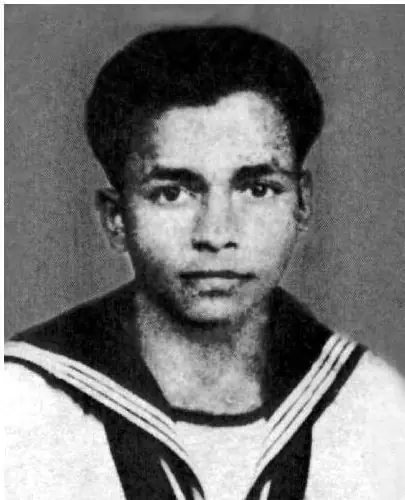
Subhas Chandra Bose escaped house arrest in Calcutta in January 1941 and reached Germany and then Southeast Asia. On 21 October 1943 in Singapore he proclaimed the Provisional Government of Azad Hind, and the Indian National Army fought alongside the Japanese at Imphal and Kohima in 1944. When the British tried three INA officers, a Hindu, a Muslim and a Sikh, at the Red Fort in November 1945, the whole country rose for them, and in February 1946 the ratings of the Royal Indian Navy mutinied at Bombay. The British knew the army could no longer be trusted to hold Bharat. On 16 August 1946, Direct Action Day, about four thousand people were killed in Calcutta; that October, Hindus were massacred in Noakhali, and Gandhi walked its villages barefoot.
1015 August 1947
The plan of 3 June 1947 divided Bharat. The Indian Independence Act received royal assent on 18 July, and at midnight between 14 and 15 August 1947 power passed to two dominions, India and Pakistan. Bharat became free with the Punjab and Bengal cut in two, and with the trains of refugees already moving in both directions. The tricolour went up over the Red Fort on 15 August. Gandhi spent the day in Calcutta, fasting and spinning, trying to keep the peace.
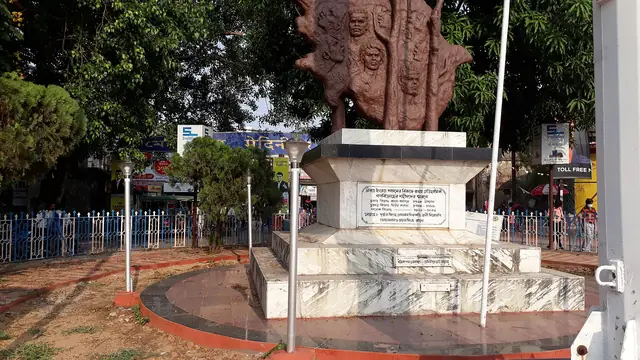
What survives today
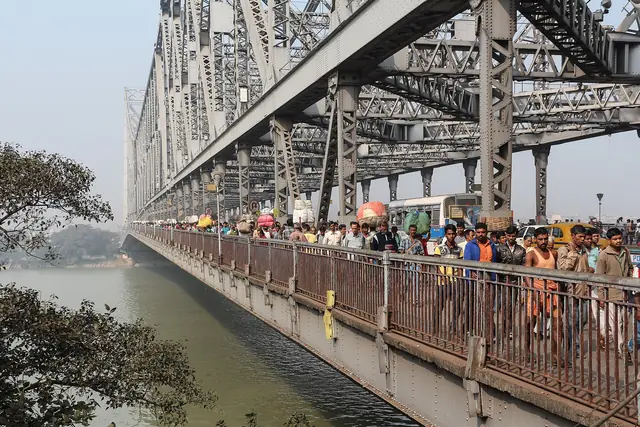
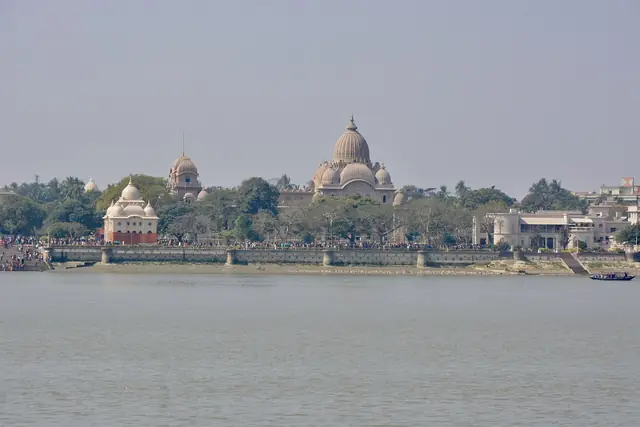
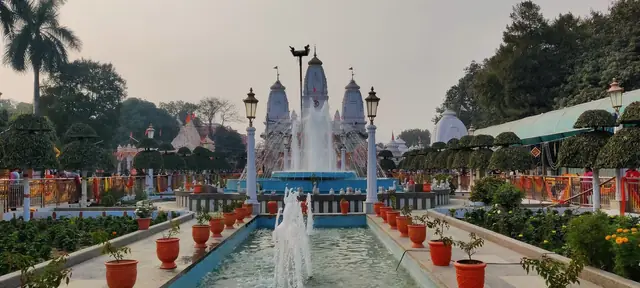
- Dakshineswar and Belur Math, Kolkata
- The Vivekananda Rock Memorial at Kanyakumari, where he meditated in 1892
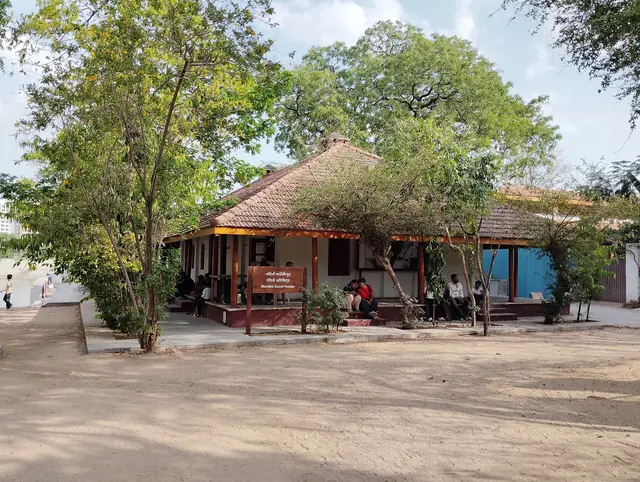
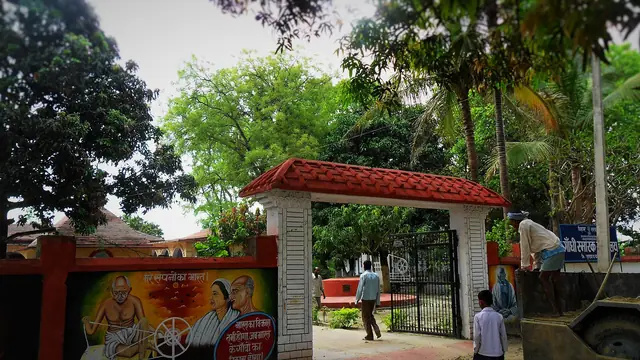
- Sabarmati Ashram and the salt shore at Dandi
- Jallianwala Bagh, with its bullet-marked walls and well
- The Cellular Jail, Port Blair
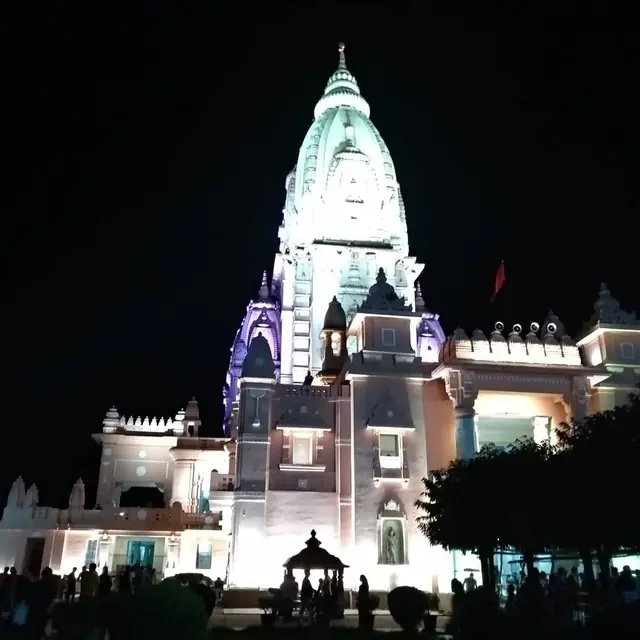
- Banaras Hindu University and Gita Press, Gorakhpur
- The Hussainiwala memorial to Bhagat Singh, Rajguru and Sukhdev
- Vande Mataram and Jana Gana Mana, sung in every school