01Chandragupta and Chanakya
Chandragupta took Pataliputra around 321 BCE and turned west. The Greek garrisons Alexander left in the Punjab were gone within a few years. When Seleucus Nicator crossed the Indus to win them back, about 305 BCE, he ended by making a treaty instead: he gave up Arachosia, Gedrosia and the Paropamisadae, roughly today’s Kandahar, Baluchistan and Kabul, and received 500 war elephants. Megasthenes came to Pataliputra as Seleucus’s envoy and described a city of timber walls along the river with 570 towers and 64 gates. The Arthashastra of Kautilya gives the theory of the state Chanakya built.
02Bindusara and the south
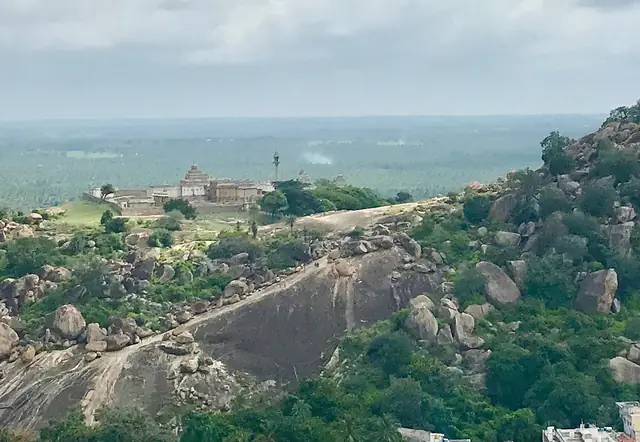
Jain tradition says Chandragupta gave up the throne, went south with the acharya Bhadrabahu during a twelve-year famine, and ended his life by sallekhana on Chandragiri at Shravanabelagola, where the hill still bears his name. His son Bindusara, called Amitraghata, slayer of foes, carried the empire deep into the Deccan; when Ashoka came to the throne the only large land outside it in the peninsula was the far south of the Cholas, Pandyas, Satiyaputras and Keralaputras, whom Ashoka names as neighbours.
03Ashoka after Kalinga
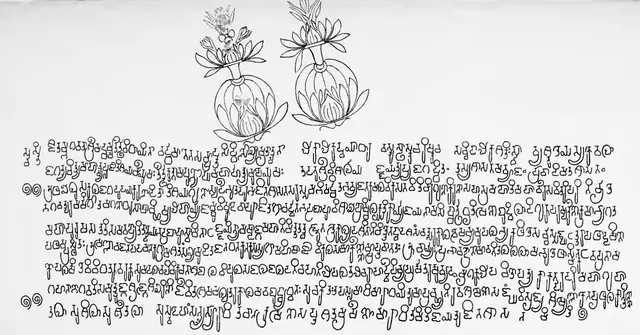
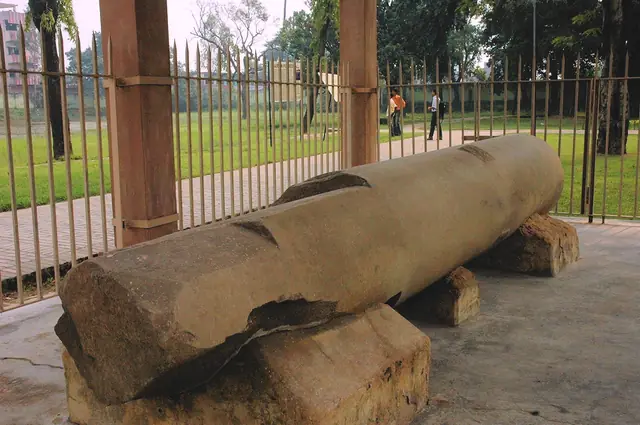
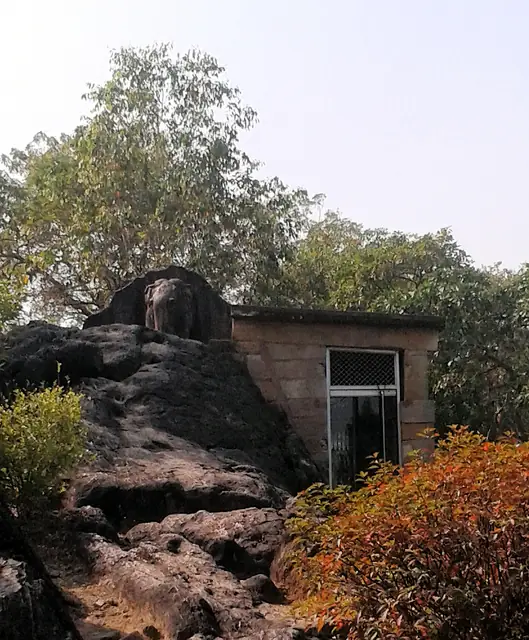
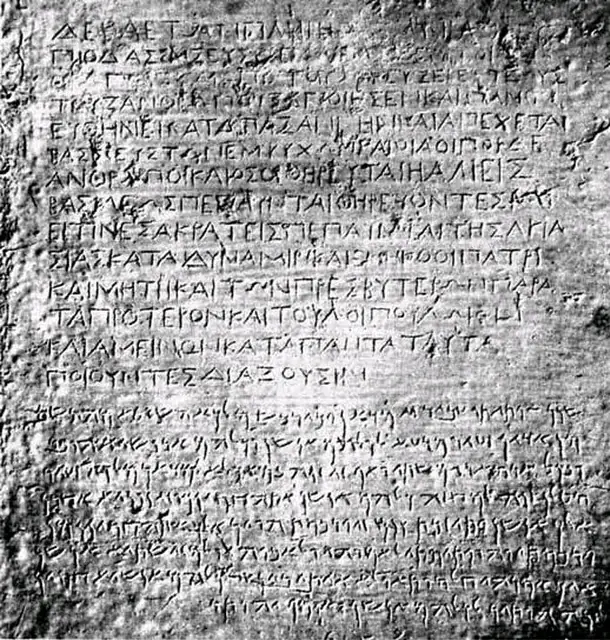
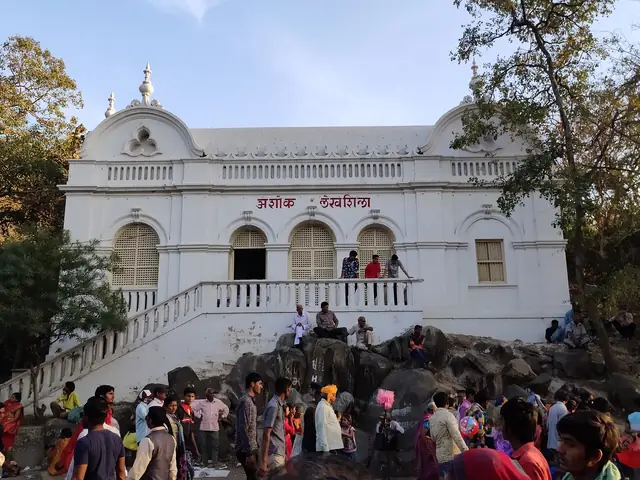
Eight years after his coronation, about 261 BCE, Ashoka conquered Kalinga. His own thirteenth rock edict counts the cost: 1,50,000 people carried away, 1,00,000 killed, many times that number dead afterwards. He wrote that he felt remorse, and from then on he governed by dhamma, sending dhamma-mahamattas through the empire and missions abroad, among them his son Mahinda to Lanka. The twelfth rock edict asks all sects to honour one another and restrain their speech about others. The edicts are in Brahmi, and in Kharoshthi, Greek and Aramaic in the northwest, and they were read again only in 1837 when James Prinsep deciphered Brahmi.
04Decline and the last Maurya
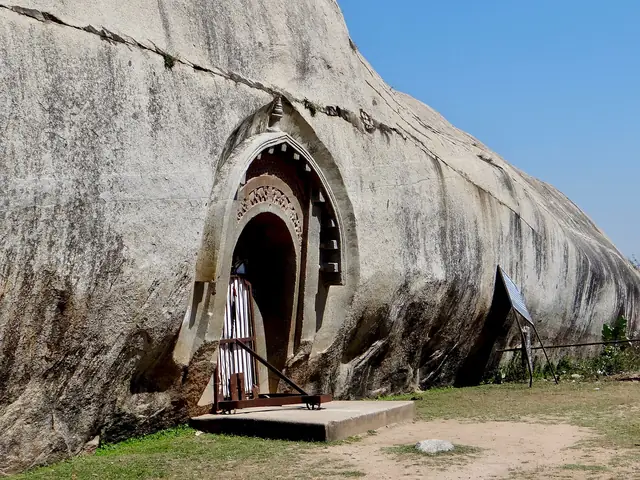
After Ashoka the empire split between heirs. Dasharatha, his grandson, gave caves in the Nagarjuni hills to the Ajivikas and had them inscribed with his name. Samprati is honoured in Jain tradition as a great builder of Jain shrines. Within fifty years the outer provinces had slipped away and Greek kings from Bactria were raiding the northwest. Bana’s Harshacharita says the last Maurya, Brihadratha, was killed by his own senapati Pushyamitra while reviewing the army, about 185 BCE.
The rulers
- 1Chandragupta MauryaFounder; treaty with Seleucusc. 321–297 BCE
- 2BindusaraAmitraghata; extended rule into the Deccanc. 297–273 BCE
- 3AshokaKalinga war; rock and pillar edictsc. 268–232 BCE
- 4DasharathaNagarjuni caves for the Ajivikasc. 232–224 BCE
- 5SampratiPatron of Jain shrines in Jain traditionc. 224–215 BCE
- 6Shalishukac. 215–202 BCE
- 7Devavarmanc. 202–195 BCE
- 8Shatadhanvanc. 195–187 BCE
- 9BrihadrathaKilled by his senapati Pushyamitrac. 187–185 BCE
What they left
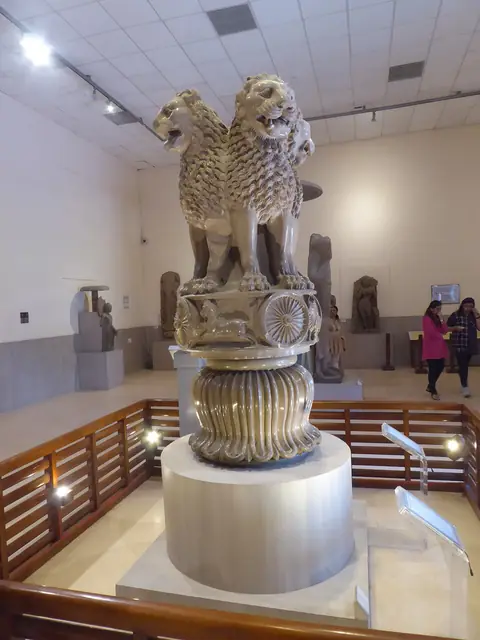
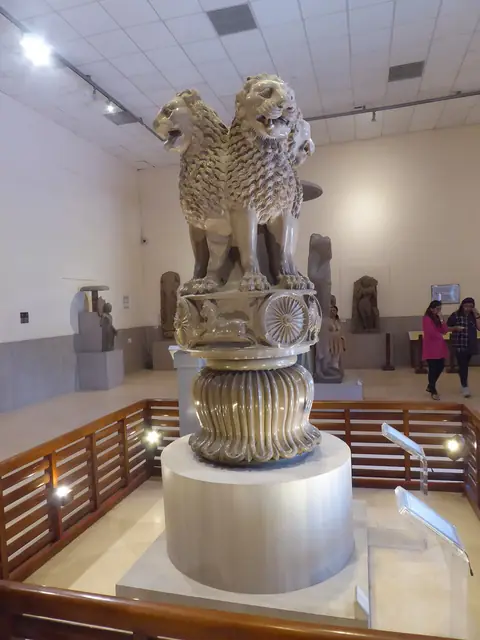
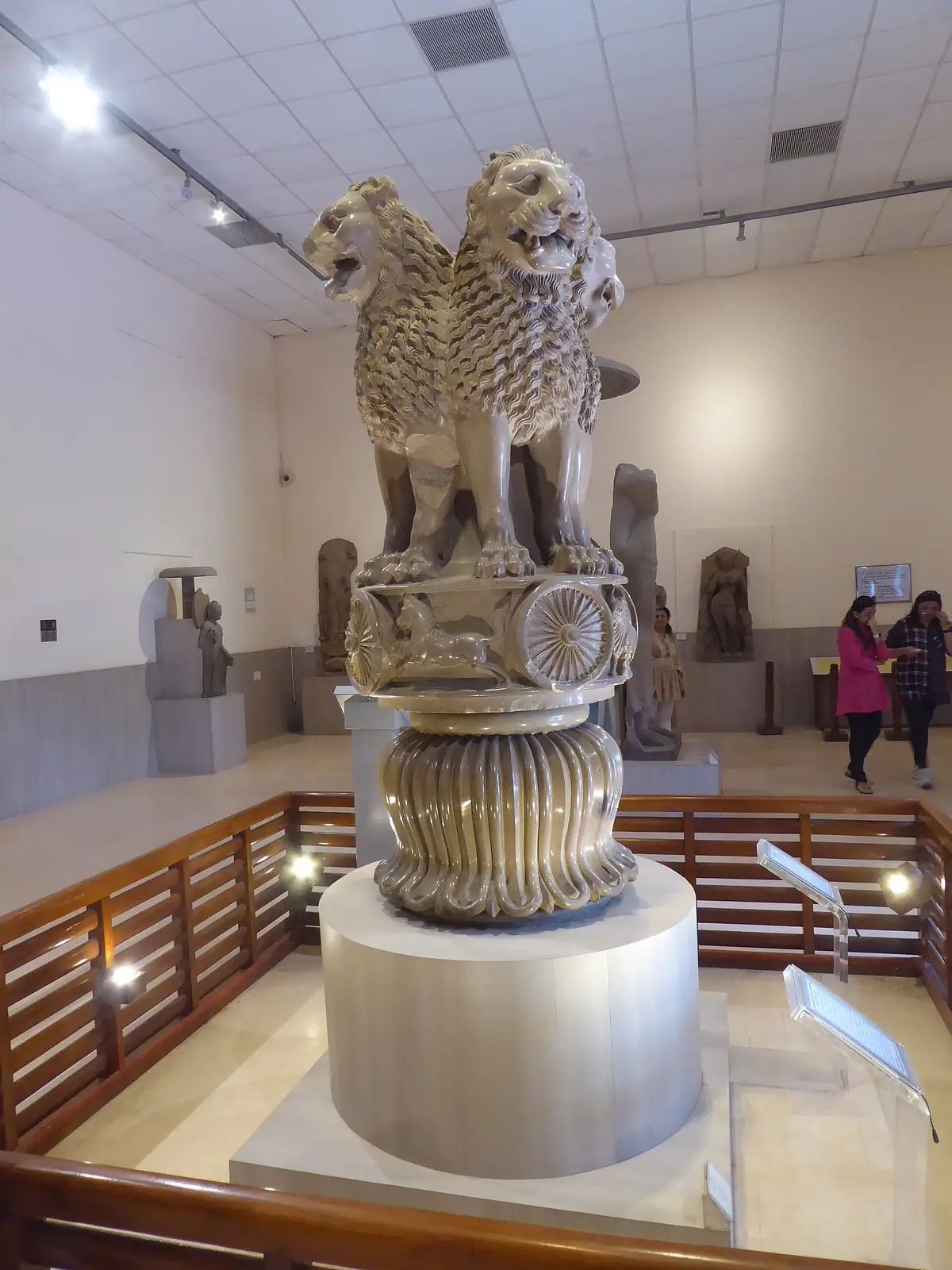
- The Lion Capital of Sarnath, now the national emblem of India
- Ashoka’s rock and pillar edicts, the oldest deciphered writing of India
- The Arthashastra and a model of the centralised state
- The Sudarshana lake at Girnar, begun under Chandragupta’s governor Pushyagupta
- The Barabar and Nagarjuni rock-cut caves