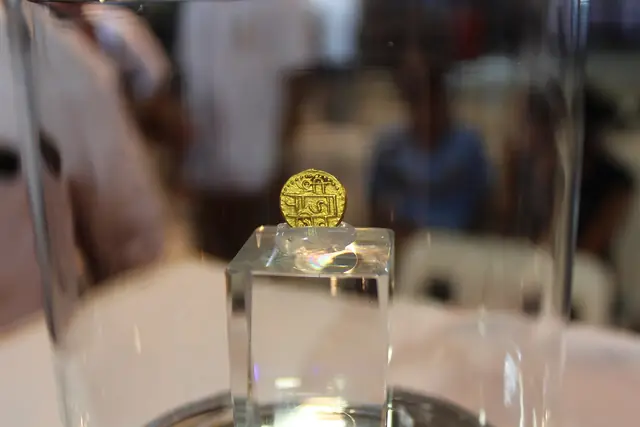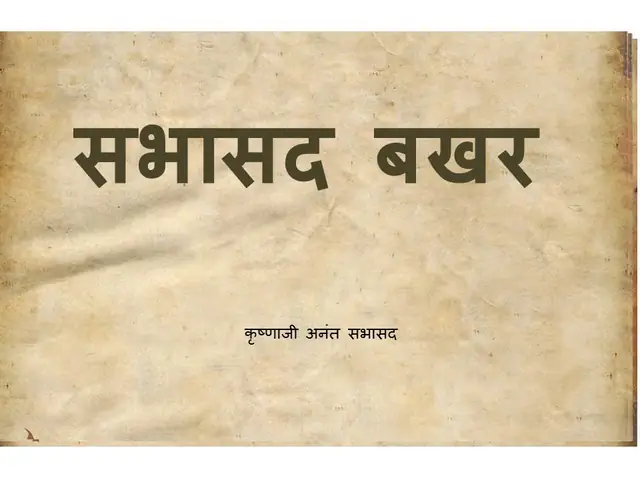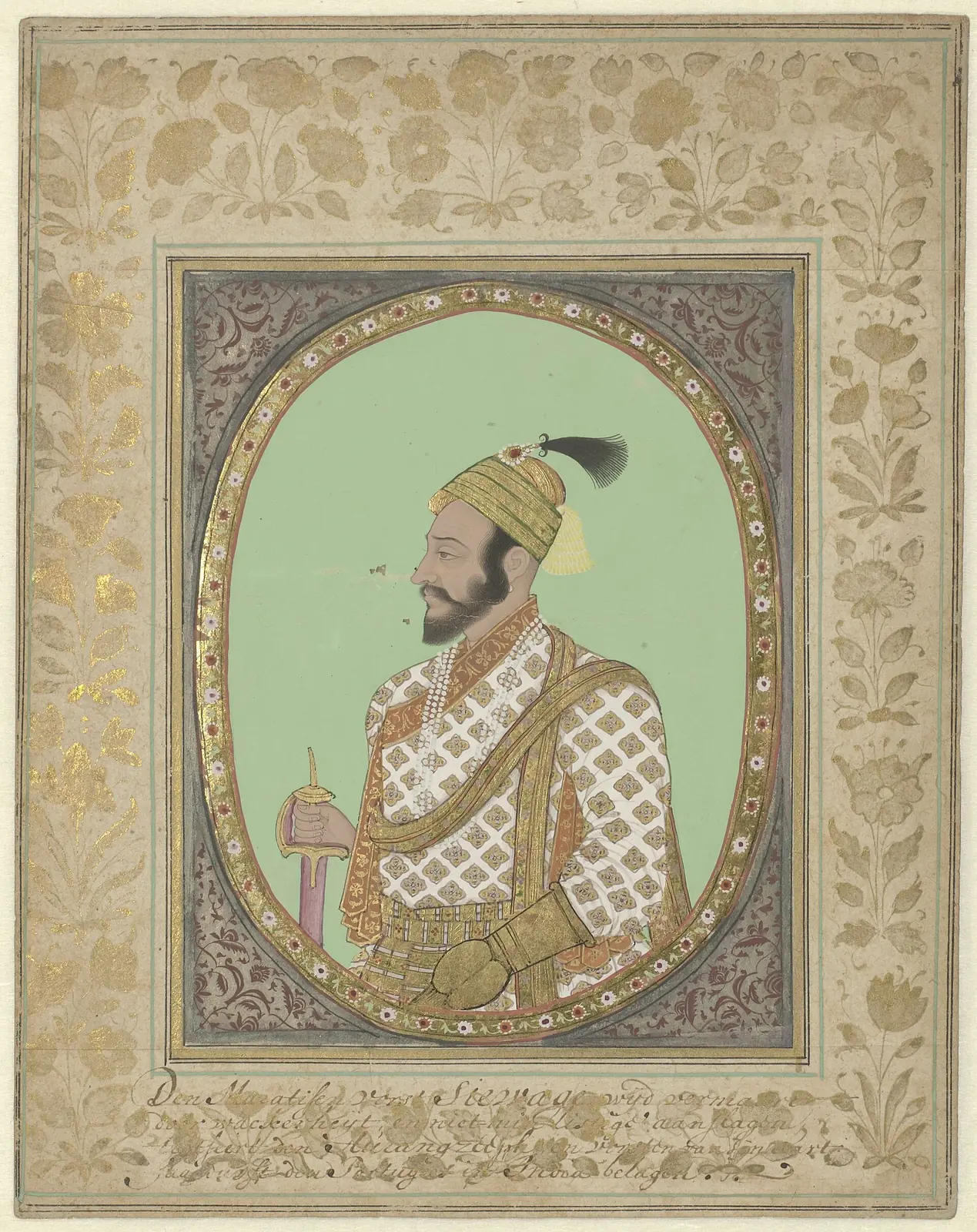
01Shivneri to Torna
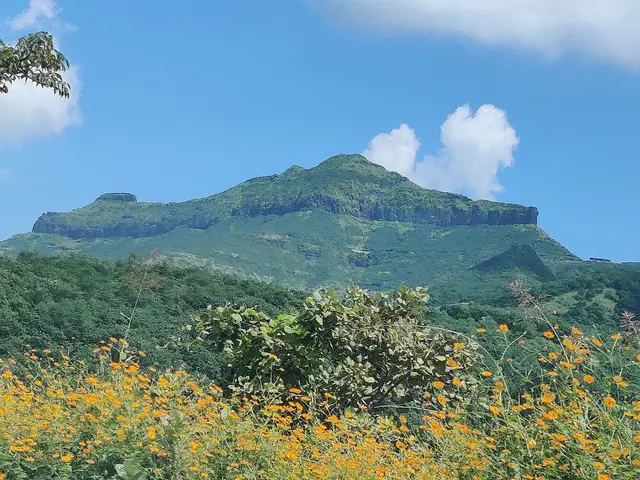
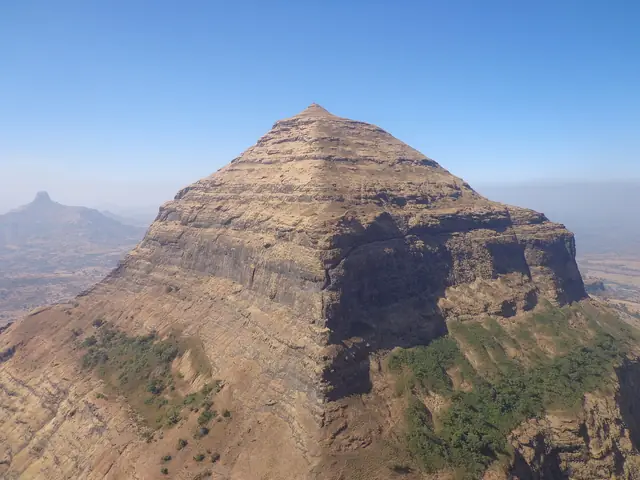
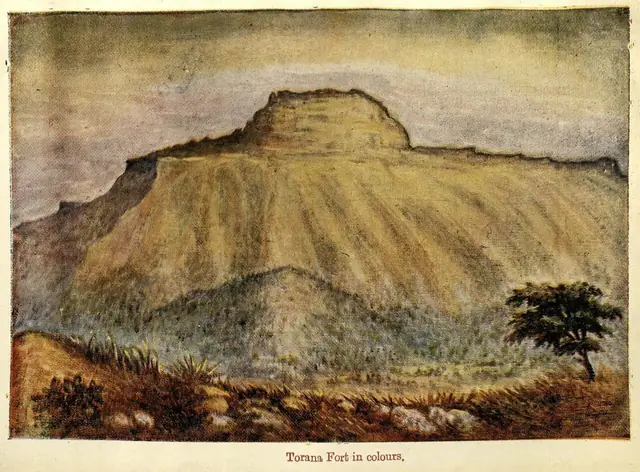
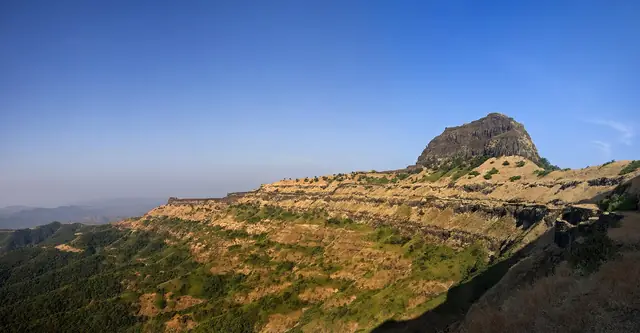
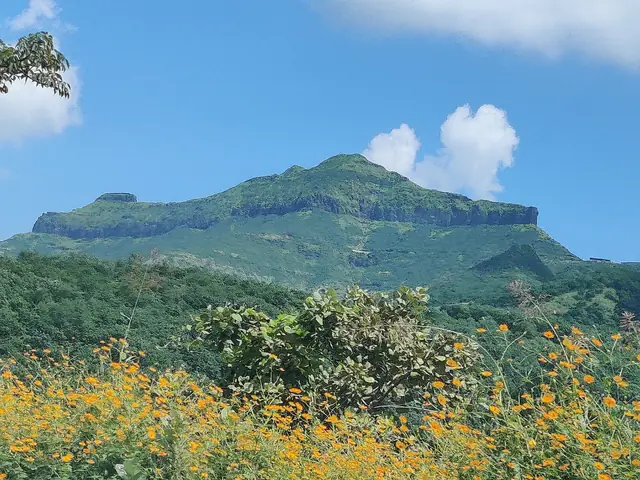
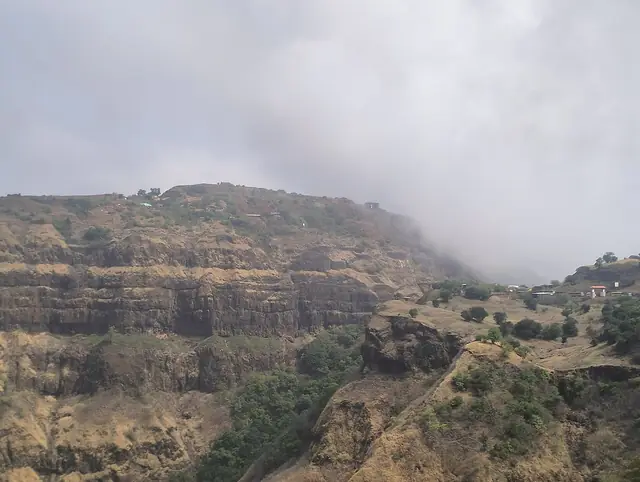
Shivaji was born on 19 February 1630 in the fort of Shivneri above Junnar, the son of Shahaji Bhosale, a general of the Sultans, and Jijabai of the Jadhav house of Sindkhed. He grew up at Pune with his mother and the administrator Dadoji Konddev, among the Mavle, the hill men of the Sahyadri valleys. Jijabai raised him on the Ramayana and the Mahabharata. Around 1646, still a teenager, he took Torna fort from Bijapur and with the treasure found there began building Rajgad. One by one Kondhana, Purandar and the forts of the Maval came under his flag, the saffron Bhagwa Jhenda.
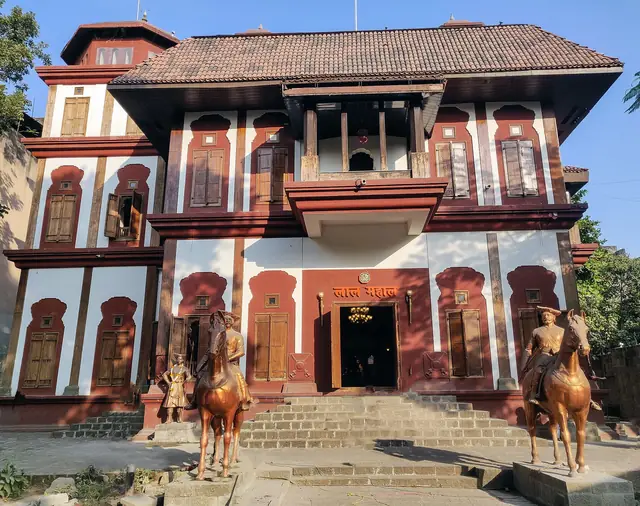
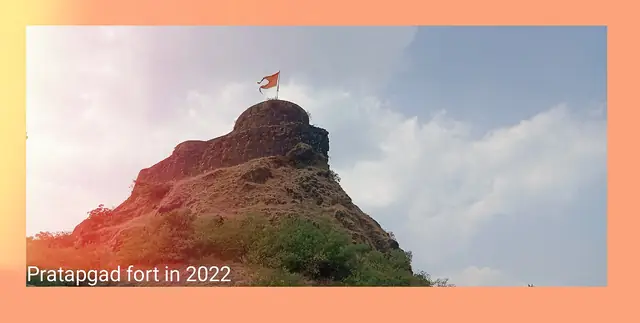
02Pratapgad, Pavan Khind, Lal Mahal
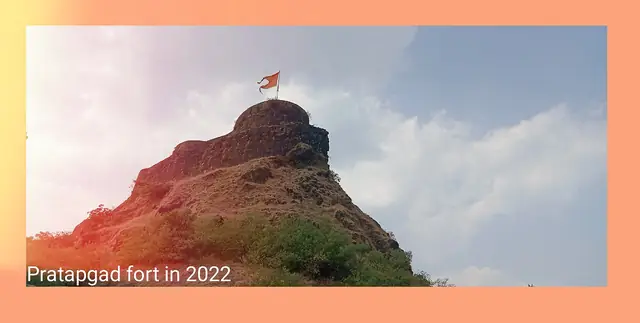
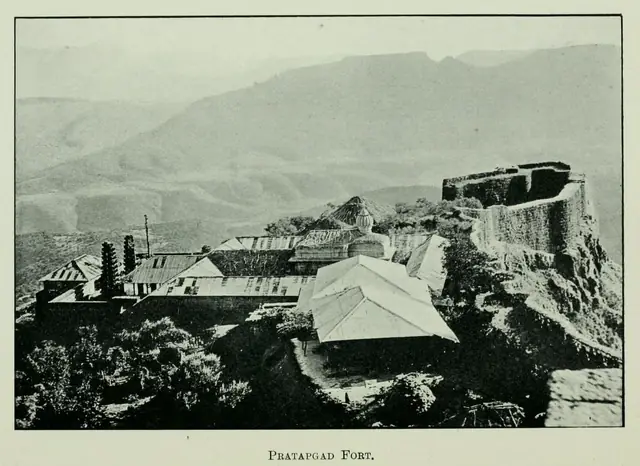
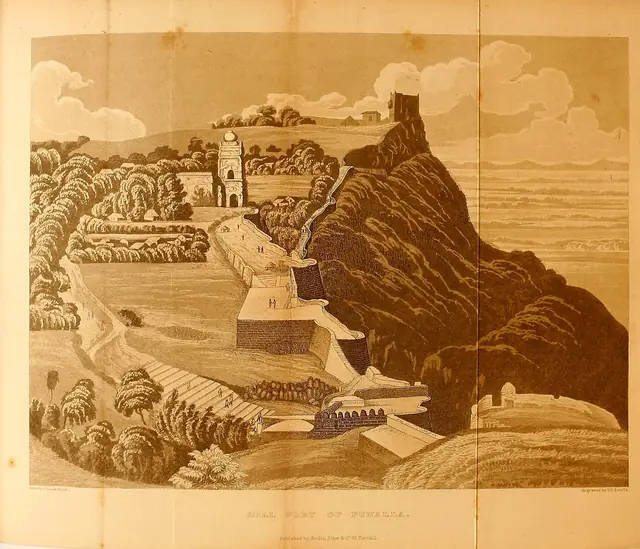
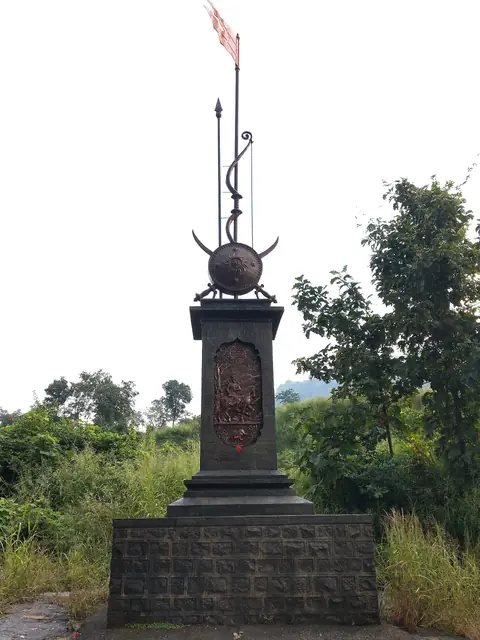
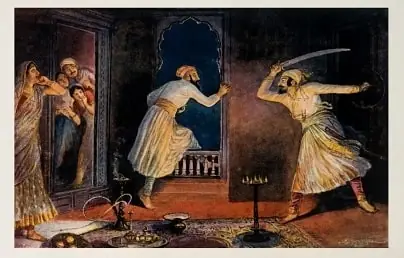
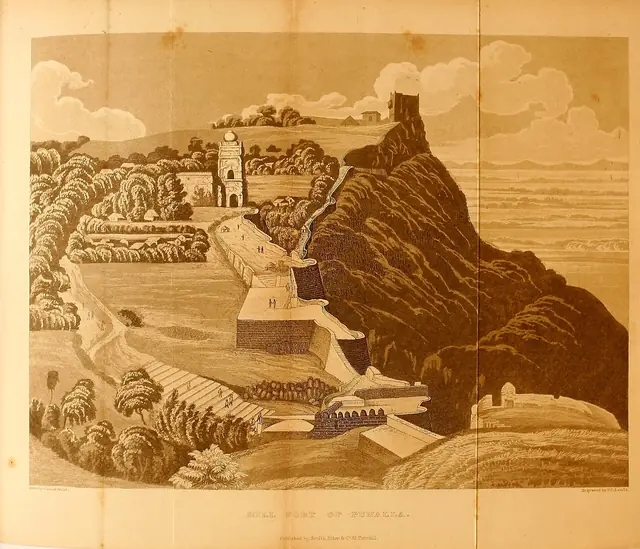
In 1659 Bijapur sent Afzal Khan, who sacked the temples of Tuljapur and Pandharpur on his way. Shivaji drew him into the forests below Pratapgad and met him in a tent on 10 November 1659; when Afzal Khan seized him, Shivaji killed him with the steel tiger-claws (waghnakh) he wore hidden, and his men destroyed the Bijapuri army in the jungle. In July 1660, trapped in Panhala, he broke out at night for Vishalgad while Baji Prabhu Deshpande held the pass behind him to the death. In April 1663 he slipped into the Lal Mahal at Pune, where the Mughal general Shaista Khan was camped, and wounded him in his own quarters.
03Agra and the return
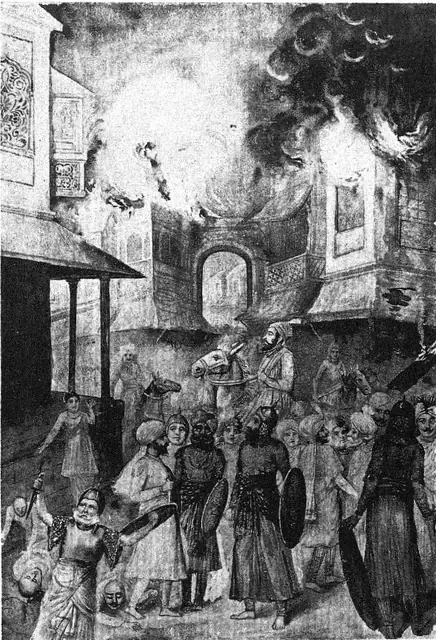
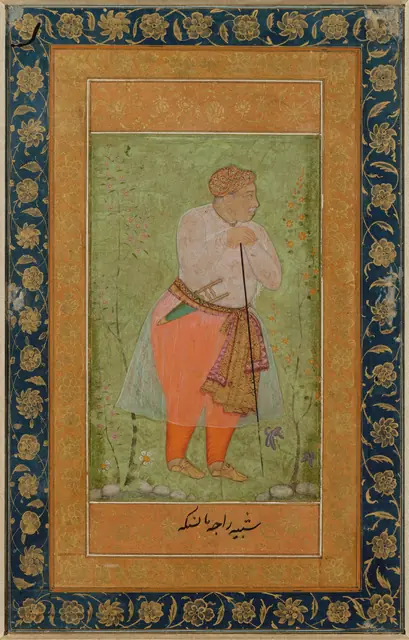
In 1664 he struck Surat, the richest Mughal port. Aurangzeb sent Mirza Raja Jai Singh of Amber, and after the siege of Purandar Shivaji signed the treaty of June 1665, giving up twenty-three forts. In 1666 he went to Agra, was insulted at court and held under guard; on 17 August 1666 he escaped, by the account of the chronicles hidden in baskets of sweets, and made his way home in disguise. From 1670 he took the forts back: Tanaji Malusare stormed Kondhana in February 1670, and Surat was struck again that October. In 1672 his army beat the Mughals in open field at Salher.
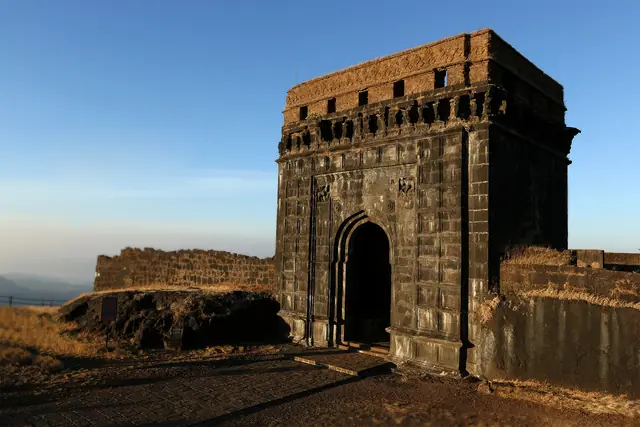
04Chhatrapati at Raigad
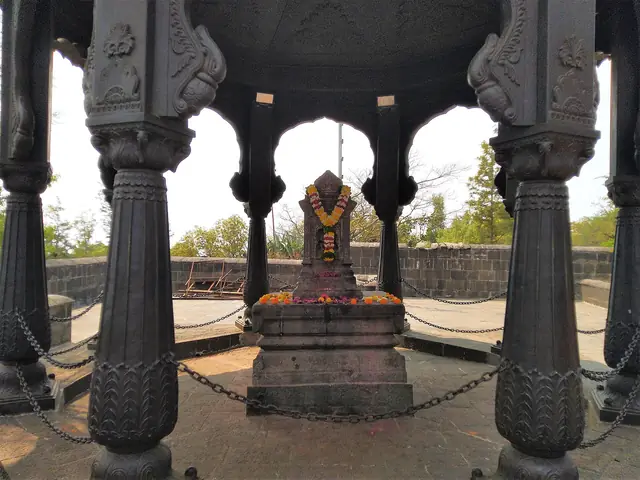
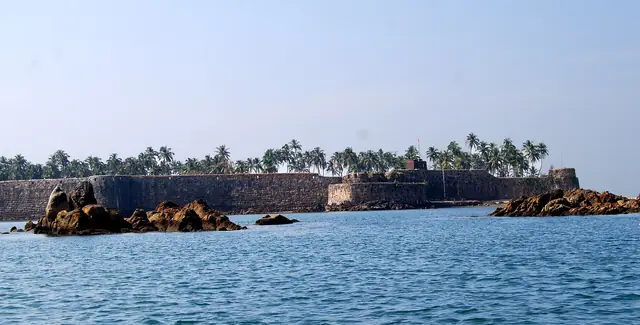
On 6 June 1674 Gaga Bhatt of Kashi performed the rajyabhishek at Raigad, and Shivaji became Chhatrapati, a crowned Hindu king in the Deccan after more than three centuries. A new era, the Rajyabhisheka Shaka, was begun, and the court used Marathi and Sanskrit in place of Persian, with a new official lexicon, the Rajavyavahara Kosha. He governed through a council of eight ministers, the Ashta Pradhan, built a navy and sea forts such as Sindhudurg, and in his southern campaign of 1677–78 took Jinji and Vellore. He died at Raigad on 3 April 1680. His samadhi is on the fort.