01Sukaphaa and the moidams
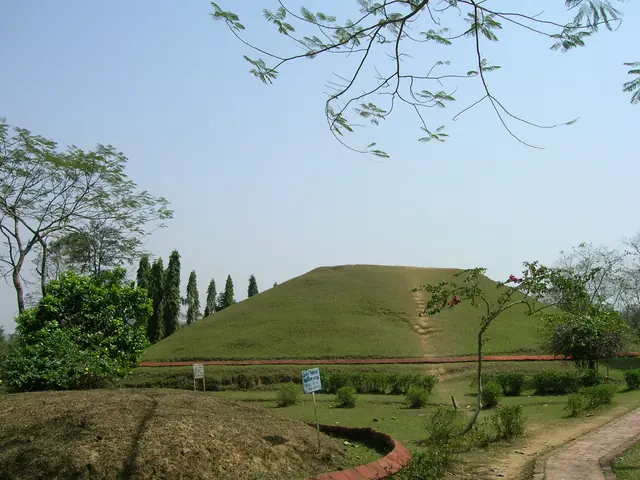
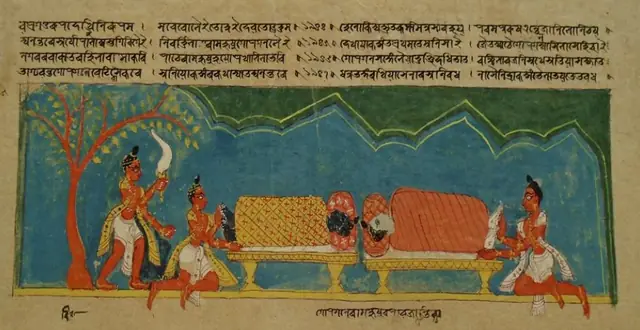
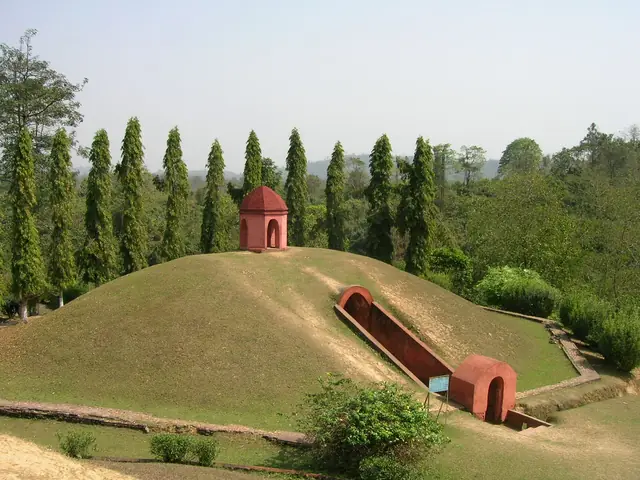
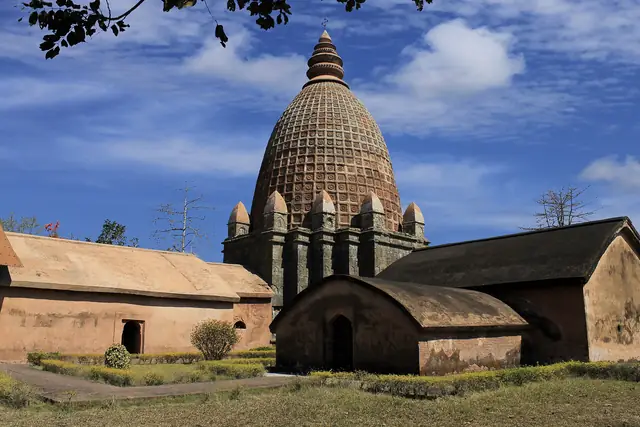
Sukaphaa settled at Charaideo in 1253 and made it the first capital. Long after the court moved down to the plains, kings and queens were still carried back to Charaideo to be buried in moidams, great earthen mounds over vaulted brick chambers. In 2024 the moidams of Charaideo were inscribed as a UNESCO World Heritage Site. The Ahoms kept court chronicles, the Buranjis, first in the Tai Ahom language and later in Assamese, year by year, a habit almost no other medieval Indian court had.
02Holding the valley
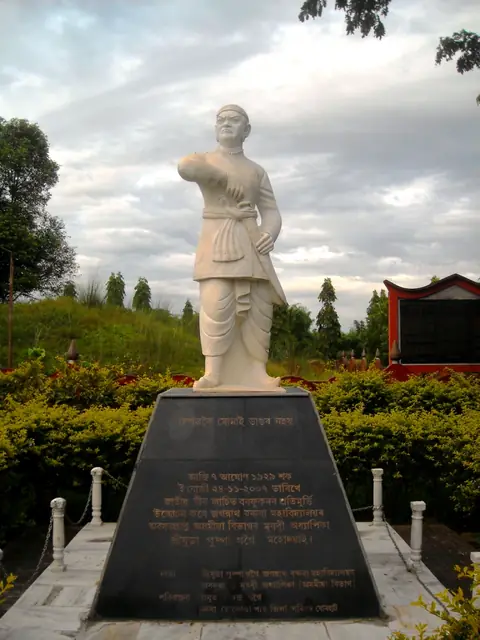
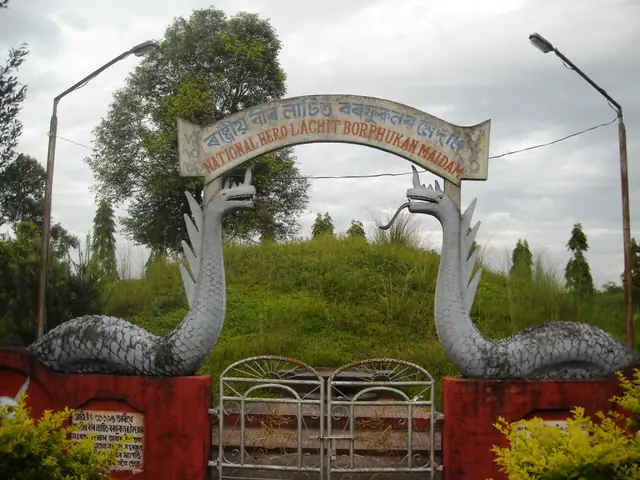
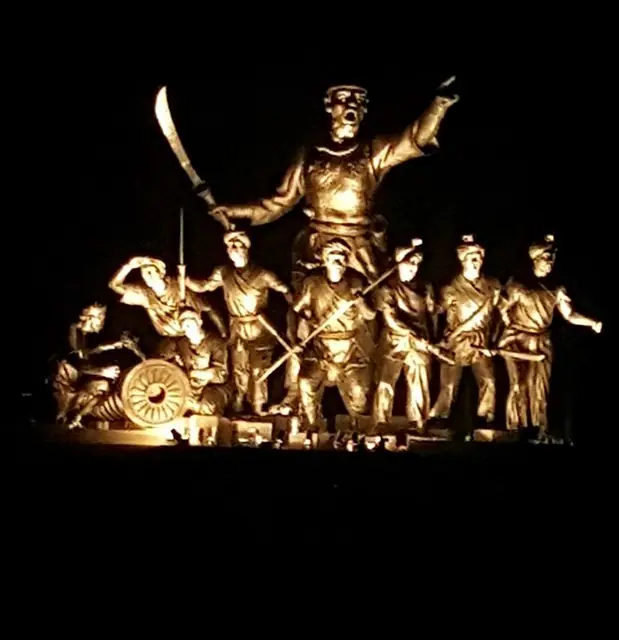
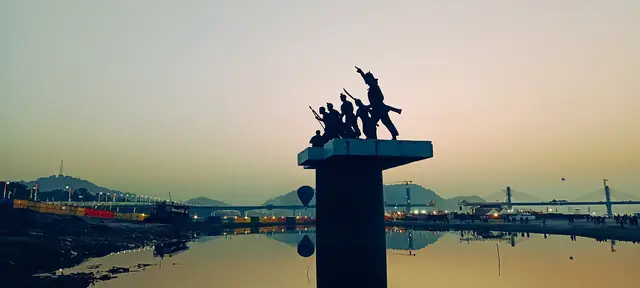
Suhungmung, the Dihingia Raja, took the Chutia country in 1523 and threw back Turkic raiders from Bengal. Mir Jumla, Aurangzeb’s general, took the capital Garhgaon in 1662, but the rains, disease and Ahom raids wore his army down and he died on the way back. Chakradhwaj Singha refused to live under the treaty that followed. Guwahati was retaken, and at Saraighat in 1671 Lachit Borphukan, sick and carried to the front, broke Ram Singh’s Mughal fleet on the Brahmaputra. Gadadhar Singha’s men won at Itakhuli in 1682, and the Mughals never came back past the Manas.
03Temples, then the fall
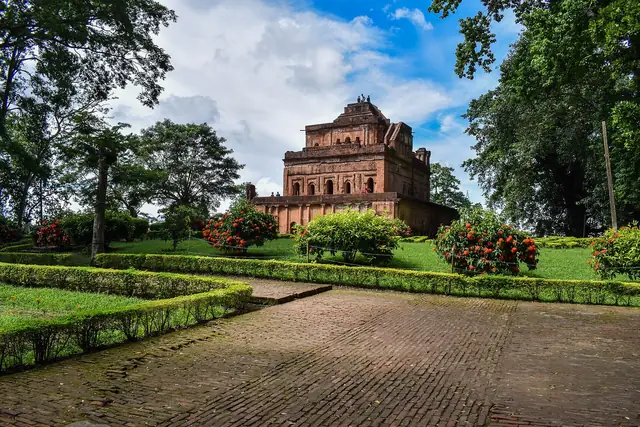
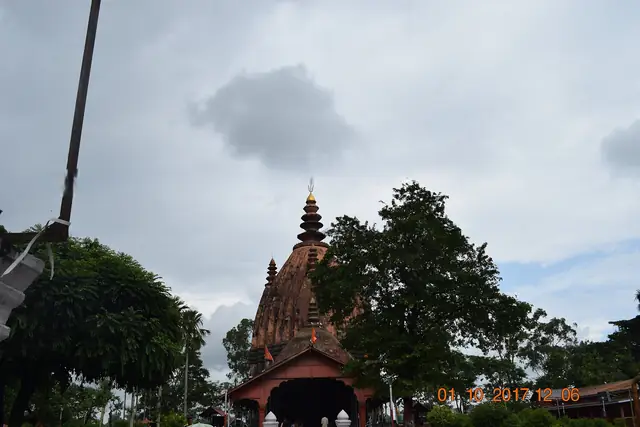
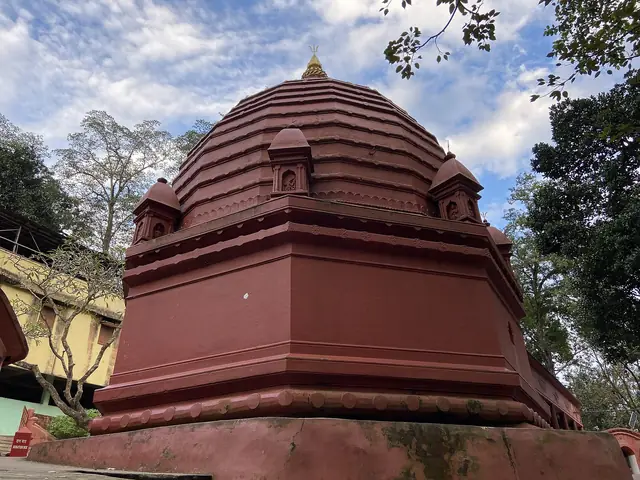
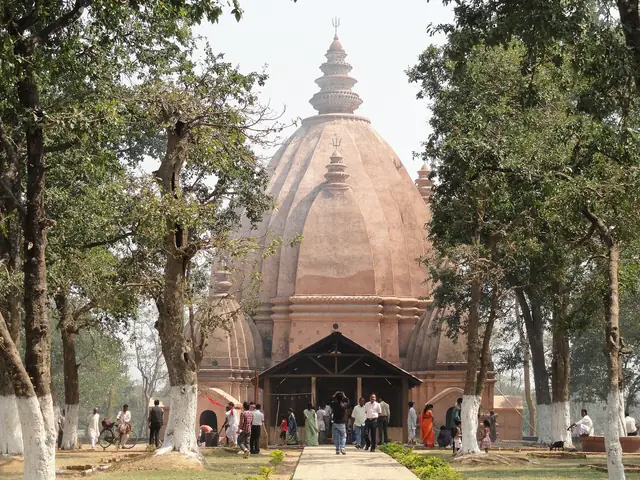
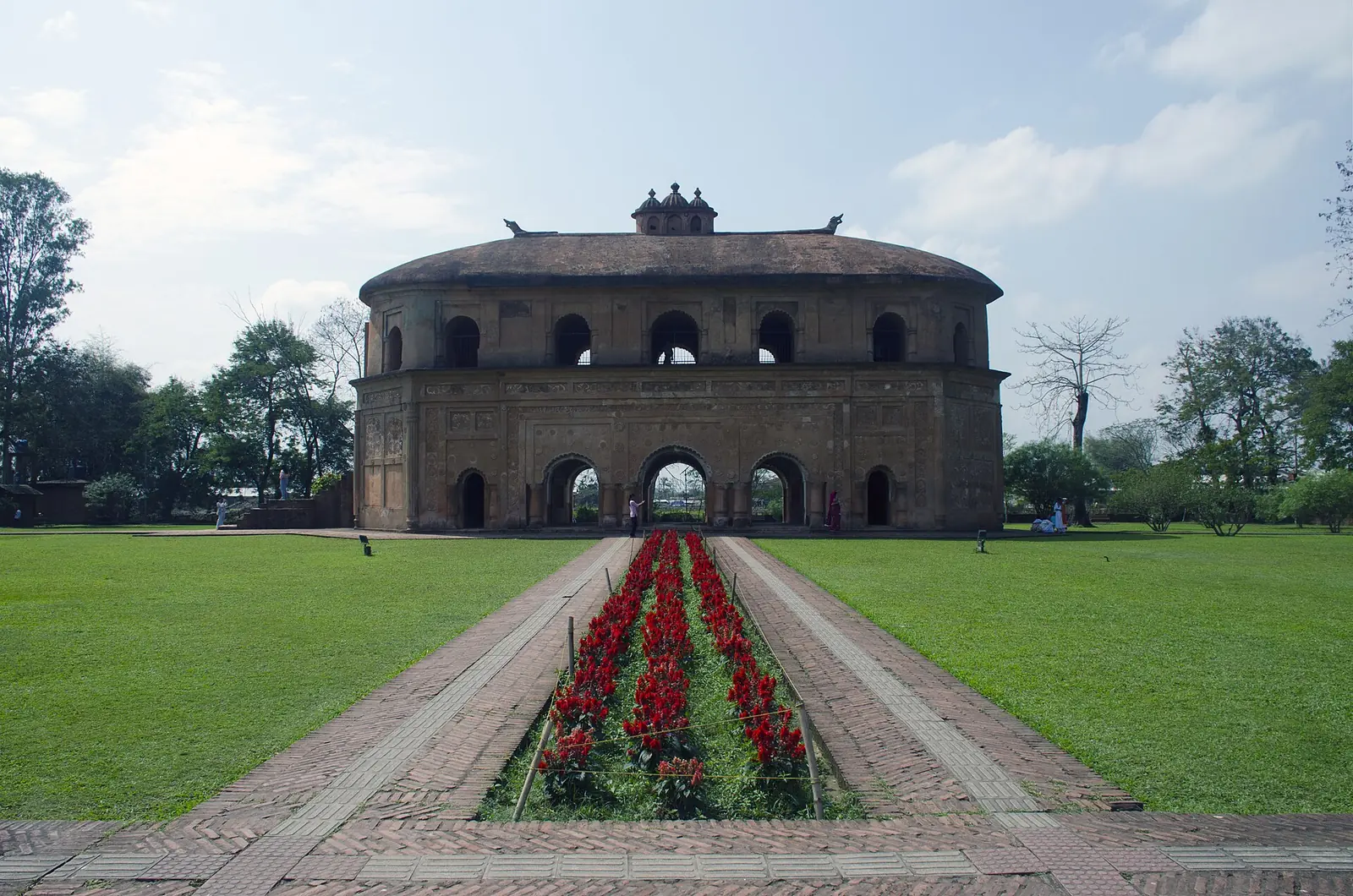
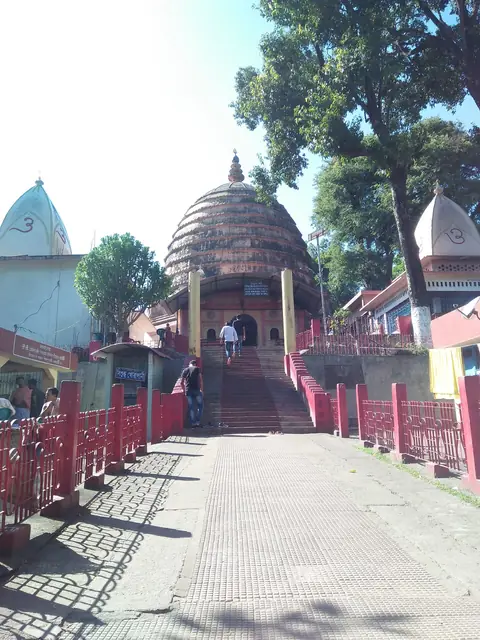
Under Rudra Singha and his sons the Ahom kings built in brick on a grand scale: the Jaysagar tank, the Sivasagar tank with the Sivadol raised by Queen Ambika in 1734, the Rang Ghar pavilion of Pramatta Singha, and the Kareng Ghar at Garhgaon. The Moamoria rising of 1769–1805 split the kingdom from within. Burmese armies then invaded three times from 1817, and the Treaty of Yandabo in 1826 handed Assam to the East India Company. Purandar Singha ruled Upper Assam under the British from 1833 to 1838, and the kingdom ended there.
The rulers
- 1SukaphaaFounder; settled Charaideo1228–1268
- 2Suhungmung (Dihingia Raja)Took the Chutia country; first to use a Hindu title1497–1539
- 3Pratap Singha (Susengphaa)Organised the kingdom; fought the Mughals1603–1641
- 4Jayadhwaj SinghaGarhgaon taken by Mir Jumla1648–1663
- 5Chakradhwaj SinghaRetook Guwahati1663–1669
- 6Udayaditya SinghaSaraighat won in his reign1669–1673
- 7Gadadhar SinghaVictory at Itakhuli, 16821681–1696
- 8Rudra SinghaMoved the capital to Rangpur1696–1714
- 9Shiva SinghaSivasagar tank and Sivadol1714–1744
- 10Pramatta SinghaBuilt the Rang Ghar1744–1751
- 11Rajeswar SinghaKareng Ghar at Garhgaon1751–1769
- 12Lakshmi SinghaMoamoria rising began1769–1780
- 13Gaurinath SinghaMoved the court to Jorhat1780–1795
- 14Kamaleswar Singha1795–1811
- 15Chandrakanta SinghaRuled amid the Burmese invasions1811–1818, 1819–1821
- 16Purandar SinghaLast king, under the British1818–1819, 1833–1838
What they left
- The moidams of Charaideo, UNESCO World Heritage Site (2024)
- The Buranjis, year-by-year court chronicles
- Rang Ghar, Kareng Ghar and Talatal Ghar
- Sivadol on the Sivasagar tank
- Six centuries in which no Mughal army held Assam for long