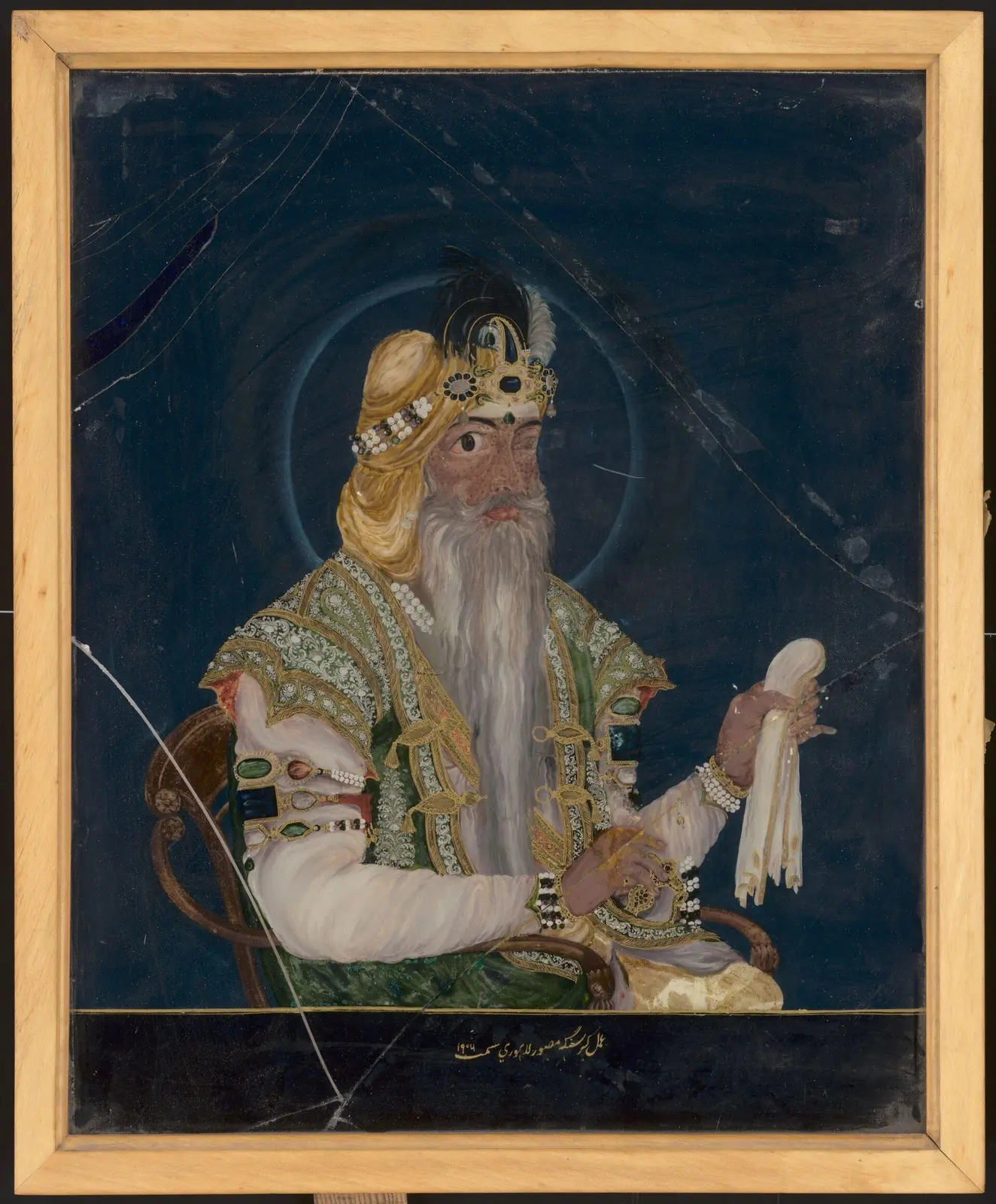
01Lahore and the misls
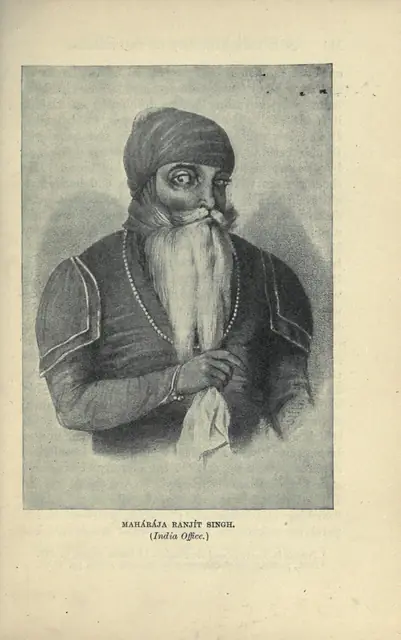
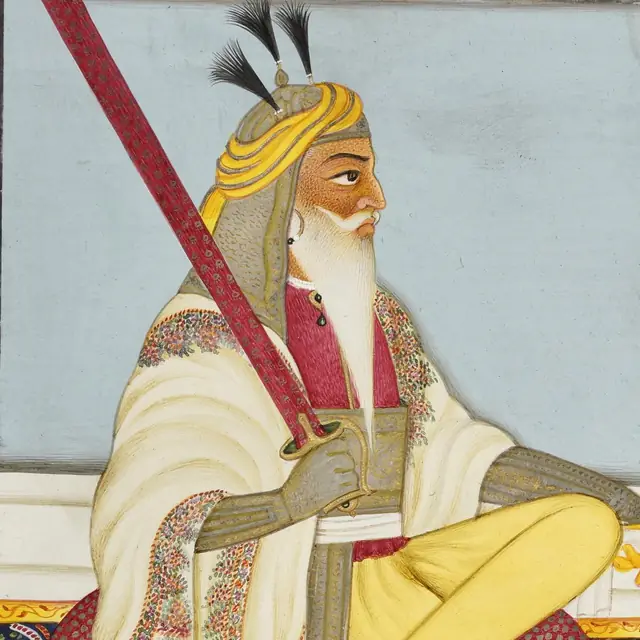
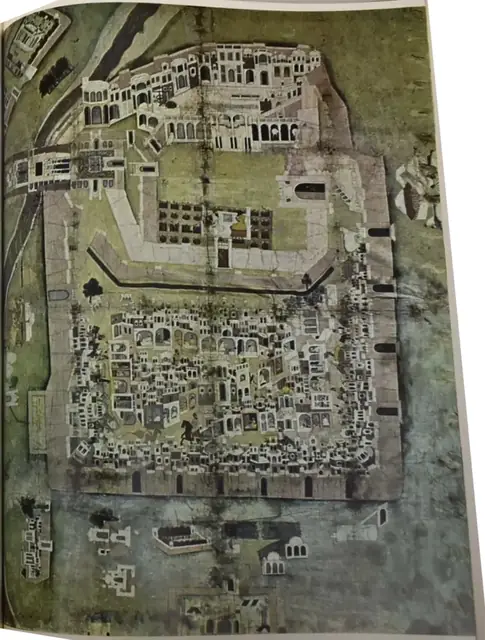
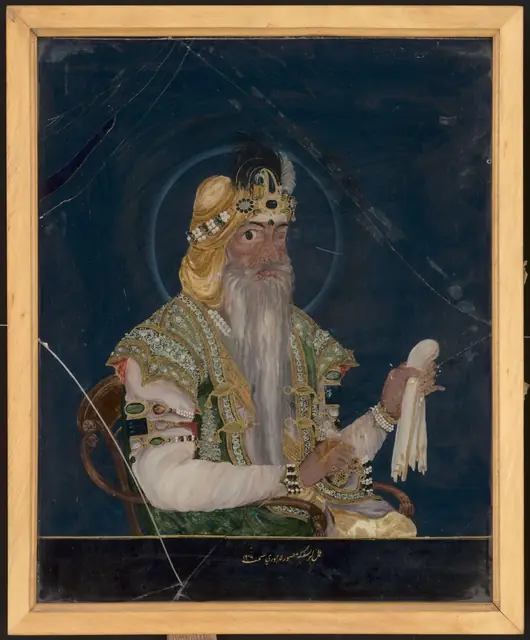
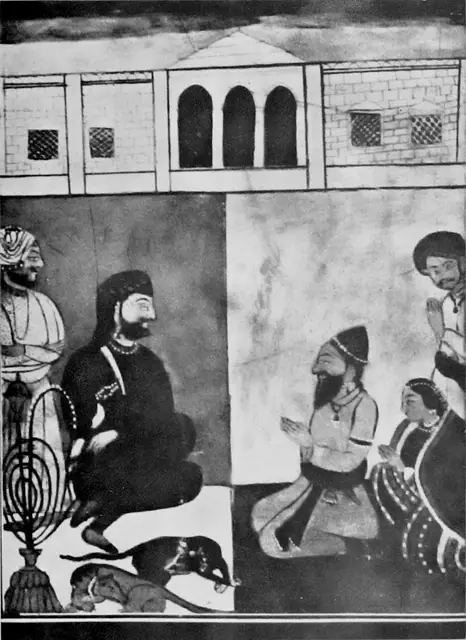
Ranjit Singh was the son of the Sukerchakia misl chief Maha Singh, and lost the sight of one eye to smallpox as a child. He rode into Lahore on 7 July 1799, and on Baisakhi of 1801 was proclaimed Maharaja. Amritsar came under him in 1802. One by one the other misls were absorbed by war, marriage or purchase, though the chiefs south of the Sutlej went under British protection; the treaty of Amritsar with the East India Company in 1809 fixed that river as his border.
02Multan, Kashmir, Peshawar
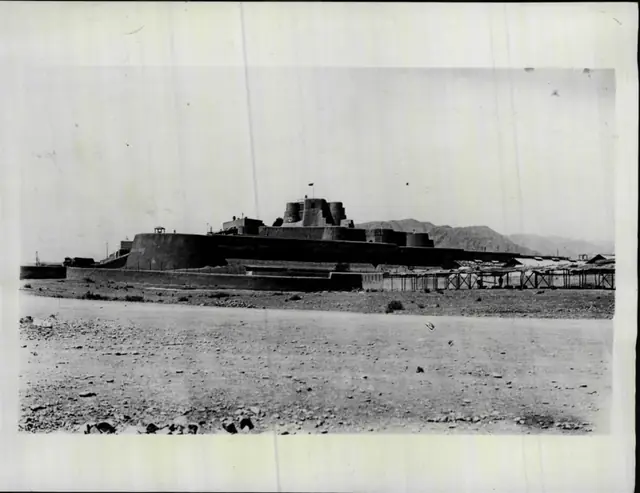
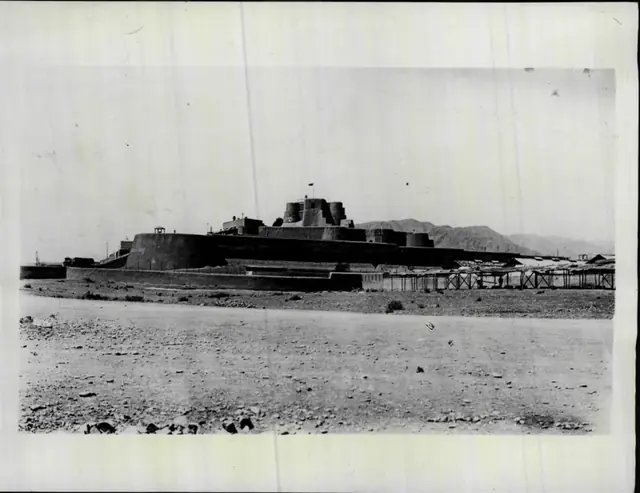
Ranjit Singh took the Koh-i-Noor from the exiled Afghan king Shah Shuja in 1813. His armies captured Multan in 1818 and Kashmir in 1819, ending Afghan rule in the valley. Peshawar fell under Sikh control in the 1820s and was annexed outright in 1834. The general Hari Singh Nalwa held the frontier and built the fort at Jamrud, where he was killed in 1837 beating off an Afghan army. In the hills the Dogra feudatory Gulab Singh sent Zorawar Singh into Ladakh from 1834. The core of the army, the Fauj-i-Khas, was drilled on European lines by Ventura and Allard.
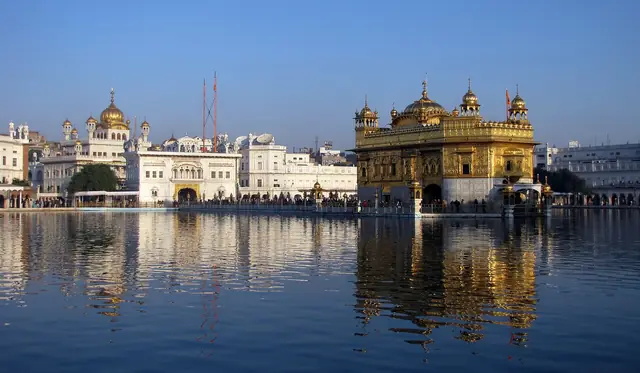
03The court after Ranjit Singh
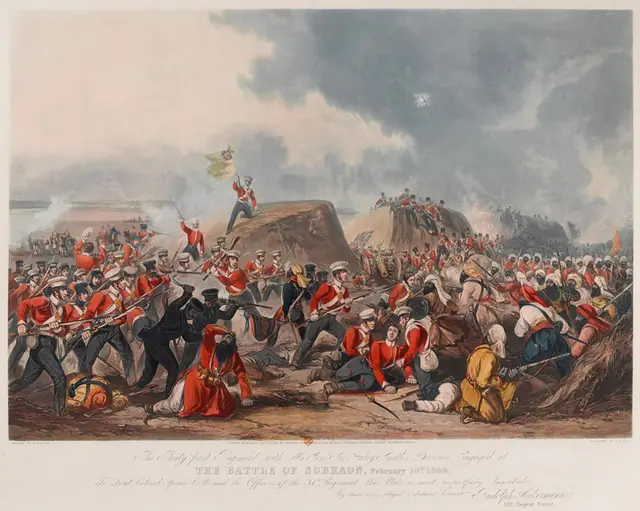
Ranjit Singh died in Lahore on 27 June 1839. Within six years his son Kharak Singh, grandson Nau Nihal Singh, son Sher Singh and the Dogra minister Dhian Singh were all dead, by illness, a falling gateway or murder, and the army’s panchayats came to rule the court. In the name of the child Duleep Singh, with his mother Jind Kaur as regent, the Khalsa army crossed the Sutlej in December 1845. It lost at Mudki, Ferozeshah, Aliwal and Sobraon, and the treaty of Lahore in 1846 took the Jalandhar doab; Kashmir was sold to Gulab Singh.
04Annexation, 1849
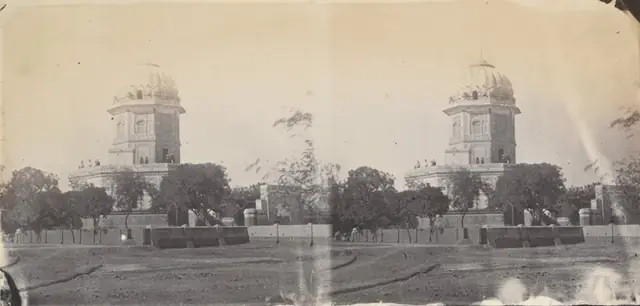
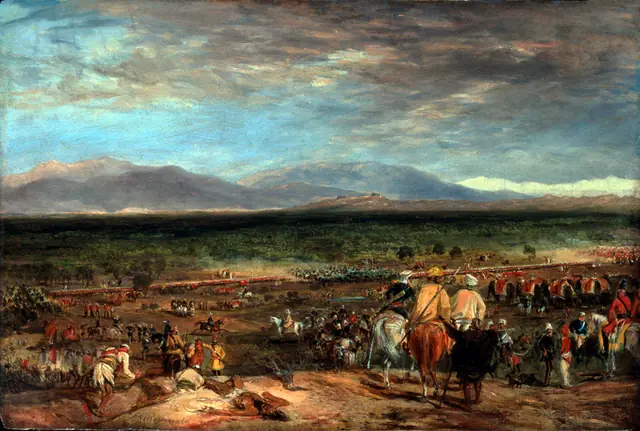
The revolt at Multan in 1848 became the second Anglo-Sikh war. The Sikhs fought the British to a standstill at Chillianwala in January 1849 but lost at Gujrat in February, and on 29 March 1849 the Punjab was annexed. Duleep Singh, eleven years old, was sent away to England, and the Koh-i-Noor went to Queen Victoria. The Samadhi of Ranjit Singh beside the Lahore fort, where four ranis and seven maidservants became sati on his pyre, was finished in 1848.
The rulers
- 1Ranjit SinghTook Lahore 1799; Maharaja from 18011801–1839
- 2Kharak Singh1839–1840
- 3Nau Nihal SinghKilled by a falling gateway1840
- 4Chand Kaur (regent)1840–1841
- 5Sher SinghAssassinated1841–1843
- 6Duleep SinghLast Maharaja; Jind Kaur regent1843–1849
What they left
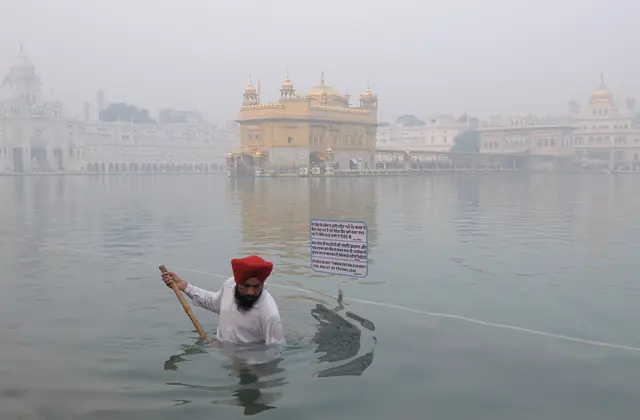
- The gilded Harmandir Sahib, Amritsar
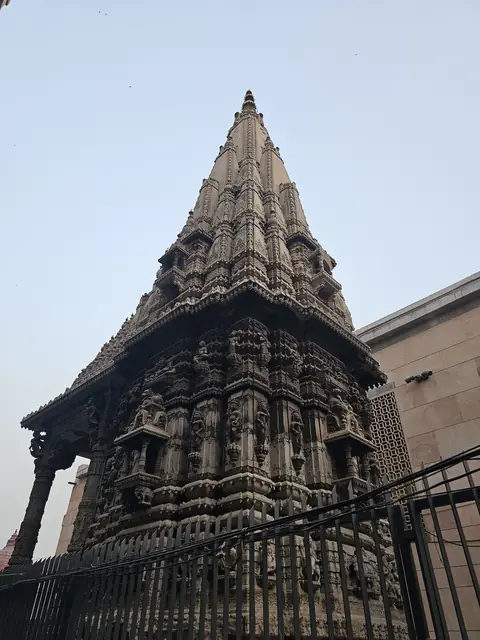
- Gold plating on the spire of Kashi Vishwanath
- The end of Afghan rule in Kashmir and Peshawar
- The Samadhi of Ranjit Singh, Lahore