
Every dynasty
From the Suryavansha and Chandravansha to the Marathas, the Sikh empire and the kings of Angkor and Java: rulers, capitals, temples and legacy.
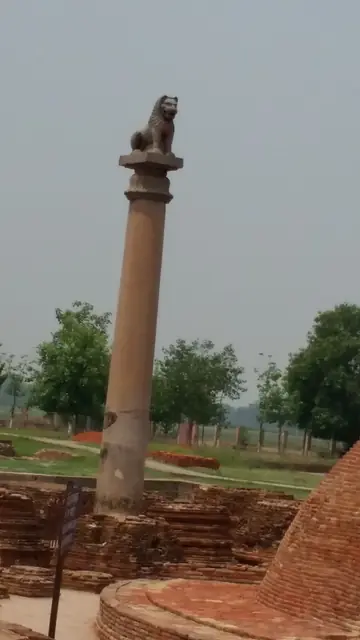
Licchavis of Vaishali (Vajji gana)
The Licchavis were the leading clan of the Vajji confederacy, a gana ruled by an assembly of rajas meeting at Vaishali. Magadha under Ajatashatru broke them, but the name lived on: Chandragupta I of the Guptas married a Licchavi princess and was proud of it.
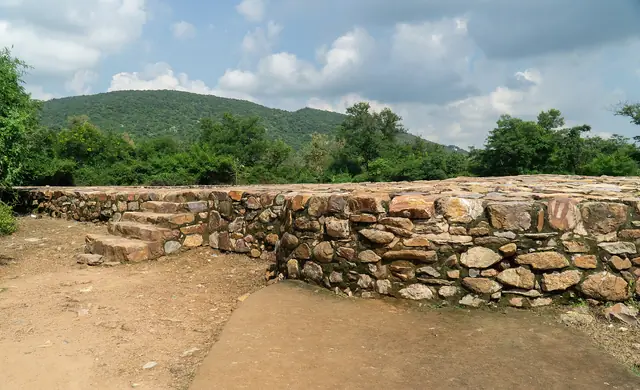
Haryanka dynasty of Magadha
Bimbisara and his son Ajatashatru made Magadha the strongest of the sixteen mahajanapadas, taking Anga by war, Kashi by marriage and the Vajji confederacy by long siege. Udayin moved the capital to Pataliputra, which stayed the seat of north Indian empire for nearly a thousand years.
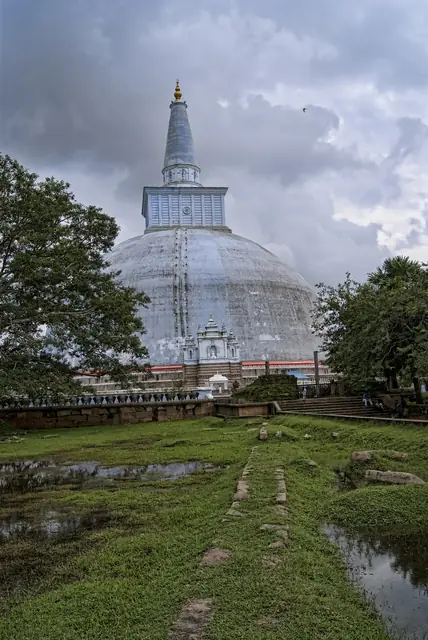
Kingdom of Anuradhapura
The first great kingdom of Lanka, ruled from Anuradhapura for some fourteen centuries. Its kings received the Dharma from Ashoka’s son Mahinda and built the great stupas, while the island’s Shaiva shrines stood on its coasts.
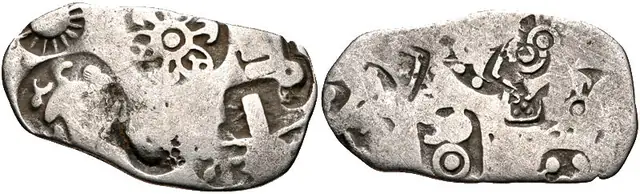
Shishunaga dynasty
Shishunaga, a minister raised to the throne by the people of Magadha, destroyed the Pradyota house of Avanti and joined Malwa to Magadha. His son Kalashoka held the second Buddhist council at Vaishali; the line ended when Mahapadma Nanda seized power.
Nanda dynasty
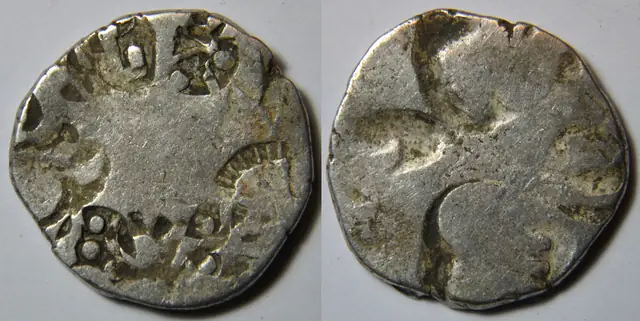
Mahapadma Nanda and his eight sons, the nine Nandas, built the first empire of the Ganga plain, with an army that turned Alexander’s soldiers back at the Beas. Chanakya and Chandragupta Maurya overthrew the last of them, Dhana Nanda, around 321 BCE.
Maurya empire
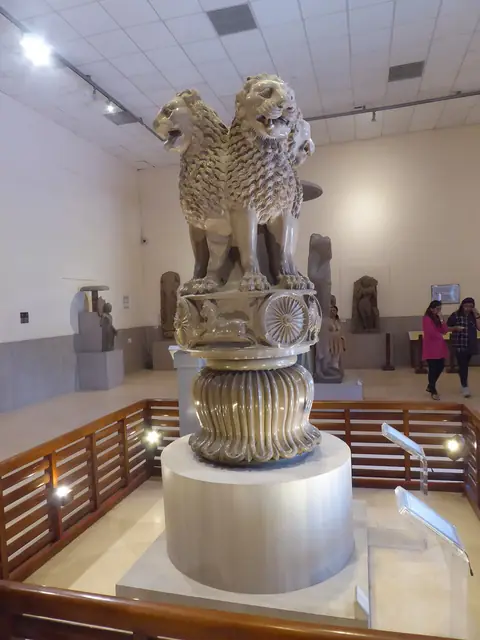
Chandragupta Maurya, guided by Chanakya, overthrew the Nandas, drove out the Greek garrisons and took the Indus lands from Seleucus. His grandson Ashoka ruled almost all of Bharat and carved his edicts on rocks and pillars from Kandahar to Karnataka.
Early Cholas (Sangam age)
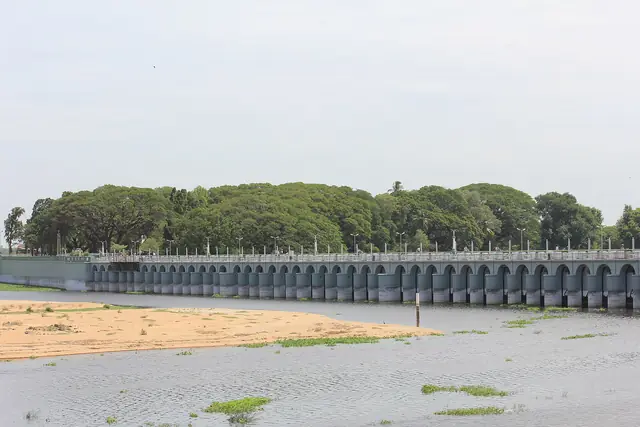
The Cholas of the Sangam poems ruled the Kaveri delta from Uraiyur and the port of Puhar. Their greatest king, Karikala, won the battle of Venni and is remembered for binding the Kaveri with embankments; Ashoka already knew the Cholas as an independent people on his southern border.
Chera dynasty (Sangam Cheras to the Perumals of Mahodayapuram)
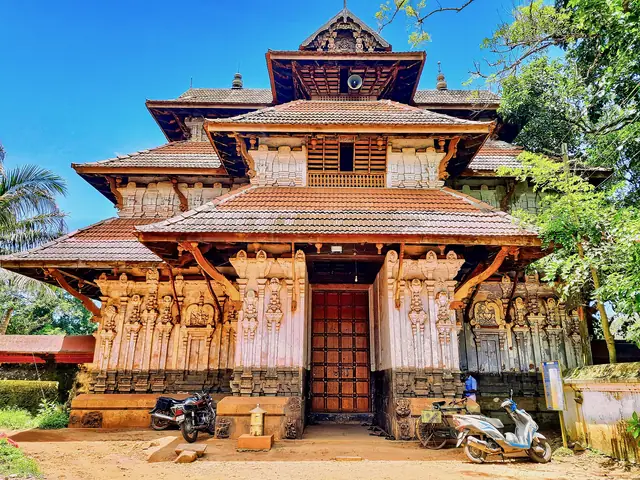
The Cheras held the pepper coast of Kerala from the Sangam age, trading with Rome through Muziris. A second Chera kingdom, the Perumals of Mahodayapuram, ruled Kerala from about 800 to 1124, and the Venad branch carried the Chera name into the 14th century.
Pandya dynasty
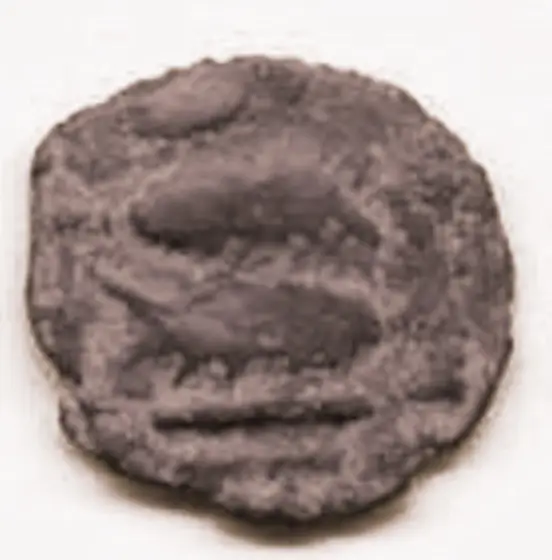
The Pandyas ruled from Madurai for close to two thousand years, longer than almost any house in the world. Megasthenes and Ashoka knew them; they broke the Kalabhras in the 6th century, lost Madurai to the Cholas in the 10th, and under Jatavarman Sundara Pandya in the 13th century became the strongest power in the south.
Shunga dynasty
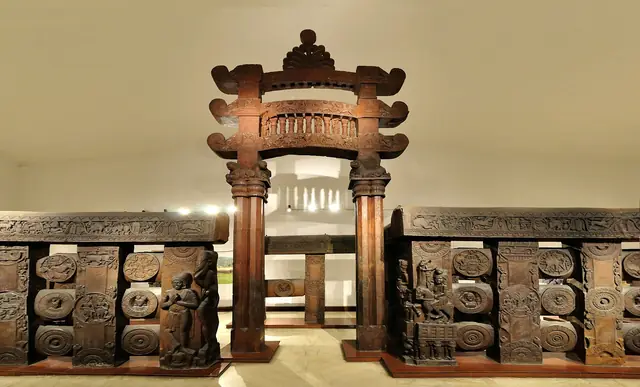
Pushyamitra Shunga, the Maurya senapati, took the throne about 185 BCE and revived the Vedic horse sacrifice. His house held back the Bactrian Greeks and ruled central India for over a century; the Heliodorus pillar at Vidisha was raised in its reign.
Mahameghavahana dynasty of Kalinga
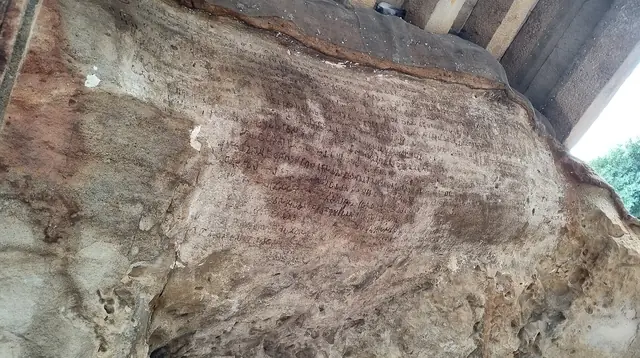
Kalinga rose again two centuries after Ashoka under the Chedi house of Mahameghavahana. Its great king Kharavela recorded his reign year by year in the Hathigumpha inscription on Udayagiri hill near Bhubaneswar.
Satavahana dynasty
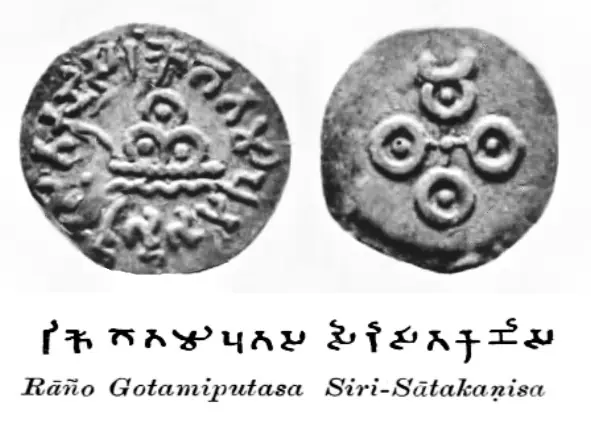
The Satavahanas, called Andhras in the Puranas, held the Deccan for some three centuries. Gautamiputra Satakarni broke the Shaka Kshaharatas and restored the house; its queens and kings performed Vedic sacrifices and paid for the caves of Nashik, Karle and Kanheri and the stupa at Amaravati.
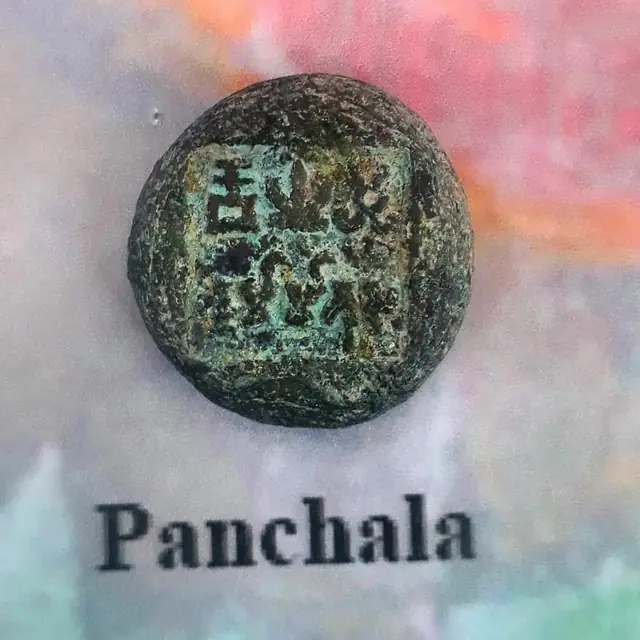
Kanva (Kanvayana) dynasty
The Kanvas were a brahmana family of ministers who replaced the Shungas. Four kings ruled for forty-five years, by the Puranas, before the Satavahanas ended the line.
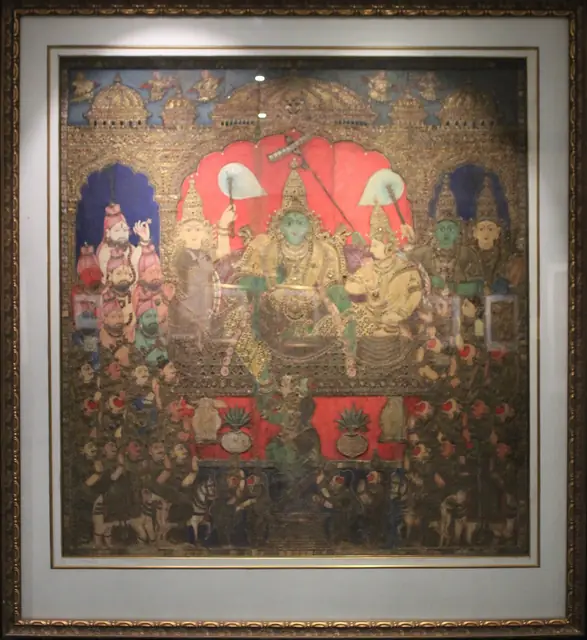
Suryavansha (Ikshvaku line)
The Solar dynasty descends from Vaivasvata Manu through his son Ikshvaku and ruled from Ayodhya. Its kings include Mandhata, Harishchandra, Sagara, Bhagiratha, Raghu and Shri Rama, and the Puranas carry the line down to Sumitra in the Kali Yuga.
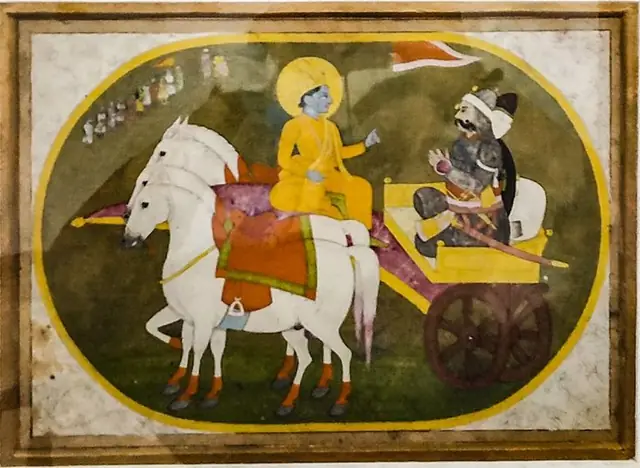
Chandravansha (Lunar line: Yadavas, Pauravas and Kurus)
The Lunar dynasty runs from Soma through Budha and Pururavas to Yayati, whose sons Yadu and Puru founded the Yadava and Paurava houses. From Puru came Bharata, after whom the land is named, and Kuru, whose descendants fought at Kurukshetra.
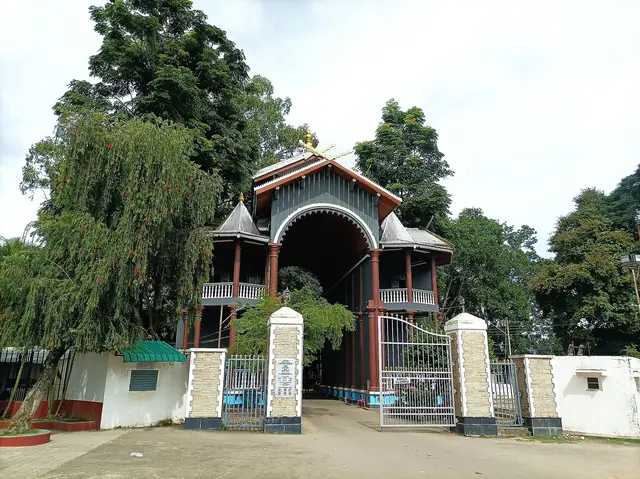
Ningthouja kings of Manipur
The royal chronicle of Manipur, the Cheitharol Kumbaba, begins its list of Ningthouja kings with Nongda Lairen Pakhangba in 33 CE. Under Garib Niwaz and Bhagyachandra in the eighteenth century the kingdom turned to Gaudiya Vaishnava bhakti and gave Bharat the Manipuri Ras Lila.
Funan
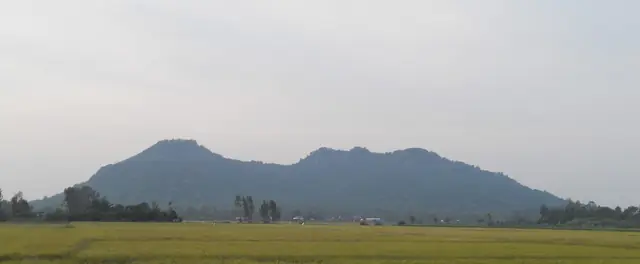
The first great kingdom of the Mekong, known to us mostly through Chinese envoys and a handful of Sanskrit inscriptions. Its kings bore Indian names, honoured Vishnu and Shiva, and ran a port that traded from Rome to China.
Champa
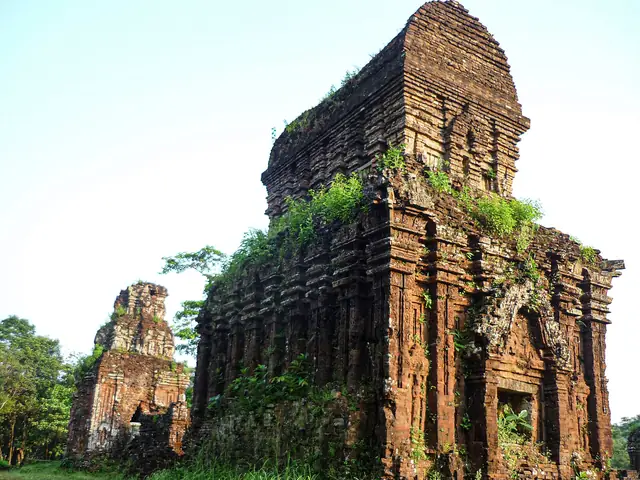
The Cham kingdom held the Vietnamese coast for more than 1,600 years, worshipped Shiva as Bhadreshvara at My Son, and still has Hindu descendants today, the Balamon Cham.
Vakataka dynasty
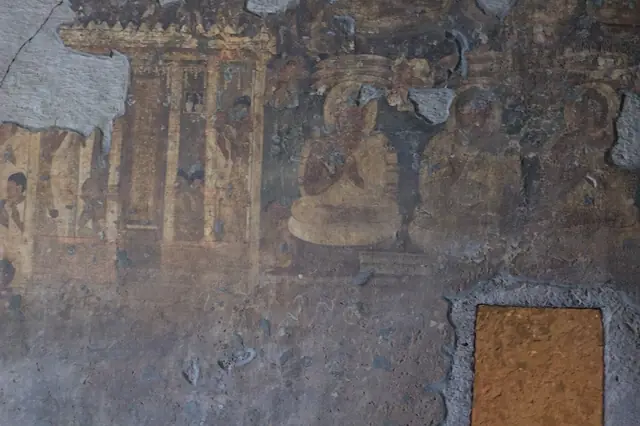
The Vakatakas, brahmana kings of the Vishnuvriddha gotra, ruled the Deccan beside the Guptas and married into them. Pravarasena I performed four Ashvamedhas; Pravarasena II wrote the Prakrit Setubandha; and under Harishena of the Vatsagulma branch the finest caves of Ajanta were cut.
Pallava dynasty
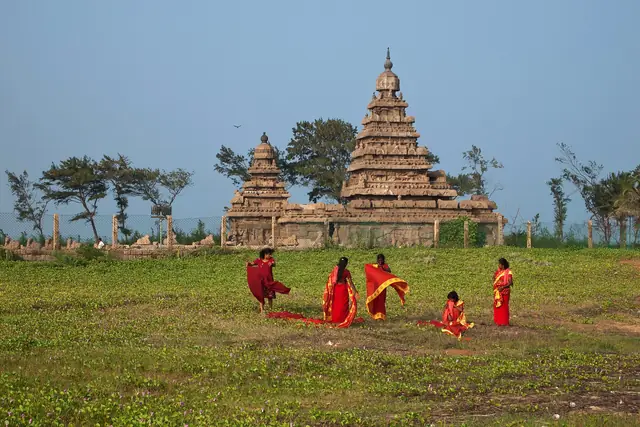
The Pallavas of Kanchi carried temple building from timber and brick into rock and then into dressed stone. Mahendravarman I cut the first rock temples of the Tamil country, Narasimhavarman I took Vatapi in 642 and filled Mamallapuram with sculpture, and Rajasimha built the Shore Temple and the Kailasanatha at Kanchi.
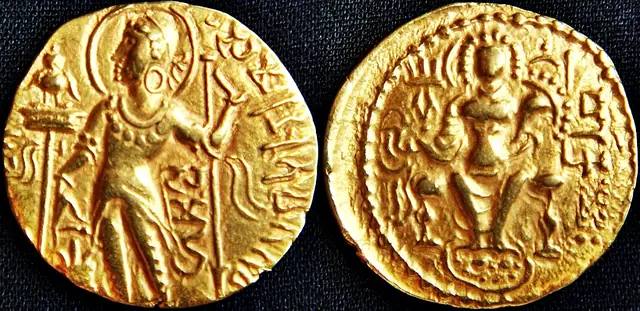
Gupta empire
From Chandragupta I in 319–320 CE to Skandagupta in the 460s, the Guptas built the largest Indian empire since the Mauryas. Their age gave Bharat Kalidasa, Aryabhata, the decimal place-value system in common use, the first stone temples of the north, and Nalanda.
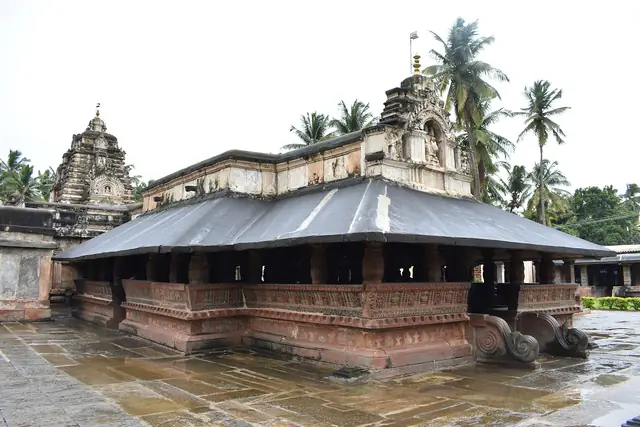
Kadamba dynasty of Banavasi
Mayurasharma, a brahmana student turned warrior after an insult at Kanchi, founded the first kingdom native to Karnataka. Under the Kadambas the Halmidi inscription, the oldest known in Kannada, was cut.
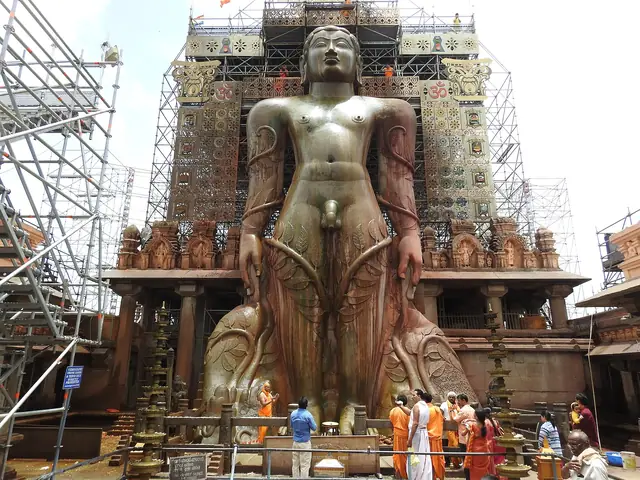
Western Ganga dynasty of Talakad
The Western Gangas ruled Gangavadi in southern Karnataka for six and a half centuries, first on their own and then as the right hand of the Rashtrakutas. Their minister Chavundaraya raised the colossus of Gommateshwara at Shravanabelagola; the Cholas ended the kingdom by taking Talakad about 1004.
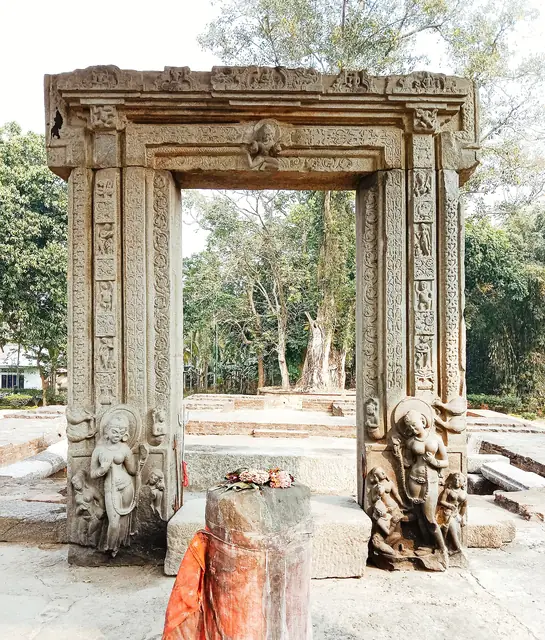
Kamarupa
Kamarupa, the Pragjyotisha of the Mahabharata, was ruled by three houses in turn for about eight centuries. Its best-known king, Bhaskaravarman, was Harsha’s ally and the host of the pilgrim Xuanzang.
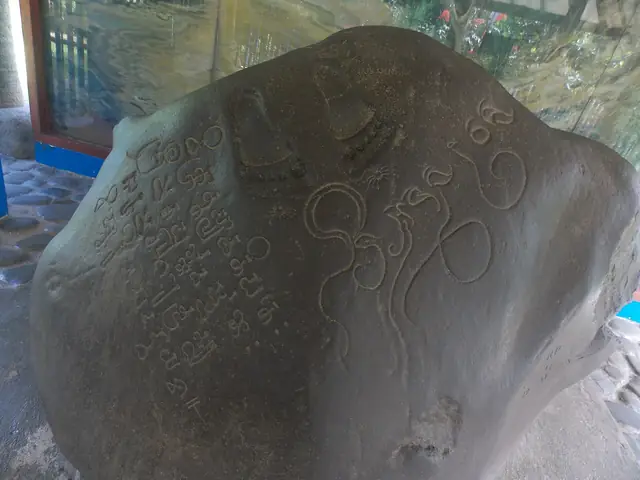
Tarumanagara
The earliest kingdom of Java known from its own words. Its king Purnavarman carved his footprints into river boulders and compared them to the steps of Vishnu.
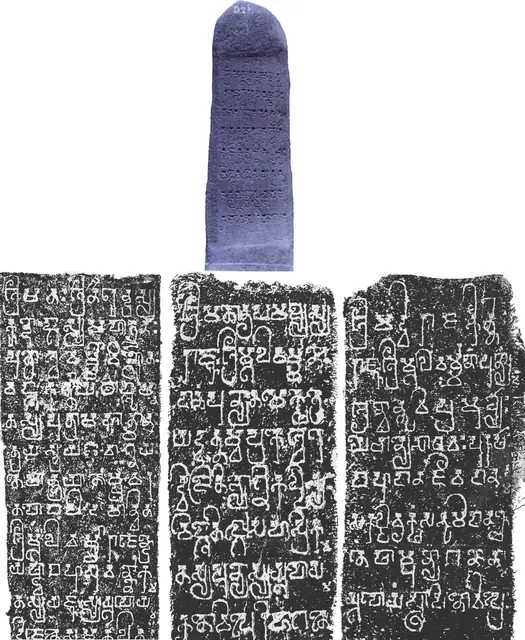
Kutai (Martadipura)
The oldest kingdom in Indonesia known from inscriptions. Its king Mulavarman set up stone yupas, sacrificial posts, to record Vedic yajnas and a gift of twenty thousand cows.
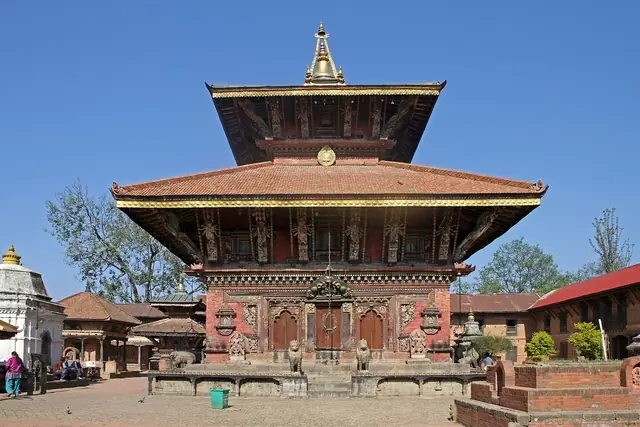
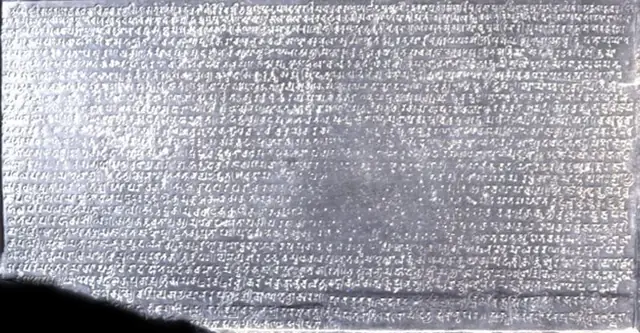
Licchavis of Nepal
The kings who gave Nepal its first written history, in Sanskrit inscriptions from 464 CE. They worshipped Pashupati as the lord of the land and set up the Garuda before Changu Narayan.
Later Guptas of Magadha
The Later Guptas were a Magadha house with no proven tie to the imperial Guptas. For two centuries they fought the Maukharis, sent princes to Harsha’s court, and under Adityasena briefly ruled Magadha as emperors again.
Pushyabhuti (Vardhana) dynasty
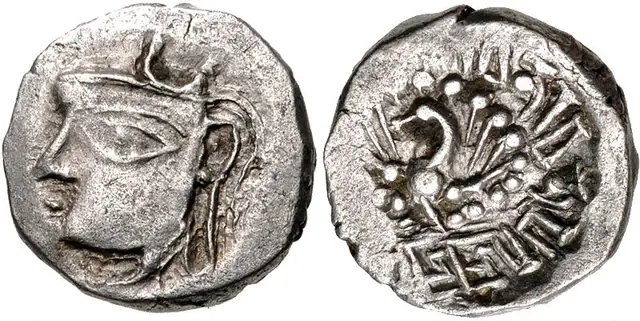
The house of Pushyabhuti ruled from Thanesar and rose under Prabhakaravardhana, who fought the Hunas. His son Harshavardhana reigned from 606 to 647 from Kannauj; Banabhatta wrote his life and Xuanzang described his court.
Maukhari dynasty of Kannauj
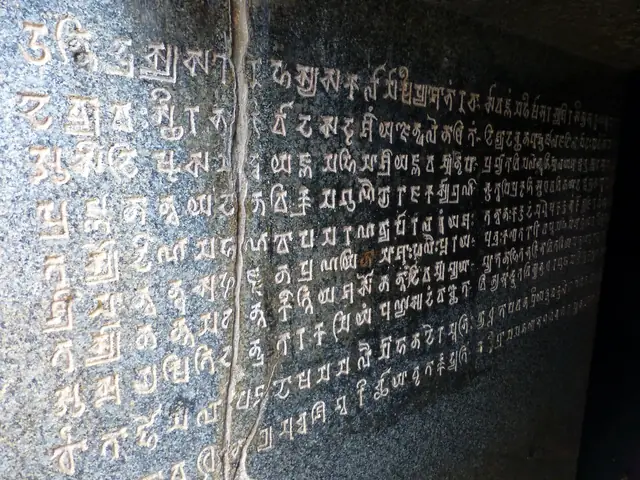
The Maukharis rose as Gupta feudatories and, under Ishanavarman, became independent kings ruling from Kannauj. They made Kannauj the prize of north India for the next five centuries; the last of them, Grahavarman, married Harsha’s sister Rajyashri.
Chalukyas of Badami
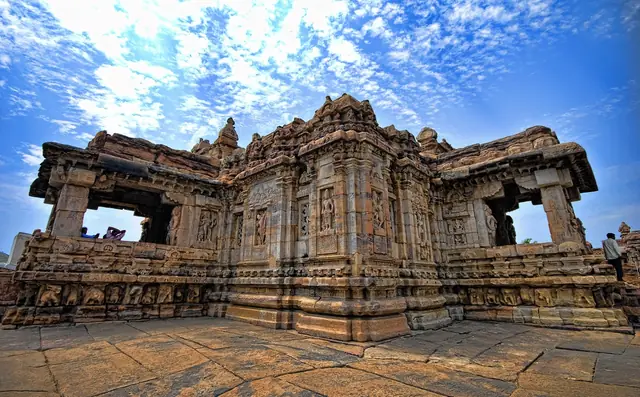
From a fortified red-sandstone gorge at Vatapi, the Chalukyas ruled the Deccan for two centuries. Pulakeshin II turned back Harsha on the Narmada, and their masons at Aihole, Badami and Pattadakal set down the first great stone temples of the south.
Chenla
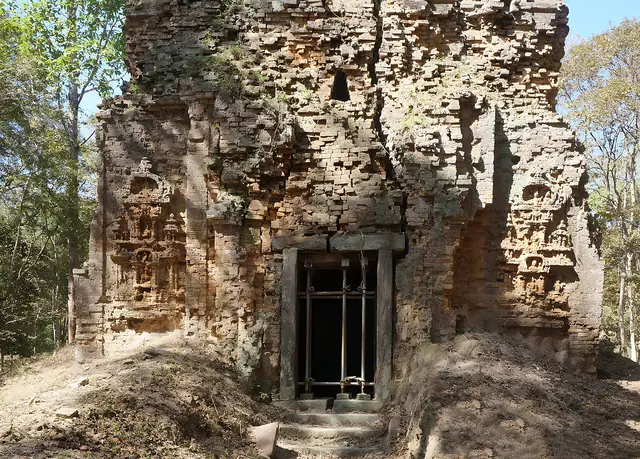
The Khmer kingdom that grew out from under Funan and built the first brick temple-city of Cambodia at Ishanapura. Its kings named themselves after Shiva and set up lingas on mountain tops.
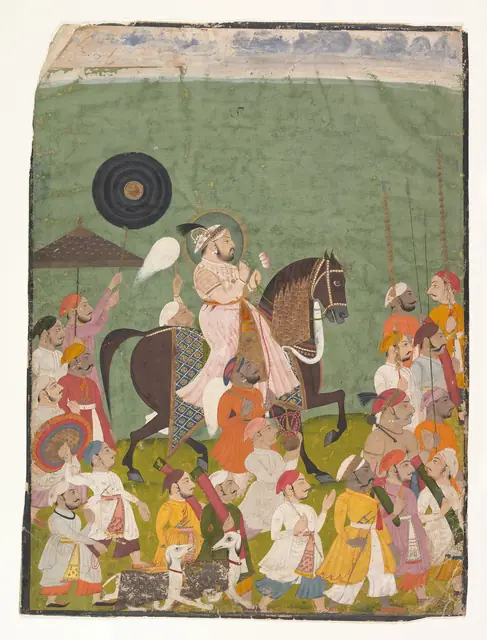
Guhilas and Sisodias of Mewar
From Bappa Rawal to Maharana Pratap, the house of Mewar held its hills against every power that came from Delhi. It is among the longest-ruling royal lines in the world.
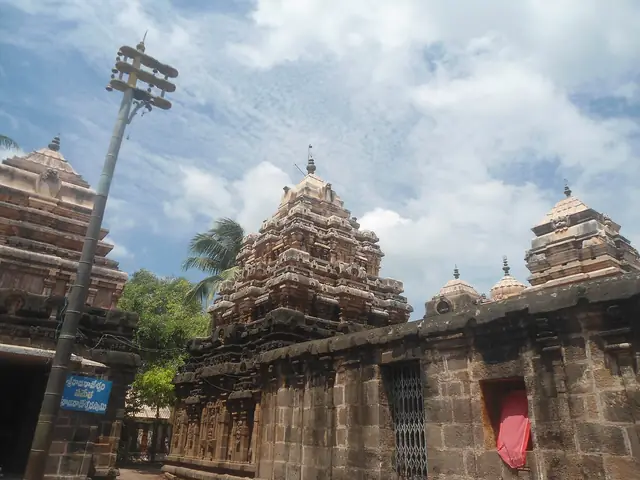
Eastern Chalukyas of Vengi
Pulakeshin II set his brother Kubja Vishnuvardhana over the Andhra delta, and that branch outlived Badami by three hundred years. Their court saw the first great work of Telugu, and their blood passed into the imperial Chola throne.
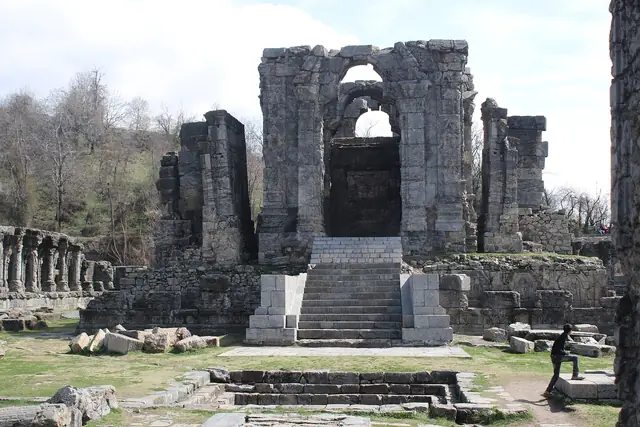
Karkota dynasty of Kashmir
The Karkotas made Kashmir a power for two centuries. Lalitaditya Muktapida, the greatest of them, raised the sun temple at Martand and the city of Parihasapura.
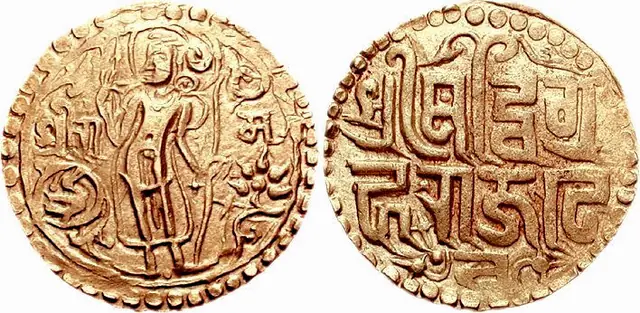
Chahamanas (Chauhans) of Shakambhari and Ajmer
The Chahamanas grew from chiefs around Sambhar lake into the kings of Ajmer and Delhi. Prithviraj III defeated Muhammad of Ghor at Tarain in 1191 and fell to him there in 1192.
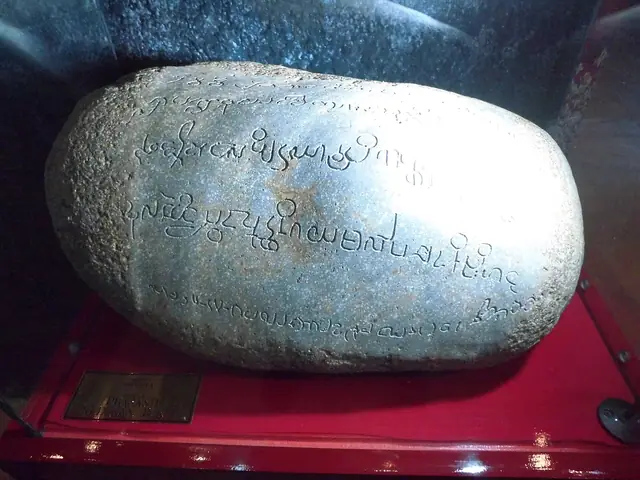
Srivijaya
The sea power of the Straits, a Buddhist kingdom that controlled the trade between India and China for five centuries. It is a Dharmic sibling in Hindu history, linked to Bharat by Nalanda, Nagapattinam and, in 1025, a Chola fleet.
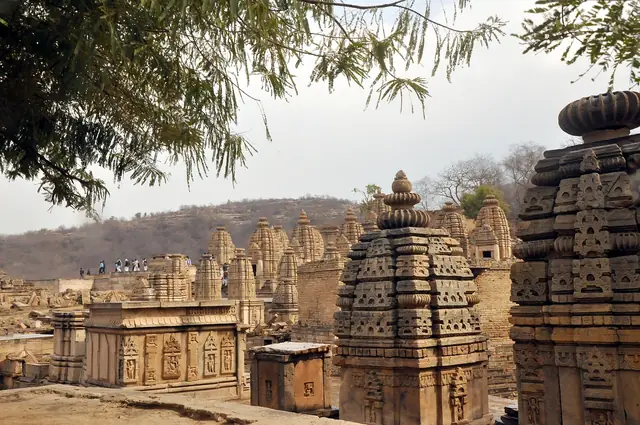
Gurjara-Pratiharas
For three centuries the Pratiharas held the western gate of India against the Arab armies of Sindh. From Kannauj, under Mihira Bhoja, they ruled the largest kingdom of the north since Harsha.

Mataram (Sanjaya house)
The Hindu kings of central Java, who set up a linga on Gunung Wukir in 732 and raised the Shiva temple of Prambanan in 856. In the 10th century the court moved east and became the root of every later Javanese kingdom.
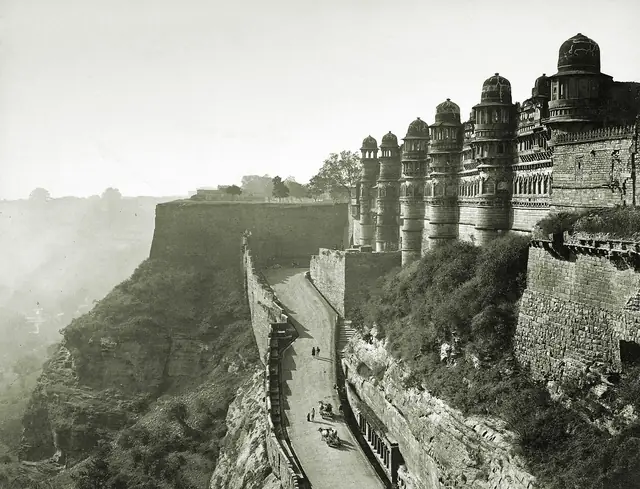
Tomaras of Delhi and Gwalior
Delhi’s first walled city, Lal Kot, was built by the Tomaras. Two centuries after they lost Delhi, another Tomara house ruled Gwalior, where Raja Man Singh built the Man Mandir and gave dhrupad its royal home.
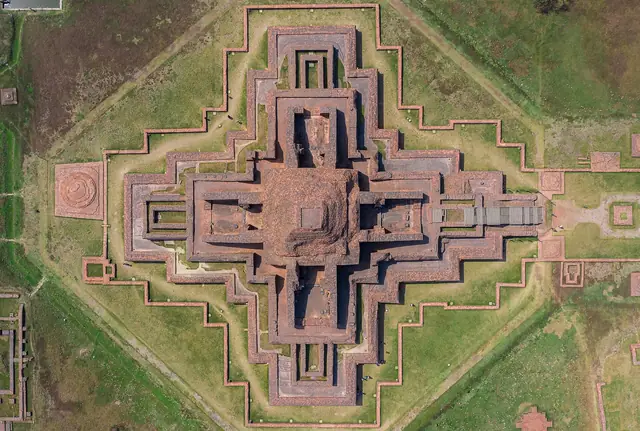
Pala dynasty
Gopala was chosen king to end a time of anarchy in Bengal, and his house ruled the east for four hundred years. They built Vikramashila and Somapura, and their black-stone and bronze images set the style for the whole eastern world.
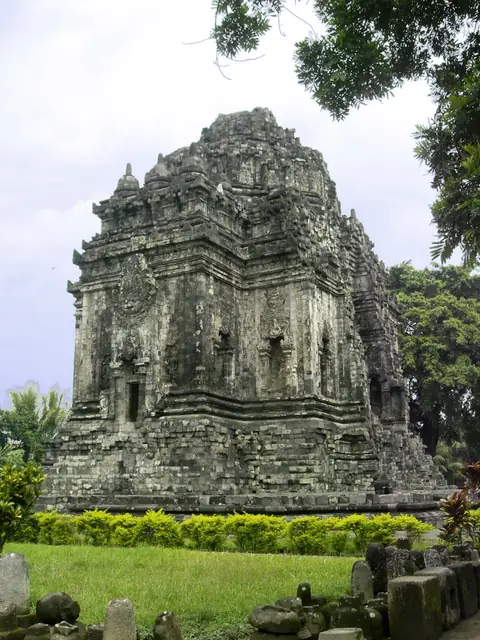
Shailendra
The 'lords of the mountain' who built Borobudur, the largest Buddhist monument in the world. A Dharmic sibling of the Hindu houses of Java, they shared the same plain, the same craftsmen and in the end the same family.
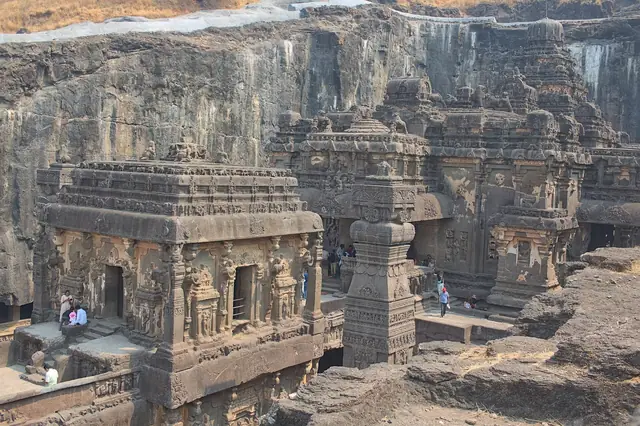
Rashtrakutas of Manyakheta
The Rashtrakutas rose from Chalukya feudatories to the strongest throne in India, raiding as far as Kannauj and Rameswaram. They left the Kailasa temple at Ellora, cut downward out of a single hill.
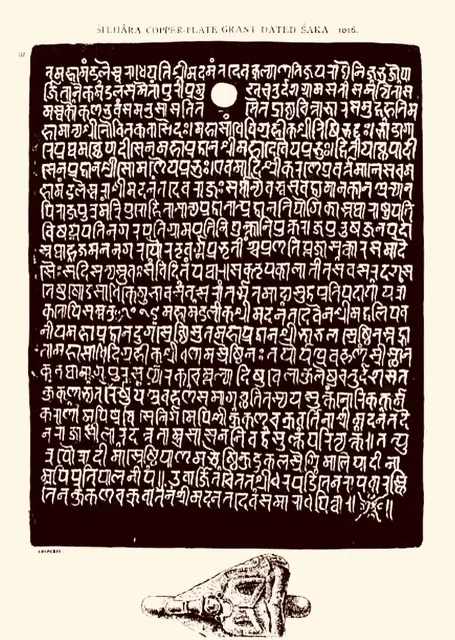
Shilaharas
The Shilaharas held the Konkan coast and Kolhapur as feudatories of the Rashtrakutas and then the Kalyani Chalukyas. They traced their line to Jimutavahana, the Vidyadhara prince of the Nagananda.
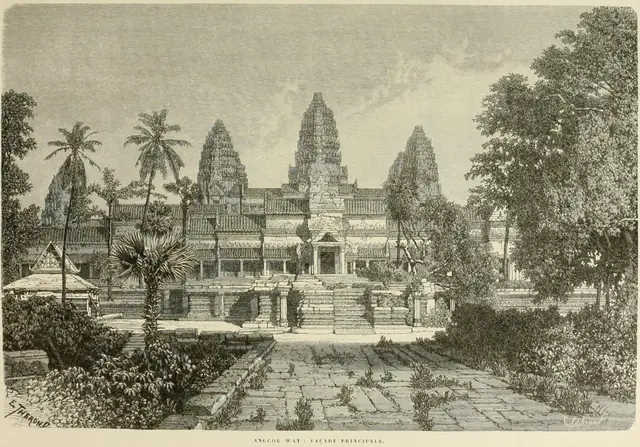
Khmer Empire (Angkor)
For six centuries the kings of Angkor ruled the largest Hindu kingdom outside Bharat and built Angkor Wat, the largest religious monument on earth. Their temples are Mount Meru in stone, set in a city of reservoirs.
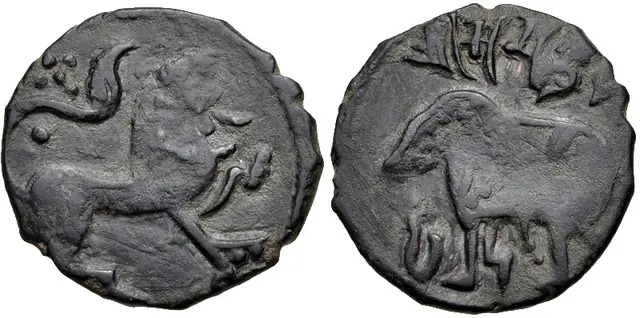
Hindu Shahis of Kabul and Udabhandapura
A Brahmin minister founded this house in the Kabul valley, and for two hundred years it stood between India and the armies coming from the west. Jayapala, Anandapala and Trilochanapala fought Ghazni until the line ended in 1026.
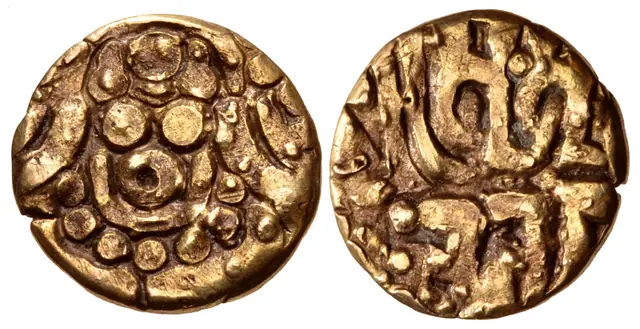
Chandelas of Jejakabhukti
Feudatories of the Pratiharas who became masters of Bundelkhand in the tenth century. They built the temples of Khajuraho and held Kalinjar against Mahmud of Ghazni.
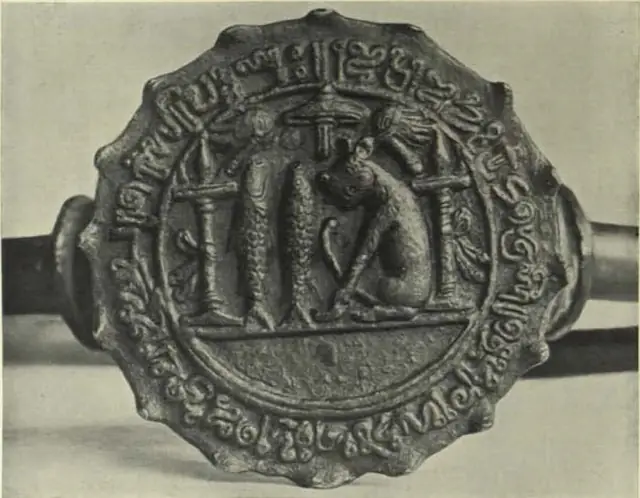
Imperial Cholas
Vijayalaya took Thanjavur around 848, and for four centuries his line ruled the richest kingdom of the south. Under Rajaraja I and Rajendra I the Chola fleet crossed the Bay of Bengal.
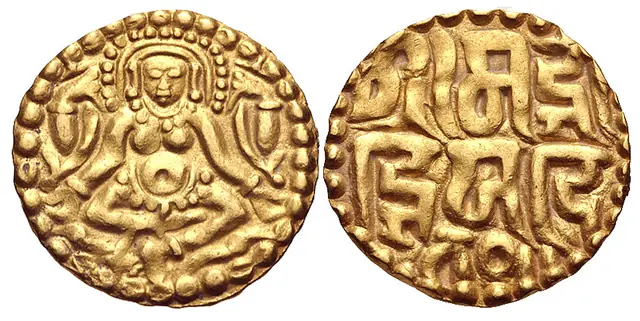
Kalachuris of Tripuri
The Kalachuris of Tripuri ruled the Chedi country from a city on the Narmada near Jabalpur. Under Gangeyadeva and Lakshmi-Karna they were for a time the strongest power in northern India.
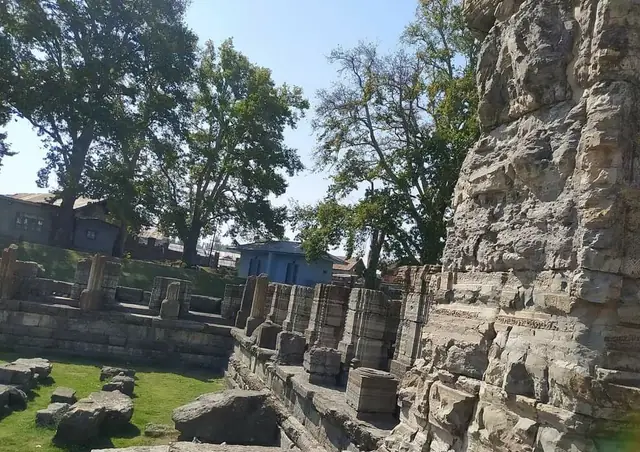
Utpala dynasty of Kashmir
Avantivarman and his engineer Suyya drained the Kashmir valley and gave it peace and grain. The Avantiswami temple he built still stands, and his court held the poet-critic Anandavardhana.
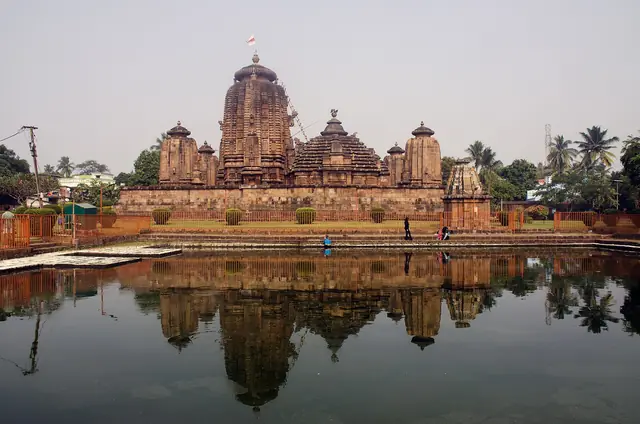
Somavamshis of Odisha
The Somavamshis, or Keshari kings, came out of Dakshina Kosala and joined it to coastal Odisha. Under them Bhubaneswar became a city of temples, crowned by the Lingaraja.
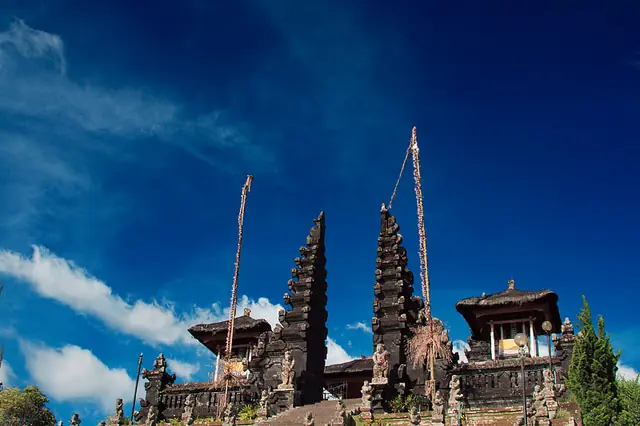
Warmadewa dynasty of Bali
The first named kings of Bali, whose Sanskrit and Old Balinese inscriptions begin in 914. A Warmadewa queen and king were the parents of Airlangga, who rebuilt Java, and their royal tombs are cut into the cliffs at Gunung Kawi.
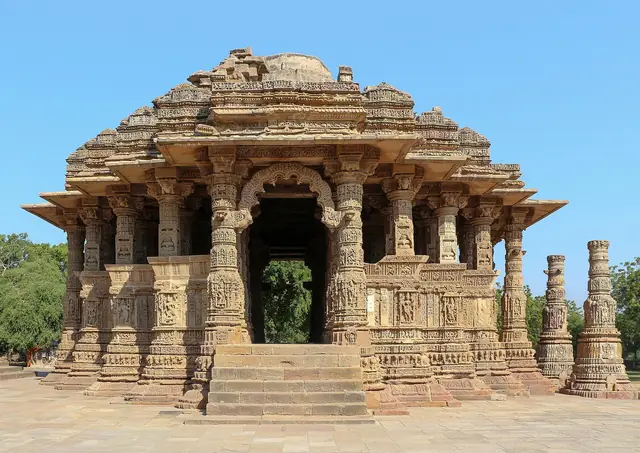
Chaulukyas (Solankis) of Gujarat
Mularaja founded the line at Anahilavada in about 941. His heirs rebuilt Somnath after Mahmud’s raid, built Modhera and the Rani ki Vav, and in 1178 defeated Muhammad of Ghor at Kasahrada.
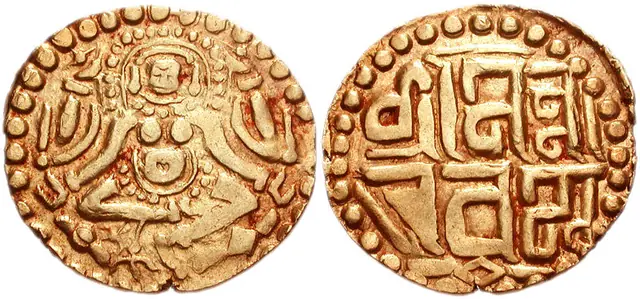
Paramaras of Malwa
The Paramaras traced their birth to the fire-pit of Vasishtha on Mount Abu. Their king Bhoja of Dhara was the scholar-king the whole of India remembers.
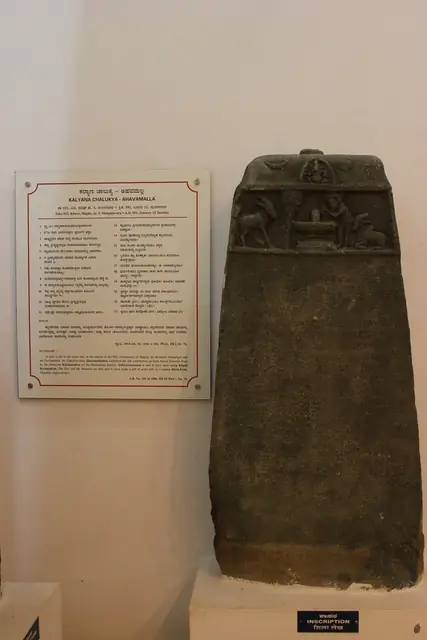
Chalukyas of Kalyani
Tailapa II, a Rashtrakuta feudatory, overthrew his overlords in 973 and revived the old Chalukya name. His line fought the Cholas for a century and ruled the Deccan from Kalyani.
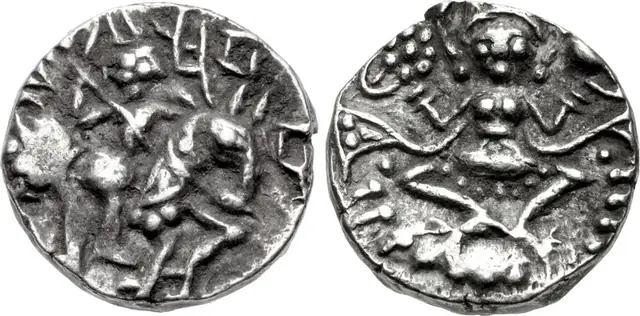
Lohara dynasty of Kashmir
The Lohara kings came from a hill fort that Mahmud of Ghazni twice failed to take. Their court gave Kashmir its historian Kalhana, and they ruled until a Mongol raid in 1320 broke the old order.
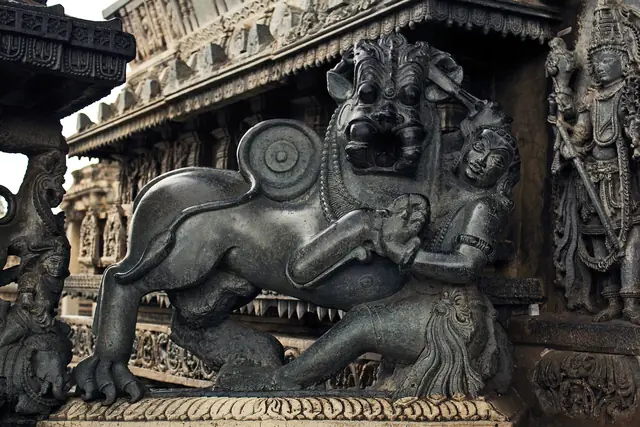
Hoysalas
Hill chiefs of the Western Ghats who served the Kalyani Chalukyas, the Hoysalas became kings of southern Karnataka in the twelfth century. Their star-shaped temples at Belur, Halebidu and Somanathapura are carved like ivory.
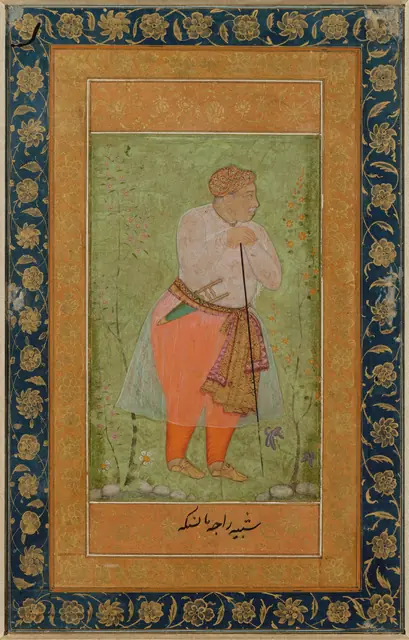
Kachwahas of Amber and Jaipur
The Kachwahas ruled Dhundhar from Amber. Allied with the Mughals from 1562, they became the empire’s great generals; Sawai Jai Singh II then built Jaipur and its observatories.
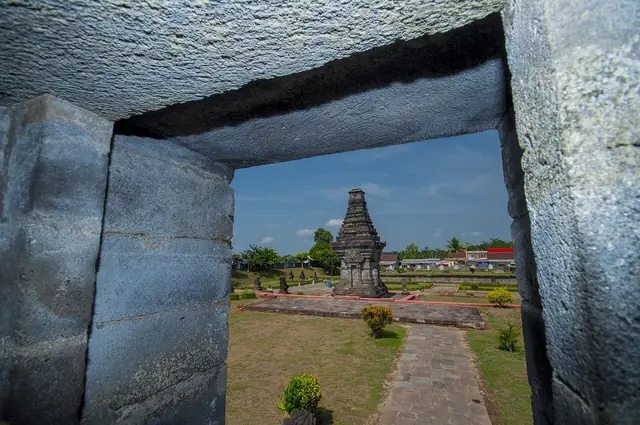
Kediri (Panjalu)
The East Javanese kingdom in whose court the Mahabharata became Javanese poetry. Its king Jayabhaya was hailed as Vishnu come down to earth, and the kakawin written for him are still read in Java and Bali.
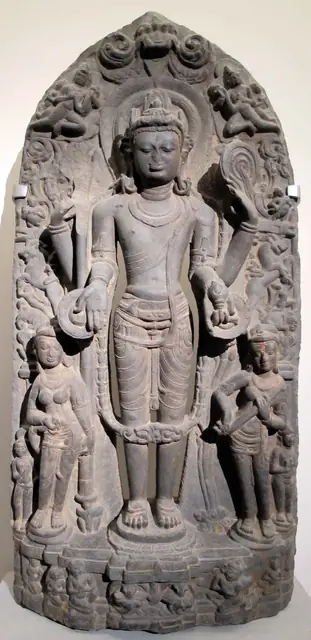
Sena dynasty
A family from Karnata in the south settled in western Bengal, served the Palas, and then replaced them. Their court produced the Gita Govinda, and their capital fell to Bakhtiyar Khalji’s raid around 1204.
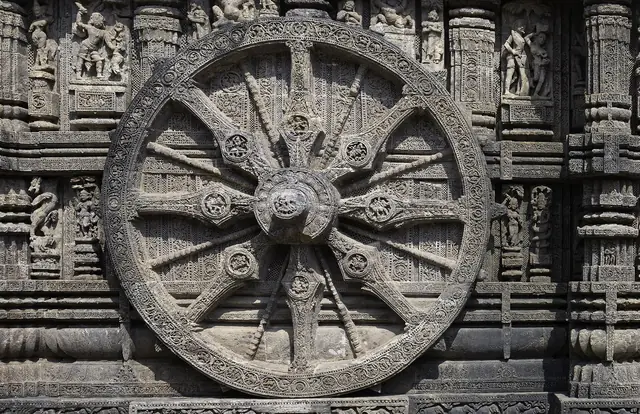
Eastern Gangas
Anantavarman Chodaganga joined Kalinga to Utkala and began the present temple of Jagannath at Puri. His heirs built Konark and held Odisha against the Bengal sultans for two centuries.
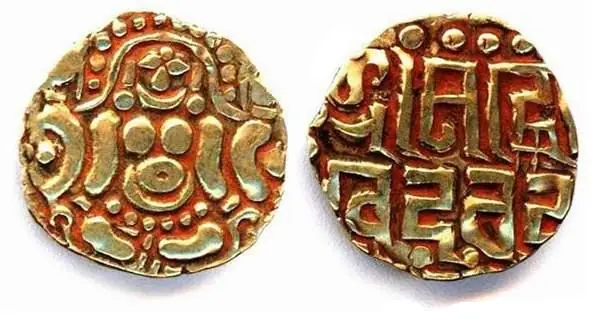
Gahadavalas of Kannauj and Kashi
Chandradeva took Kannauj at the end of the eleventh century and named himself protector of the tirthas of Kashi, Kushika, Uttara Kosala and Indrasthana. A century later Jayachandra fell at Chandawar against Muhammad of Ghor.
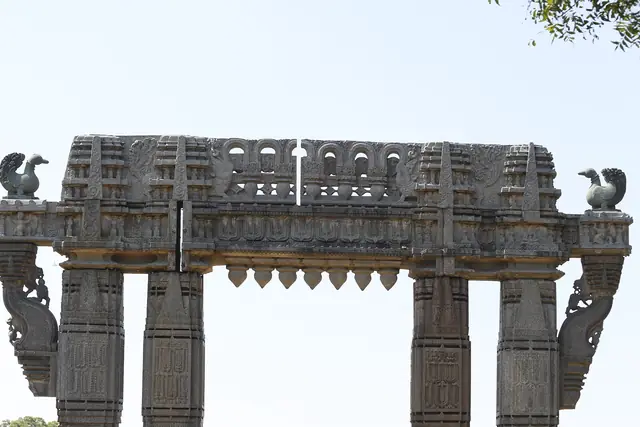
Kakatiyas
Feudatories of the Kalyani Chalukyas who became the first kings to unite the Telugu-speaking land. They built Warangal, hundreds of irrigation lakes and the Ramappa temple.
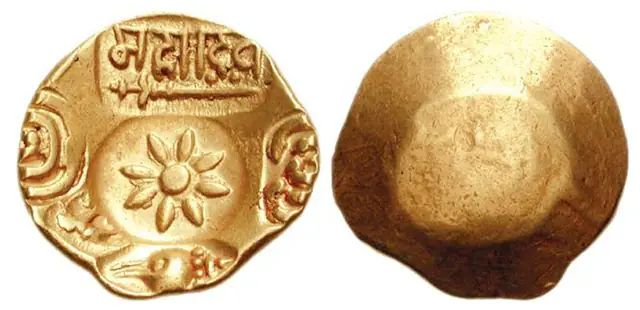
Seuna Yadavas of Devagiri
The Seunas claimed descent from the Yadu line of Shri Krishna. Bhillama V built Devagiri around 1187, and his heirs ruled the first great Marathi-speaking kingdom until Alauddin Khalji’s armies broke it.
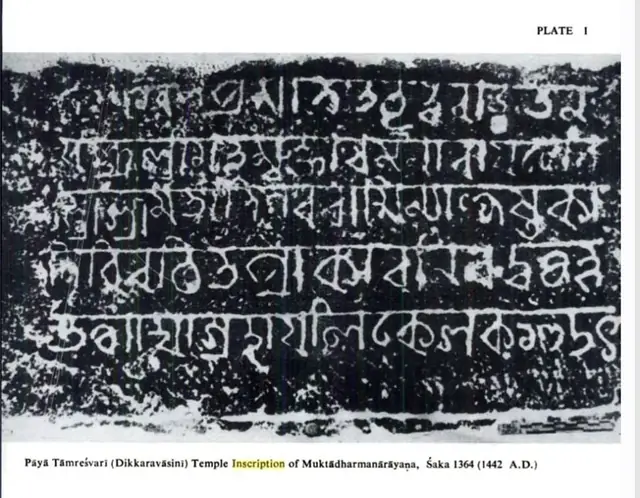
Chutia kingdom of Sadiya
The Chutia kings ruled the far north-east corner of the Brahmaputra valley from Sadiya until the Ahom king Suhungmung annexed their land in 1523. Their copper plates and the Tamreswari inscription show a Sanskrit-using Shakta court.
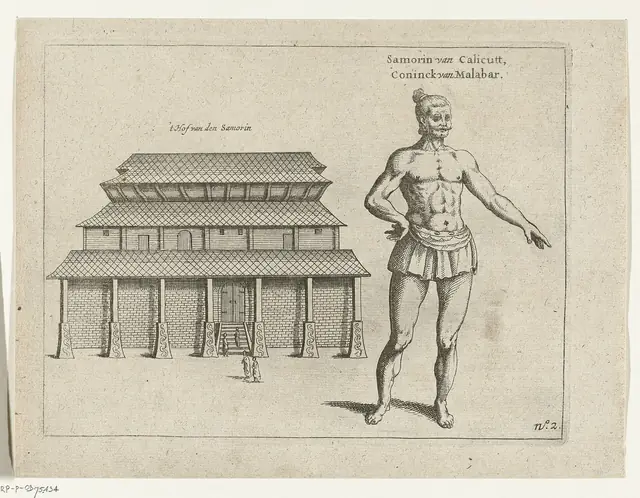
Zamorins (Samoothiri) of Kozhikode
The Samoothiri, called Zamorin by Europeans, ruled the port of Kozhikode, the busiest pepper market on the Indian Ocean, for some five centuries. They received Zheng He’s fleets and Vasco da Gama, and fought the Portuguese at sea for a hundred years.
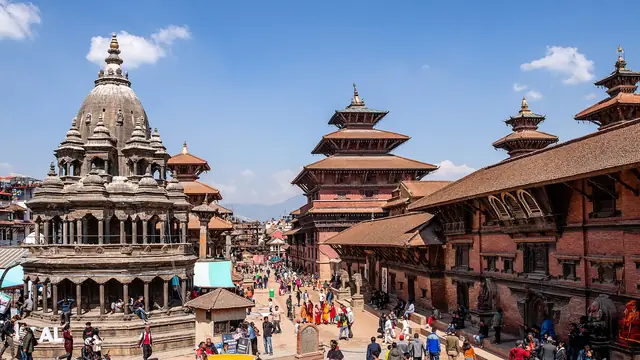
Mallas of Nepal
For five and a half centuries the Malla kings filled the Kathmandu valley with pagoda temples, palace squares and festivals. While northern India fell under the Sultanate, the valley stayed a Hindu kingdom, and its three Durbar Squares are their work.
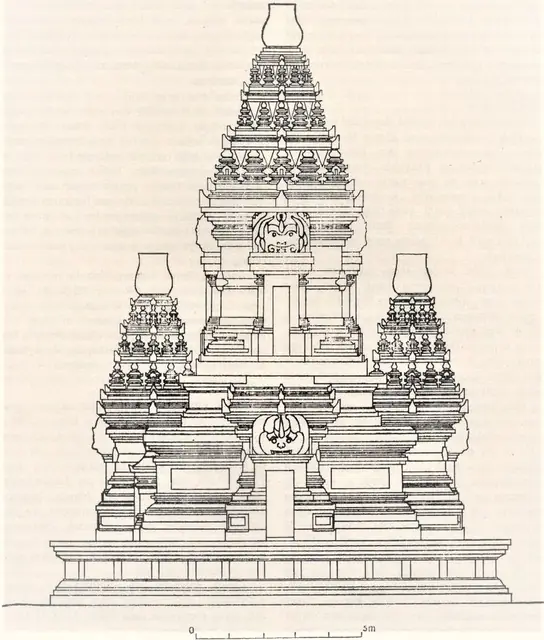
Singhasari
A short, fierce dynasty that began with the usurper Ken Arok and ended with Kertanagara, the king who defied Kublai Khan. Its temples hold some of the finest sculpture ever made in Java.
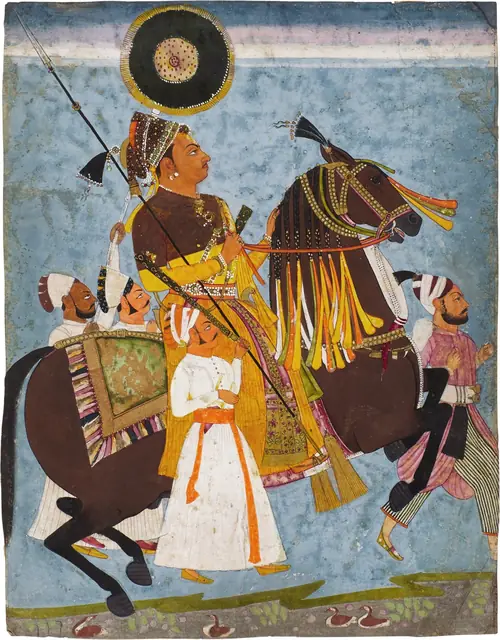
Rathores of Marwar
Rao Siha’s clan came into the desert in the thirteenth century; Rao Jodha built Mehrangarh in 1459. In the war after 1679 the Rathores, led by Durgadas, saved their infant king from Aurangzeb and fought for him for nearly thirty years.
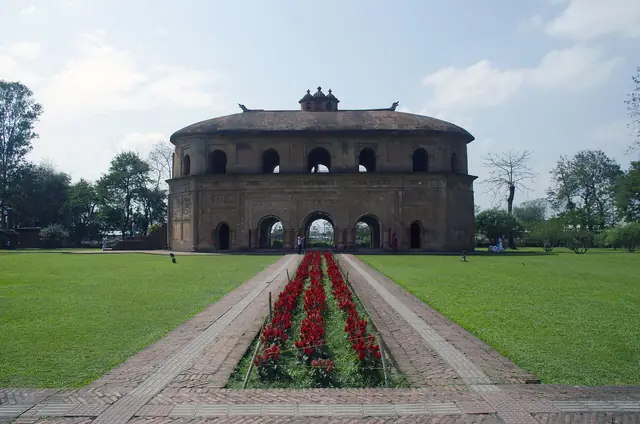
Ahom kingdom
Sukaphaa crossed the Patkai hills in 1228 with a small band of Tai followers, and his house ruled Assam for six hundred years. The Ahoms beat back every Delhi and Mughal invasion of the valley, most famously at Saraighat in 1671.
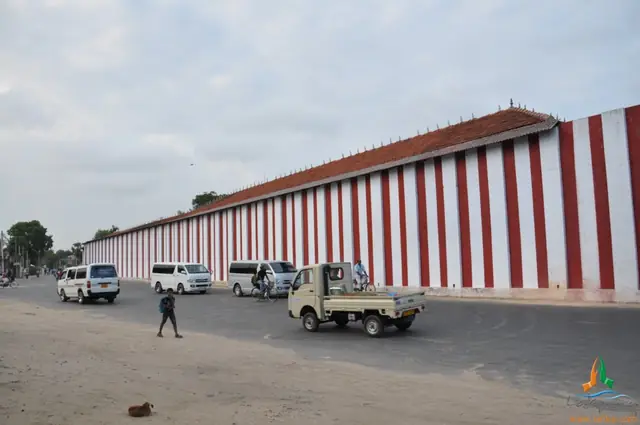
Aryachakravarti kings of Jaffna
A Tamil Shaiva kingdom in the north of Lanka whose kings, descended by tradition from Brahmin warriors of Rameswaram, ruled from Nallur for over three centuries until the Portuguese took it in 1619.
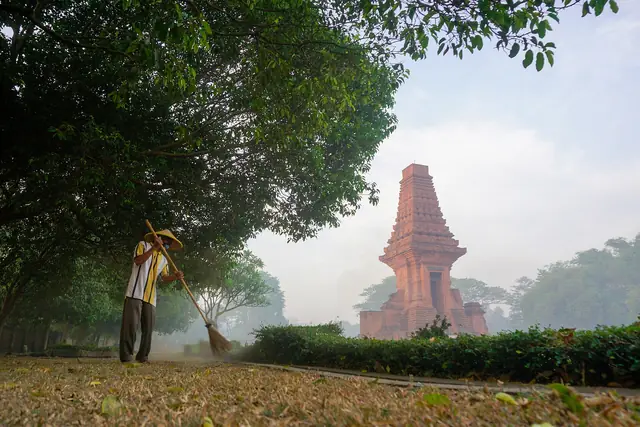
Majapahit
The last and greatest Hindu-Buddhist empire of the archipelago. Its prime minister Gajah Mada swore to unite Nusantara, and its poet Mpu Tantular gave Indonesia its national motto.
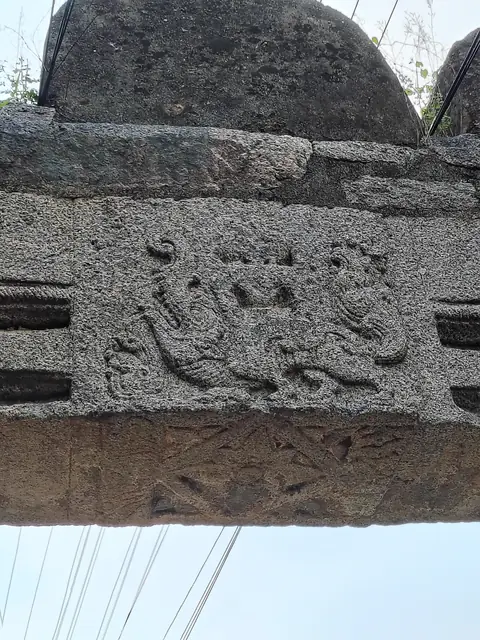
Musunuri Nayakas
Captains of the fallen Kakatiyas, the Musunuri Nayakas united the Telugu chiefs and drove the Tughluqs out of Warangal in 1336. For thirty years they held the country, until the Bahmanis wore them down.
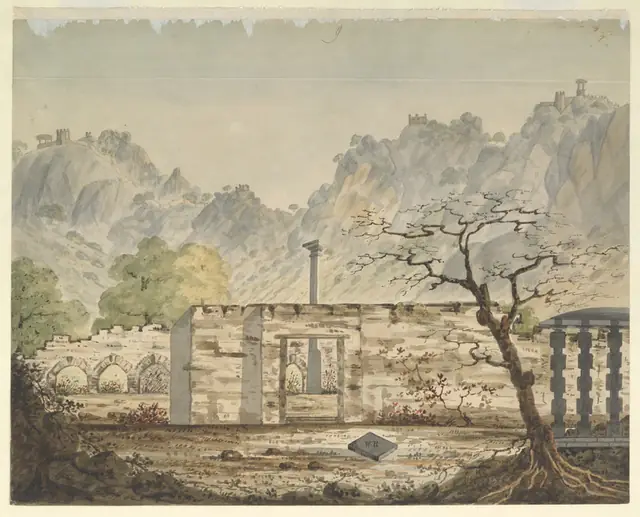
Reddi kings of Kondavidu and Rajahmundry
When the Delhi Sultanate’s grip on the Andhra country broke after the fall of Warangal in 1323, Prolaya Vema Reddi raised a kingdom on the coast. For a century the Reddis ruled from Addanki, Kondavidu and Rajahmundry, and their courts gave Telugu two of its great poets.
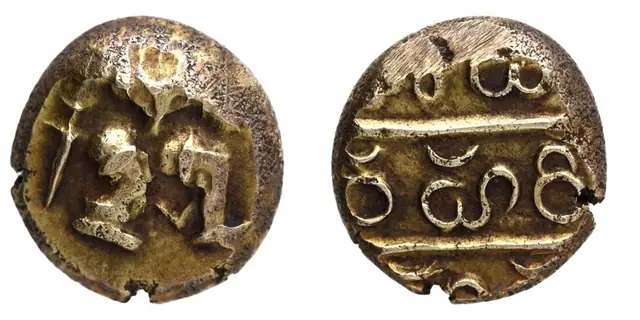
Vijayanagara Empire (Sangama, Saluva, Tuluva, Aravidu)
Founded in 1336 on the Tungabhadra by the brothers Harihara and Bukka, Vijayanagara held the south for Sanatan Dharma for more than two centuries. Four dynasties ruled it; its city at Hampi was among the largest in the world before its fall in 1565.
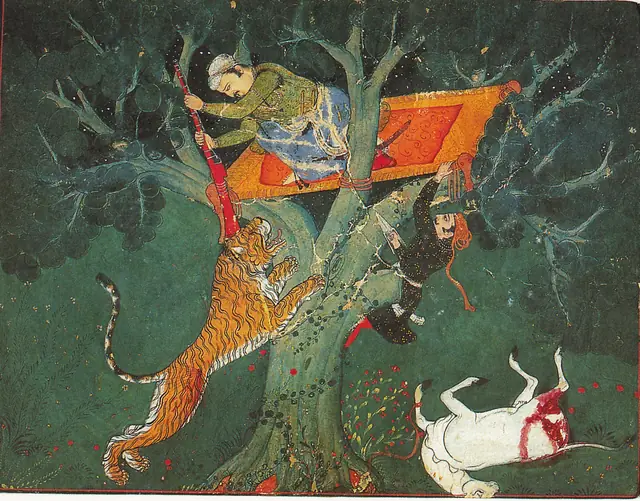
Hada Chauhans of Bundi and Kota
Rao Deva, a Hada Chauhan, took Bundi in 1342 and gave the country its name, Hadoti. The family later split into Bundi and Kota, and both houses ruled until 1949.
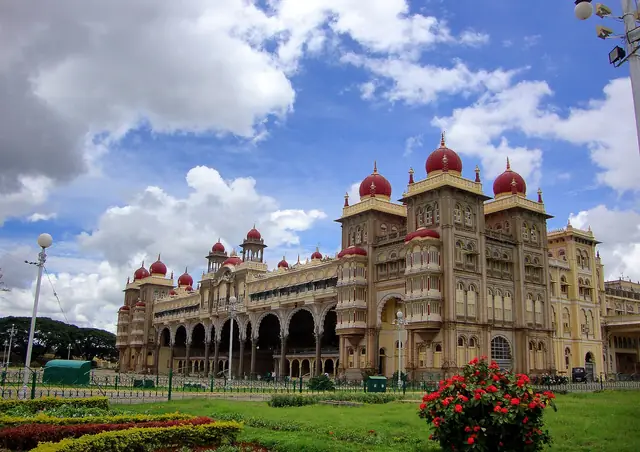
Wodeyars of Mysore
The Wodeyars began as chiefs around Mysore under Vijayanagara and became kings when Raja Wodeyar took Srirangapatna in 1610. Apart from the decades of Haidar Ali and Tipu Sultan, they ruled Mysore until Indian independence, and kept the Vijayanagara Navaratri alive as the Mysore Dasara.
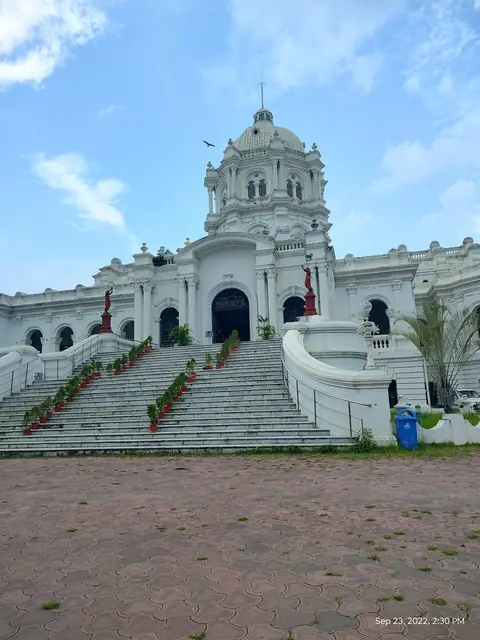
Manikya kings of Tripura
The Manikya kings ruled Tripura for about five centuries, among the longest unbroken royal lines of Bharat. Their own chronicle, the Rajmala, was set down in Bengali verse in the fifteenth century, and Dhanya Manikya built the temple of Tripura Sundari in 1501.
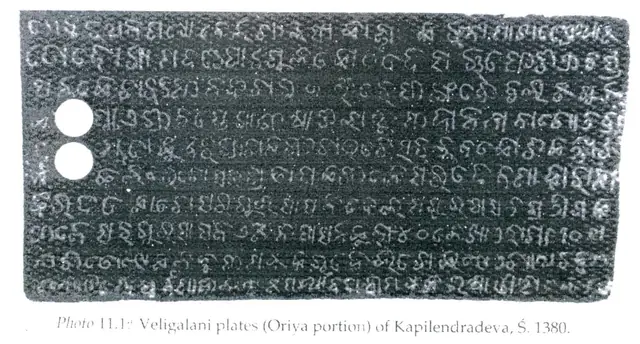
Suryavamshi Gajapatis of Odisha
Kapilendra Deva took the throne of the Gangas in 1434 and built, for a few decades, the largest Hindu kingdom of the east. His grandson Prataparudra welcomed Chaitanya Mahaprabhu to Puri.
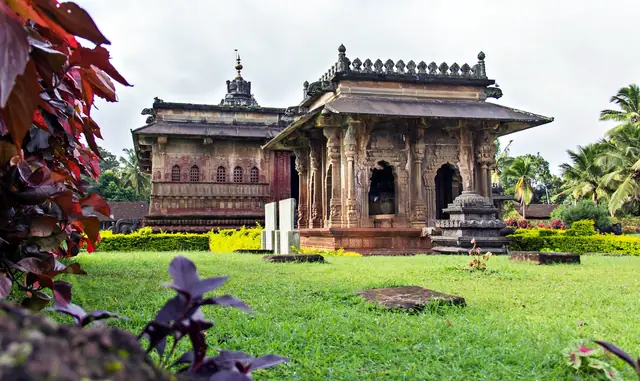
Nayakas of Keladi (Ikkeri)
The Keladi Nayakas rose as Vijayanagara chiefs in the Malnad hills and outlived the empire by two centuries. Their best-known ruler, Rani Chennammaji, gave shelter to Chhatrapati Rajaram in 1689 and held off Aurangzeb’s army.
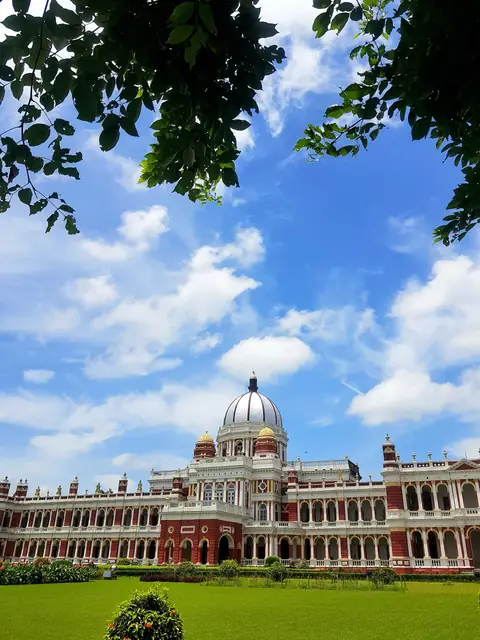
Koch kings of Cooch Behar
Biswa Singha founded the Koch kingdom early in the sixteenth century, and under his son Naranarayan and the general Chilarai it was the strongest power between Bengal and the Ahom country. The Koch line went on ruling Cooch Behar until the state joined India in 1949.
Nayakas of Madurai
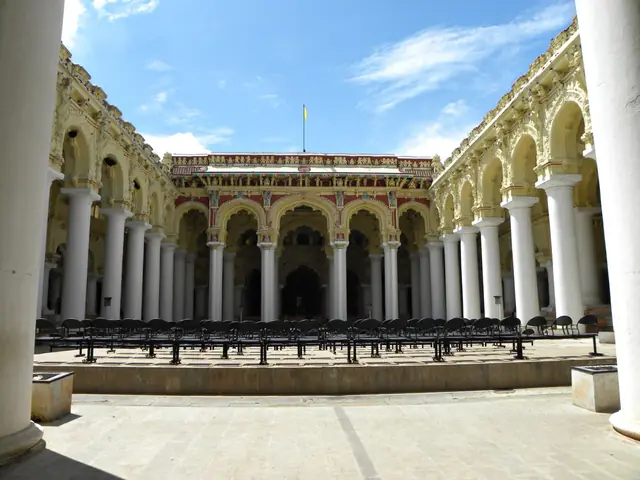
The Nayakas of Madurai began as Vijayanagara governors in 1529 and ruled the far south for two centuries. Much of the Meenakshi temple as pilgrims see it today, its towering gopurams and pillared halls, was built in their time.
Bundelas of Orchha and Panna
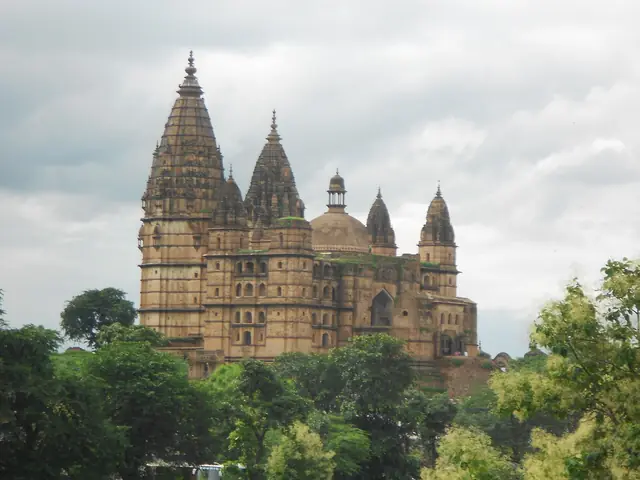
The Bundela Rajputs founded Orchha on the Betwa in 1531 and gave their name to Bundelkhand. Vir Singh Deo built the Keshav Dev temple at Mathura, and a century later Chhatrasal fought the Mughals for fifty years and made Panna an independent kingdom.
Nayakas of Thanjavur
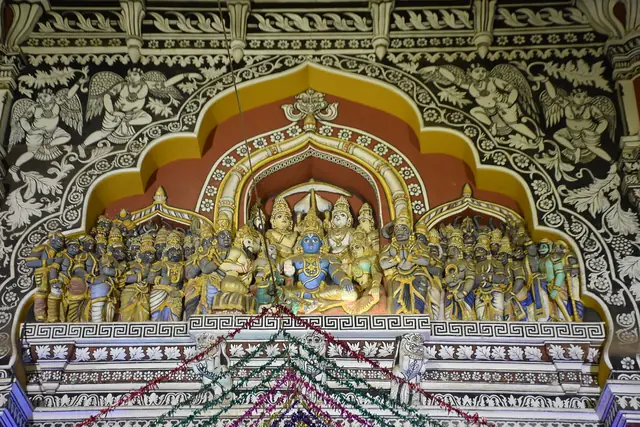
Four Nayaka kings ruled the Kaveri delta from Thanjavur for about 140 years, beginning as Vijayanagara governors. With their great minister Govinda Dikshita they made the delta a centre of music and learning, and built the core of the Thanjavur palace.
Shah dynasty of Nepal
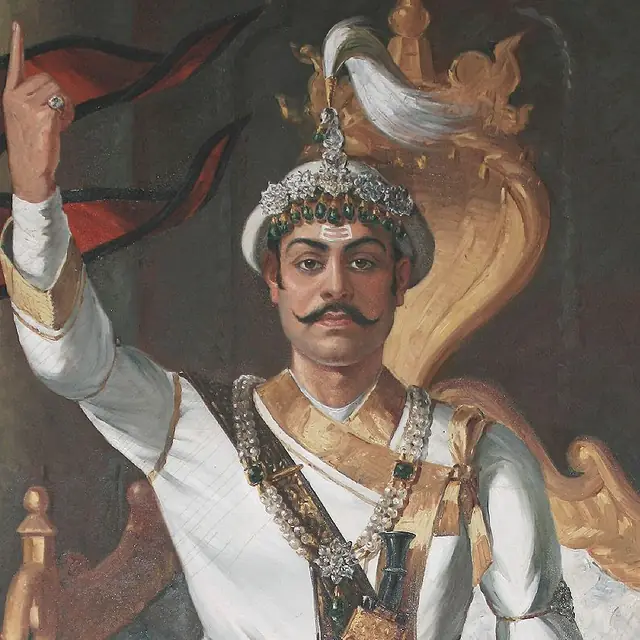
From the hill fort of Gorkha, Prithvi Narayan Shah built the kingdom of Nepal in the 1760s, and his heirs reigned until 2008. For most of that time Nepal was the world’s only Hindu kingdom, never colonised.
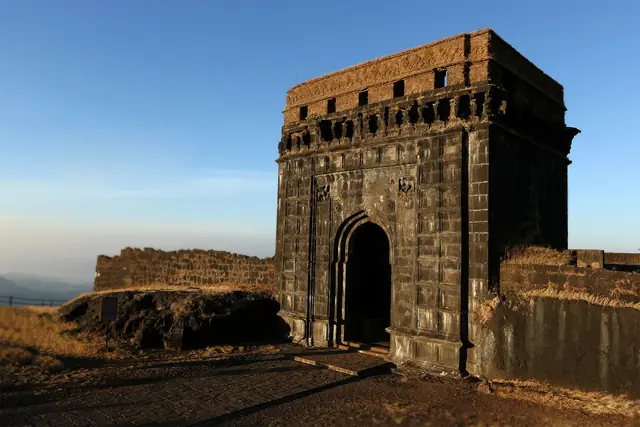
Maratha Chhatrapatis (Bhonsle)
Shivaji Bhonsle built a Hindu kingdom out of hill forts in the Sahyadri and was crowned Chhatrapati at Raigad in 1674. His sons and his daughter-in-law Tarabai held it through twenty-seven years of war with Aurangzeb, and the state they saved became the Maratha power that ruled much of India in the eighteenth century.
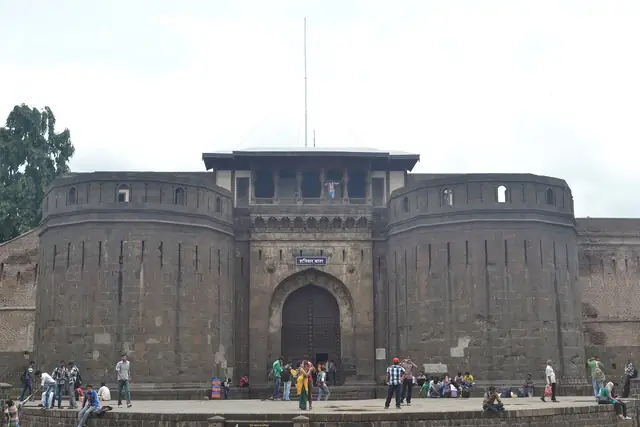
The Peshwas of Pune
The Peshwas were the hereditary chief ministers of the Chhatrapatis, and from 1713 to 1818 they ran the Maratha state from Pune. Under Bajirao I and his son Nanasaheb the Marathas became the strongest power in India, until Panipat in 1761 and the British wars that ended the line in 1818.
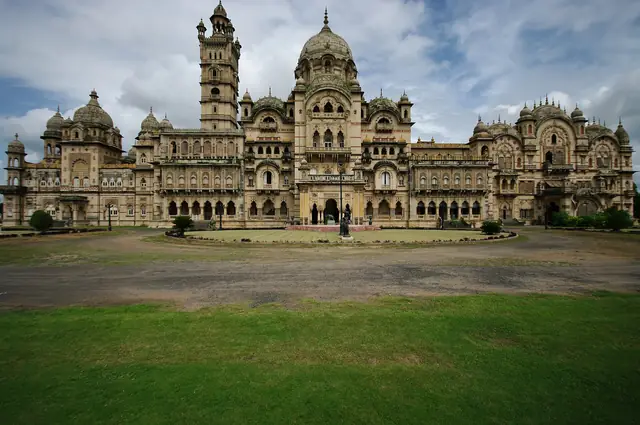
Gaekwads of Baroda
Pilaji Rao Gaekwad carried Maratha arms into Mughal Gujarat in the 1720s, and his son Damaji took Baroda. The house ruled Baroda until 1949, and under Sayajirao III it became the best-governed princely state in India.
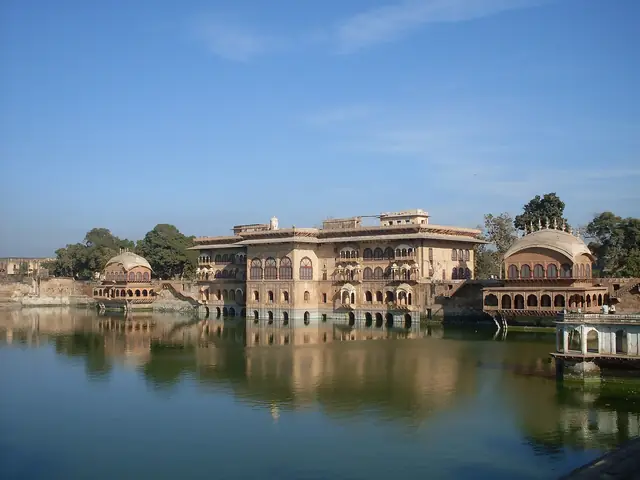
Jats of Bharatpur
The Jat peasantry of Braj rose against the Mughals in 1669 under Gokula, and out of that long revolt Badan Singh and his son Suraj Mal built a kingdom with its capitals at Deeg and Bharatpur. Lohagarh, the mud-walled fort of Bharatpur, threw back a British army four times in 1805.
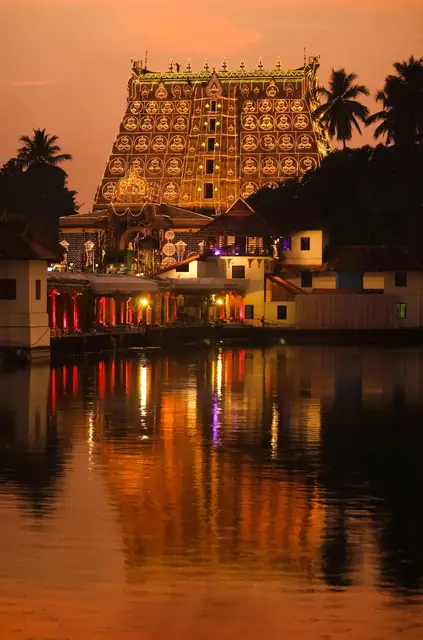
Kings of Travancore
Marthanda Varma built Travancore out of the small Venad kingdom in the 1730s and 1740s, beat the Dutch at Kolachel in 1741, and in 1750 gave the whole kingdom to Shri Padmanabha. His successors ruled as the deity’s servants until Travancore joined India.
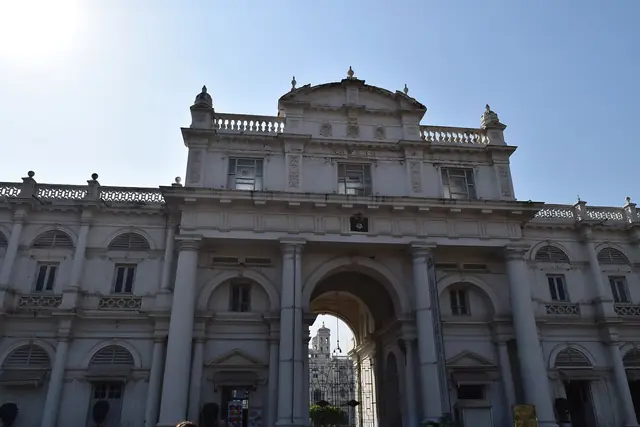
Scindias (Shinde) of Gwalior
Ranoji Shinde rose as a commander under Bajirao I and was given northern Malwa. His son Mahadji, who survived Panipat, became the master of Delhi and the most powerful Indian ruler of the 1780s; the house later ruled Gwalior until 1948.
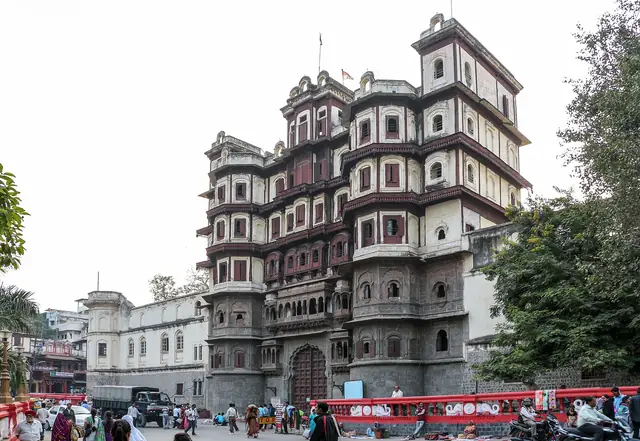
Holkars of Indore
Malhar Rao Holkar, a shepherd’s son from Hol near Jejuri, rose under Bajirao I to hold western Malwa. His daughter-in-law Ahilyabai ruled from Maheshwar for twenty-eight years and rebuilt temples across Bharat, including the Kashi Vishwanath temple that stands today.
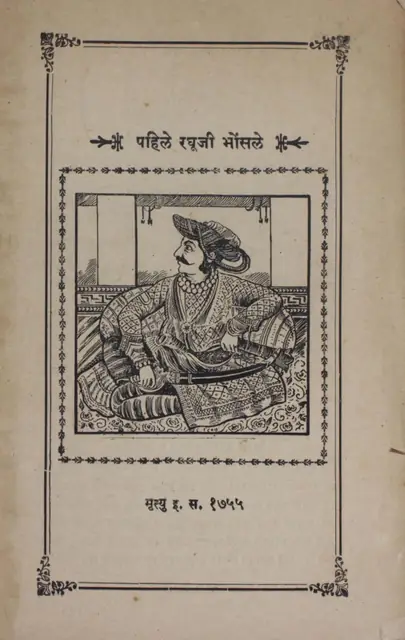
Bhonsles of Nagpur
Raghuji Bhonsle, a kinsman of the Chhatrapatis’ clan, was sent to Berar by Shahu and made Nagpur the seat of the largest Maratha state in central India. His armies took Odisha from the Nawab of Bengal, and the house ruled until the British annexed Nagpur in 1853.
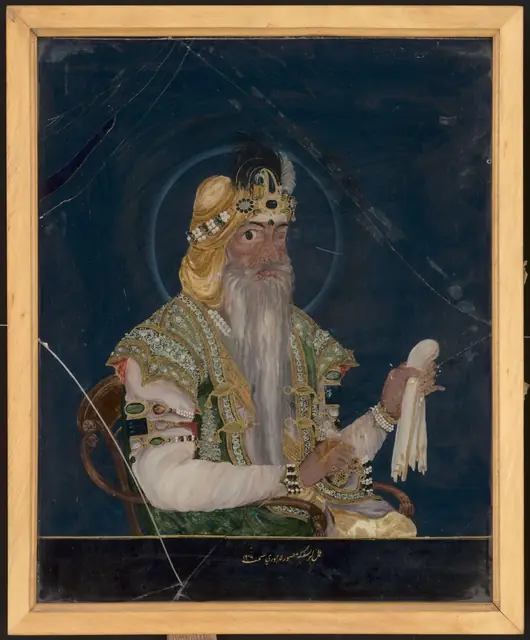
The Sikh Empire (Sarkar-i-Khalsa)
Ranjit Singh took Lahore in 1799 and was proclaimed Maharaja of the Punjab in 1801. He united the Sikh misls into one state, pushed the Afghans back beyond the Khyber, and built the last great Indian army to face the British; ten years after his death the empire was annexed in 1849.
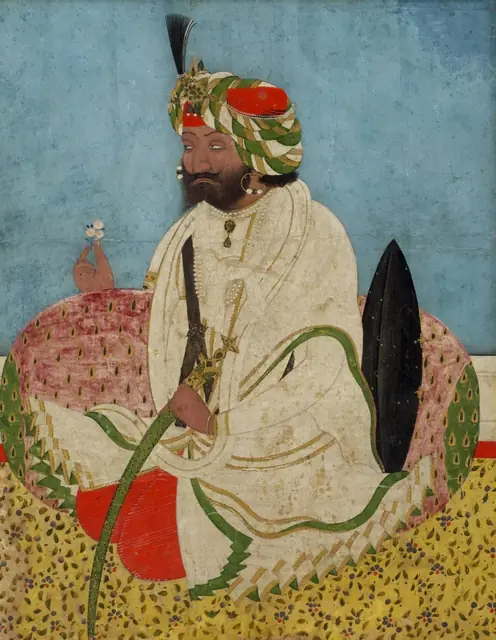
Dogras of Jammu and Kashmir
Gulab Singh, a Dogra Rajput in Ranjit Singh’s service, was made Raja of Jammu in 1822 and Maharaja of Jammu and Kashmir by the treaty of Amritsar in 1846. His general Zorawar Singh carried the Dogra flag across Ladakh to the edge of Tibet, and his great-grandson Hari Singh signed the state into India in October 1947.