01Sambandar and Ramana
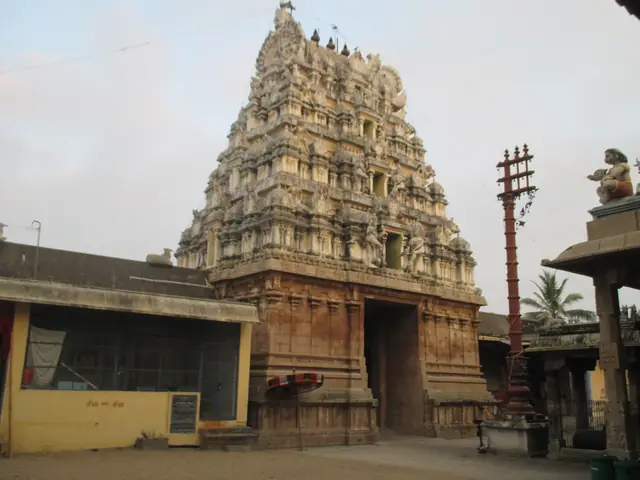
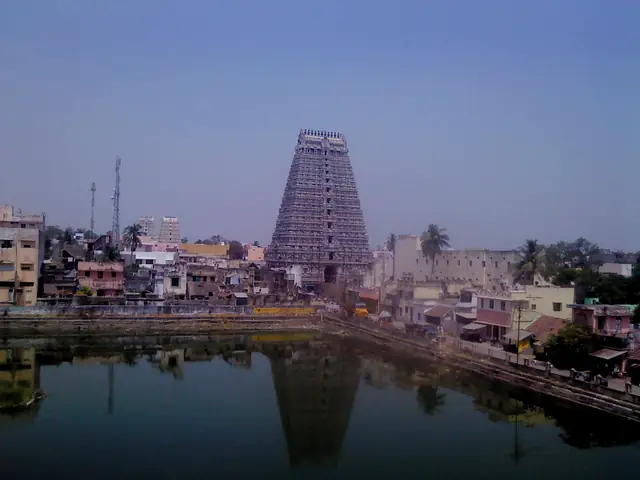
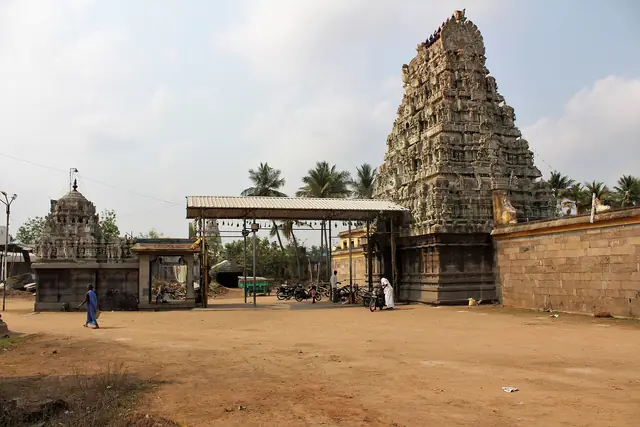
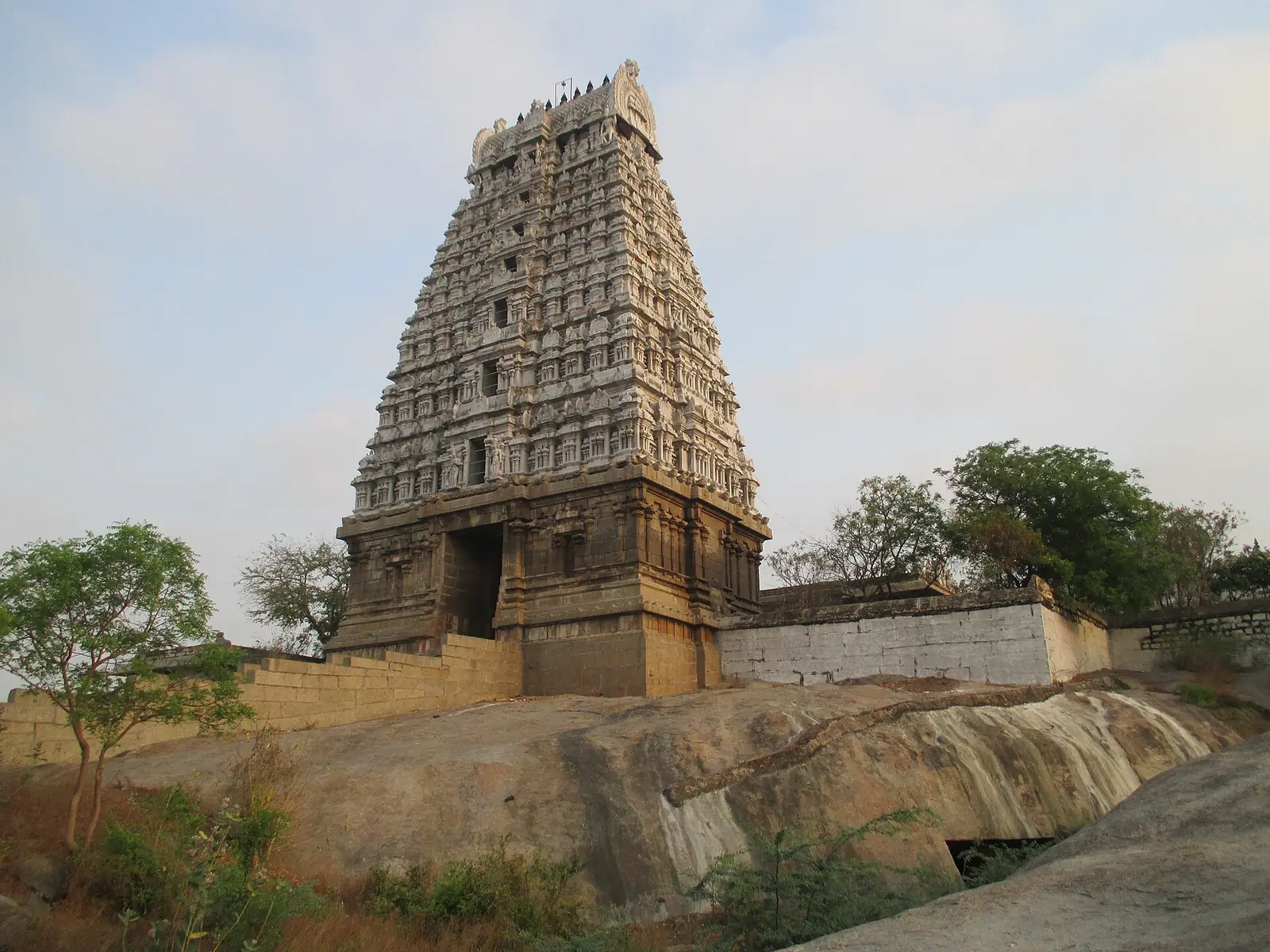
The temple’s katha says Sambandar came here meaning to go on to Tiruvannamalai, was held back, and worshipped Arunachala from this hill; footprints said to be his are shown on the rock, and Arunachala can be seen from that point. Centuries later, in 1896, the boy Venkataraman, walking towards Tirukkoyilur on his way to Tiruvannamalai, reached this temple at dusk; sitting in the pillared hall he saw a brilliant light fill the place. He was to become Bhagavan Ramana Maharshi. The temple stands on a granite hill, and the Vishnu sculpture here is tied to the katha of Vishnu worshipping Shiva after Vamana’s dealing with Mahabali.
02Ninety-six inscriptions
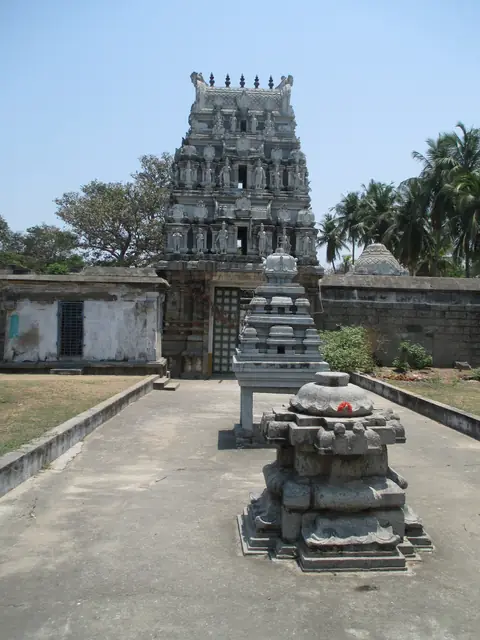
Three rock-cut caves on the hill go back to the Pallavas; the Cholas enlarged the temple and the Vijayanagara kings built most of what stands. Ninety-six inscriptions were copied for the Annual Reports on South Indian Epigraphy in 1902, 1905 and 1935. They run through the Chola kings from Rajaraja I to Rajendra III, the Pandyas Maravarman Sundara Pandya and Maravarman Vikrama Pandya, the Sambuvaraya chief Rajanarayana, and the Vijayanagara rulers Kampana Udaiyar, Krishnadeva Raya and Sadasiva Raya.
The life of this place
- 1896 CEThe young Venkataraman (Ramana Maharshi), on his way to Tiruvannamalai, sees a brilliant light in this temple.
Across the Pennai bridge from Tirukkoyilur; climb the rock for the view of the river and, on a clear day, Arunachala.