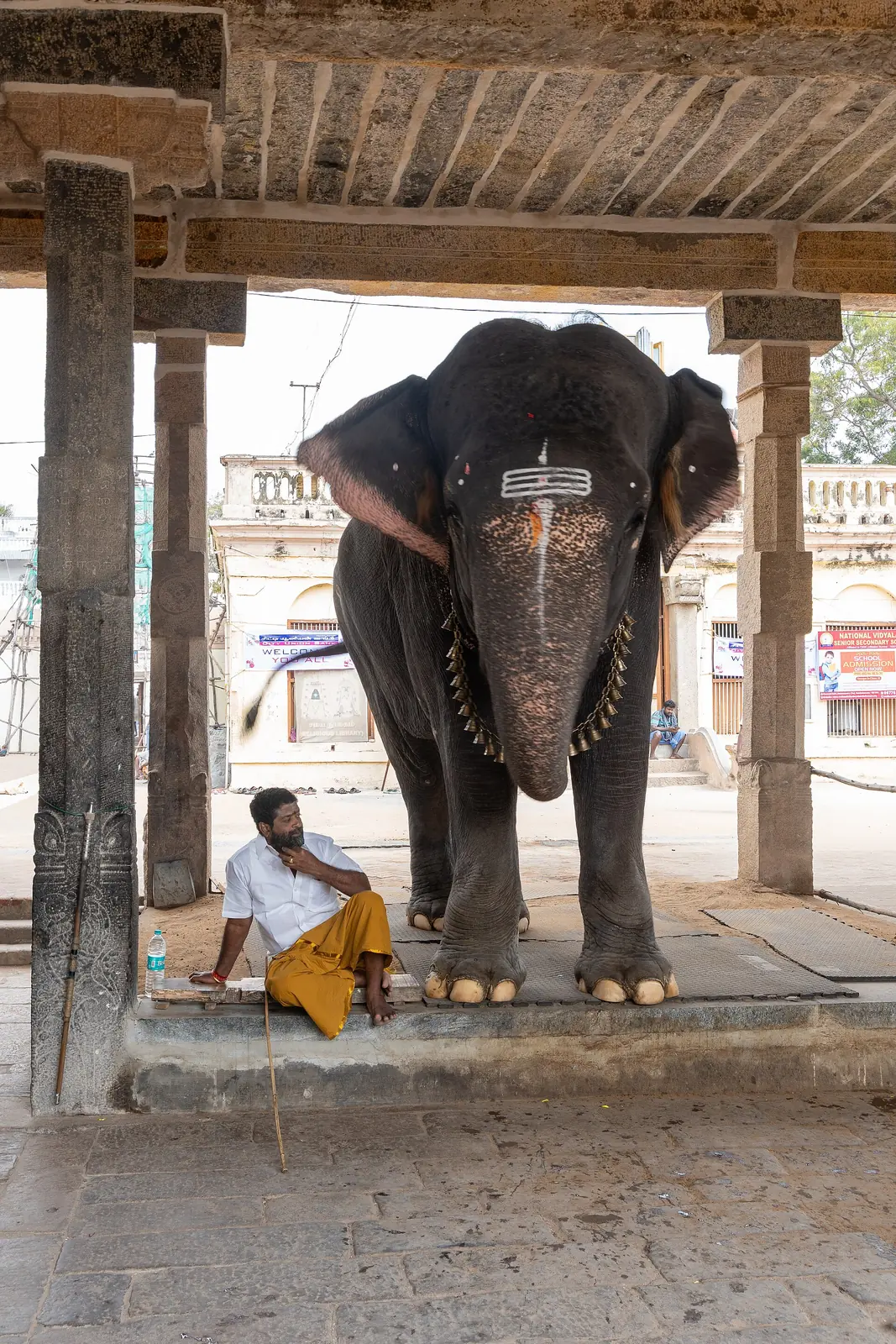
01The pot of nectar
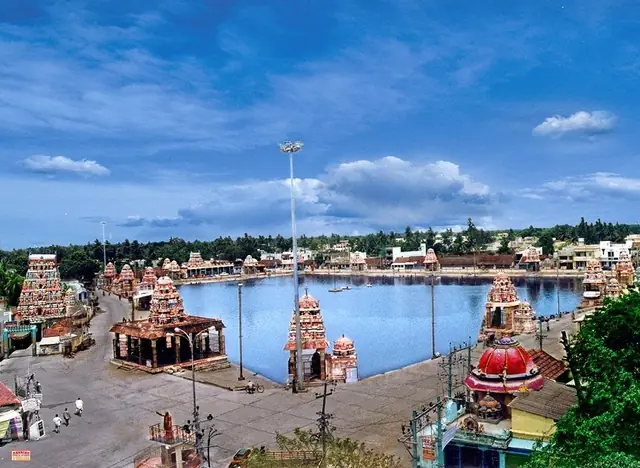
The sthala purana tells that before the pralaya Bhagwan Brahma placed the seeds of creation and the Vedas in a pot of amrita and set it adrift. When the waters went down the pot came to rest here, and Shiva, as a kirata, shot an arrow that broke it; the amrita spilled and the sand mixed with it, and Shiva made a linga of that sand in the shape of a pot. The linga of Adi Kumbeswarar is narrow at the top and broad below, like a kumbha. The tank where the nectar gathered became the Mahamaham.
02Tevaram and the Nayaks
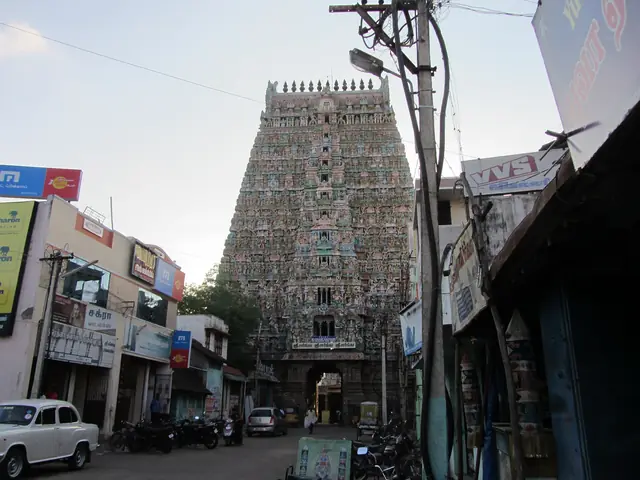
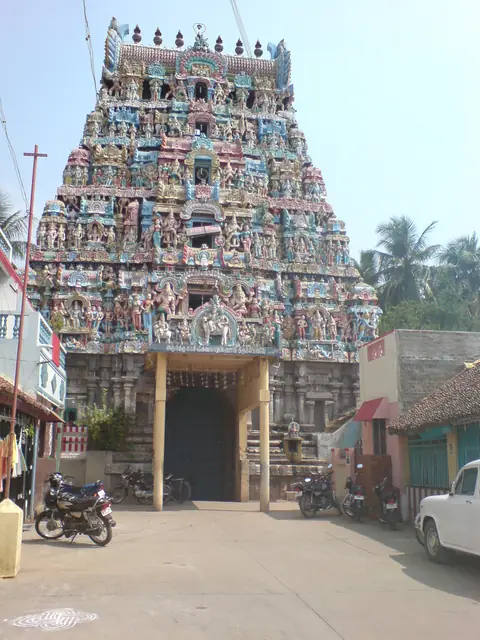
Appar and Thirugnana Sambandar sang of the Lord here in the Tevaram, which makes the temple one of the Paadal Petra Sthalams. The core is Chola; the great rajagopuram, the long pillared corridors and the Navaratri mandapa with its single-stone carving of the 27 nakshatras and 12 rashis belong to the Nayak period, when the minister Govinda Dikshitar did much building in the town. At the Mahamaham, held once in twelve years when Jupiter is in Leo, the deities of the town’s Shiva temples come to the tank, and Adi Kumbeswarar leads them.
In the centre of Kumbakonam, a short walk from the Mahamaham tank and the Sarangapani temple.