01Karavira, the Devi’s own city
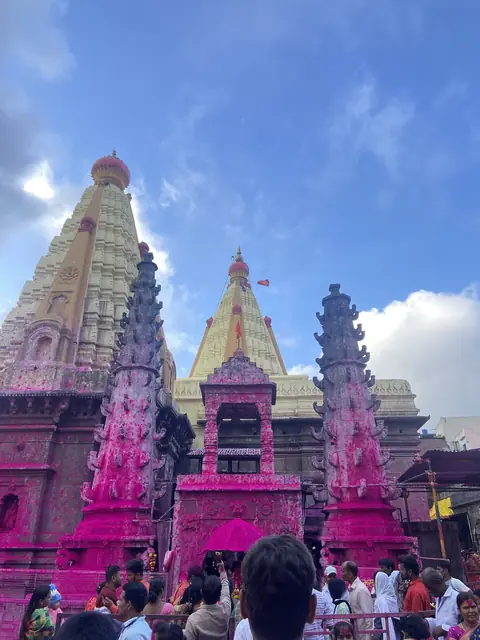
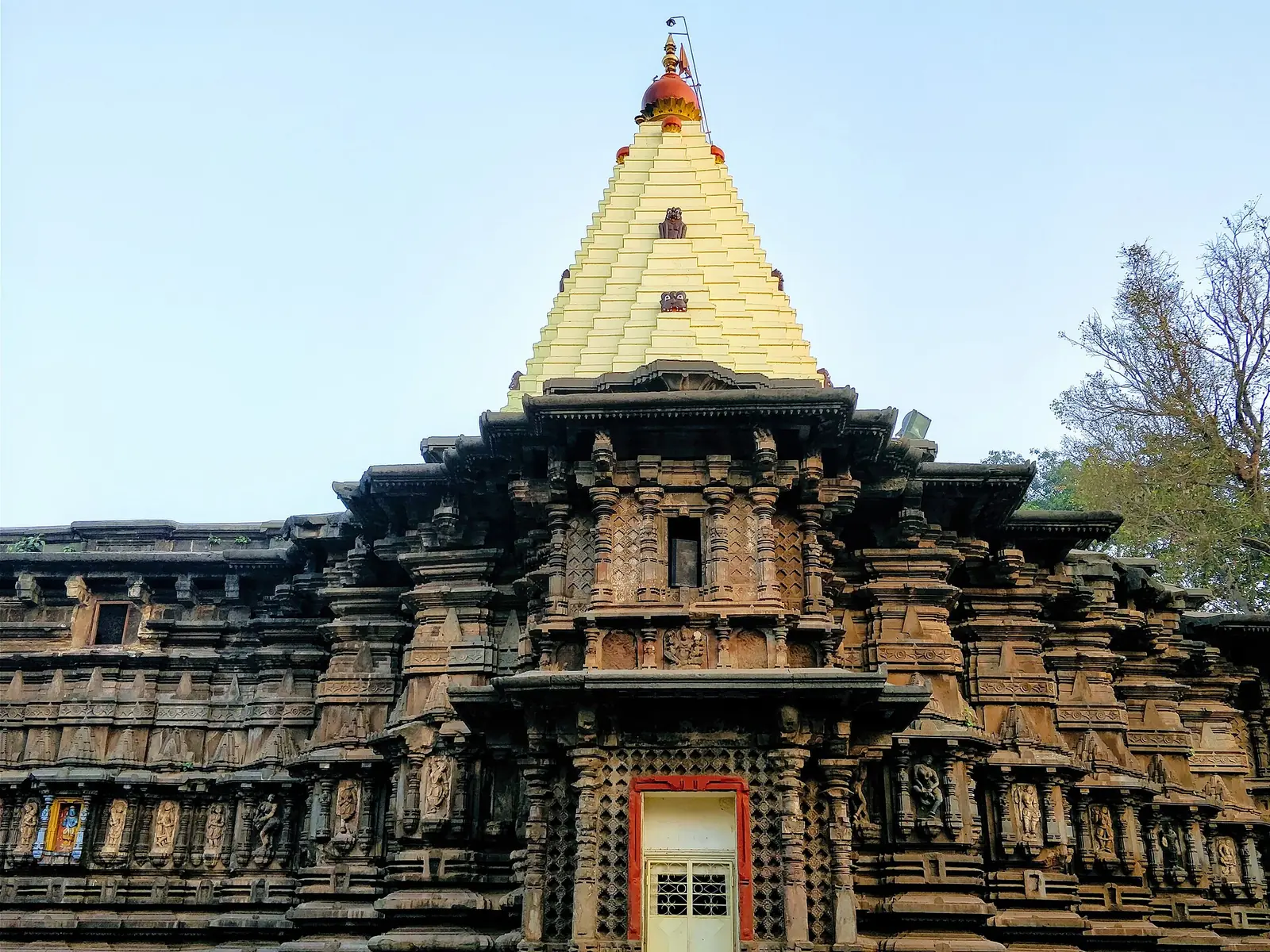
Kolhapur’s old name is Karavira, and the Puranas’ Karavira Mahatmya calls it a city that Mahalakshmi never leaves, even in pralaya. She is counted among the Shakti Peethas and the three and a half peethas of Maharashtra. The murti is of black stone, crowned, with a cobra’s hood behind her head and a linga carved on the crown. Unusually she faces west. On a few evenings in January–February and October–November the sun’s last rays pass through the windows and fall on her feet, then her body, then her face: the Kiranotsav, which the town gathers to watch.
02Hidden and brought back
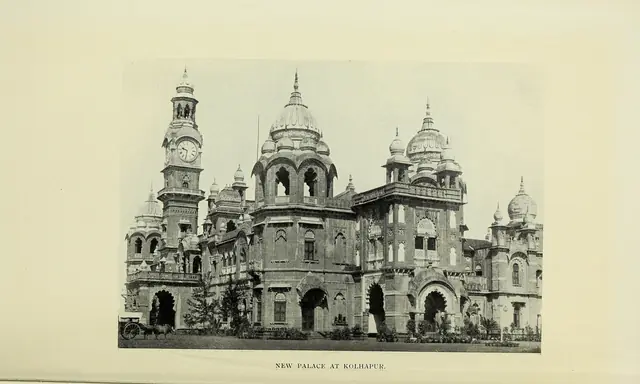
The oldest parts of the stone temple go back to the Chalukya period, with much of the carved work from the Shilahara kings of Kolhapur in the 11th–12th centuries; Jain and Hindu figures share its outer walls. In the wars of the 17th century the priests took the murti out and hid it in the town to keep it safe. It was installed again in the temple in the early 18th century, under the Bhonsle rulers of Kolhapur, and the temple has been in daily worship since. Navaratri here ends with the Devi carried through the city in a palkhi.
The life of this place
- 11th–12th centuryThe Shilahara kings of Kolhapur build and adorn much of the stone temple.
- 17th centuryThe murti is taken out and hidden in the town for safety during the wars.
- early 18th centuryThe murti is installed again in the temple under the Kolhapur Bhonsles.
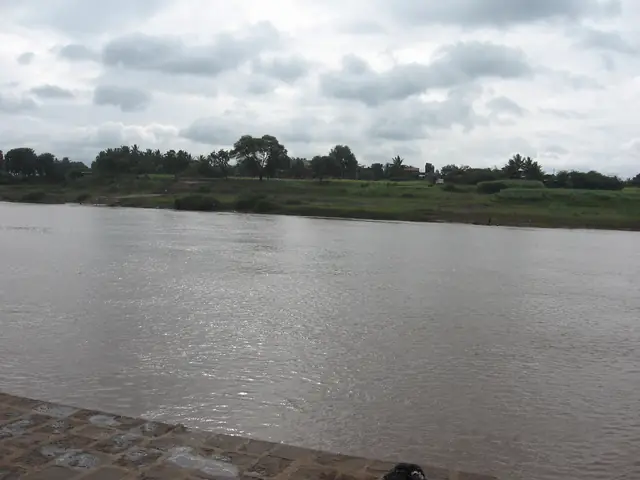
In the heart of old Kolhapur, near the Bhavani Mandap. Go at dusk on the Kiranotsav days, and keep time for Rankala lake nearby.