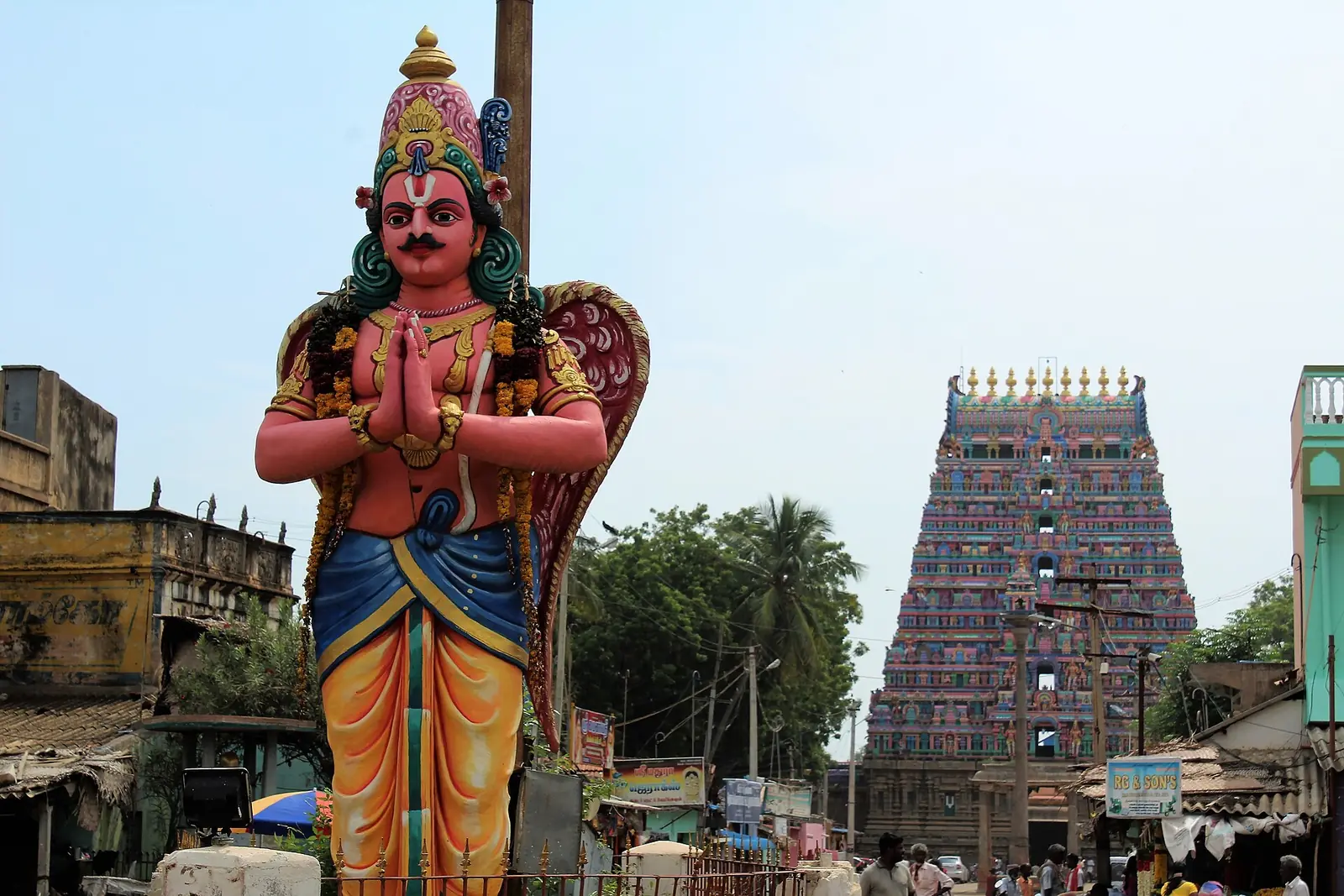
01Varaha who appeared of himself
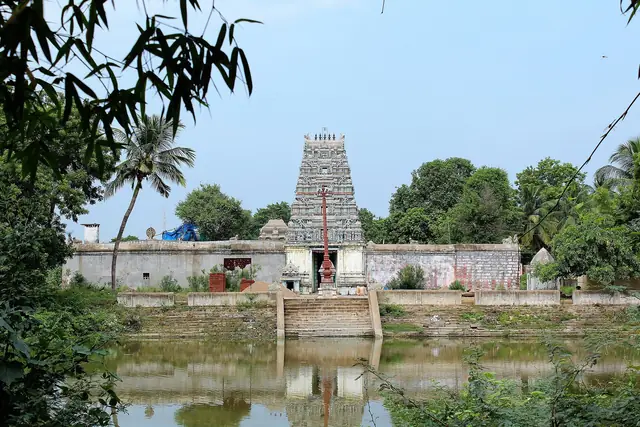
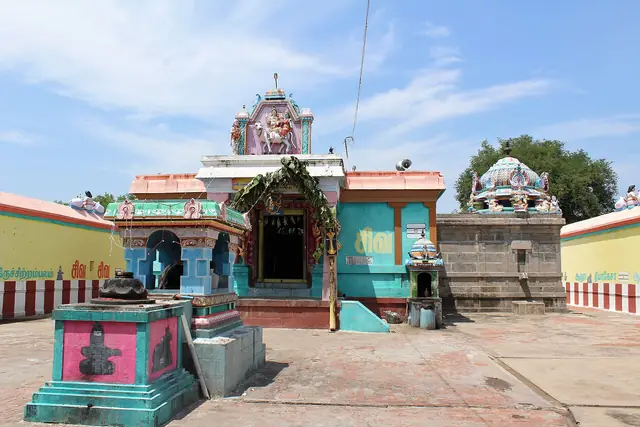
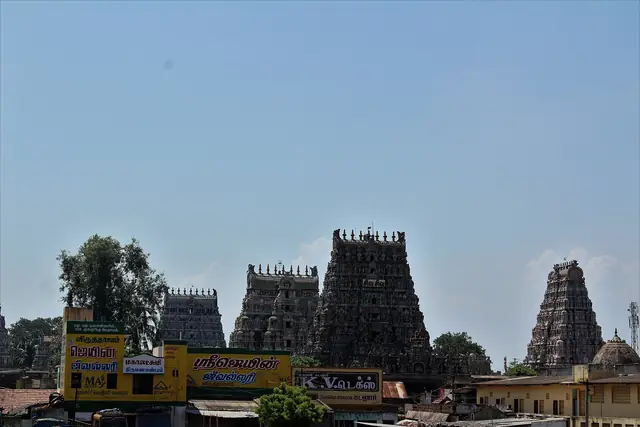
The Puranas tell that when the asura Hiranyaksha dragged the Earth into the depths of the ocean, Vishnu took the form of a boar, slew him and raised Bhudevi on his tusk. Srimushnam is honoured as the place where that Varaha manifested of his own accord, swayam vyakta, not carved or installed by any hand. The small black image in the sanctum faces west, his hands on his hips, and his body turned to the north. Srimushnam is counted with Srirangam, Tirumala, Vanamamalai, Saligrama (Muktinath), Naimisharanya, Pushkar and Badrinath among the eight such kshetras.
02Chola gifts, Nayaka halls
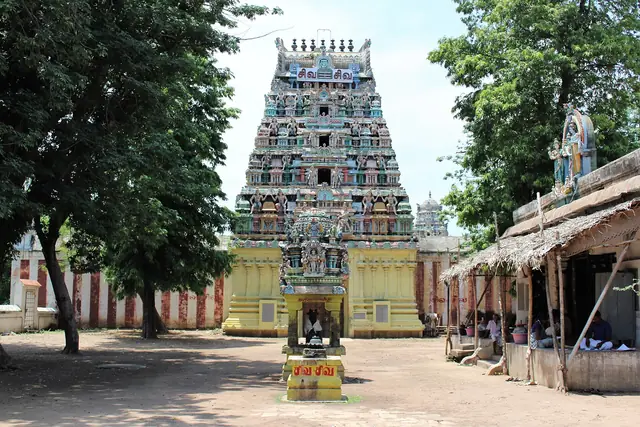
Chola inscriptions show the shrine already honoured in the 11th century: Virarajendra made gifts to it, and an inscription of Kulottunga I of about 1100 records a village given to Varaha Alvar. Vijayanagara rulers from Virupaksha Raya II (1471) to Venkata II left grants. The temple largely took its present form under Achyutappa Nayaka of Thanjavur, who built the sixteen-pillared Purushasukta Mandapa, where life-size figures of the king and his brothers stand among carved horses and chariots.
03The Masi Magam procession
At Masi Magam the festival image of Varaha is carried to the sea at Killai for the holy bath. On the way the procession halts at the dargah of the Sufi Syed Shah Rahmatullah, where the temple sends a silk shawl and tulsi and the dargah offers rice and fruit, a custom both sides have kept for generations. Local Muslims also present the flag for the temple chariot.
The life of this place
- c. 1068Virarajendra Chola makes gifts to the Varaha shrine, recorded in nearby Shiva temples.
- c. 1100An inscription of Kulottunga Chola I records a village given to Varaha Alvar.
- 1471Vijayanagara grant in the reign of Virupaksha Raya II.
- c. 1560–1614Achyutappa Nayaka of Thanjavur builds the Purushasukta Mandapa and expands the temple.
About 40 km from Chidambaram and 25 km from Vriddhachalam. The east gopuram opens only on Vaikuntha Ekadashi; Masi Magam and the Chittirai Brahmotsavam are the great festivals.