01From the king’s court to Chidambaram
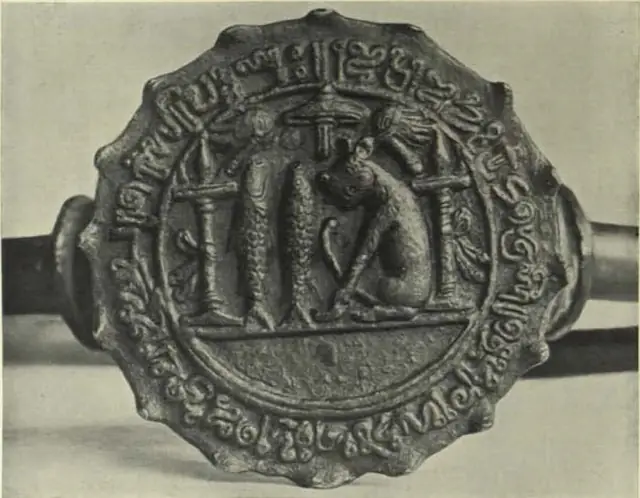
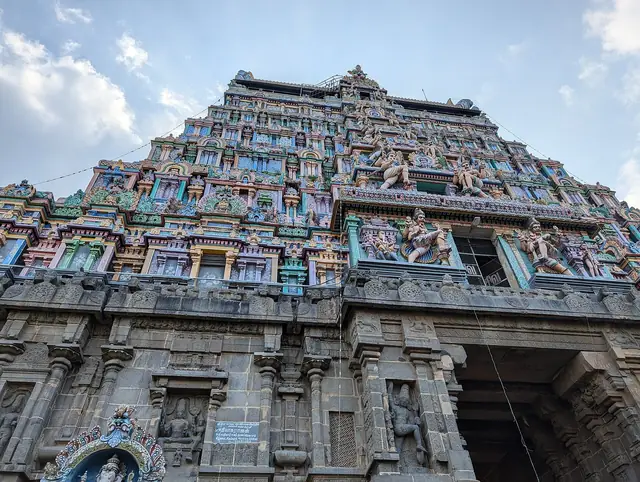
Sekkizhar names his king as Anapaya, a title of Kulottunga II. The Shaiva tradition says the king delighted in the Jain epic Jivaka Chintamani, and his minister urged him to hear instead the lives of Shiva’s own devotees. The king sent him to write them. Sekkizhar went to Chidambaram, and the tradition holds that the Lord himself gave the first word, ‘ulagelam’, from the sky. The finished poem was recited in the thousand-pillared hall of the Nataraja temple over a year, and the king honoured the poet with a procession through the streets.
02Sixty-three lives
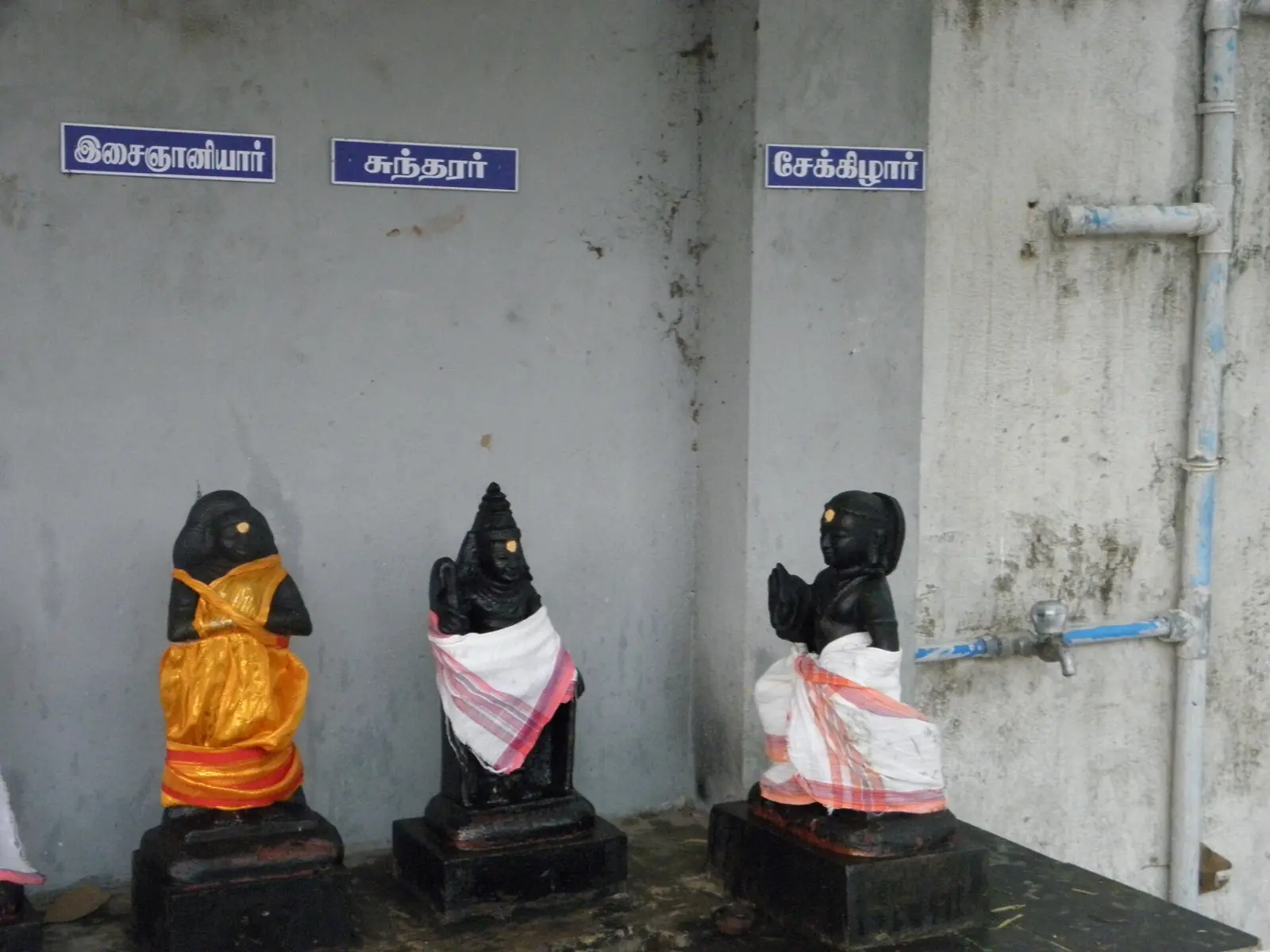
Sundarar’s Tiruttondattogai had named the devotees in eleven verses, and Nambiyandar Nambi had expanded each name into a short verse. Sekkizhar turned these into a single poem of more than 4,200 verses. Kings and potters, a hunter who offered his own eyes, a woman who walked to Kailash on her hands, a Brahmin boy and an untouchable devotee all stand in it as equals before Shiva. Sekkizhar visited the places where they had lived, and his poem names villages, temples and rivers precisely. He is himself honoured as a saint, with an annual guru puja, and his shrine stands in his birthplace, Kundrathur.