
01Measured words
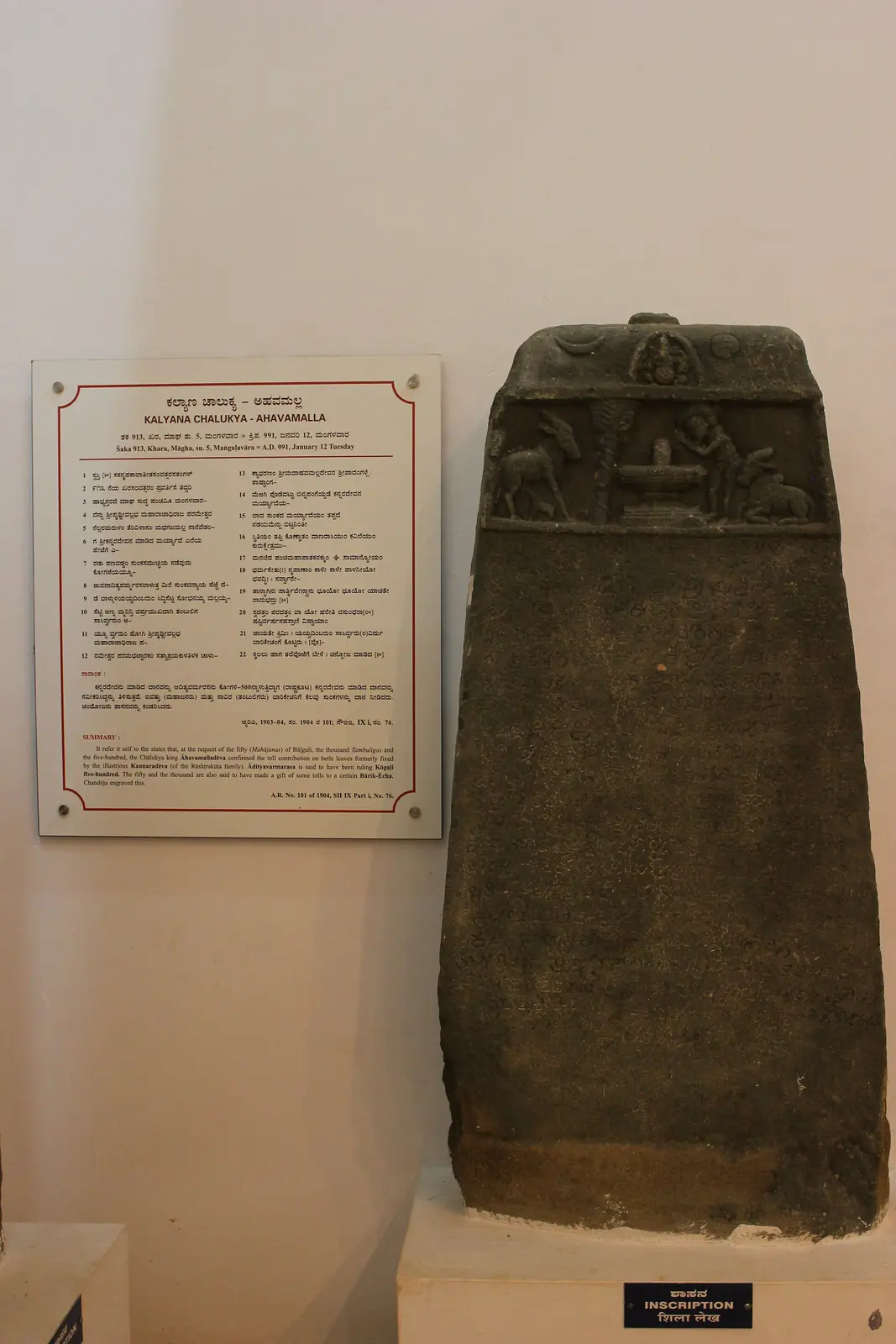
Mitakshara means ‘of measured words’, and the commentary lives up to it. It follows the Yajnavalkya Smriti through its three books, achara (conduct), vyavahara (law and procedure) and prayashchitta (expiation), and settles disputed points by careful reasoning from the Smritis and the Mimamsa rules of interpretation. Vijnaneshvara is traditionally placed at Marthur in today’s Kalaburagi district, and in his closing verses he praises the city of Kalyana and its king Vikramaditya, saying the earth has never seen another like either.
02Right by birth
The Mitakshara holds that a son gains a share in ancestral property at birth, so the family property belongs to the coparceners together. The rival Dayabhaga of Jimutavahana, followed in Bengal, holds that rights arise only on the father’s death. When H. T. Colebrooke translated the inheritance chapters of both in 1810, British courts began to apply the Mitakshara across most of India. The Hindu Succession Act of 1956 kept the Mitakshara joint family, and its amendment of 2005 made daughters coparceners by birth, equal with sons.