01The Chola city
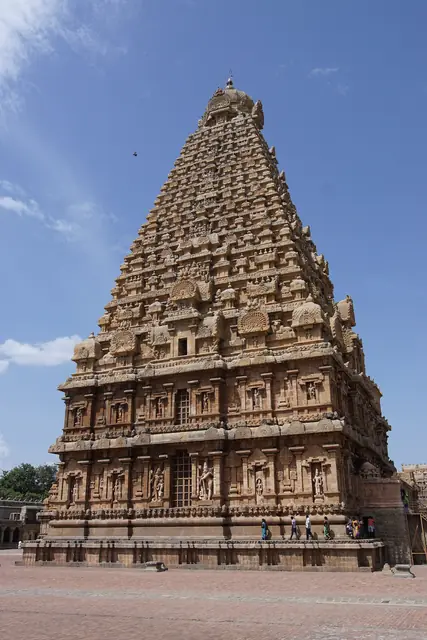
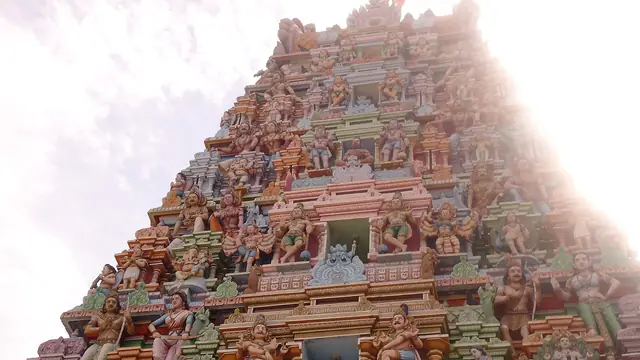
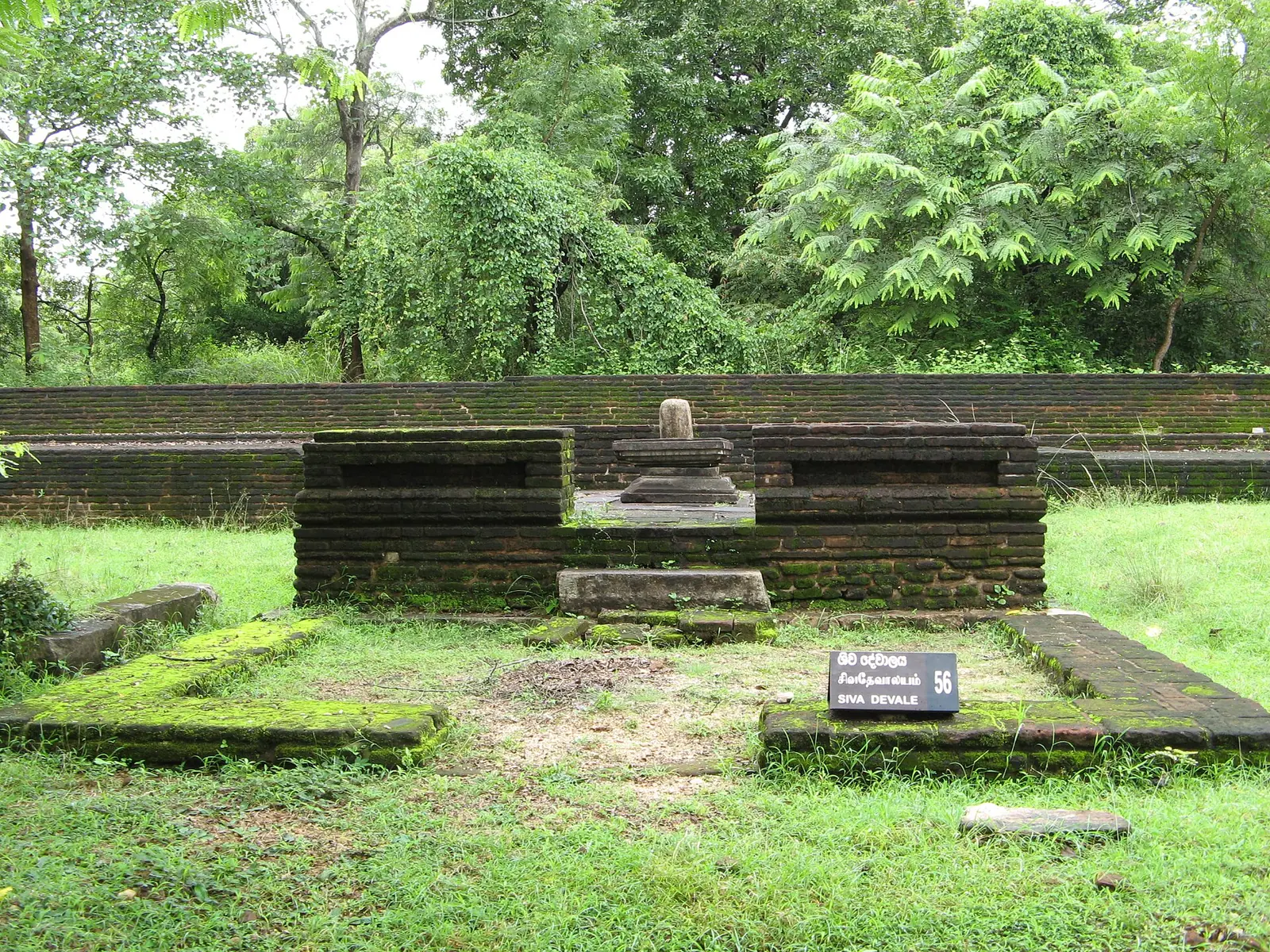
Rajaraja’s inscriptions claim the conquest of Ilamandalam, and the Mahavamsa laments the sack of Anuradhapura, the island’s capital for over a thousand years. The Cholas moved the seat east to Polonnaruwa, nearer the river crossings of the Mahaweli, and in 1017 Rajendra Chola completed the conquest and carried King Mahinda V captive to the Chola country. In the new town they built a temple of Shiva named for Rajaraja’s queen, Vanavan Mahadevi Ishvaram, in the Chola manner: a square sanctum of dressed granite with a storeyed vimana, Tamil inscriptions on its walls. Shaiva bronzes found among the Hindu shrines of the city are now in the Colombo National Museum. It is known today as Shiva Devale No. 2.
02Sinhala capital
Vijayabahu I drove the Cholas out in 1070 and kept Polonnaruwa as his capital. Under Parakramabahu I (r. 1153–1186) it grew into a great walled city with the Parakrama Samudra reservoir, palaces, the Gal Vihara Buddhas cut in the living rock, and a Hindu quarter with several devales. Shiva Devale No. 1, in a Pandyan style of the thirteenth century, stands near the citadel. Polonnaruwa was given up as capital in the thirteenth century and swallowed by forest until it was cleared in the twentieth. UNESCO listed the ancient city in 1982.
The life of this place
- 993 CERajaraja Chola’s army takes Anuradhapura; Polonnaruwa becomes the Chola seat as Jananathamangalam.
- 1017Rajendra Chola completes the conquest and takes Mahinda V captive.
- 1070Vijayabahu I expels the Cholas and rules from Polonnaruwa.
- 1982The ancient city is inscribed as a UNESCO World Heritage Site.
Shiva Devale No. 2 is in the northern group of the archaeological park; the museum near the entrance holds finds from the Hindu shrines.