01Names in a pot
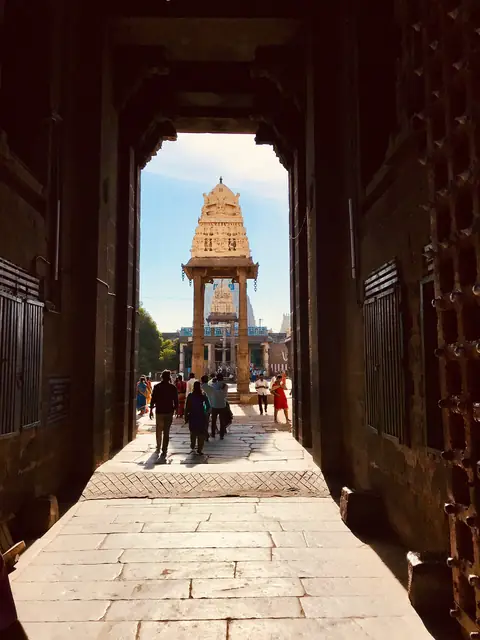
Uttaramerur was a chaturvedimangalam, a village given to Brahmins learned in the four Vedas, from Pallava times. In the 12th and 14th years of Parantaka I, 919 and 921 CE, the sabha recorded its new rules on the walls of the Vaikuntha Perumal temple. The village was split into thirty wards. In each ward the names of eligible men were written on palm leaves and put in a pot, the kudavolai, and a young boy who could not read drew one out before the whole assembly. Committees for tanks, gardens, gold and justice were filled the same way, each for one year.
02Who could stand
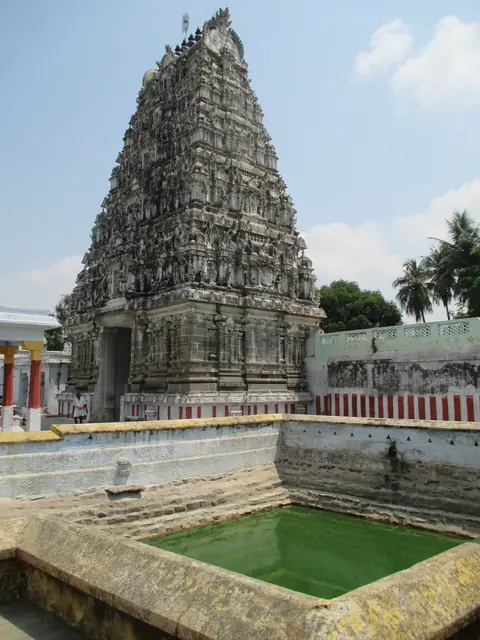
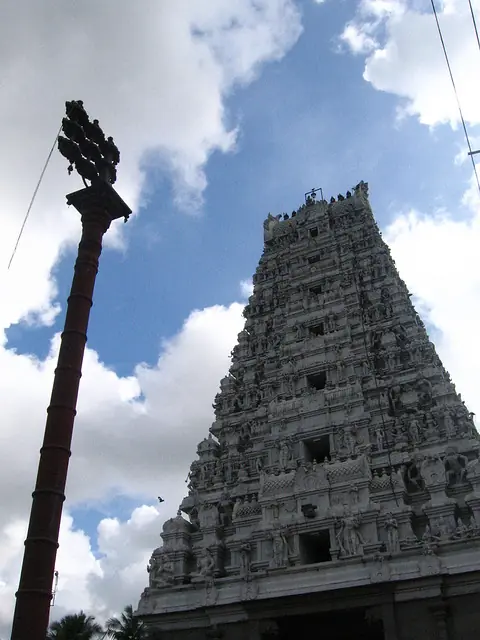
The rules are strict. A candidate had to own a quarter veli of tax-paying land and a house on his own site, be between thirty-five and seventy years old, know a Brahmana and a mantra text and be able to teach it, and be of good conduct and able in business. Anyone who had sat on a committee in the last three years could not stand again. Whoever had failed to render accounts, had taken bribes, or had committed grave sins was barred, and so were his relatives. Uttaramerur also has the tiered Pallava temple of Sundara Varadaraja Perumal.
The life of this place
- 919 CEThe first Uttaramerur inscription on the election of the sabha was cut in Parantaka I’s 12th year.
- 921 CEA revised set of rules was inscribed in his 14th year.
Uttaramerur is about 30 km south of Kanchipuram; the inscribed walls are at the Vaikuntha Perumal temple.