01From Khonamukha to Kalyani
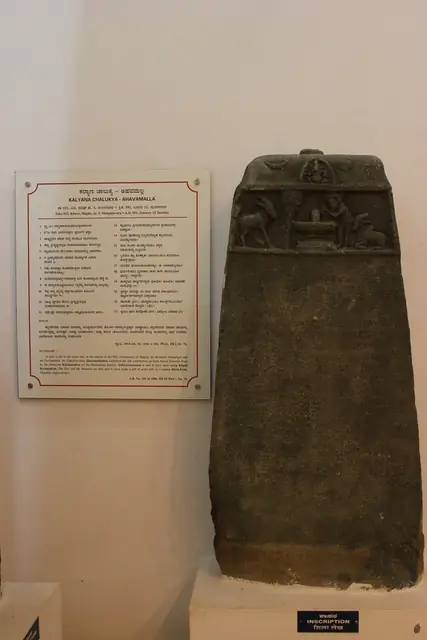
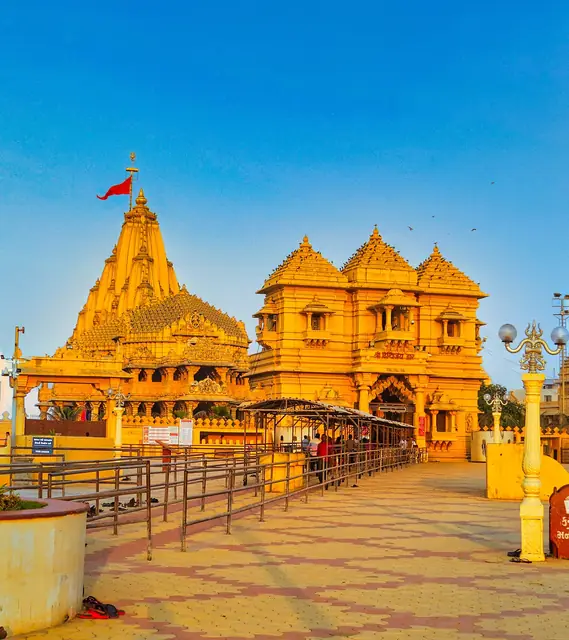
In the last canto of the Vikramankadevacharita Bilhana tells his own story. He was born at Khonamukha near Pravarapura, the old name of Srinagar, to a family of learned Brahmins; his father Jyeshthakalasha wrote on Patanjali’s Mahabhashya. He left Kashmir in the reign of Kalasha and travelled through Mathura, Kanyakubja, Prayag and Kashi, to the Kalachuri court, to Dhara, where he was sorry to find Raja Bhoja gone, and to Anahilapataka and Somnath. At Kalyani Vikramaditya VI made him Vidyapati, chief of the learned, and honoured him with a royal parasol.
02A king’s life, and fifty love poems
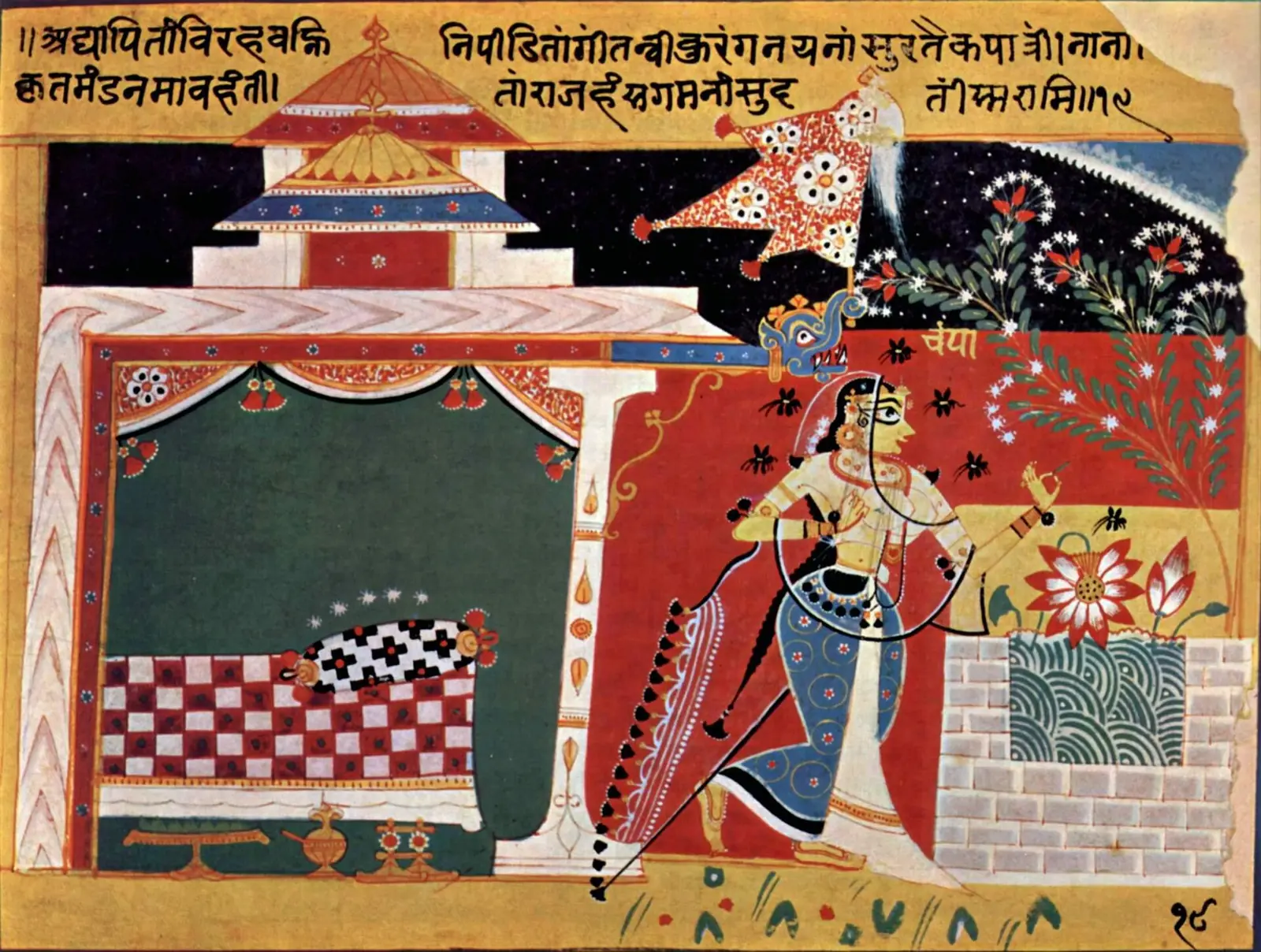
The Vikramankadevacharita, in eighteen cantos, tells how Vikramaditya won the Chalukya throne from his elder brother Someshvara II, and of his wars with the Cholas. It is a court poem and praises freely, yet it names real people and real battles, and historians of the Deccan still use it. The German scholar Georg Bühler found its manuscript in the Jain library at Jaisalmer in 1874. The Chaurapanchashika has a frame story, told differently in different versions, of the poet condemned to die for loving a princess. The painted Chaurapanchashika leaves of 16th-century western India give a whole school of painting its name.