01Sesha’s well, Garuda’s river
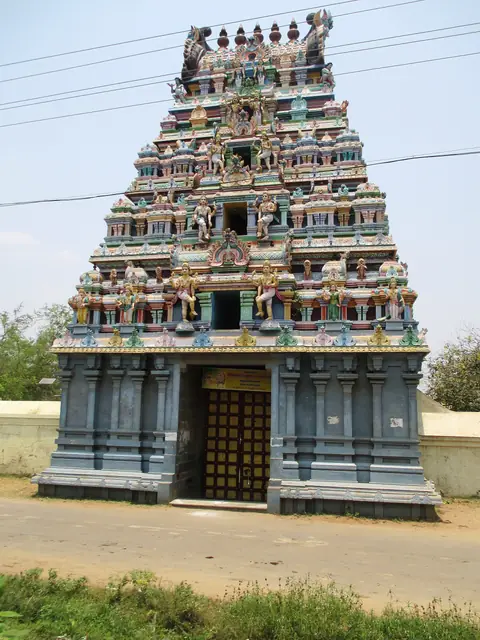
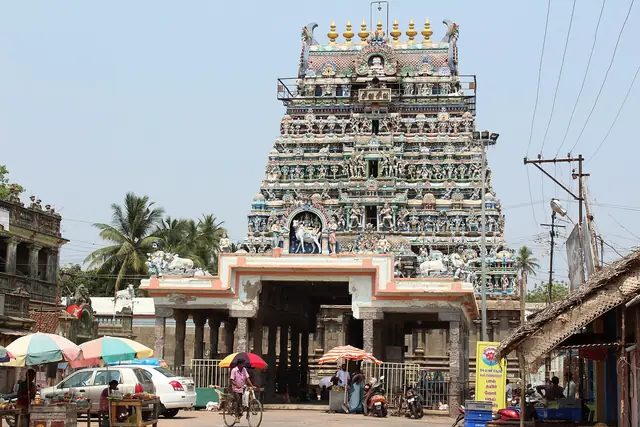
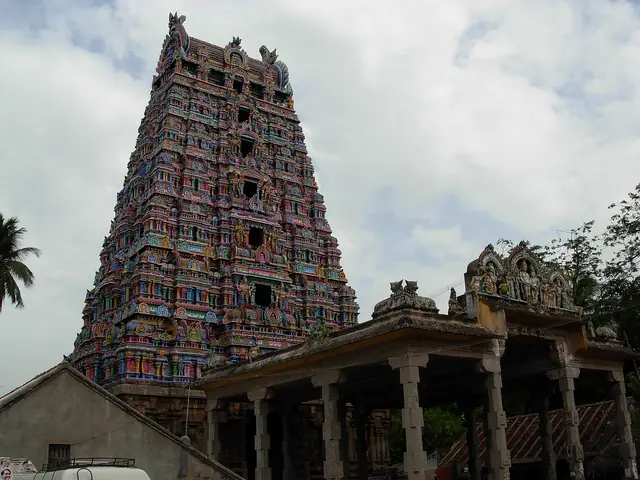
The Brahmanda, Naradiya and Skanda Puranas tell of sages who searched for the Lord in the Ocean of Milk and in Vaikuntha, and were told they would see him on earth, north of Kumbakonam and south of Tirupati; they found him here. The temple katha says Vishnu once sent Garuda to fetch pure water from a lake in the netherworld, and when Garuda was delayed, Adisesha struck the earth with his tail and made a well; its water is still used for the prasadam. To console Garuda, the Lord let the Gadilam river flow from his effort. The town is named for Sesha, Ahindra, king of serpents. Devotees see Brahma, Vishnu and Shiva in the one Lord here, Moovaragiya Oruvan, the one who is three, holding a lotus and with a third eye.
02Desika’s temple
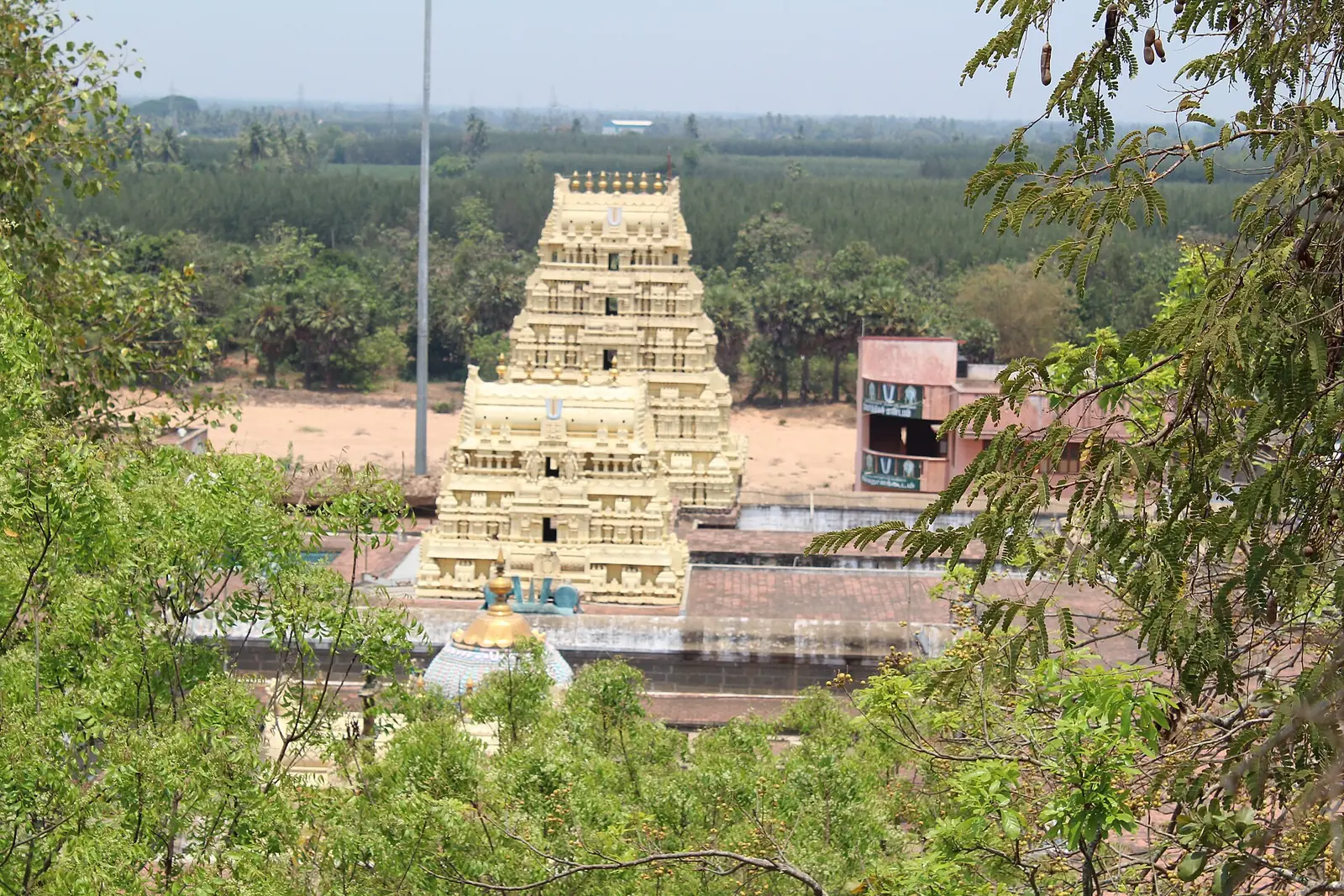
Thirumangai Alvar sings of Thiruvahindrapuram in a decad of ten pasurams, praising the hill and the river. Vedanta Desika (1268–1369) spent much of his long life here; he worshipped Hayagriva on the Oushadagiri hill and wrote the Devanayaka Panchasat in Sanskrit, the Achyuta Shatakam in Prakrit and several Tamil works for this Perumal. His shrine has its own flag post. About fifty inscriptions name Kulothunga Chola I, Vikrama Chola, Rajaraja III, Jatavarman Sundara Pandya, the Kadava chief Kopperunjinga and the Vijayanagara king Achyuta Deva Raya. The Chittirai Brahmotsavam ends in the ther, and at Masi Magam the Perumal goes to the sea.
The life of this place
- Alvar periodThirumangai Alvar sings a decad on Thiruvahindrapuram.
- Kulothunga Chola I (1070–1120)The earliest of some fifty inscriptions record gifts to the temple.
- Jatavarman Sundara Pandya (1251–68)Pandya inscriptions are added.
- 1268–1369Vedanta Desika lives and writes at Thiruvahindrapuram for much of his life.
- Achyuta Deva Raya (1529–42)A Vijayanagara inscription records the king’s grant.
About 6 km west of Cuddalore on the Gadilam. Climb the Oushadagiri steps to Hayagriva; students come before examinations.