01Lord of the meeting rivers
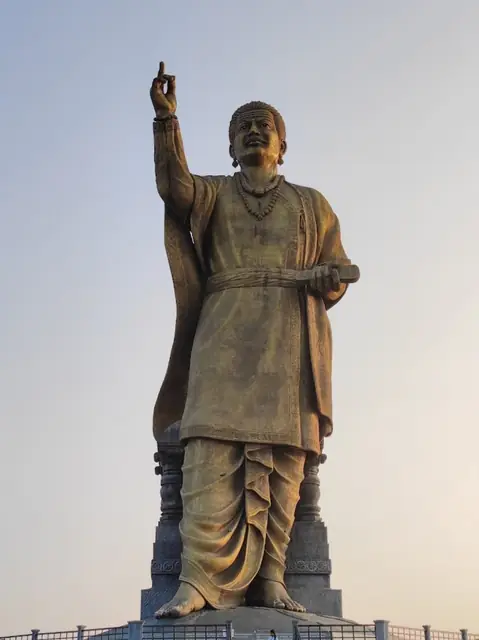
Kudala means confluence, and here the Malaprabha meets the Krishna. Basavanna came here as a youth to study at the gurukula of the Sangameshvara temple, and the Shiva of this place became his ishtadeva. Later he went to Kalyana and served as minister of the Kalachuri king Bijjala, gathering saints from every background in the Anubhava Mantapa. Every one of his vachanas, short Kannada sayings of devotion, ends with the name Kudalasangamadeva. ‘The rich will make temples for Shiva; what shall I, a poor man, do? My legs are pillars, the body the shrine, the head a cupola of gold.’
02The aikya mantapa
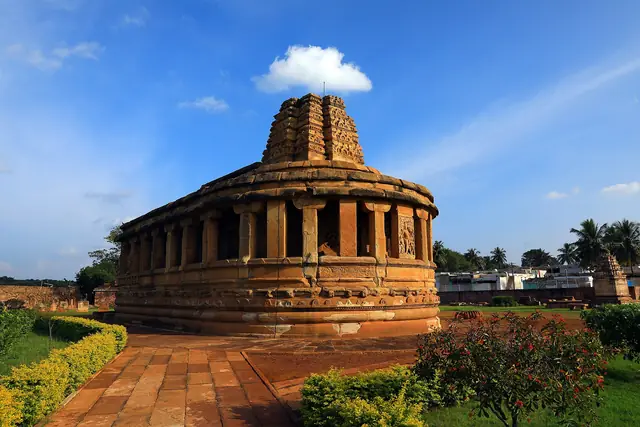
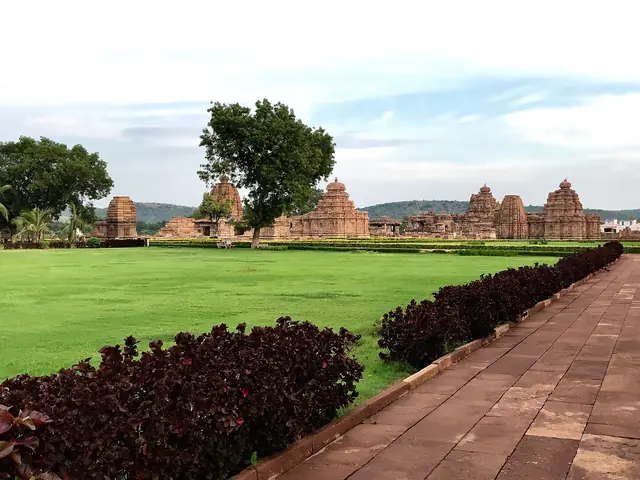
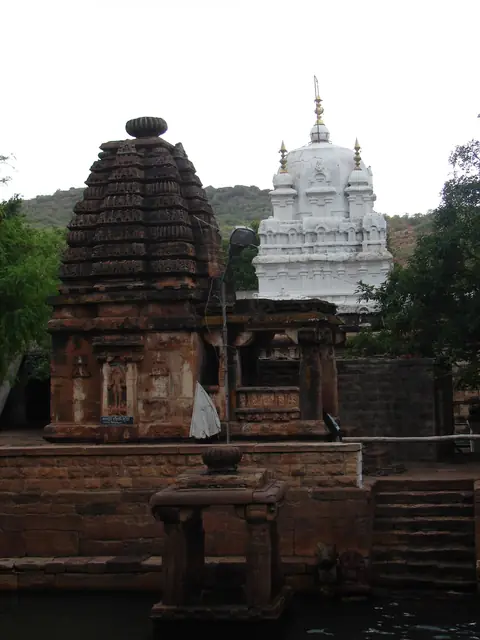
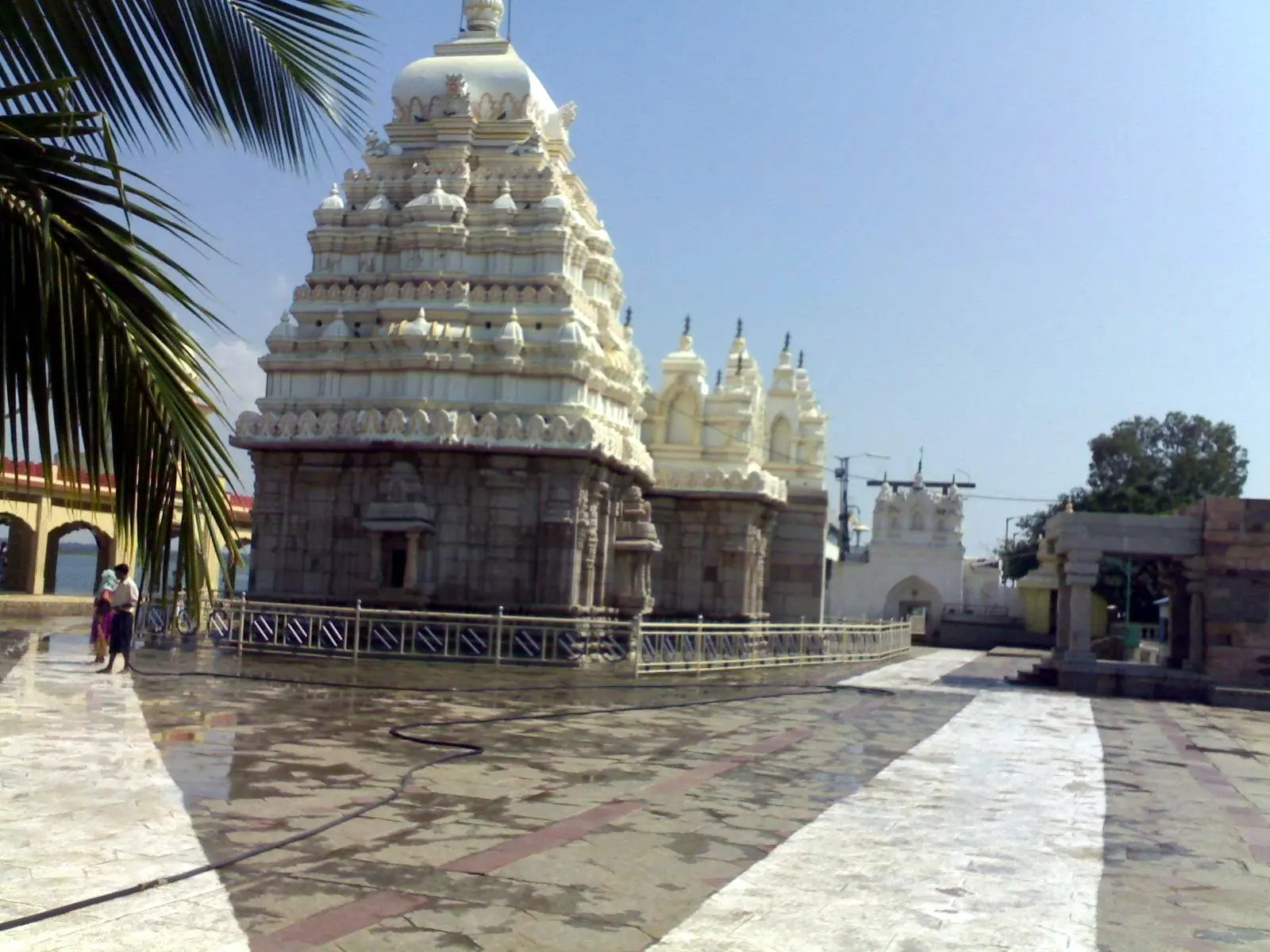
After the troubles at Kalyana, Basavanna returned to Kudalasangama, and here, the tradition says, he attained aikya, union with the linga, in the 12th century. His samadhi, the Aikya Mantapa, lay at the meeting of the rivers. When the Almatti dam raised the water, the shrine was enclosed in a ring wall and is now reached down a walkway into the water. The Sangameshvara temple is of the Chalukya style, and around it a large memorial complex has been built. Each year in January the Sharana Mela brings devotees of Basavanna from across Karnataka and Maharashtra.
The life of this place
- 12th centuryBasavanna attains aikya at the confluence (tradition).
About 15 km from Hungund, in Bagalkot district. Go down to the Aikya Mantapa in the morning.