01Daru Brahma on the shore
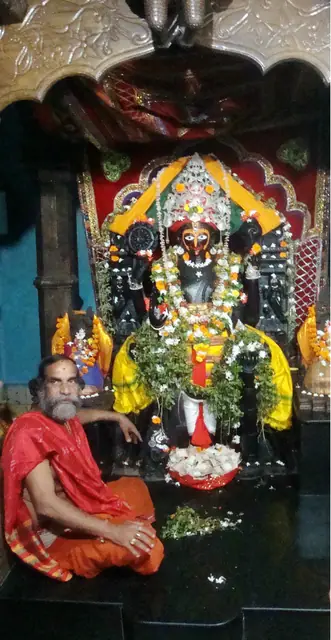
The Skanda Purana’s Purushottama Mahatmya tells of King Indradyumna, who longed to see Nila Madhava and was told to wait for a log of sacred wood that would float in from the sea. Out of that daru came the forms we see today: round eyes, no finished hands, Jagannath dark, Balabhadra white, Subhadra yellow between them. Every twelve to nineteen years, in a year with an extra Ashadha month, new images are carved from neem trees chosen by signs, and the Brahma padartha is moved from the old forms to the new in darkness. The last Navakalevara was in 2015.
02The Ganga kings’ temple
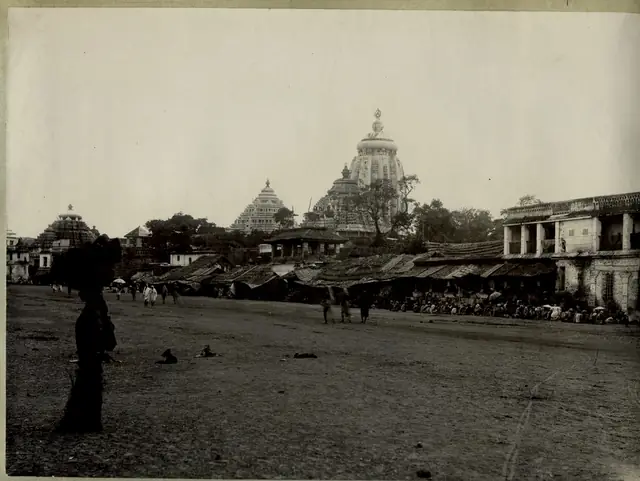
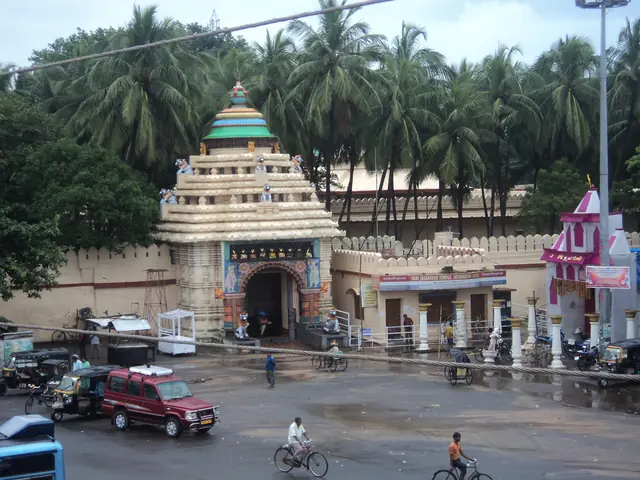
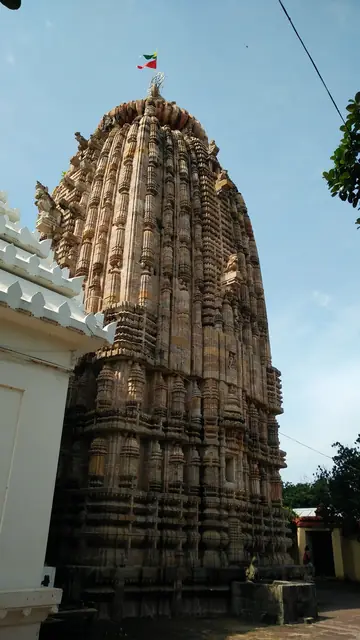
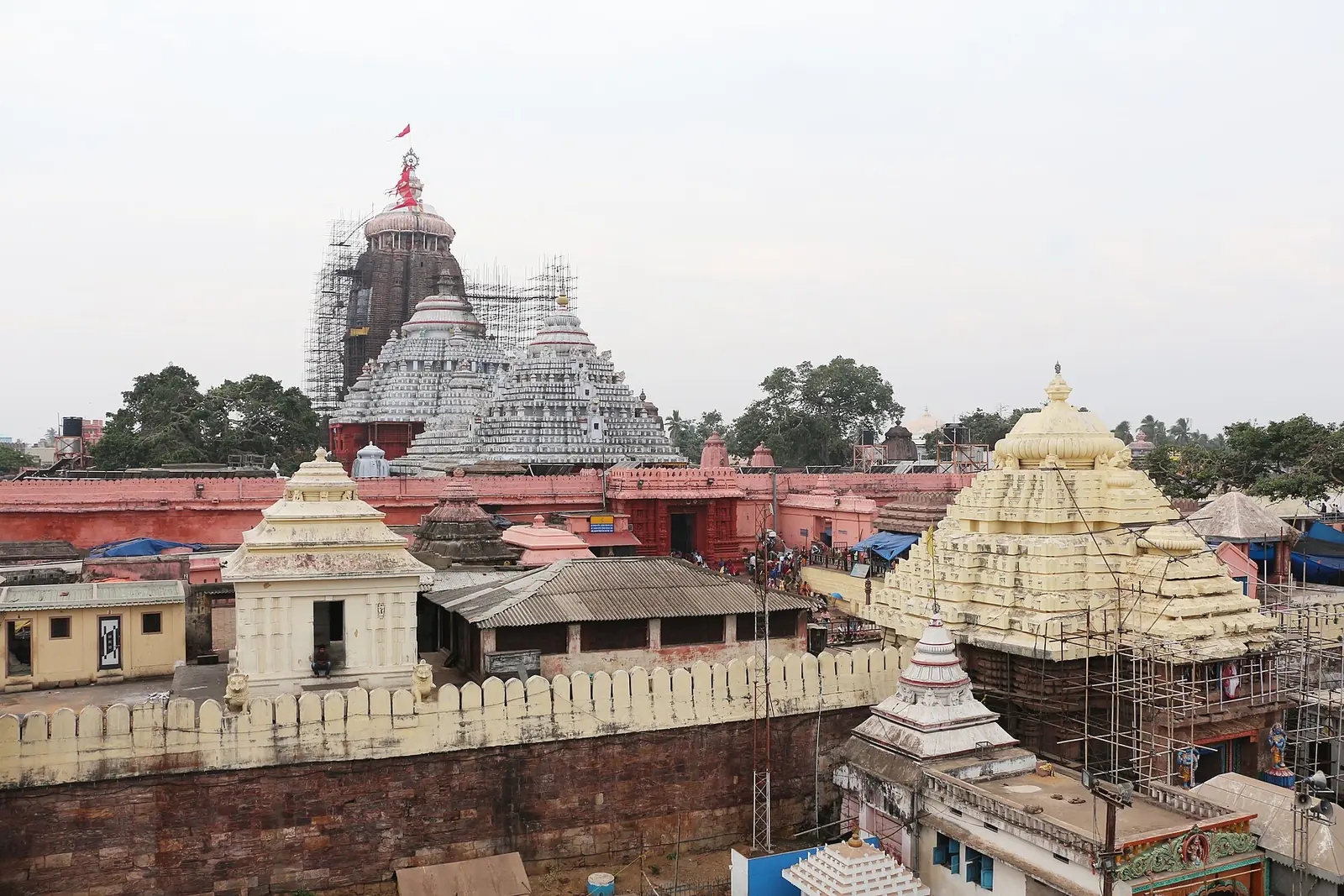
The temple we see was begun under Anantavarman Chodaganga Deva in the 12th century and finished by his successors; its main deula rises about 65 metres, crowned by the Nilachakra, the eight-spoked wheel of ashtadhatu on which a fresh flag is hoisted every evening by a sevak who climbs without ropes. Two walls enclose it: the outer Meghanada Pacheri and the inner Kurma Bheda. Inside are the deula, jagamohana, nata mandira and bhoga mandapa in one line, the classic Kalinga order. The temple kitchen cooks Mahaprasad in stacked clay pots over wood fires for thousands every day.
03Raids and the hidden deities
Firuz Shah Tughlaq marched into Odisha in 1360–61 and his court chronicle boasts of the temple’s desecration. The worst blow came in 1568, when Kalapahad, general of Sulaiman Karrani of Bengal, overran Odisha after the fall of Mukunda Deva, and the wooden images were dragged out and burnt on the bank of the Ganga. The Madala Panji records that a devotee, Bisar Mohanty, pulled the Brahma from the fire and hid it at Kujang. Ramachandra Deva I of Khurda brought it back and re-installed the deities around 1575. Under Aurangzeb, in the 1690s, worship stopped again and the images were hidden in the hills; they returned after 1707.
The temple tradition counts many such removals, and each time worship came back.
04Ratha Yatra
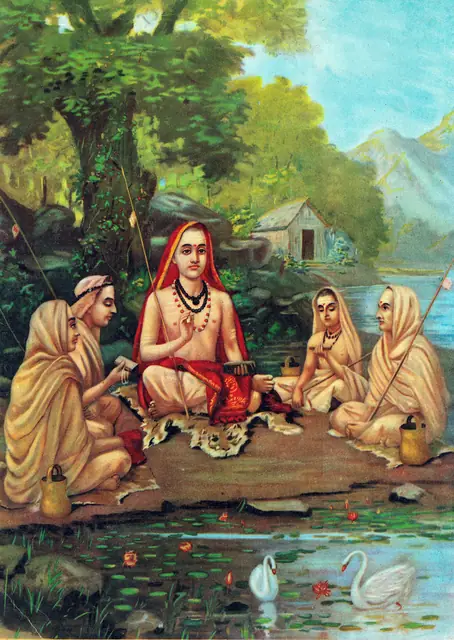
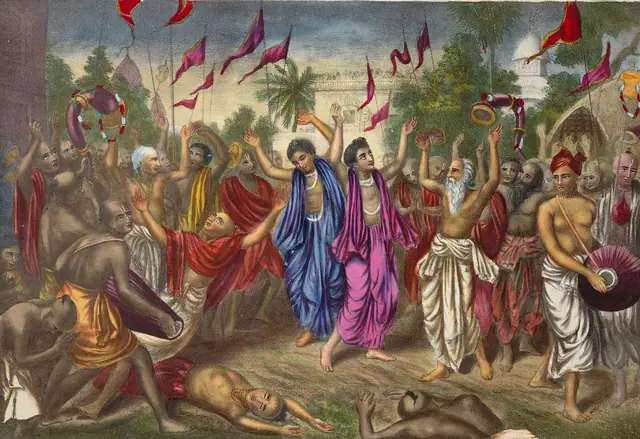
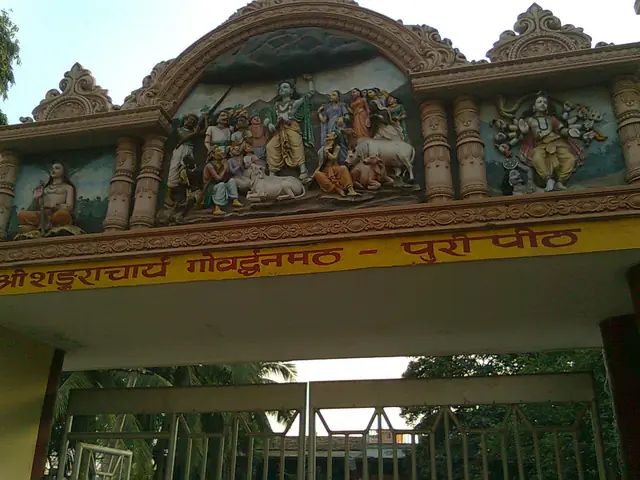
On Ashadha Shukla Dwitiya the three deities leave the temple on three new chariots, Nandighosha for Jagannath, Taladhwaja for Balabhadra and Darpadalana for Subhadra, built fresh each year from wood floated down the Mahanadi. The Gajapati of Puri sweeps the chariot floors with a gold-handled broom in the chhera pahanra before the ropes are pulled to the Gundicha temple about three kilometres away. Adi Shankaracharya established the Govardhana Matha here as the eastern amnaya peetha, and Chaitanya Mahaprabhu spent his last eighteen years in Puri.
The life of this place
- 12th centuryThe present temple is begun under Anantavarman Chodaganga Deva.
- 1360–61Firuz Shah Tughlaq invades Odisha and his chronicle records the temple’s desecration.
- 1568Kalapahad’s army burns the wooden deities; the Brahma is saved and hidden at Kujang.
- c. 1575Ramachandra Deva I of Khurda re-installs the deities.
- 1690sWorship stops under Aurangzeb’s orders and the deities are hidden away until after 1707.
- 2015Navakalevara: new daru forms are installed.
Only Hindus are allowed inside; others can see the Nilachakra from the roof of the Raghunandan Library opposite the Singhadwara. Leather goods and phones must be left outside.