01Mauli goes into samadhi
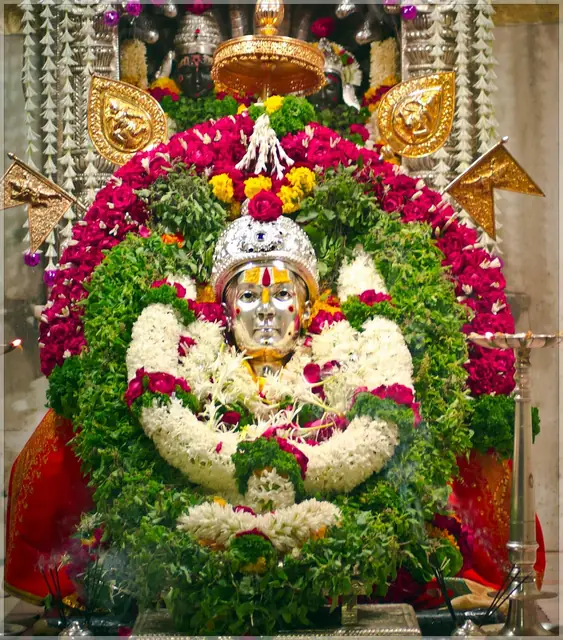
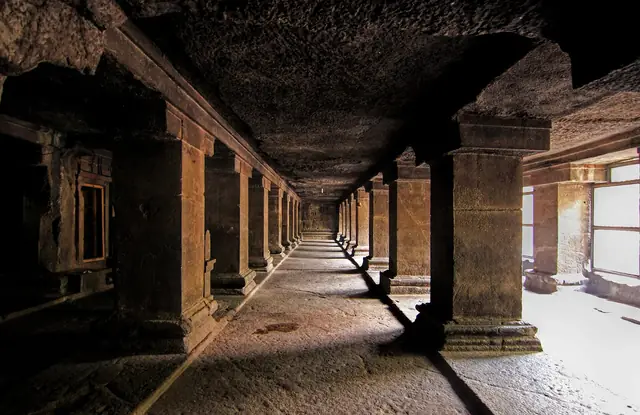
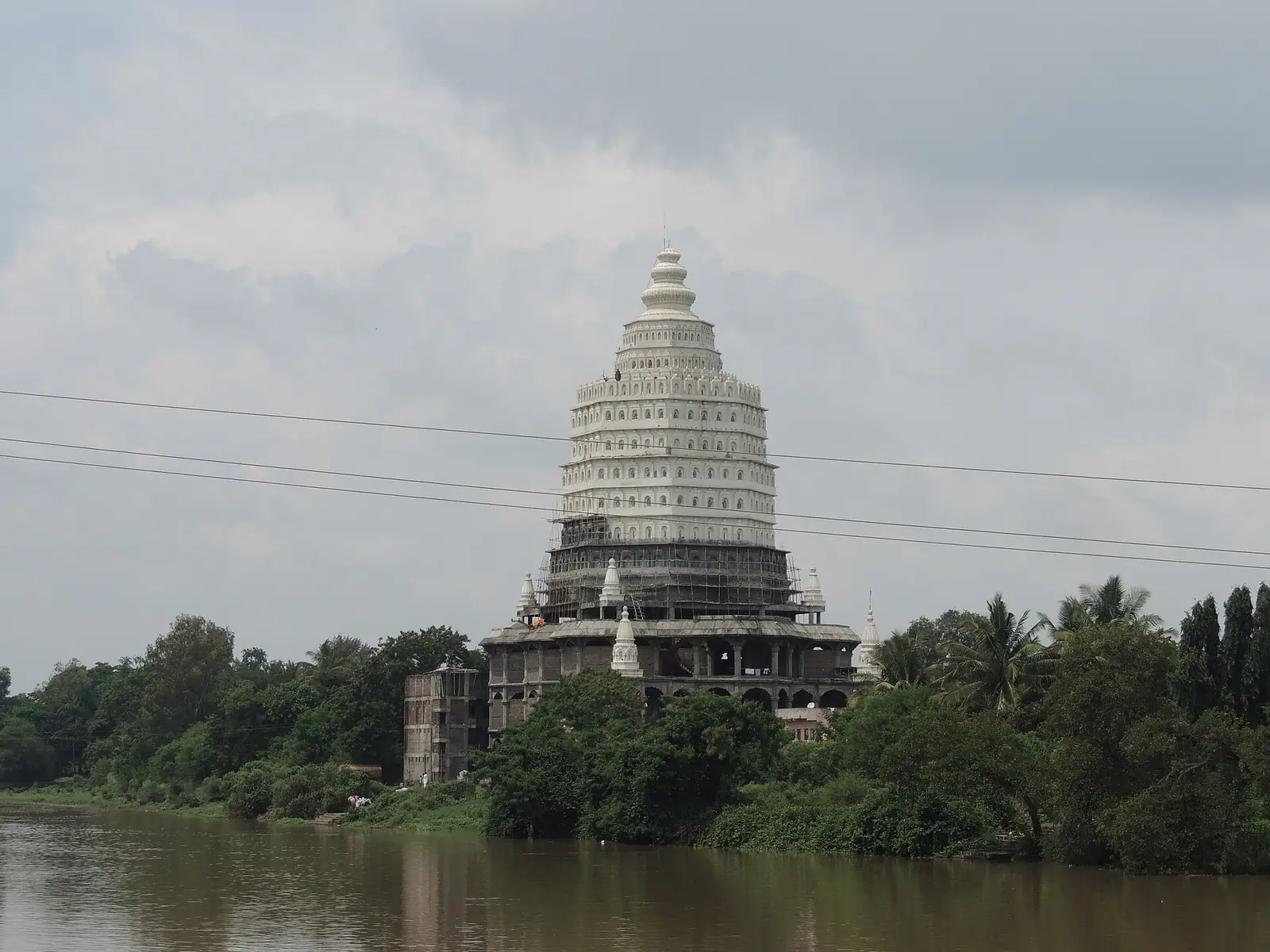
Jnaneshwar wrote the Jnaneshwari, his Marathi commentary on the Bhagavad Gita, at Nevasa in 1290, so that the Gita’s teaching would reach people who had no Sanskrit. Six years later, on Kartika Vadya Trayodashi of Shaka 1218, he told his brothers and Sant Namdev that his work was done, went down into a chamber beside the Siddheshwar temple at Alandi, and asked that it be sealed with him seated in meditation. Warkaris call him Mauli, mother, and believe he is alive there still. The ajana tree by the samadhi is said to have grown from his staff.
02Where the wari begins
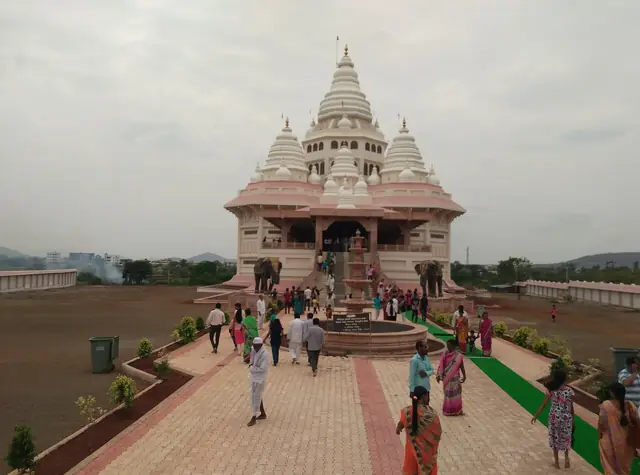
Every year in the month of Jyeshtha–Ashadh the silver padukas of Jnaneshwar are placed in a palkhi and carried out of Alandi, with dindis of Warkaris singing behind them, on the road to Pandharpur. On the way they meet the palkhi of Sant Tukaram from Dehu. The ghats on the Indrayani fill on Kartiki Ekadashi and on the anniversary of the samadhi, when the town holds its biggest yatra. Alandi is also where many Warkari families send boys to learn kirtan and the abhangas.
The life of this place
- 1290Jnaneshwar completes the Jnaneshwari at Nevasa.
- 1296 (Kartika Vadya 13, Shaka 1218)Jnaneshwar enters sanjivan samadhi at Alandi.
About 25 km north of Pune. The palkhi departure in June–July and Kartiki Ekadashi are the great days; on others the samadhi darshan is quick.