01The stones of Srivijaya
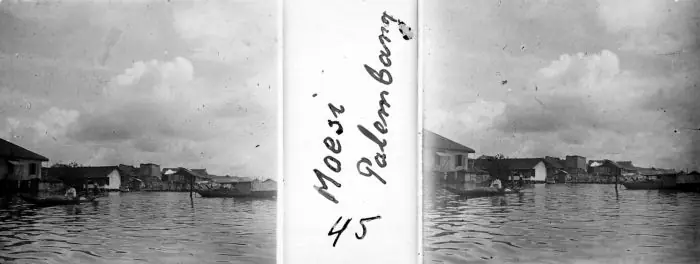
On the bank of the Musi at Palembang, in 1920, a stone was found inscribed in Old Malay in a South Indian script. The Kedukan Bukit inscription is dated Shaka 604, that is 682 CE, and tells how Dapunta Hyang set out with an army of twenty thousand on a siddhayatra, an expedition to win power, and founded a settlement, with the words that Srivijaya was victorious and prosperous. Two years later the Talang Tuo stone records a park he laid out for the good of all beings, in Buddhist terms. The Chinese monk Yijing stayed at Srivijaya in the 670s and 680s to study Sanskrit and Buddhist texts before and after his time at Nalanda, and advised other pilgrims to do the same.
02The Chola raid and after
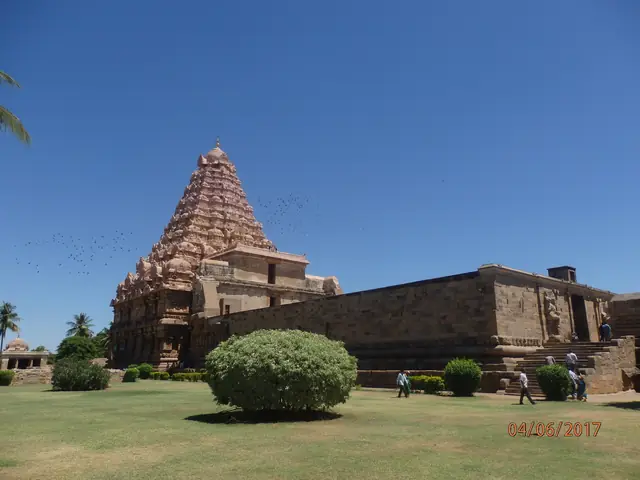
Srivijaya and the Cholas had been friends: a Srivijaya king built the Chudamani vihara at Nagapattinam and Rajaraja endowed it. But Srivijaya’s grip on the straits and its tolls on shipping set the two powers against each other. In 1025 Rajendra Chola’s fleet crossed the Bay of Bengal and struck the ports of Srivijaya; his Tanjore inscription names Srivijaya, Kadaram, Malaiyur, Pannai and others among the places taken, and the king Sangrama Vijayottungavarman captured. Srivijaya recovered in part but never held the straits as before. Palembang later passed under Majapahit and in time became the seat of a Malay sultanate. The hill of Bukit Seguntang in the city has yielded a large stone Buddha and other remains of the old capital.
The life of this place
- 671–695The Chinese monk Yijing studies Sanskrit at Srivijaya on his way to and from Nalanda.
- 682 CEThe Kedukan Bukit inscription records Dapunta Hyang’s victorious expedition.
- 1025Rajendra Chola’s fleet raids Srivijaya and captures its king.