01The city of one rock
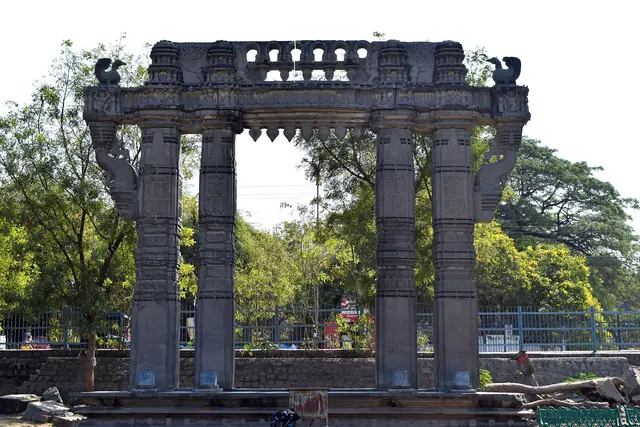
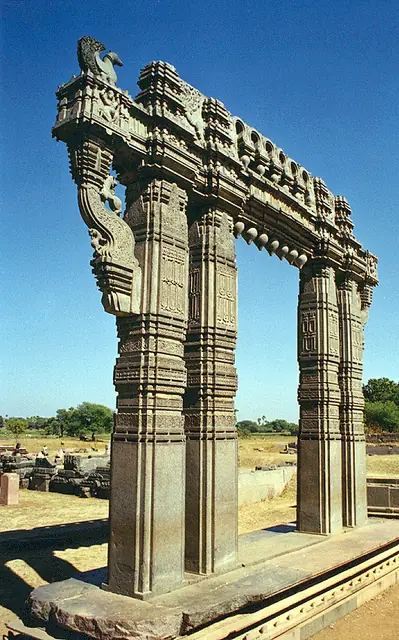
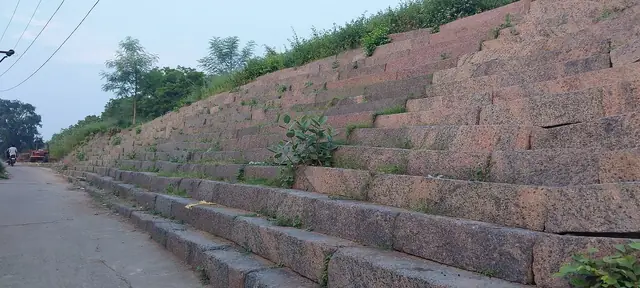
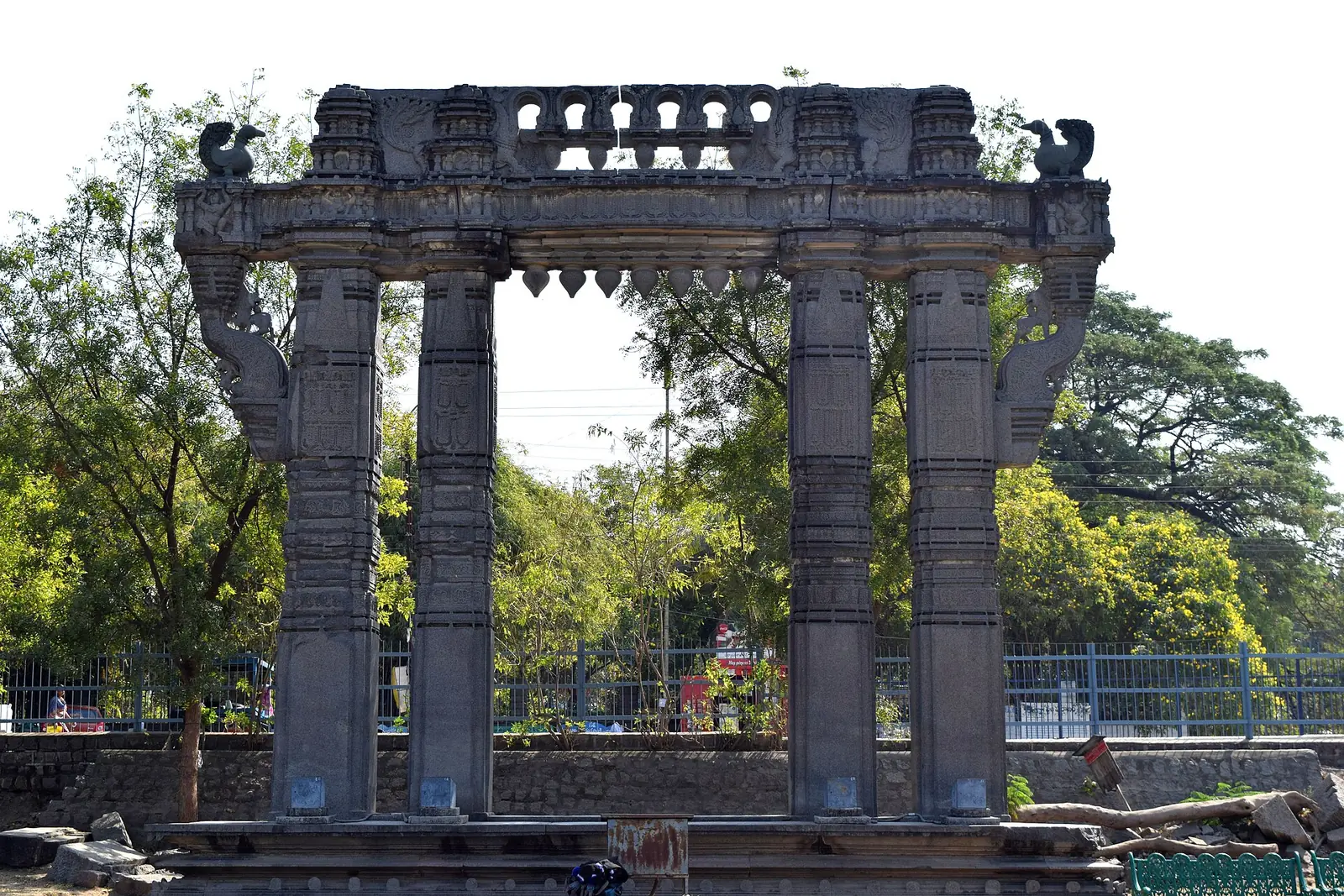
Orugallu means ‘one stone’, after the great boulder hill at its centre, and the Sanskrit inscriptions call it Ekashilanagara. Ganapatideva moved the Kakatiya capital here from Hanamkonda early in the 13th century and built a stone wall; his daughter Rudrama Devi, who ruled as king, strengthened it. Around the stone wall ran an earthen one, and beyond that a third, with a moat. At the centre stood the Swayambhu Shiva temple, whose four kirti toranas, gateways of carved stone, are all that remain standing. One of them is the emblem of Telangana today.
02Three sieges and a fall
Alauddin Khalji’s first army against Warangal was beaten back at Upparapalli in 1303. In 1310 Malik Kafur laid siege; Amir Khusrau, who wrote the campaign up for the Sultan, says Prataparudra saved his city by giving up his treasure and agreeing to pay tribute. The tribute stopped, and in 1323 Ulugh Khan, the future Muhammad bin Tughlaq, came back, took the fort and carried Prataparudra off towards Delhi; the king died on the way, by Telugu tradition on the banks of the Narmada. The city was renamed Sultanpur. Thirteen years later Musunuri Kapaya Nayaka, with the Kakatiya nayakas, drove the Sultanate garrison out.
The life of this place
- 1303Alauddin Khalji’s first expedition is defeated at Upparapalli.
- 1310Malik Kafur besieges Warangal; Prataparudra pays treasure and tribute.
- 1323Ulugh Khan takes the fort; Prataparudra is captured and the Kakatiya kingdom ends.
- c. 1336Musunuri Kapaya Nayaka recovers Warangal from the Sultanate.
The kirti toranas and sculpture park are inside the stone wall; the Khush Mahal of the later Sultanate period stands nearby.