01The house of Shiva
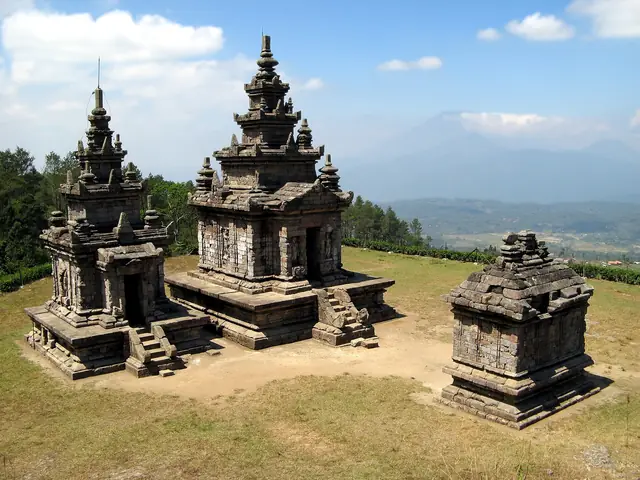
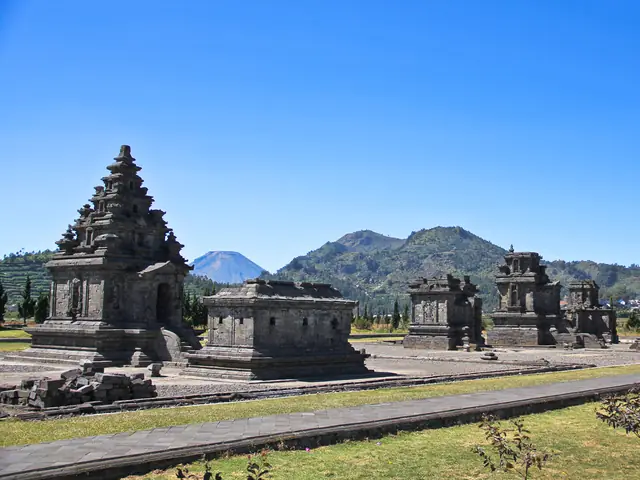
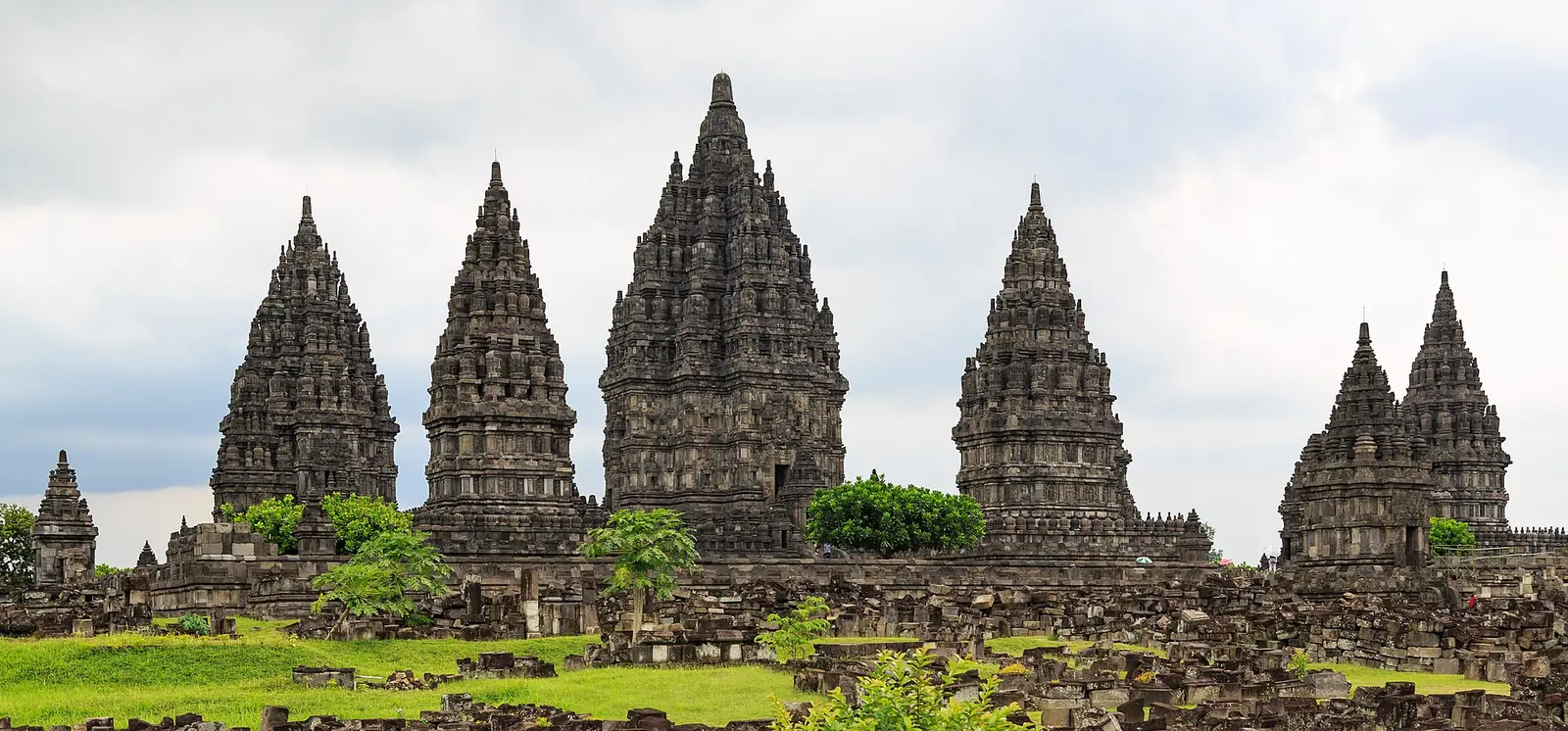
The Shivagrha inscription, dated 856 CE, describes the consecration of a great house of Shiva with a river diverted beside it, and it is read as the founding record of Prambanan under Rakai Pikatan of the Sanjaya line. The plan has three great shrines in a row, Shiva in the centre, Brahma to the south and Vishnu to the north, facing three smaller shrines for their vahanas, Nandi, Hamsa and Garuda. Around them once stood 224 small shrines in four rows. The Shiva temple has four chambers: Shiva Mahadeva, Agastya as Shiva Guru, Ganesha, and Durga Mahishasuramardini.
02Ramayana on the balustrade
Walk the gallery of the Shiva temple clockwise and the Ramayana unfolds on the inner balustrade, from the devas pleading with Vishnu to the building of the bridge to Lanka. The story continues on the Brahma temple. The Vishnu temple carries the life of Shri Krishna. Since 1961 the Ramayana has been danced on an open-air stage facing the temples, with the floodlit Shiva tower as the backdrop, on full-moon nights in the dry season.
03Fallen and raised again
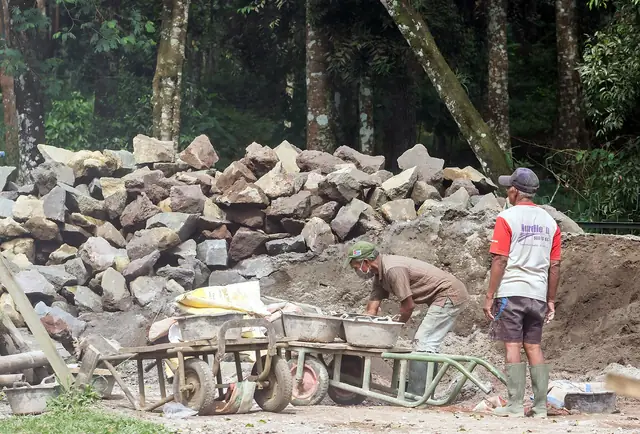
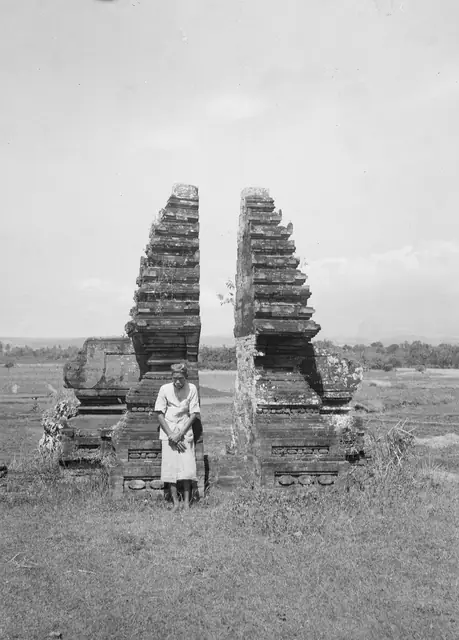
When the court moved to East Java in the tenth century the temples were left, and earthquakes brought most of them down. Colin Mackenzie, surveying for the British under Raffles, recorded the ruins in 1811. Dutch archaeologists began rebuilding in 1918, and the Shiva temple was finished and reopened in 1953. The Yogyakarta earthquake of 27 May 2006 cracked the towers and scattered stones again, and repairs took years. UNESCO listed the compound in 1991.
The life of this place
- 856 CEThe Shivagrha inscription records the consecration of the house of Shiva.
- 1811Colin Mackenzie surveys the ruins for the British administration.
- 1918Dutch archaeologists begin reconstruction.
- 1953The rebuilt Shiva temple is completed.
- 1991Inscribed as a UNESCO World Heritage Site.
- 27 May 2006The Yogyakarta earthquake damages the temples.
17 km east of Yogyakarta. Balinese and Javanese Hindus hold rites here at Nyepi and on major festival days; the Ramayana ballet runs on most dry-season evenings.