01The merchants’ charter
Before the Kakatiyas, the custom on this coast was that a ship driven ashore by storm, with all its cargo, became the king’s. Ganapatideva, the Kakatiya king at Orugallu, ended it. His Motupalli pillar inscription, an abhaya shasana or charter of safety dated Saka 1166, 1244–45 CE, declares that merchants coming by sea from any land may trade here, that only the fixed duty will be taken, and that goods from wrecked ships will not be seized. It names the port Desiyuyyakondapattana. The trade in cloth, pepper and gems that followed paid for much of Warangal’s building.
02Marco Polo’s Mutfili
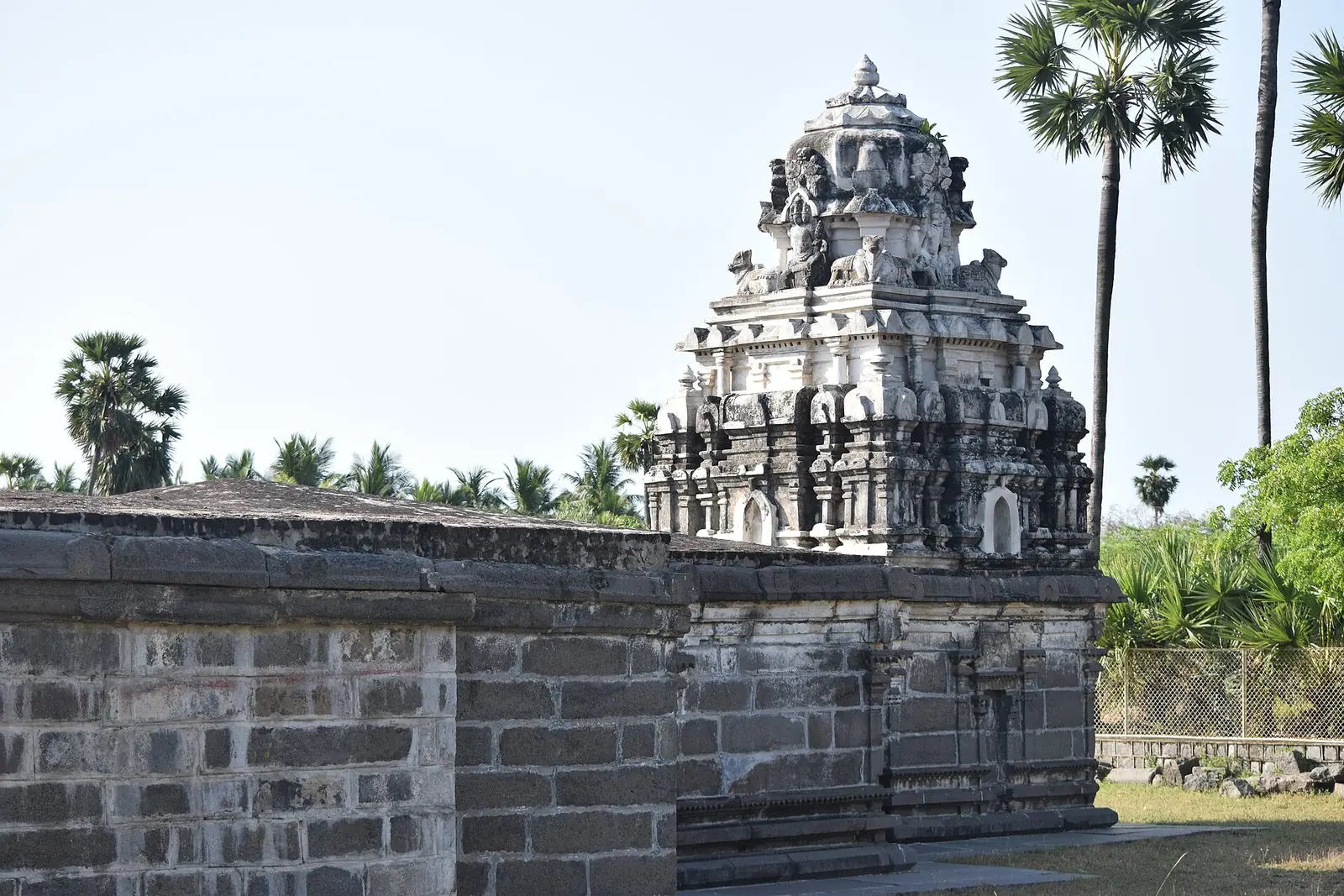
Marco Polo, sailing home from China around 1292, describes the kingdom of Mutfili, ruled by a queen who had been a widow for forty years and who governed with such justice that her people loved her more than any king before. He writes of its fine cotton cloth, like spider’s web, and of the diamonds of its hills. The queen was Rudrama Devi, Ganapatideva’s daughter, who ruled the Kakatiya kingdom as king. Motupalli today is a fishing village with old temples, among them a Veerabhadra temple of the Kakatiya period.
The life of this place
- 1244–45Ganapatideva’s charter of safety for merchants is set up at Motupalli.
- c. 1292Marco Polo visits Mutfili.