01Standing on a brick
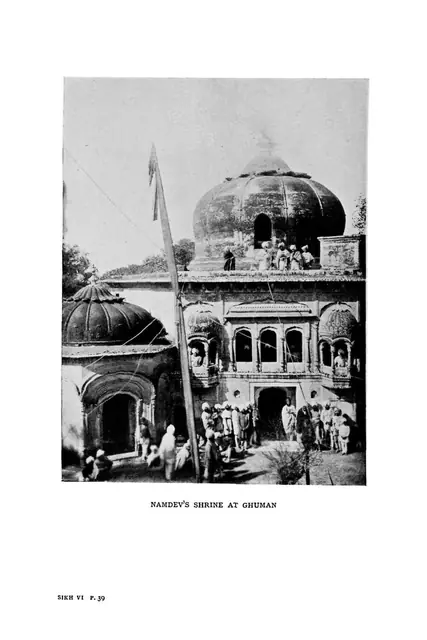
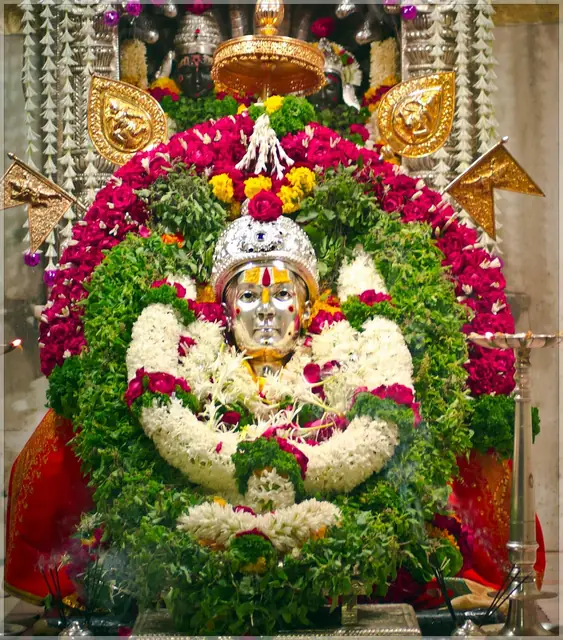
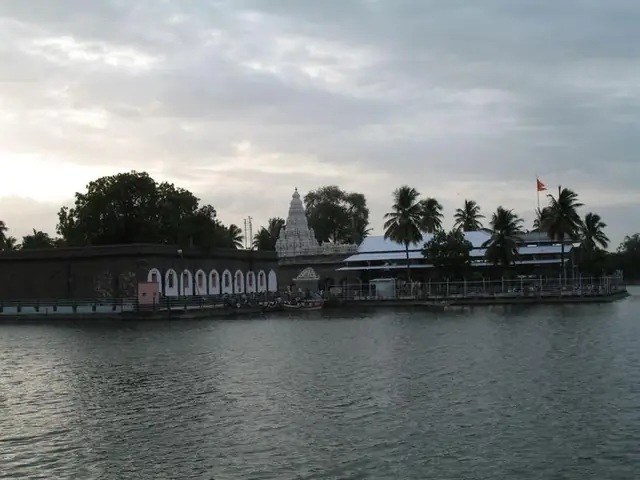
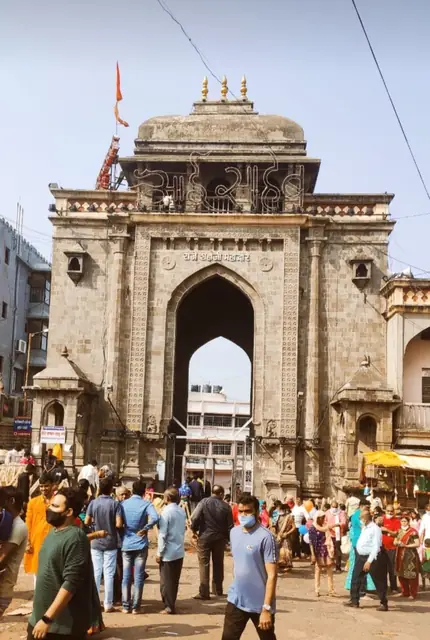
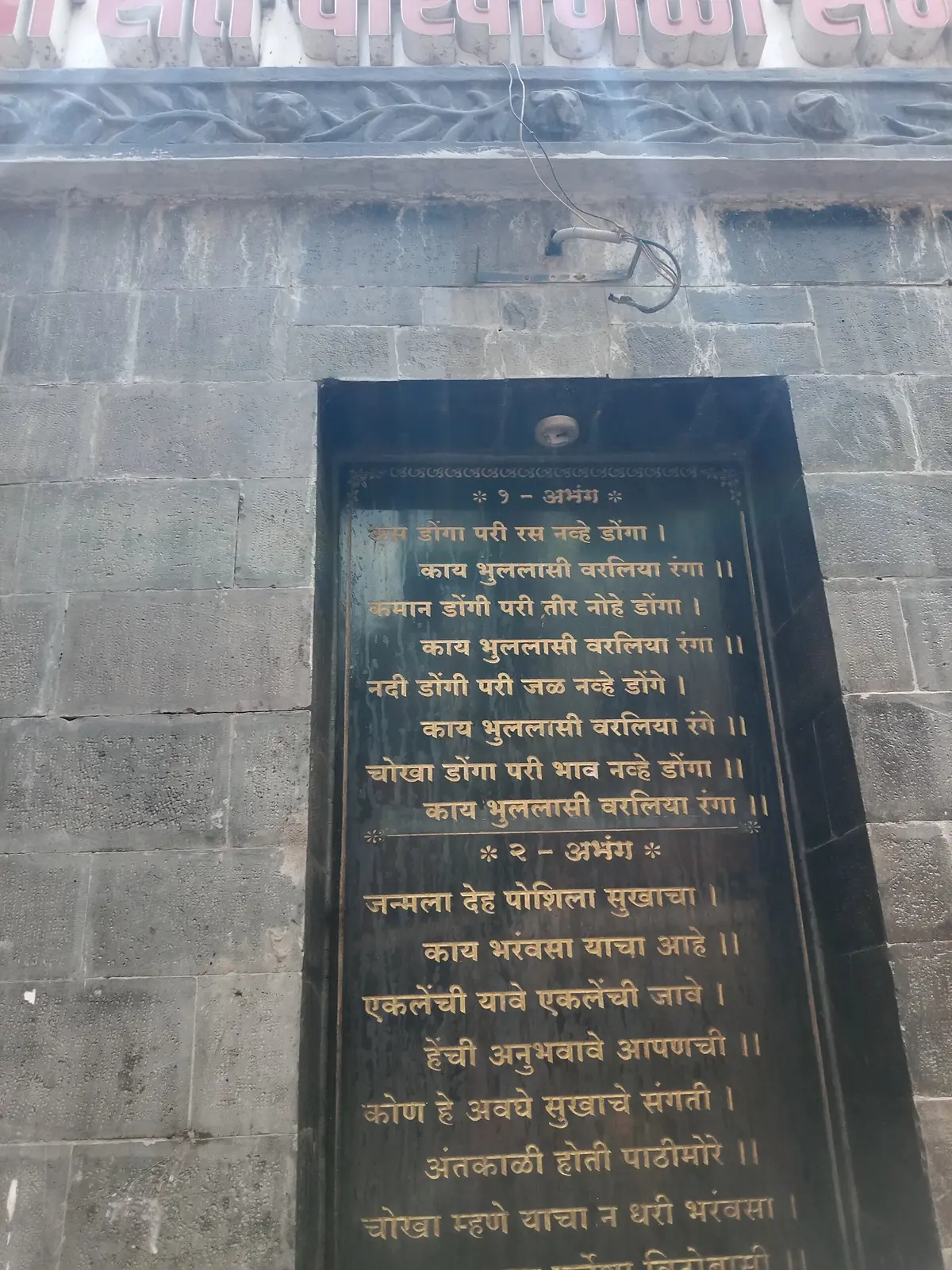
Pundalik was serving his old parents when Shri Krishna came to his door. Not wanting to break off his seva, Pundalik pushed a brick (vit) towards the visitor and asked him to wait on it. Bhagwan stood on the brick, hands on his hips, and waited, and has stood so ever since: Vitthal, the one on the brick. The Warkaris sing that he has been standing ‘yuge atthavis’, for twenty-eight yugas. Pundalik’s shrine is on the riverbed of the Chandrabhaga, as the Bhima is called here. At the temple’s eastern door the first step is the samadhi of Sant Namdev, so that every pilgrim’s feet touch it.
02The wari and the open door
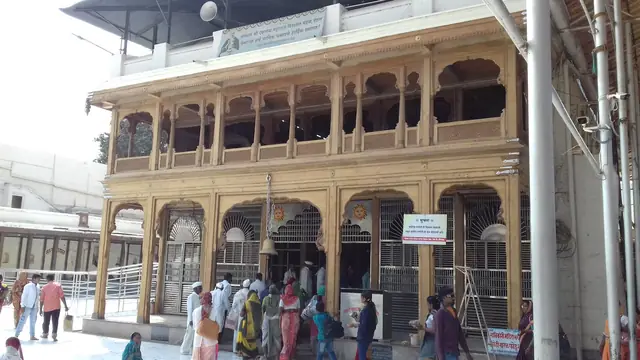
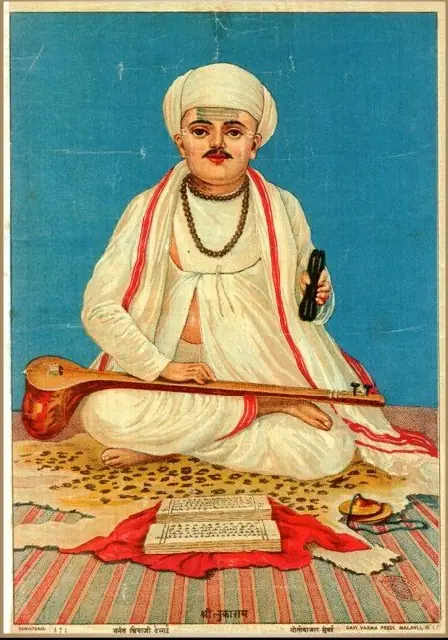
Every Ashadh, palkhis carrying the padukas of Sant Jnaneshwar from Alandi and Sant Tukaram from Dehu set out on foot, with lakhs of Warkaris in dindis, singing abhangas for about three weeks, to reach Pandharpur for Ashadhi Ekadashi. The Chief Minister of Maharashtra performs the mahapuja that dawn. Kartiki Ekadashi brings a second great gathering. In May 1947 Sane Guruji fasted to have the temple opened to all Hindus regardless of caste, and the trustees opened its doors to the communities long kept outside.
The life of this place
- 13th centuryInscriptions of the Yadava period record gifts for the temple’s upkeep.
- 1350Sant Namdev’s samadhi at the temple’s eastern step, by Warkari tradition.
- May 1947After Sane Guruji’s fast the temple is opened to Hindus of every caste.
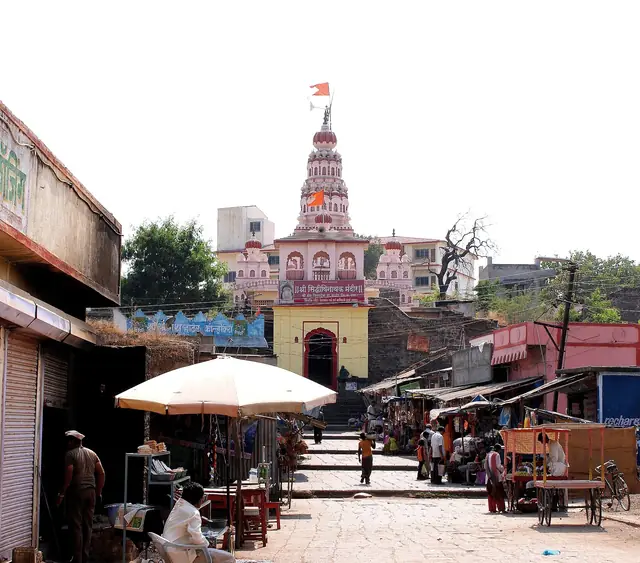
Ashadhi and Kartiki Ekadashi bring crowds of many lakhs. On ordinary days the padasparsha darshan, touching Vitthal’s feet, is allowed after a queue that can take hours.