Cite
MLA
“Bhagwan Shiva.” Hindu History, 2026, https://www.hinduhistory.in/devata/shiva/. Accessed .
APA
Hindu History. (2026). Bhagwan Shiva. Retrieved , from https://www.hinduhistory.in/devata/shiva/
त्र्यम्बकं यजामहे सुगन्धिं पुष्टिवर्धनम्। उर्वारुकमिव बन्धनान्मृत्योर्मुक्षीय माऽमृतात्॥
tryambakaṃ yajāmahe sugandhiṃ puṣṭivardhanam | urvārukam iva bandhanān mṛtyor mukṣīya mā'mṛtāt ||
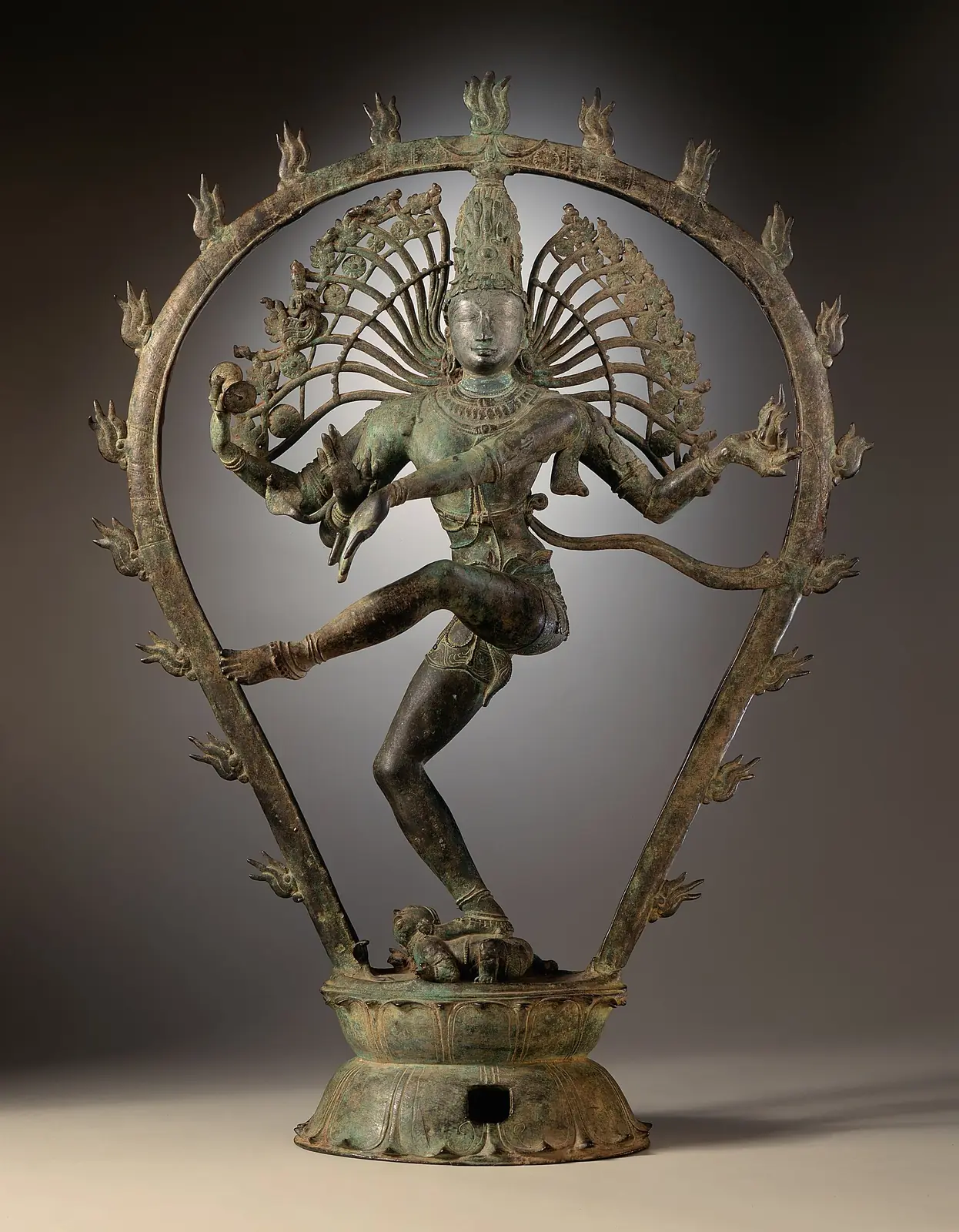
Matted hair holding the Ganga and a crescent moon, a third eye on the brow, Vasuki coiled at the throat, ash on the body, a tiger skin at the waist; the trishula and damaru in his hands. In the sanctum he is the Linga on its pitha. As Nataraja he dances in a ring of fire with four arms, one foot on the dwarf Apasmara.
01Rudra of the Veda
The Rigveda praises Rudra as fierce and as healer at once, the bearer of the best medicines (Rigveda 2.33). The Shri Rudram of the Krishna Yajurveda (Taittiriya Samhita 4.5) bows to him in every form, and from it comes the Panchakshara, namaḥ śivāya. The Shvetashvatara Upanishad declares him the one Deva hidden in all beings. Shiva and Rudra are one Bhagwan; the Shastra calls him Rudra when it speaks of his power and Shiva, the auspicious, when it speaks of his grace.
02The pillar of light
The Shiva Purana tells how Brahma and Vishnu once argued over who was greater, and a pillar of fire without end rose between them. Vishnu went down as a boar and Brahma flew up as a swan; neither found the end. That is the Lingodbhava katha, and it is why the Linga is worshipped as the sign of the formless, and why the Ketaki flower, which bore false witness for Brahma, is never offered to Shiva. Other kathas follow him everywhere: drinking the halahala at the churning of the ocean, burning Kamadeva with his third eye, catching the Ganga in his hair.
03How Shiva is worshipped
Water and milk over the Linga, three-leaved bilva placed smooth side down, vibhuti on the brow, a rudraksha mala: these are the daily signs of Shiva bhakti. Most traditions take only half a parikrama, turning back at the outlet where the abhisheka water flows. Mahashivaratri, on the fourteenth night of the dark half of Phalguna (Magha by the southern calendar), is kept with a fast and four watches of puja through the night. In Shravan, Mondays are his, and lakhs of kanwariyas carry Ganga water on foot to their home shrines.
04Jyotirlingas and great temples
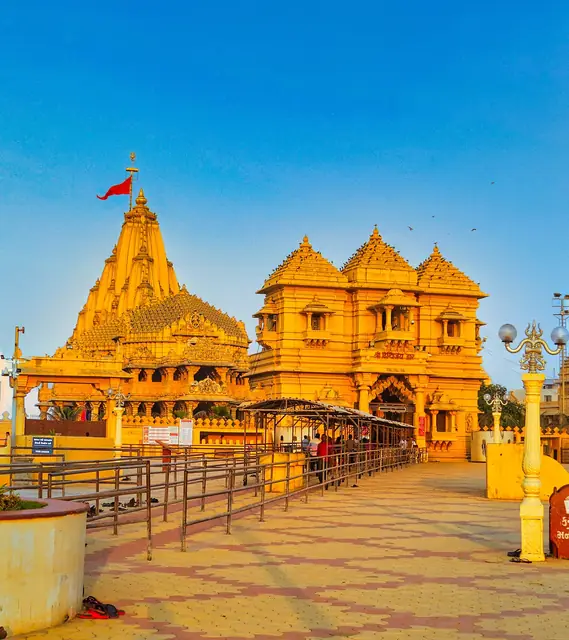
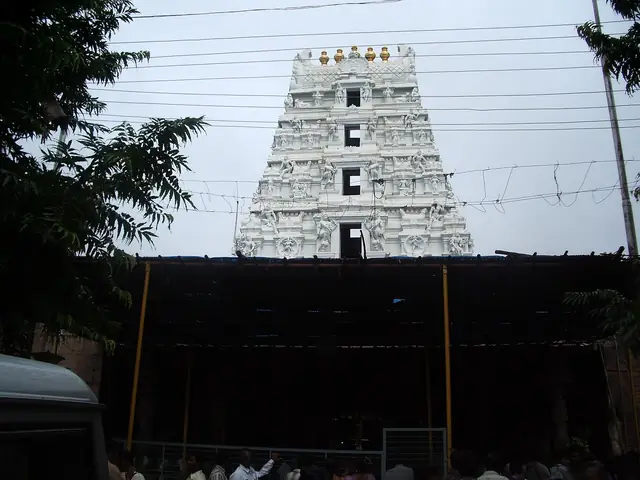
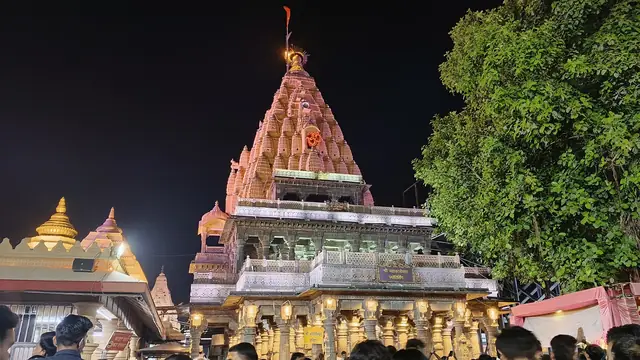
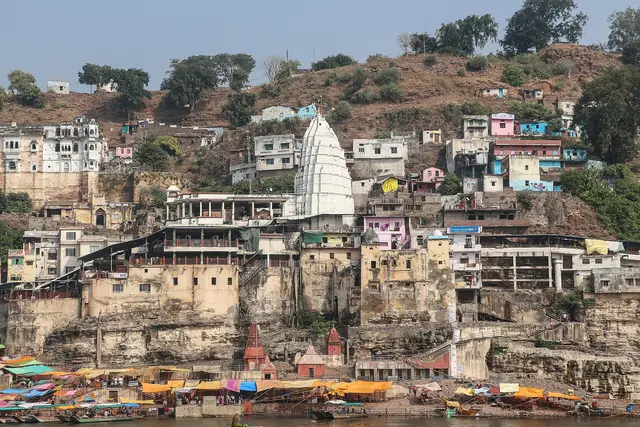
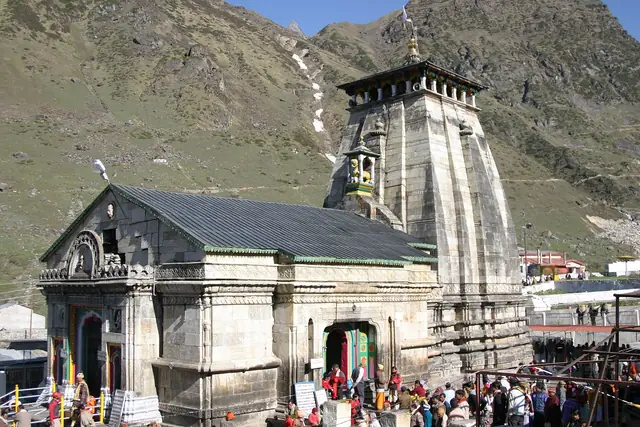
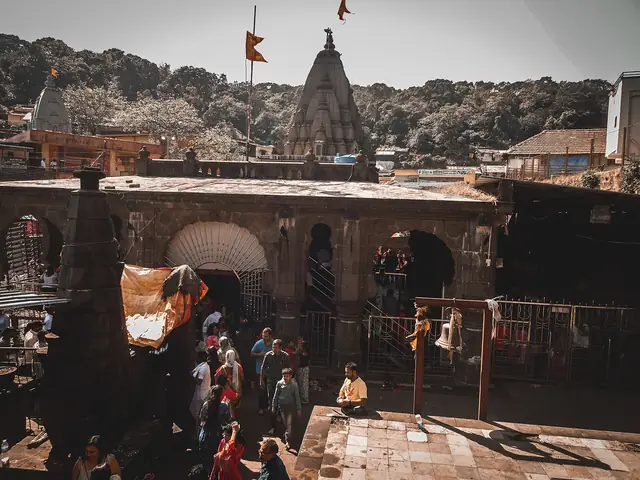
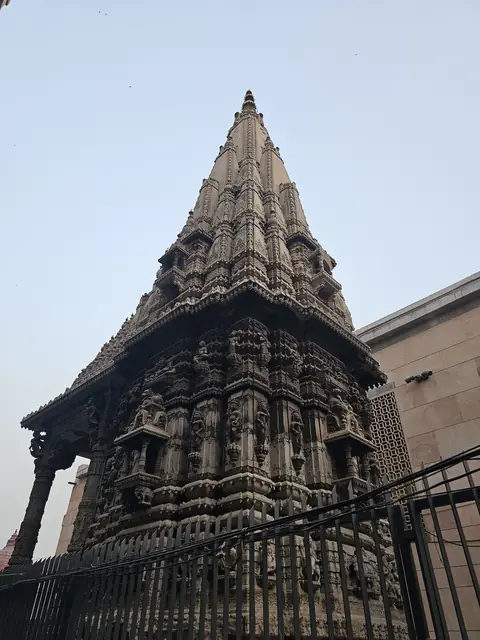
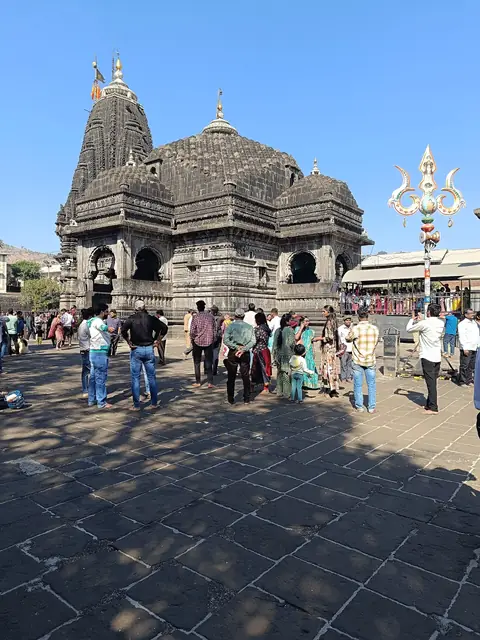
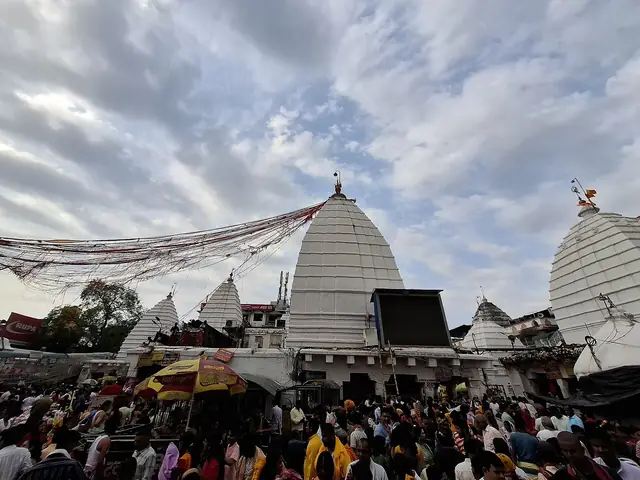
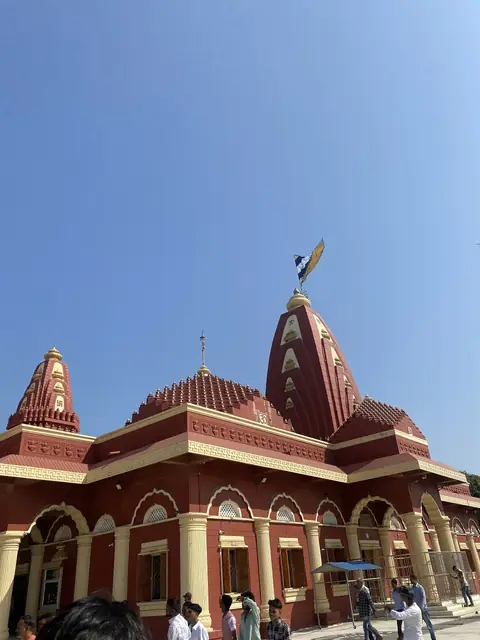
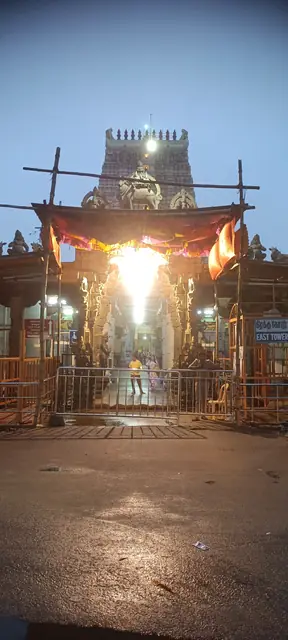
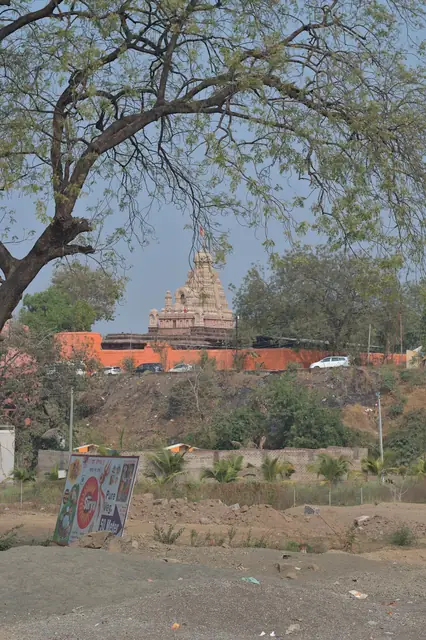
The Dvadasha Jyotirlinga stotra names twelve places where Shiva shone forth as light: Somnath, Mallikarjuna, Mahakaleshwar, Omkareshwar, Kedarnath, Bhimashankar, Vishwanath, Trimbakeshwar, Vaidyanath, Nageshwar, Rameswaram and Grishneshwar. Somnath was attacked by Mahmud of Ghazni in 1026 CE and rebuilt many times; the present temple was consecrated in 1951. Rajaraja Chola completed the Brihadeeswara at Thanjavur in 1010 CE. At Chidambaram he is worshipped as Nataraja and as the space-linga; at Tiruvannamalai as the fire-linga.
In the texts
- Rigveda 2.33 and 7.59.12
- Shri Rudram (Taittiriya Samhita 4.5)
- Shvetashvatara Upanishad
- Shiva Purana, Vidyeshvara and Rudra Samhitas
- Linga Purana