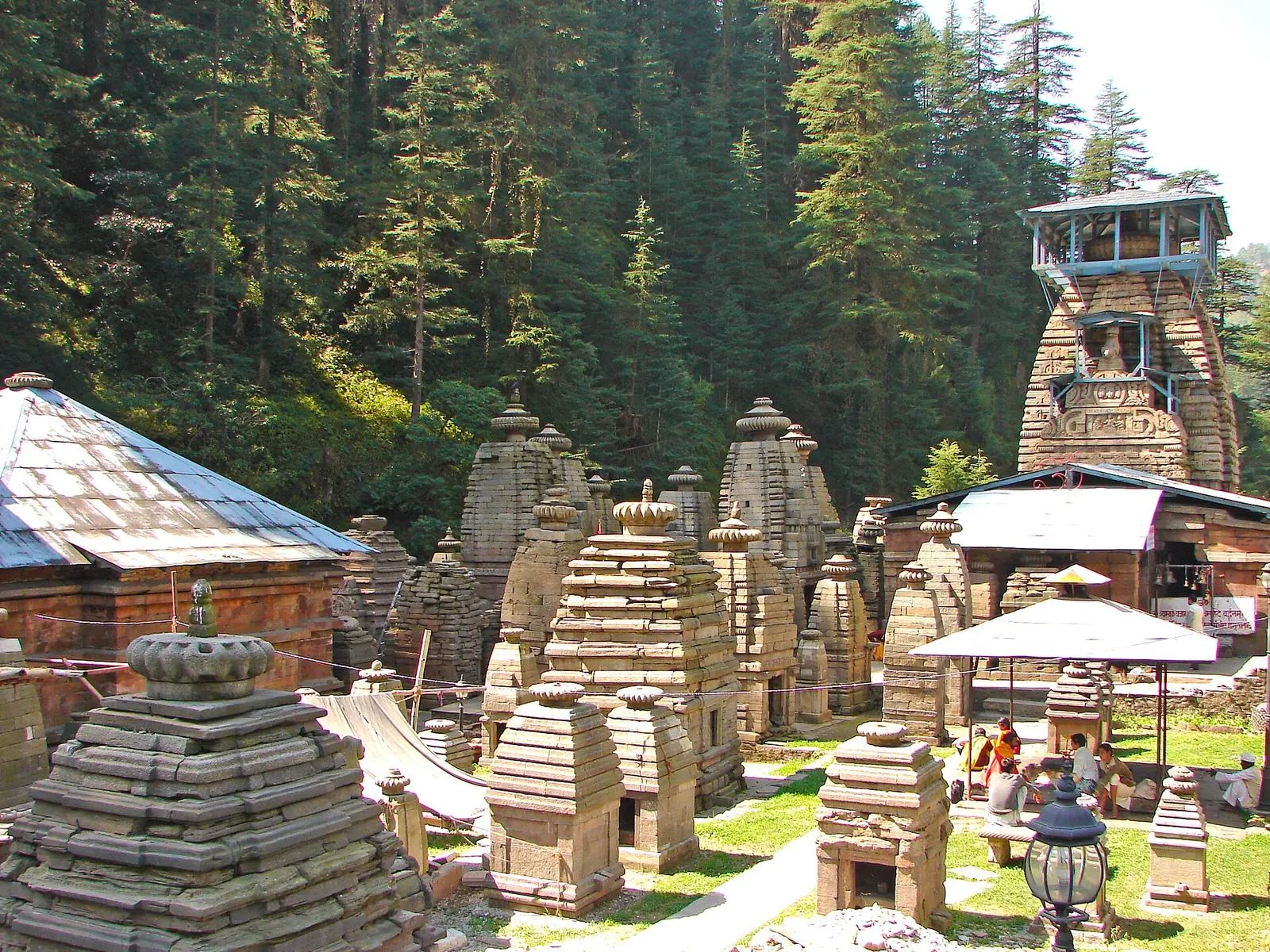
01A valley of spires
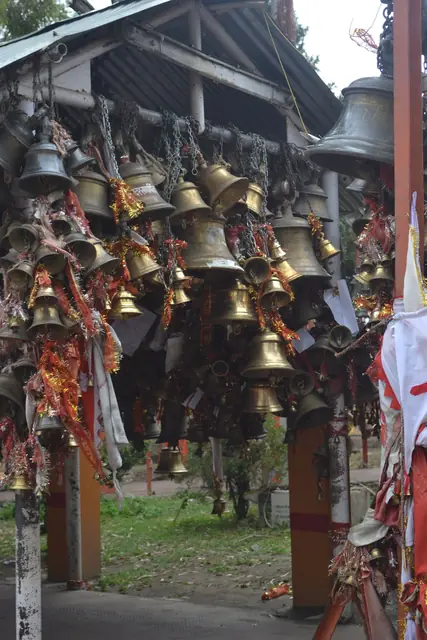
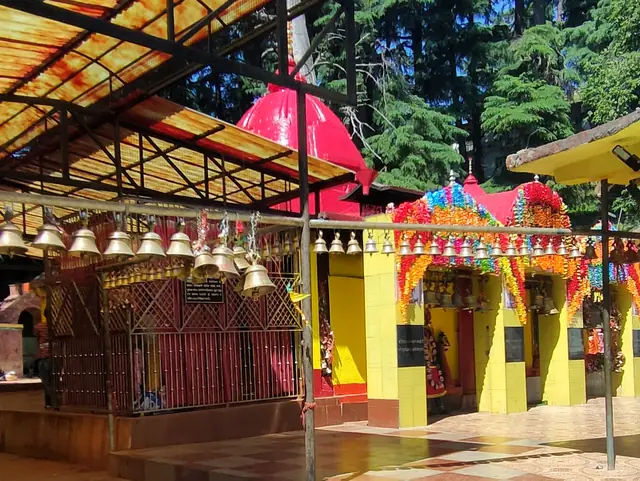
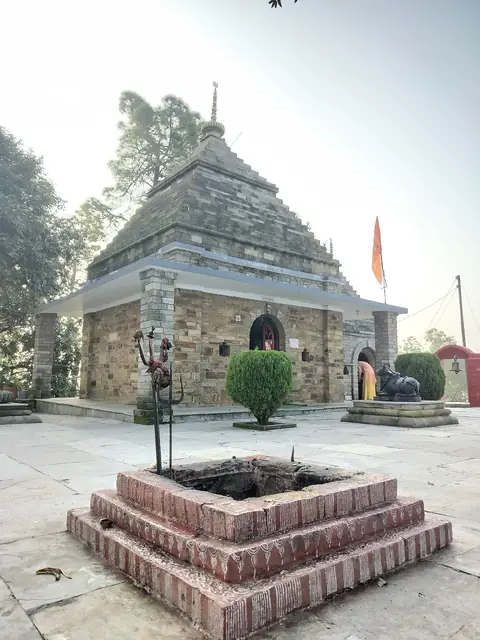
Along the Jataganga stream, under deodars some say were planted by the Pandavas, stand around 125 temples in the curved Nagara style of the hills, from shrines a man can barely enter to the tall Mahamrityunjaya temple, the largest of the group. The Archaeological Survey of India dates them between roughly the 9th and 13th centuries, built under the Katyuri kings and endowed by the Chand rulers who came after. Their copper-plate grants and gifts of lamps are recorded in the temple. Three kilometres away, the Dandeshwar group continues the line, and Vriddha Jageshwar stands on the ridge above.
02Shravan in the deodars
The Jageshwar Monsoon Festival in Shravan and the Mahashivaratri fair bring Kumaon to the valley. Families perform Mahamrityunjaya jap and rudrabhishek here for the sick. The ASI keeps a site museum with the best of the sculptures moved from the temples for safety, among them life-size bronze and stone figures of the Chand kings. Almora, the old Chand capital, is about an hour away, and many families come for the day with a Brahmin of their own village to conduct the puja.
The life of this place
- c. 9th–13th centuryThe temple group is built under the Katyuri and Chand kings.
About 36 km from Almora by road. Stay a night at Jageshwar to see the dawn puja at the Jageshwar shrine.