01Shiva’s tear
When Sati gave up her body in Daksha’s yajna, Shiva wept, and the tradition of Katas says two tears fell to earth: one made the Pushkar lake in Rajasthan, the other this pond. The name is taken from Kataksha, the tear-filled eye. Another local katha places the Yaksha’s questions to Yudhishthira at this pond, from the Vana Parva of the Mahabharata. Pilgrims bathed here on Maha Shivaratri for centuries, coming from all over Punjab and Sindh.
02The temples
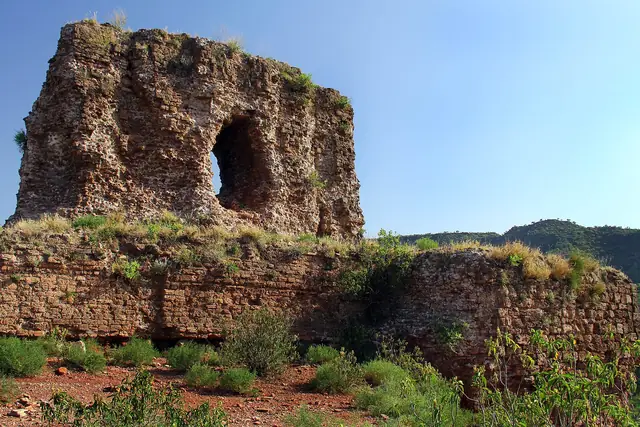
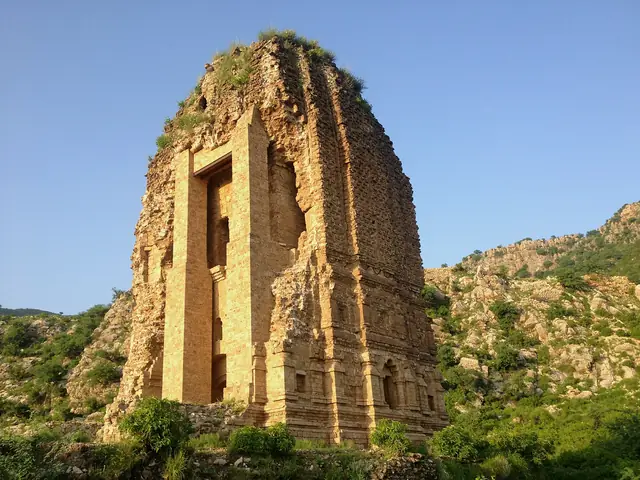
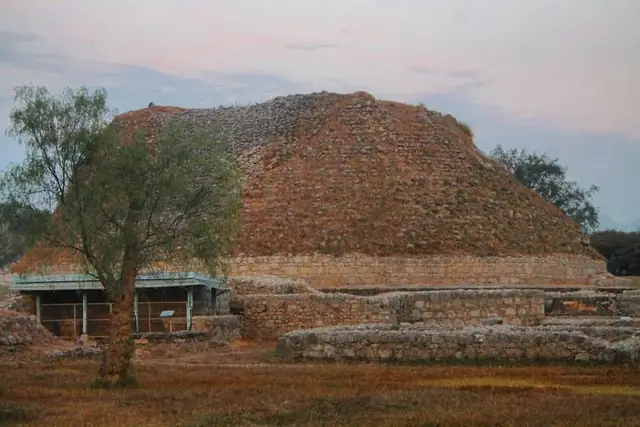
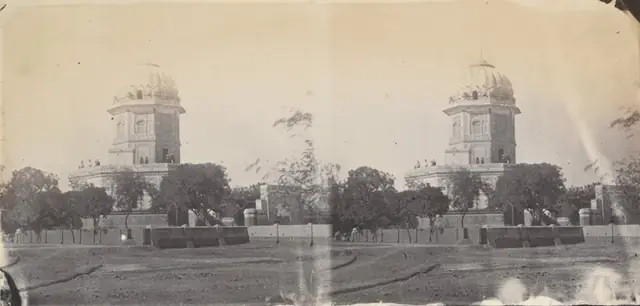
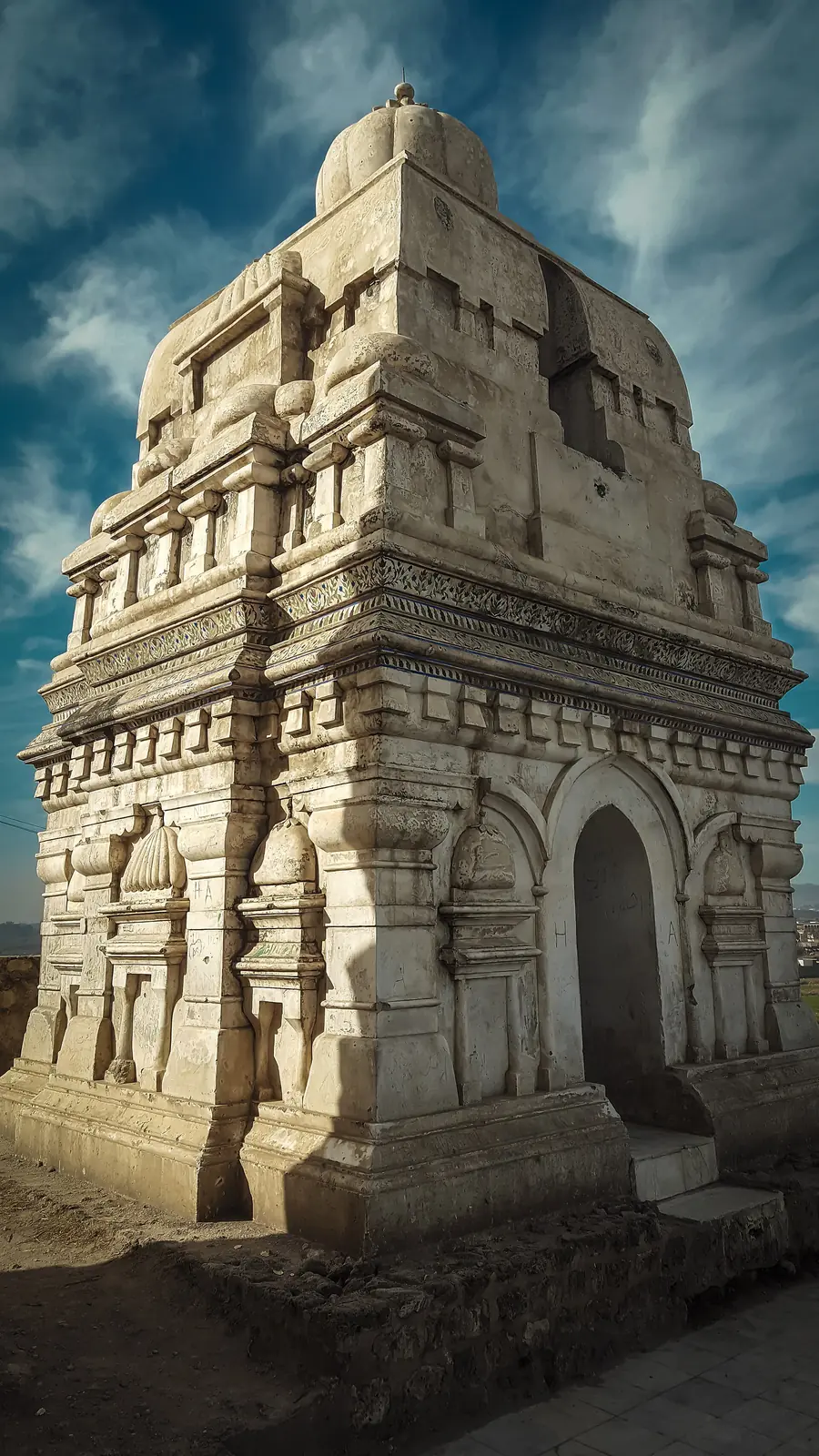
The oldest standing temples, the group called Satgraha, are in the Kashmiri-influenced style of the Salt Range, with fluted pillars and trefoil arches, and are usually dated from the seventh century onward; some are attributed to the Hindu Shahi period. Later shrines, a haveli and a Ram temple were added through the medieval and Sikh periods. Xuanzang, passing through in the seventh century, noted a stupa nearby, a reminder that Buddhists also came to these waters.
03After 1947
At Partition in 1947 the Hindus of the area left for India, and the temples stood empty for decades. In 2005 L. K. Advani visited and the Punjab government began restoration. Cement factories nearby drew so much groundwater that the pond began to dry; in 2017 the Supreme Court of Pakistan took up the matter on its own notice and ordered the water restored. Groups of pilgrims from India now come under a bilateral protocol, chiefly for Maha Shivaratri.
The life of this place
- 1947Partition: the local Hindu community left and worship lapsed.
- 2005L. K. Advani’s visit; Punjab government restoration began.
- 2017Supreme Court of Pakistan took suo motu notice of the drying pond.
Indian pilgrims go in groups arranged through the Evacuee Trust Property Board, usually for Maha Shivaratri. The site is about 25 km from Chakwal.