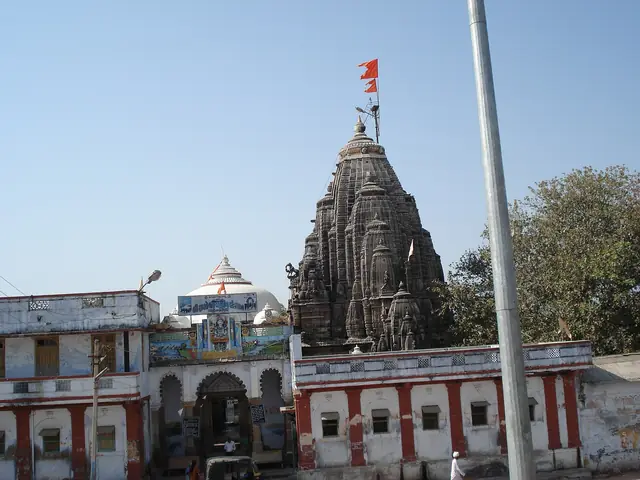
01Siddharaja’s temple
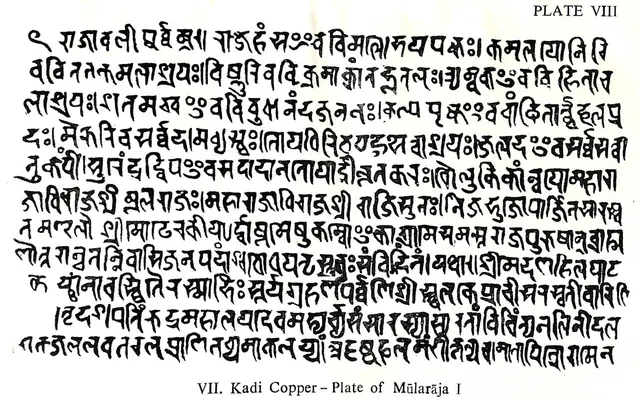
Siddhpur was a tirtha before it was a town. At Bindu Sarovar, the Puranic place of Kardama and Devahuti and the birthplace of Kapila Muni, Hindus perform shraddha for their mothers; it is called Matru Gaya. Gujarati tradition says Mularaja, founder of the Chaulukya line, began a great Rudra temple here and that Jayasimha Siddharaja finished it around 1140, naming the town after himself. Burgess and Cousens, who surveyed the ruins in the 1890s, reckoned it a three-storeyed temple with eleven subsidiary shrines for the eleven Rudras, surrounded by a colonnaded court.
021299 and 1414
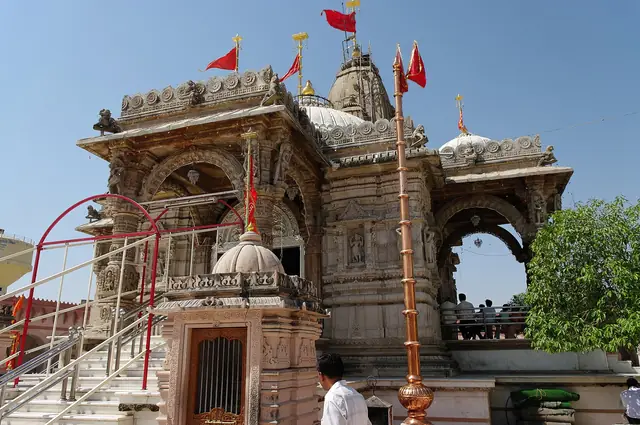
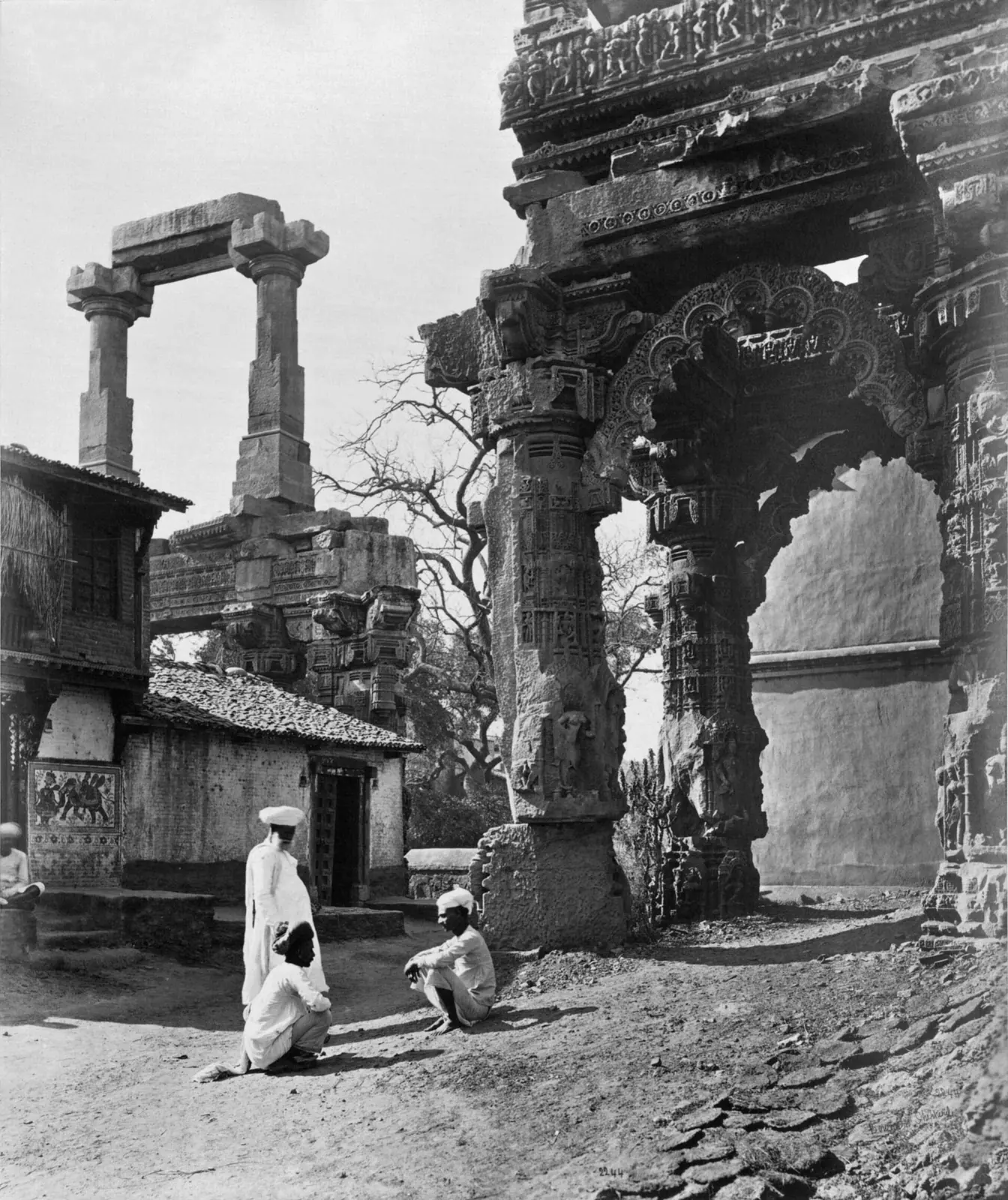
In 1299 Alauddin Khalji sent Ulugh Khan and Nusrat Khan into Gujarat. Anahilapataka fell, Karna Vaghela fled, and the temples of the region, Somnath among them, were broken; the Rudra Mahalaya was wrecked in this campaign. The second blow came in 1414–15, when Ahmad Shah I, sultan of Gujarat and founder of Ahmedabad, had the western part of the complex turned into a Jami mosque, using the temple’s own pillars and walls. What stands today: two porch pillars with their beams, four pillars of a toran, and the shrines built into the mosque.
The life of this place
- 10th centuryMularaja begins the temple, by Gujarati tradition.
- c. 1140 CECompleted by Jayasimha Siddharaja.
- 1299 CEWrecked during Alauddin Khalji’s invasion of Gujarat.
- 1414–15 CEAhmad Shah I converts the western part into a Jami mosque.
In Siddhpur town, 2 km from Bindu Sarovar; the ruins are an ASI site open by day.