Cite
MLA
“Nari Shakti: women in Indian history.” Hindu History, 2026, https://www.hinduhistory.in/nari-shakti/. Accessed .
APA
Hindu History. (2026). Nari Shakti: women in Indian history. Retrieved , from https://www.hinduhistory.in/nari-shakti/
01Rishikas and brahmavadinis
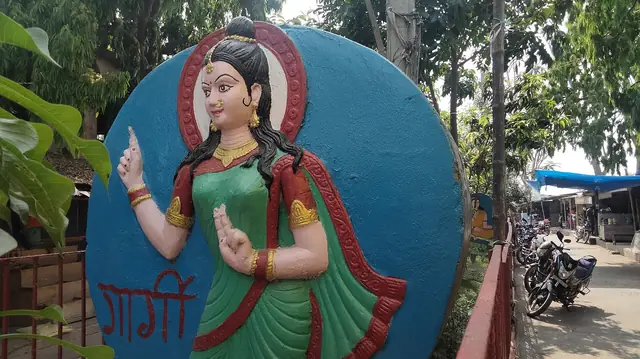
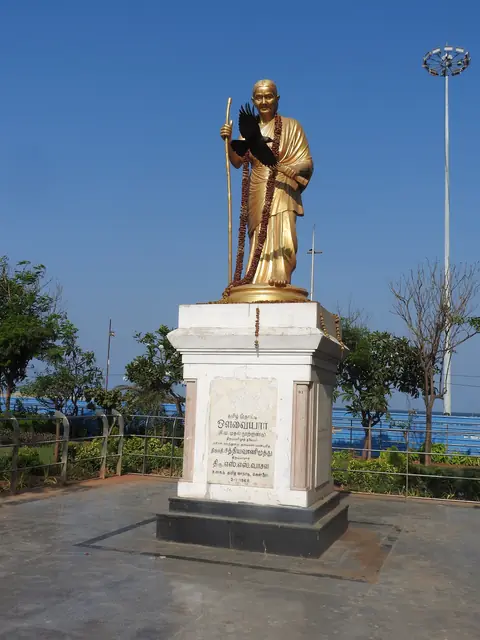
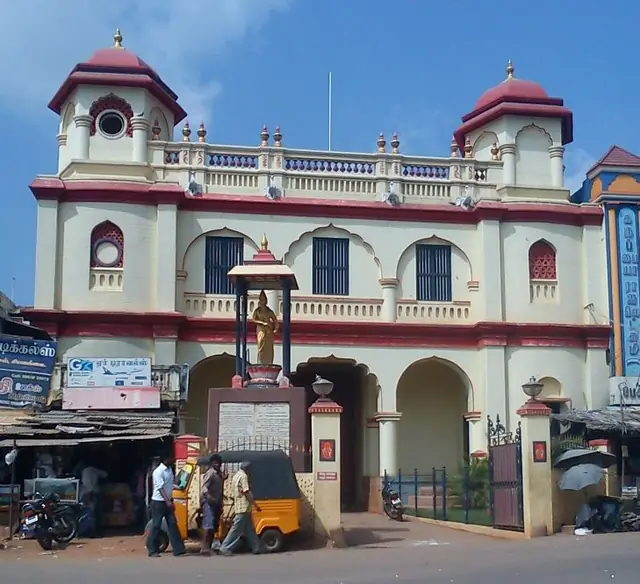
The Rigveda names women among its seers: Lopamudra, Ghosha, Apala, and Vak Ambhrini, whose hymn in the tenth mandala is recited as the Devi Sukta. In the Brihadaranyaka Upanishad Gargi presses Yajnavalkya on what the worlds are woven upon until he teaches her the Akshara, the imperishable. In the same Upanishad, when Yajnavalkya offers to divide his wealth before leaving for the forest, Maitreyi asks what she should do with that which will not make her immortal, and he teaches her the Self. In the Tamil country the Sangam poetess Avvaiyar carried messages between kings, and some 59 poems in the anthologies bear her name.
02Queens who ruled
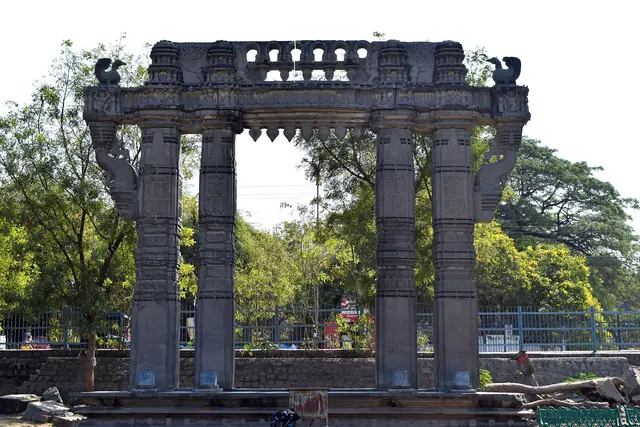
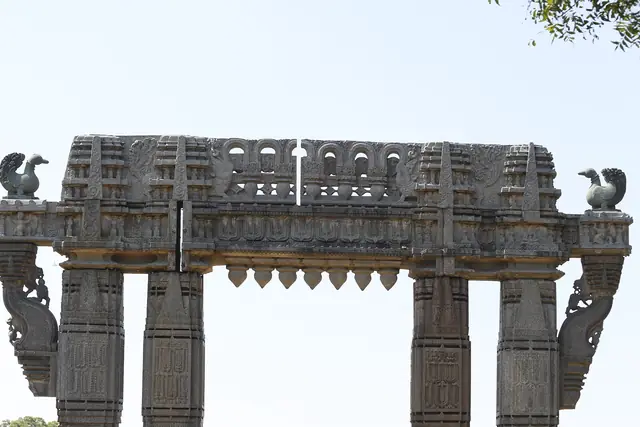
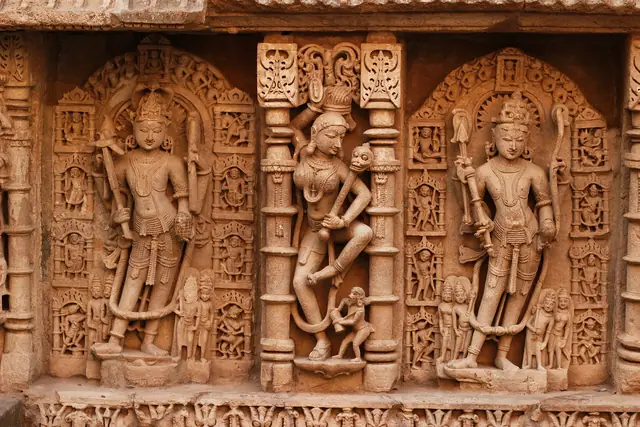
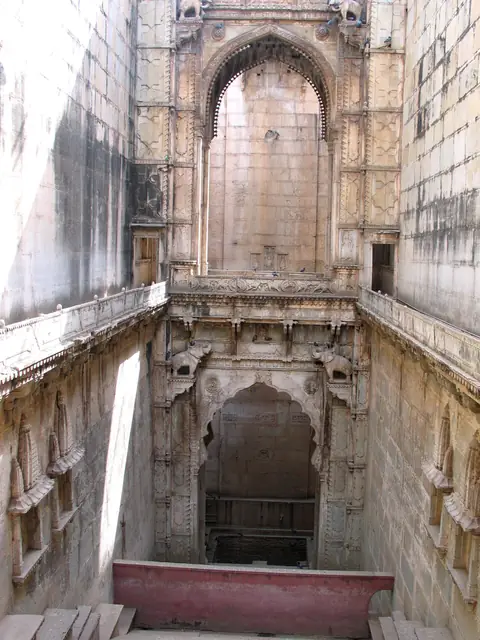
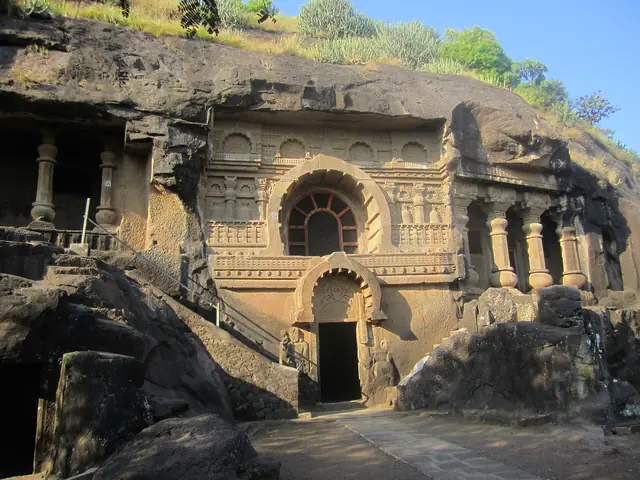
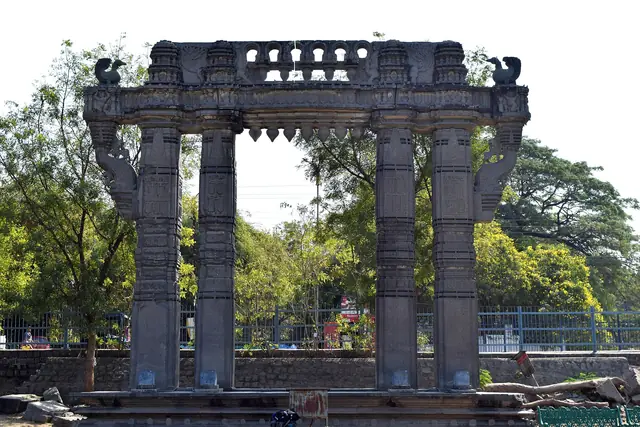
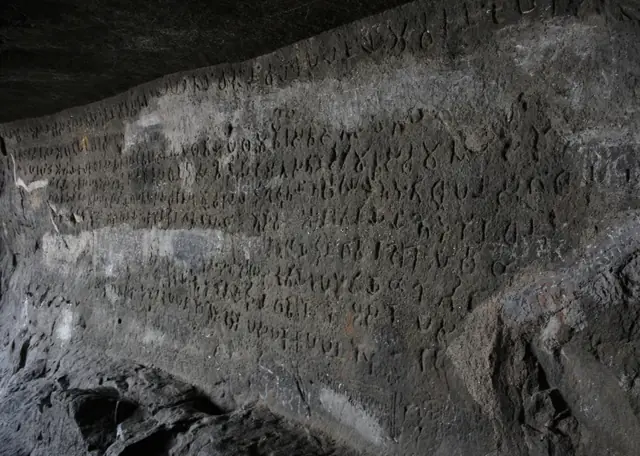
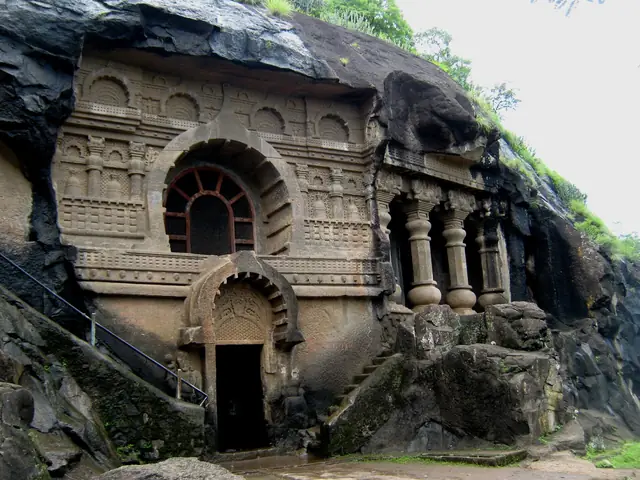
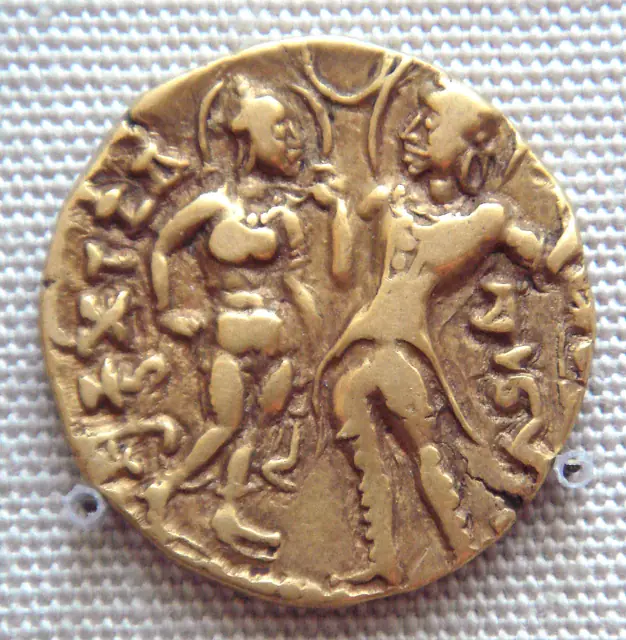
At Naneghat the Satavahana queen Naganika had her husband’s Vedic sacrifices cut into the rock, and at Nashik Gautami Balashri recorded the victories of her son Gautamiputra Satakarni. The Chandragupta–Kumaradevi coin puts a Licchavi princess beside the first Gupta emperor, and her great-granddaughter Prabhavatigupta governed the Vakataka kingdom for her sons from about 390 CE and issued land grants in her own name. Udayamati built the Rani ki Vav at Patan in memory of Bhima I. Naiki Devi, regent of Gujarat, saw her son’s army rout Muhammad of Ghor at Kasahrada in 1178. Rudrama Devi ruled the Kakatiya kingdom from Warangal from about 1262 to 1289 under the title Rudradeva Maharaja, and Marco Polo heard of her at the port of Motupalli.
03With the sword
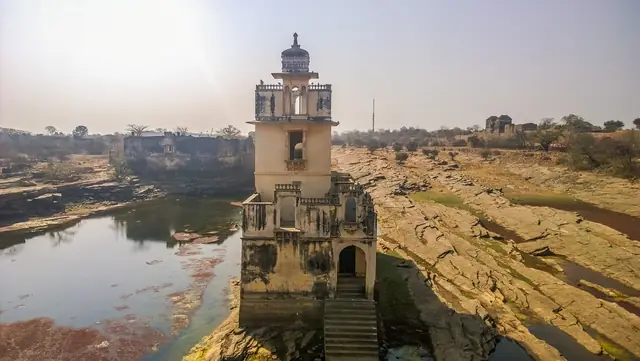
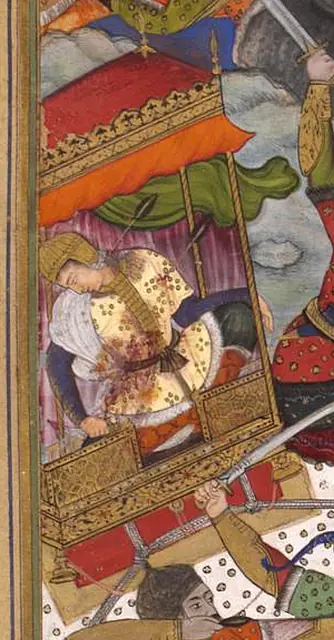
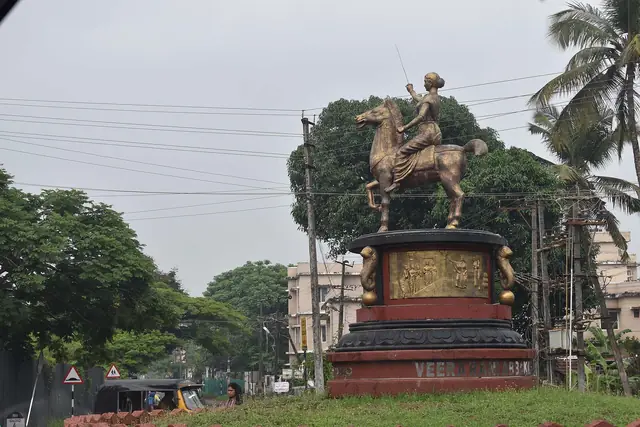
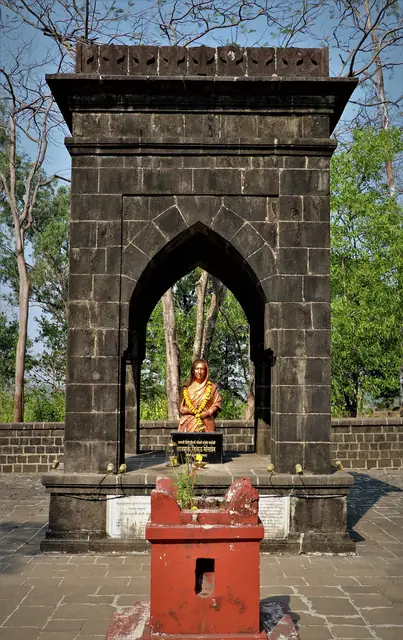
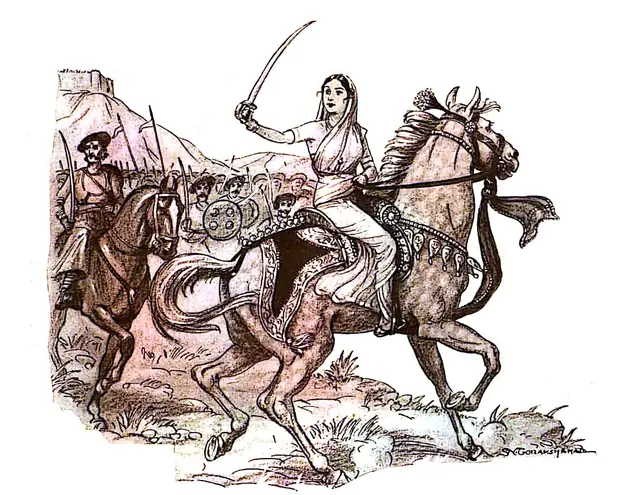
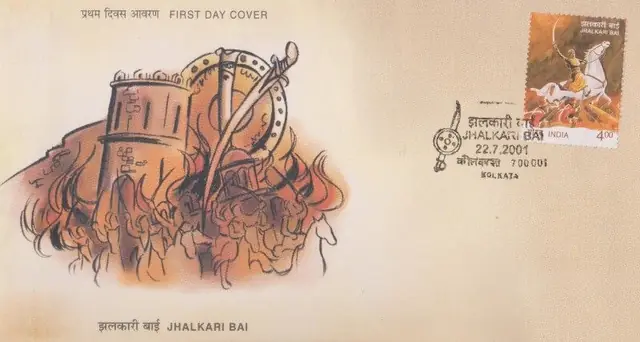
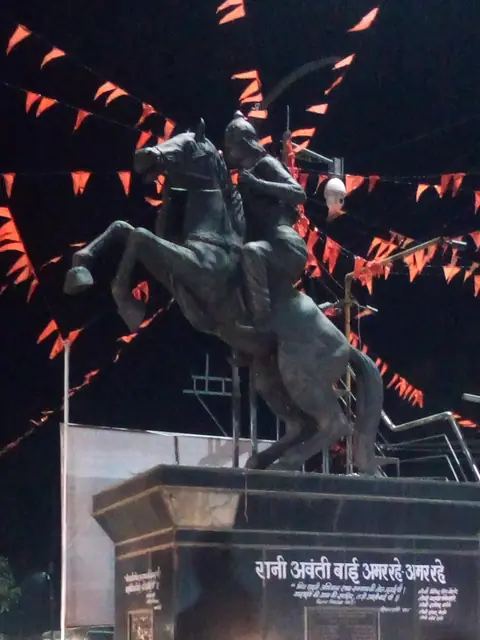
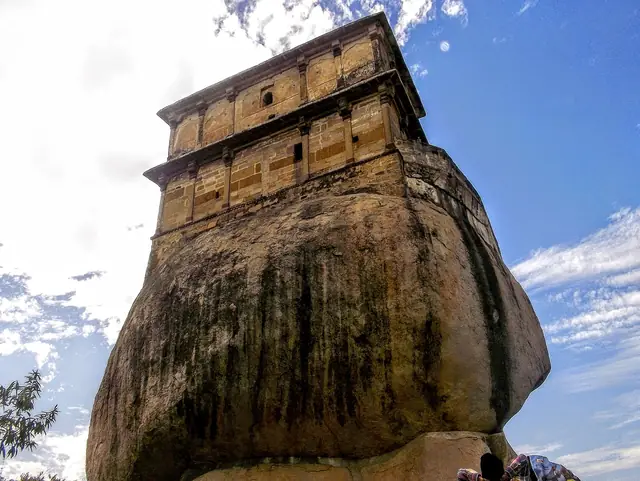
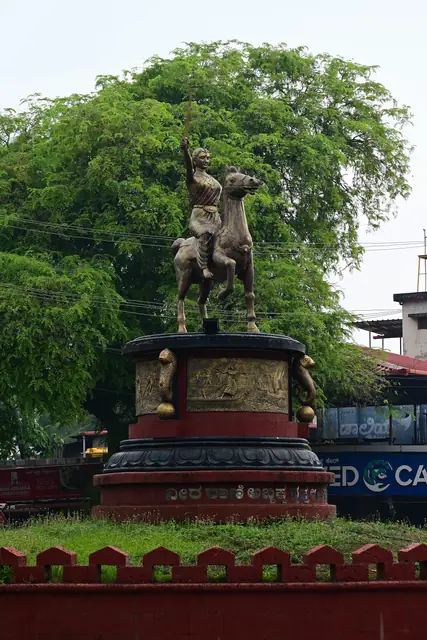
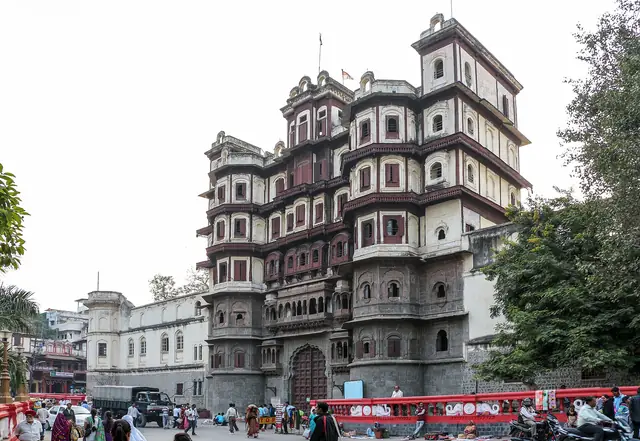
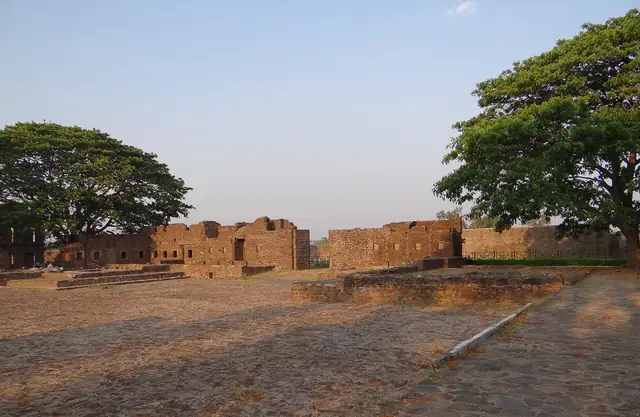
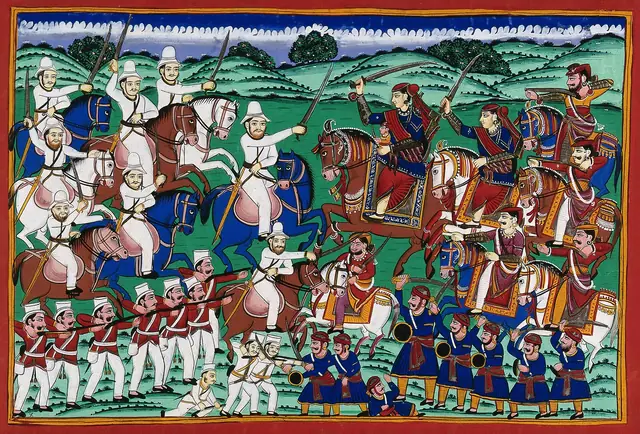
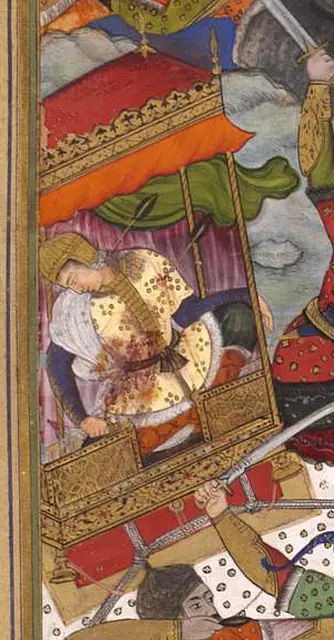
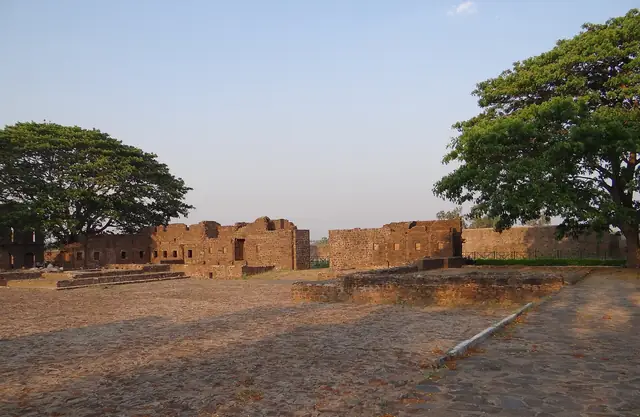
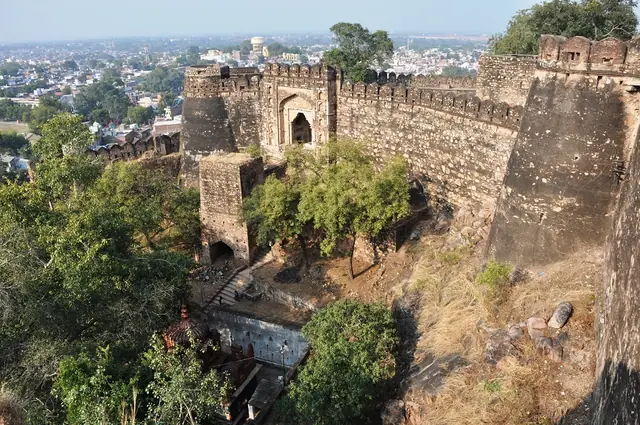
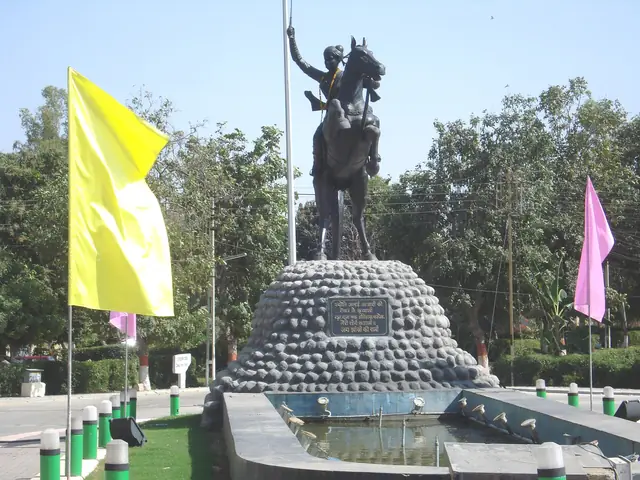
Rani Durgavati of Garha-Mandla met the Mughal general Asaf Khan at Narai in 1564 and, wounded, took her own life rather than be taken. Rani Abbakka of Ullal refused the Portuguese their sea passes for decades. Keladi Chennamma gave Chhatrapati Rajaram safe passage in 1689 and faced the army sent after him, and Maharani Tarabai ran the Maratha war against Aurangzeb from 1700 until he died in the Deccan in 1707. Velu Nachiyar won Sivaganga back in 1780. Kittur Chennamma fought the Company in 1824. In 1857–58 Rani Lakshmibai held Jhansi and fell fighting at Gwalior, Jhalkari Bai took her place on the walls, and Rani Avantibai of Ramgarh fought in the Narmada forests until she was cornered.
04Builders of temples and tirthas
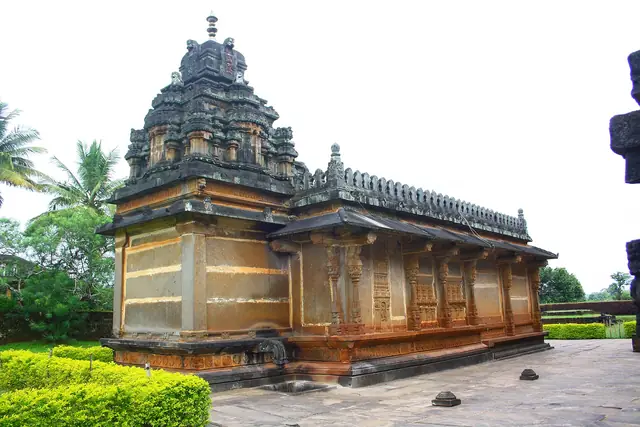
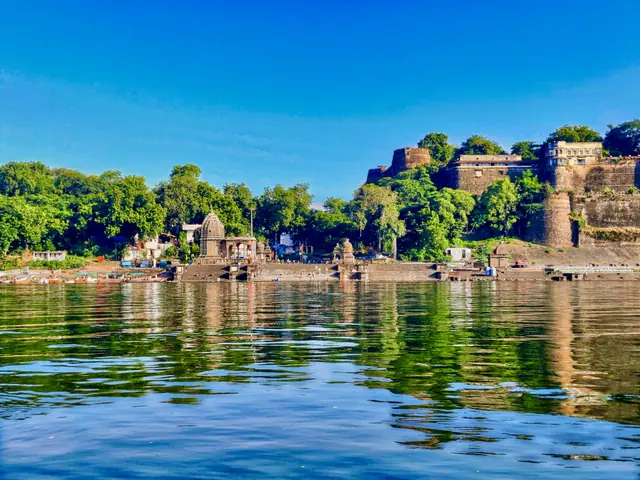
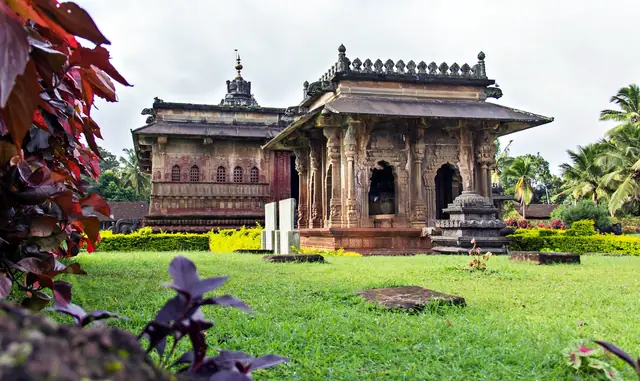
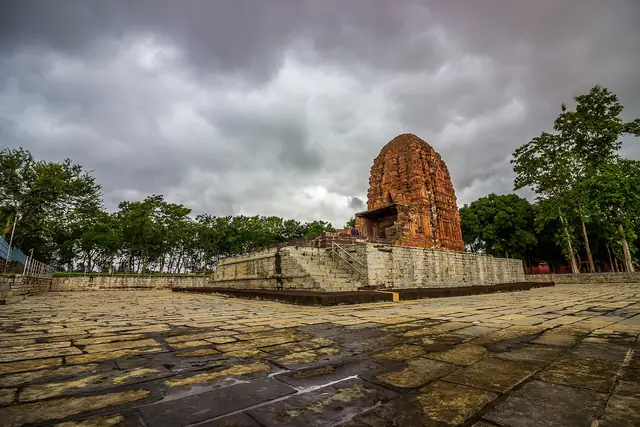
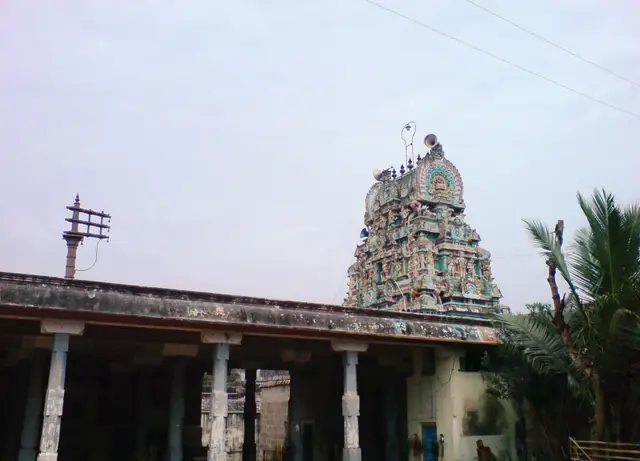
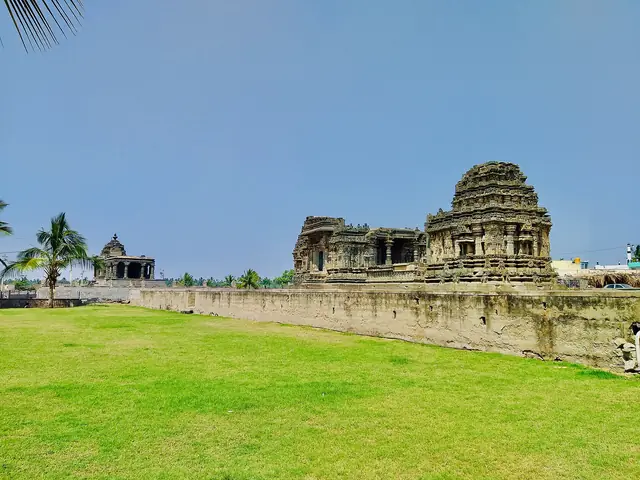
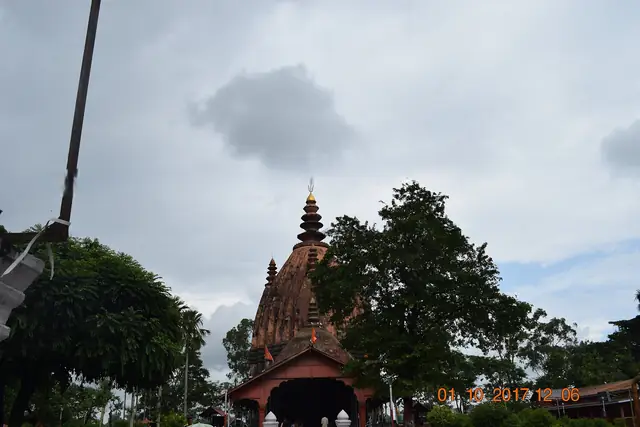
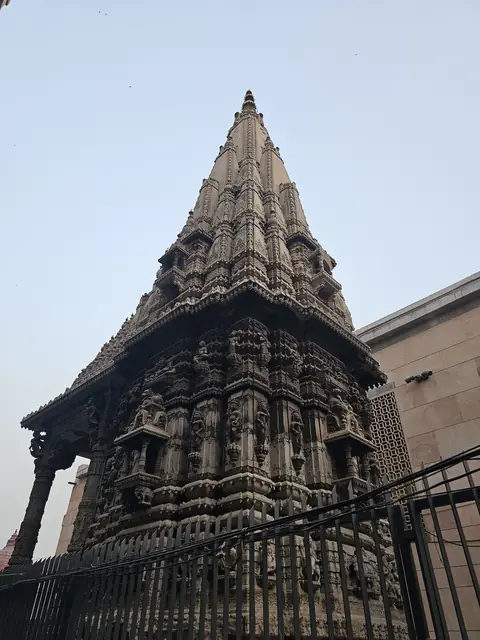
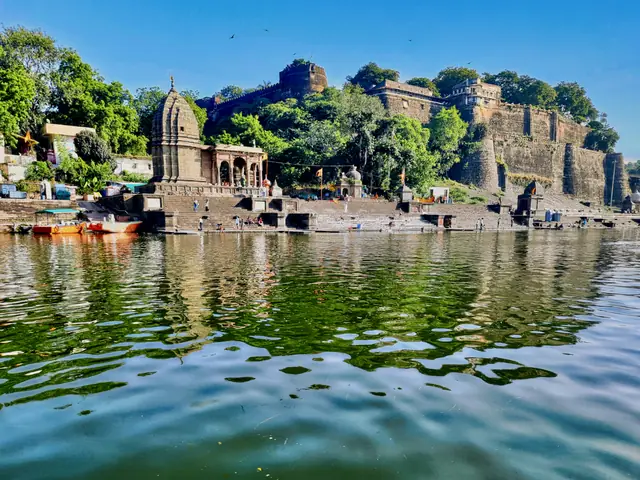
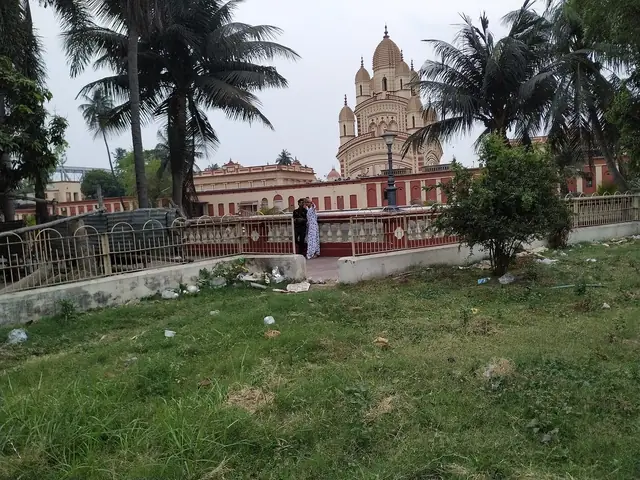
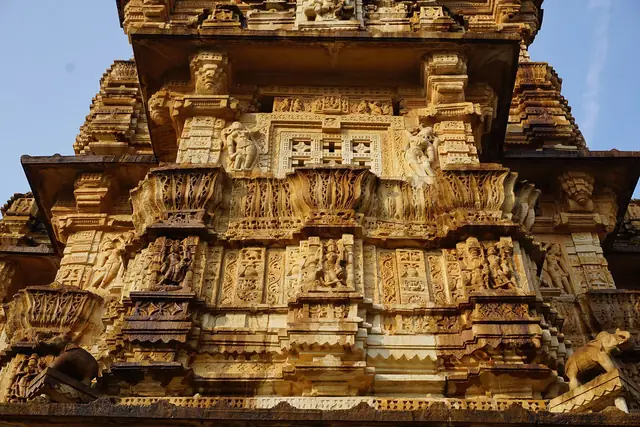
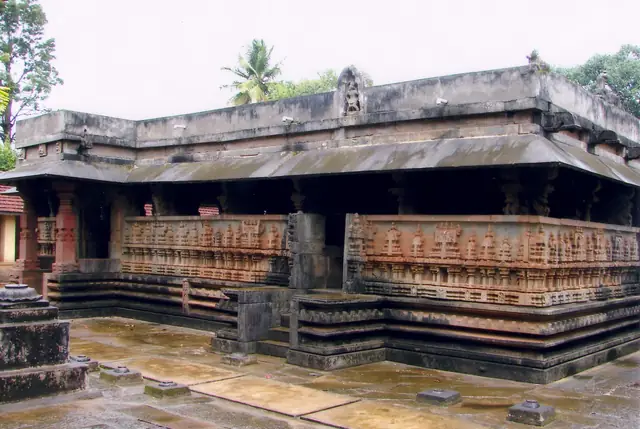
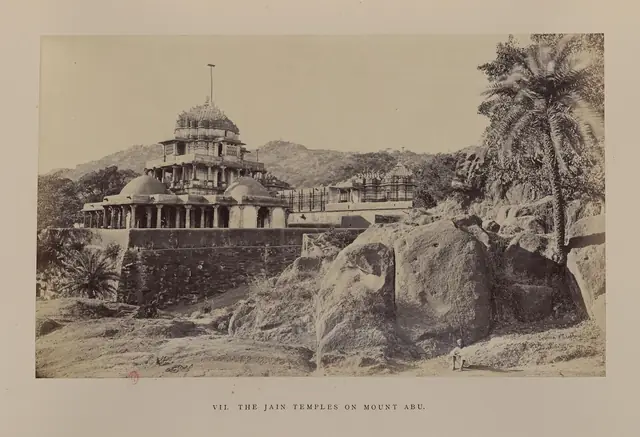
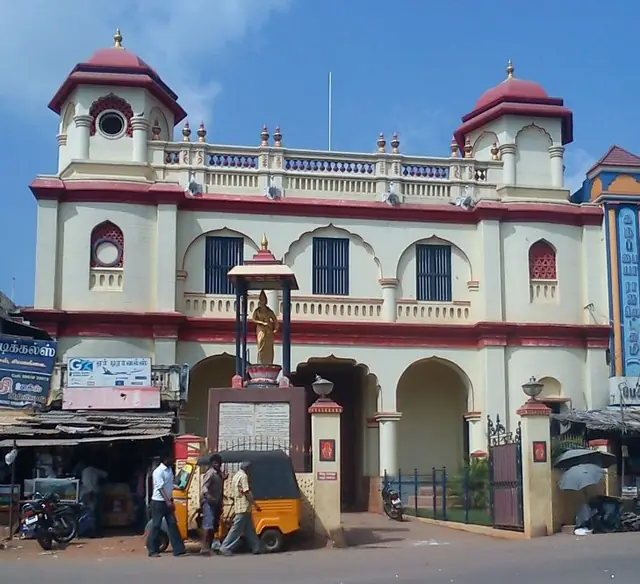
Ahilyabai Holkar governed Malwa from Maheshwar from 1767 to 1795, and her name is cut on ghats, wells and dharmashalas from Somnath to Gaya; the present Kashi Vishwanath temple is hers, built in 1780. Sembiyan Mahadevi, a Chola queen, rebuilt brick shrines such as Konerirajapuram in stone in memory of her husband Gandaraditya. At Sirpur a widowed Panduvamshi queen raised the brick Lakshmana temple; at Lakkundi Attimabbe built a Jain basadi; at Bundi Rani Nathavati cut the Raniji ki Baori in 1699; on the bank of Sivasagar the Ahom queen Ambika raised the Sivadol in 1734. In 1855 Rani Rashmoni consecrated the Kali temple at Dakshineswar, where Sri Ramakrishna served as priest. Jijabai, for her part, raised Shivaji.
05Saints and poets
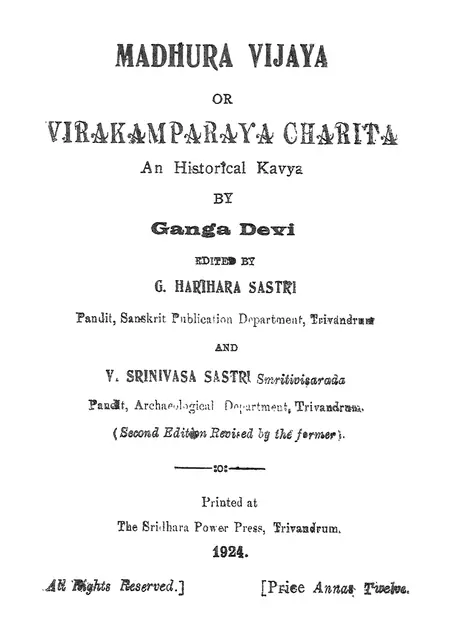
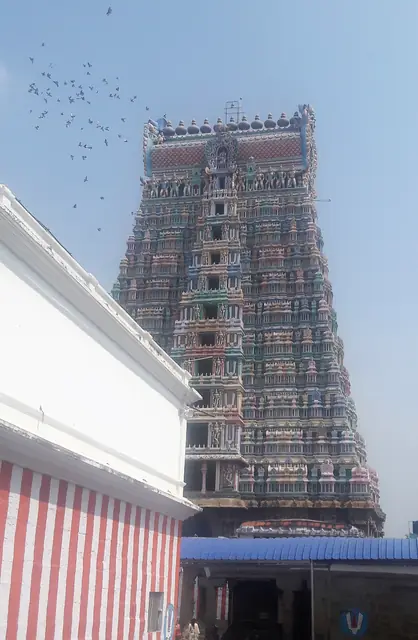
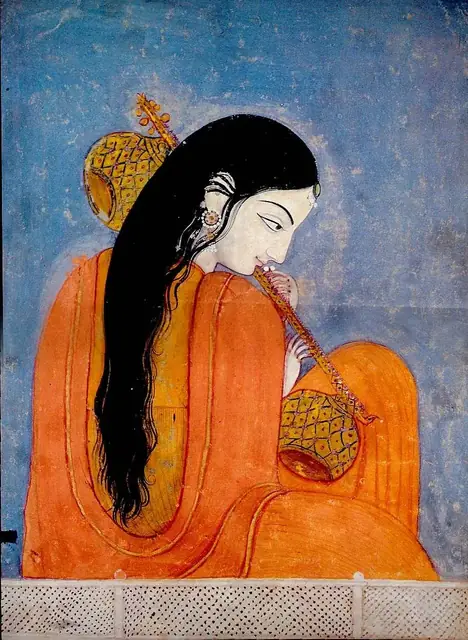
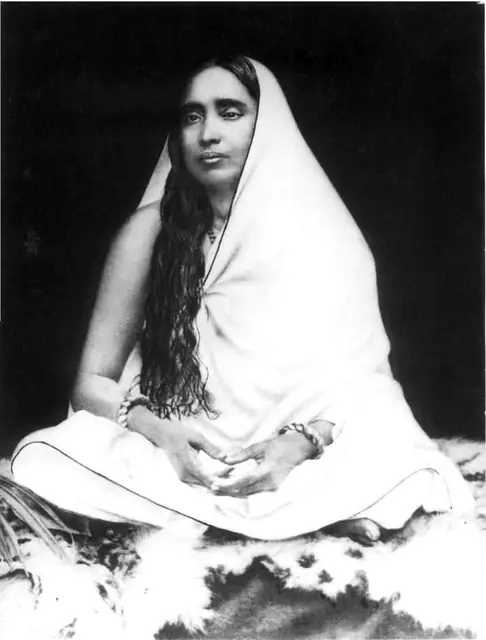
Andal, found as an infant in a tulsi garden at Srivilliputhur, sang the thirty verses of the Tiruppavai, and every morning of Margazhi Tamil homes and temples sing them still. Gangadevi, a Vijayanagara princess, wrote the Madhura Vijayam in Sanskrit on her husband Kumara Kampana’s campaign to free Madurai. In Kashmir in the 14th century Lal Ded left home to wander as a Shaiva yogini, and her vakh are the oldest poetry in Kashmiri; Pandits and Muslims of the valley quote them alike. Meerabai, a Rajput princess of Mewar, gave up the palace to sing for Giridhar Gopal. At Dakshineswar and later Jayrambati, Sri Sarada Devi became the Holy Mother of the Ramakrishna order.
06Reform and freedom
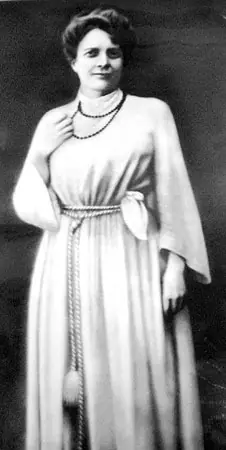
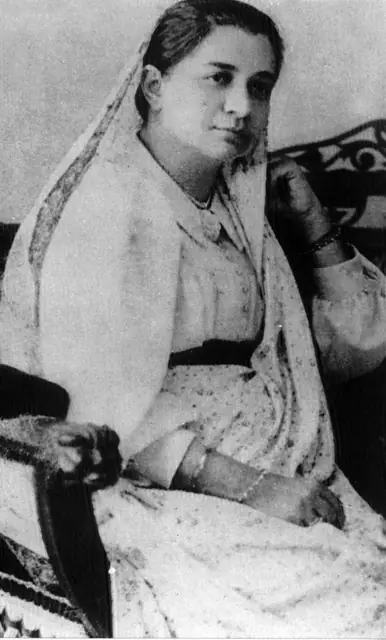
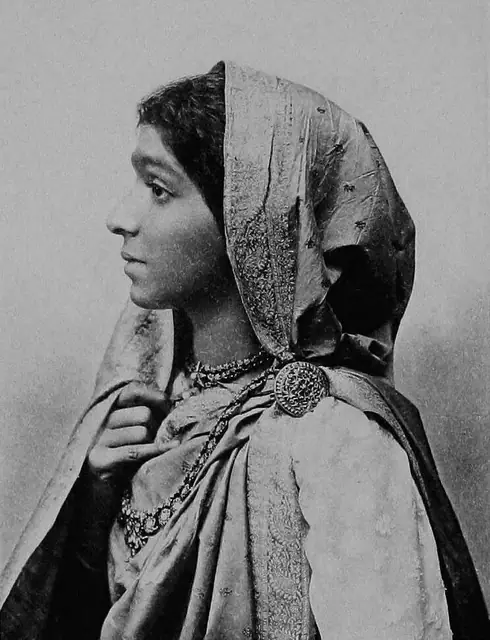
Sister Nivedita, Swami Vivekananda’s Irish disciple, opened a girls’ school in Calcutta’s Bagbazar in 1898. On 22 August 1907, at Stuttgart, Bhikaiji Cama unfurled a flag of free India before the International Socialist Congress. Sarojini Naidu became the first Indian woman to preside over the Congress in 1925 and led the salt raid at Dharasana in 1930. Rani Gaidinliu, a Zeliangrong Naga girl, was captured in 1932 at sixteen and spent fifteen years in prison. On 29 September 1942 Matangini Hazra, about seventy-two, was shot dead at Tamluk with the tricolour in her hand. Fifteen women sat in the Constituent Assembly that framed the Constitution.