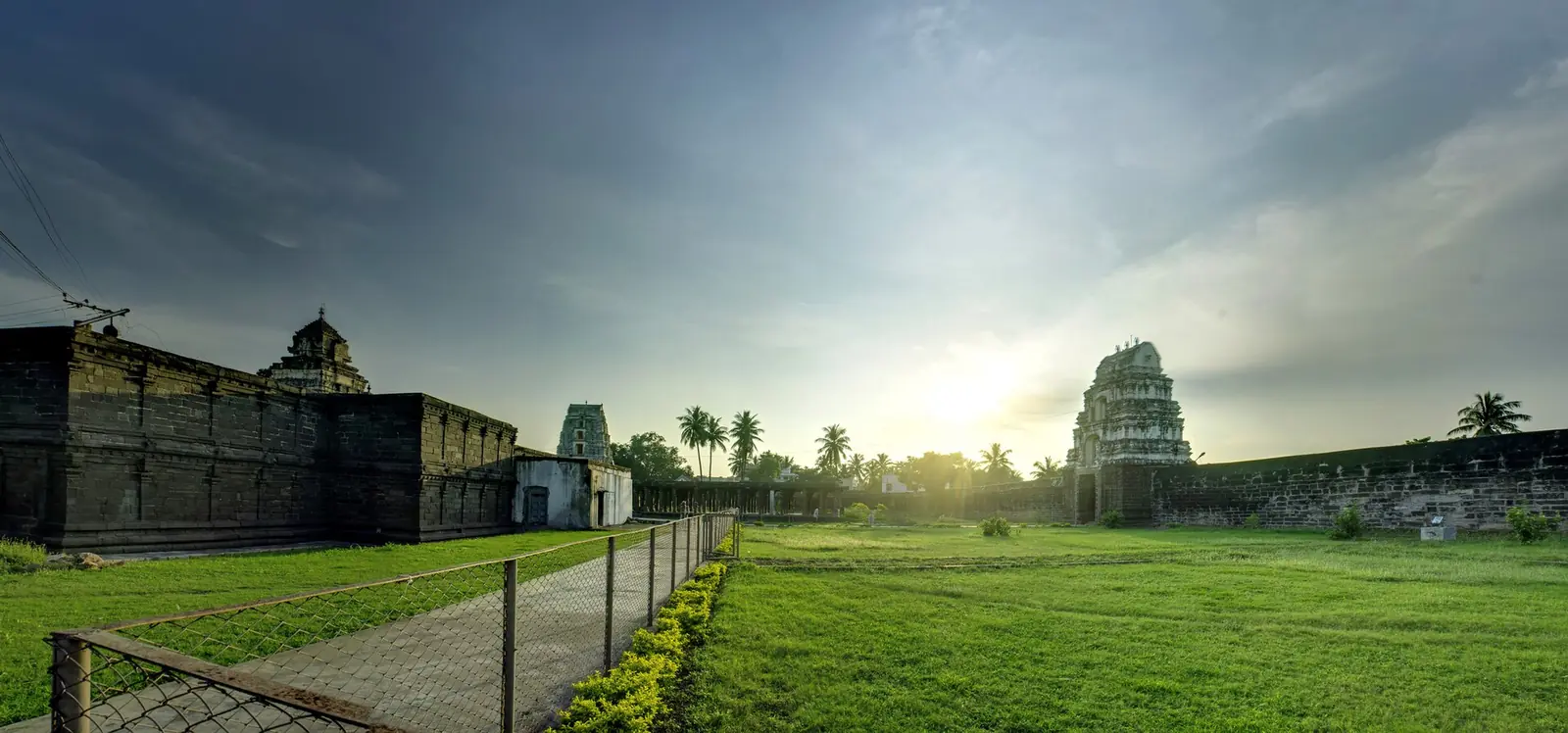
01Daksha’s garden
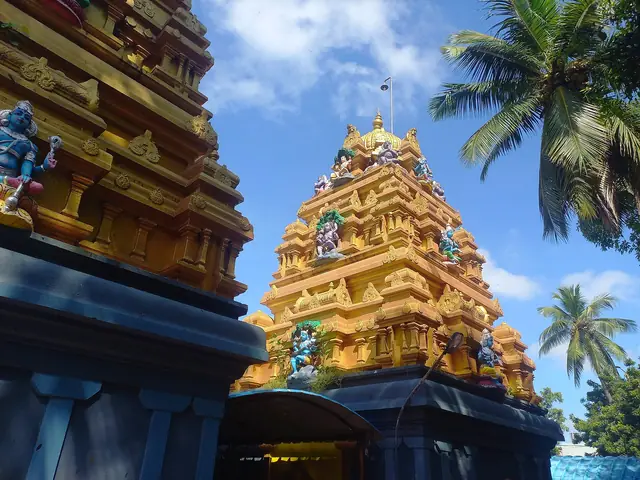
Draksharamam is ‘Daksha-aramam’, the grove of Daksha. The temple tradition holds that this is where Daksha Prajapati performed the yajna to which he did not invite Shiva, where Sati gave up her body and Veerabhadra destroyed the sacrifice. The linga, a tall pillar of crystal-white stone, is counted among the Pancharamas, where pieces of the linga broken by Kartikeya after slaying Tarakasura fell. Manikyamba, the Devi here, is one of the eighteen Maha Shakti Peethas.
02Two storeys of stone
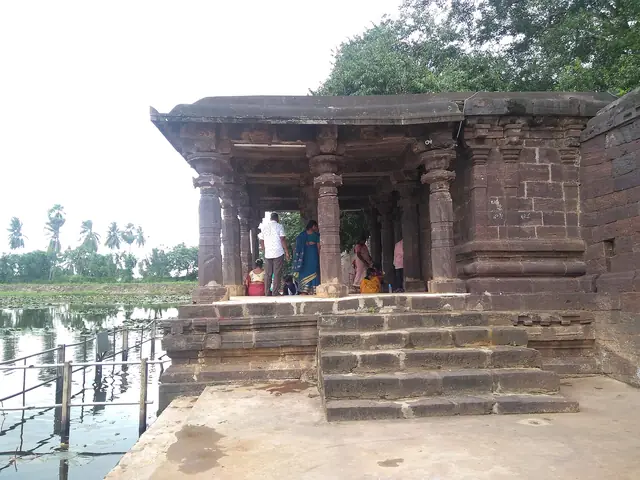
The temple is built in two storeys, and the great linga rises through both, so that the abhisheka is poured from the upper floor. The building is attributed to the Eastern Chalukya king Chalukya Bhima I of Vengi, around the turn of the 10th century, and its twin in plan stands at Samalkot, the Kumararama. Its walls hold several hundred inscriptions of the Eastern Chalukyas, the Cholas, the Velanati Chodas and the Kakatiyas, among the largest collections in Andhra.
The life of this place
- c. 900 CEThe temple is built, by tradition under Chalukya Bhima I of Vengi.
- 11th–13th centuryChola, Velanati Choda and Kakatiya gifts are cut on the walls.
About 30 km from Kakinada. Pilgrims who do the Pancharama yatra visit Amaravati, Draksharamam, Samalkot, Palakollu and Bhimavaram.