Cite
MLA
“Maha Shivaratri.” Hindu History, 2026, https://www.hinduhistory.in/utsav/maha-shivaratri/. Accessed .
APA
Hindu History. (2026). Maha Shivaratri. Retrieved , from https://www.hinduhistory.in/utsav/maha-shivaratri/
How it is kept
- 01
A fast through the day and night
- 02
Abhisheka of the linga in each of the four praharas
- 03
Bilva leaves, datura and water offered; no ketaki flower
- 04
Night-long vigil chanting Om Namah Shivaya and Shri Rudram
- 05
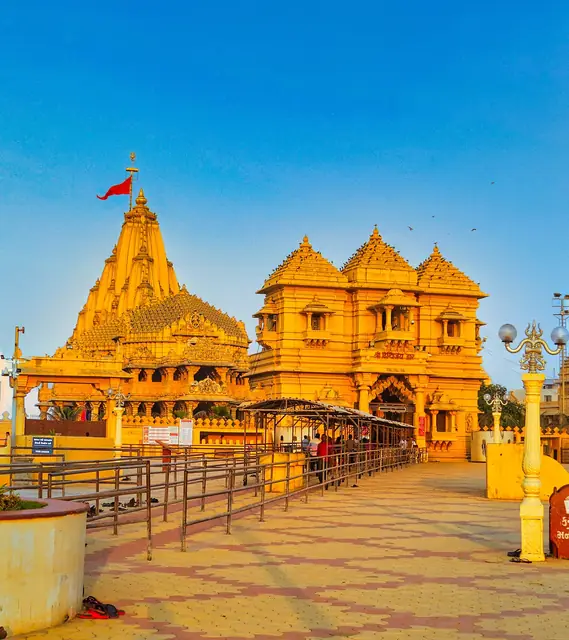
Pilgrimage to a Jyotirlinga or to Pashupatinath
01The night of the linga
Many traditions hold this as the night the infinite pillar of fire appeared between Brahma and Vishnu, the Lingodbhava of the Shiva Purana, which neither could measure from top or bottom; others keep it as the night of Shiva’s wedding to Parvati. The Shiva Purana’s Koti Rudra Samhita tells of a hunter who climbed a bilva tree on this night to wait for game, and, sleepless and hungry, kept dropping leaves and water from his gourd onto a linga hidden below. Without knowing it he had fasted, kept vigil and worshipped through all four praharas, and Shiva granted him liberation.
02At the great shrines
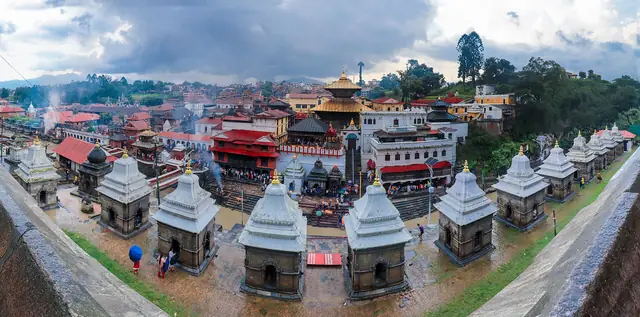
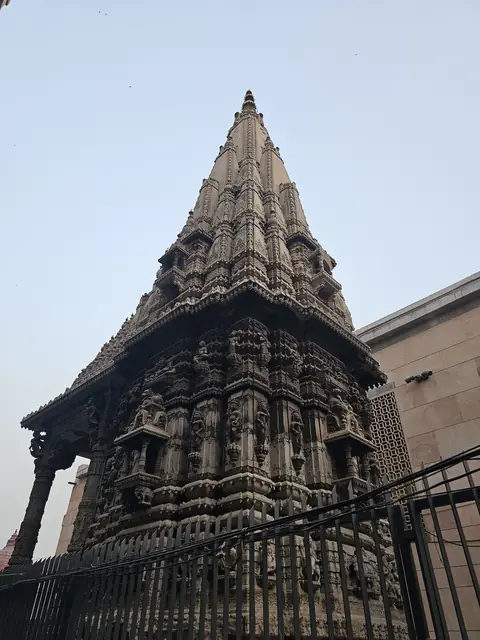
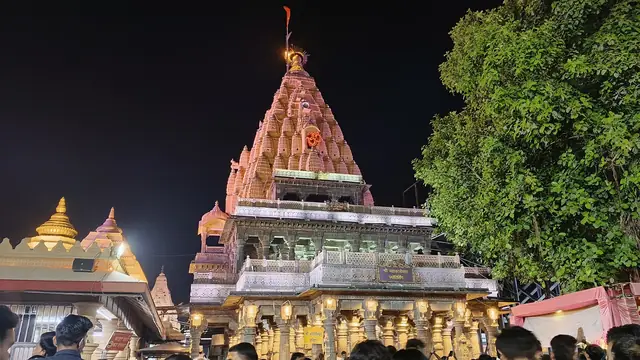
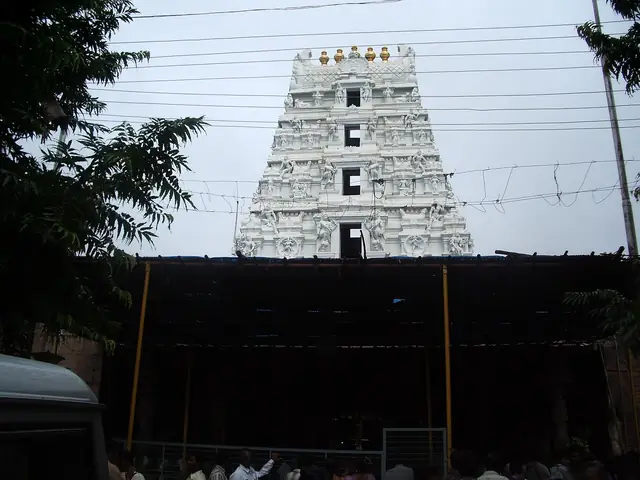
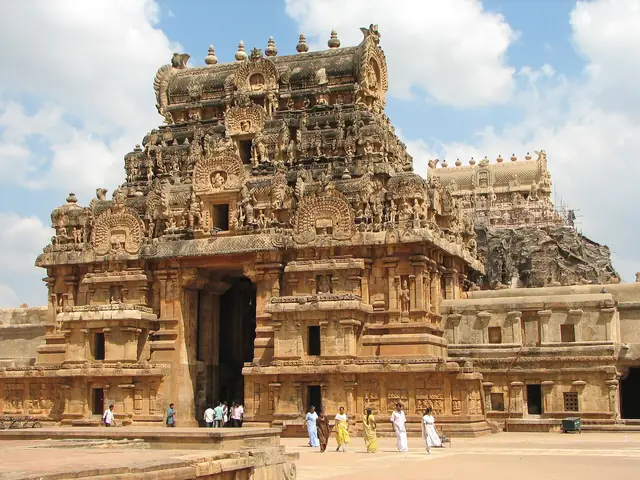
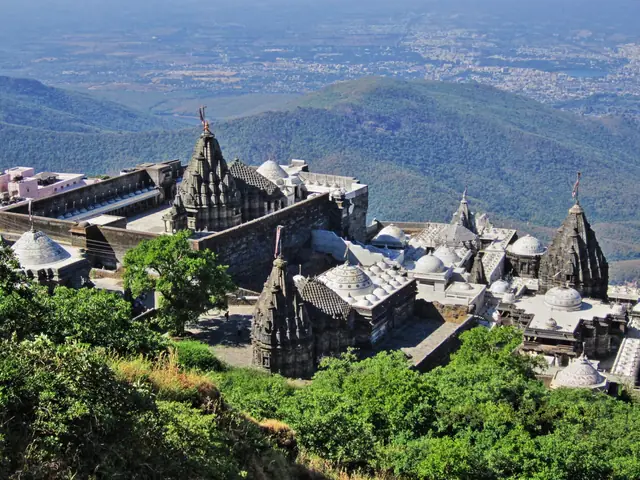
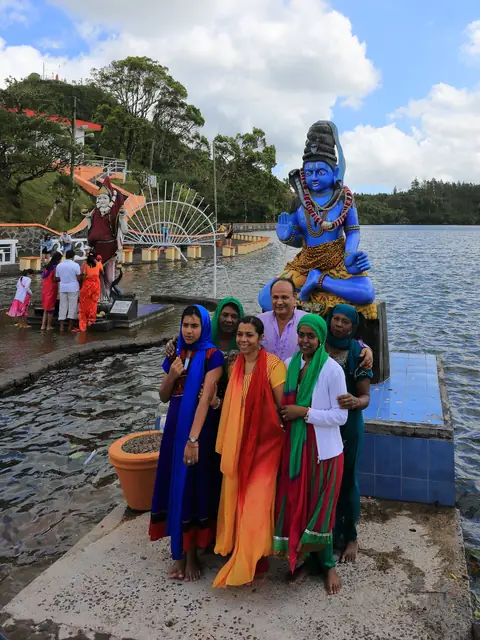
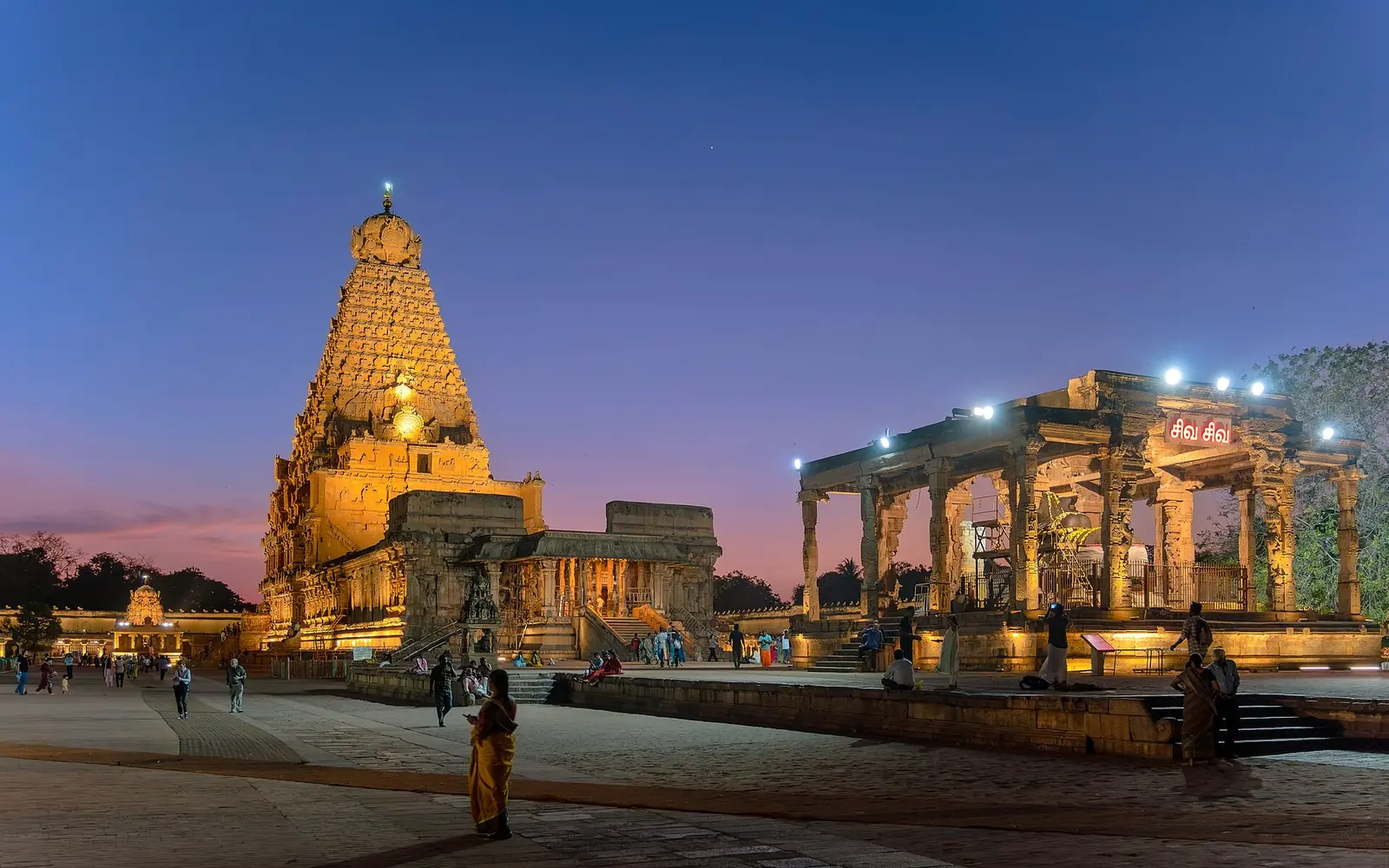
Pashupatinath in Kathmandu draws sadhus from across the subcontinent, who camp by the Bagmati for days. At Ujjain the Mahakaleshwar temple stays open through the night, and Kashi Vishwanath’s lanes are full before midnight. At the foot of Girnar the Bhavnath mela gathers naga sadhus, and Mandi in Himachal holds a week-long fair to which the valley’s devtas are carried. In Mauritius, Hindus walk for days carrying kanwars to Ganga Talao, the crater lake they call Grand Bassin.
All of Bharat and Nepal; Pashupatinath, Kashi, Ujjain and the twelve Jyotirlingas; Mandi and Girnar fairs; Hindus in Mauritius walk to Ganga Talao