01A linga of sand, an arrow for water
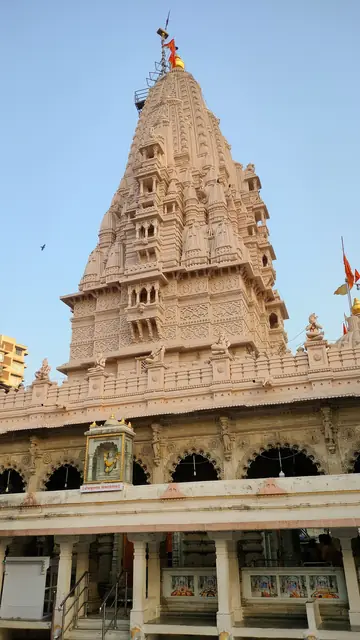
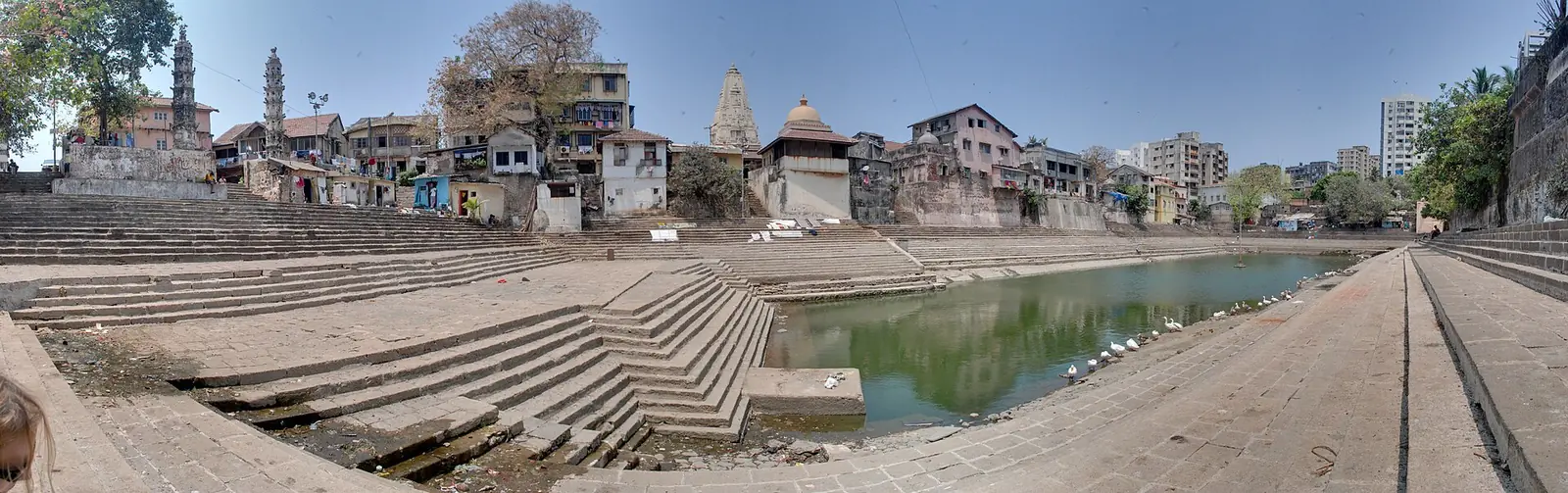
The local katha says Shri Rama, searching for Sita, stopped on this headland and wished to worship Shiva. When the linga Lakshmana went to fetch did not come in time, Rama shaped one from the sand of the shore: Valuka-Ishvara, the lord of sand, softened in Marathi to Walkeshwar. There was no fresh water on the rock, so Lakshmana shot an arrow (bana) into the ground and a spring of Ganga water rose. That is Banganga, a long rectangular tank with stone steps on all four sides, fed by a spring though the sea is only metres away.
02Silhara temple, Saraswat rebuilding
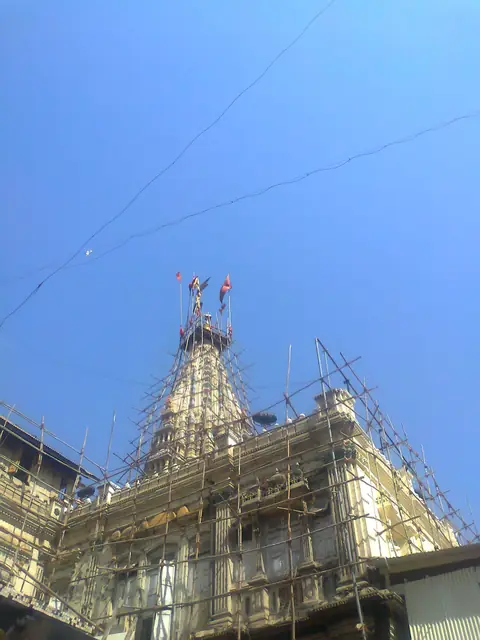
A temple stood here under the Shilahara kings of the Konkan, traditionally said to have been built by their minister Lakshman Prabhu around the 12th century. It was destroyed during Portuguese rule over the islands in the 16th century. In 1715 Rama Kamath, a Goud Saraswat Brahmin merchant of Bombay, rebuilt the temple and the tank, and the Goud Saraswat Brahmin Temple Trust still looks after them. Around the tank grew small temples, dharamshalas and the houses of priests. In winter a music festival is held on its steps, and on many mornings people come to feed the ducks and offer tarpan for their ancestors.
The life of this place
- c. 12th centuryA temple is raised under the Shilaharas, traditionally by the minister Lakshman Prabhu.
- 16th centuryThe temple is destroyed during Portuguese rule over the islands.
- 1715Rama Kamath rebuilds the temple and the Banganga tank.
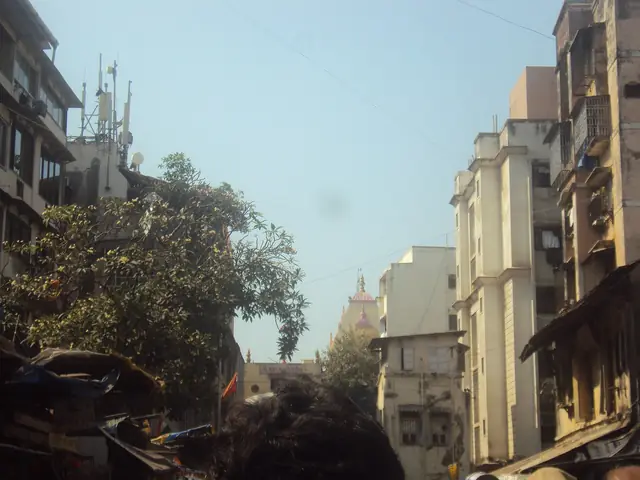
Reached by the lanes below Walkeshwar Road on Malabar Hill; the tank is open at all hours, the temple from early morning.