
Scripts and languages
From Brahmi on Ashoka’s rocks to the scripts of Java and Cambodia, and from Vedic Sanskrit to the languages spoken today: the earliest record of each, how it grew, and who read it again.
32Lipi: scripts & languages
Scripts
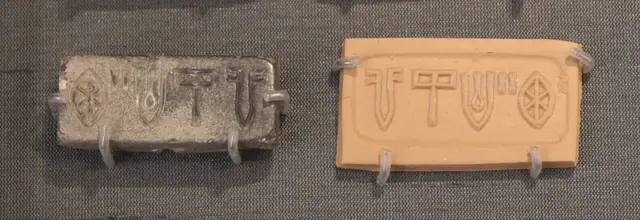 c. 2600–1900 BCE (mature Harappan)Indus scriptसिन्धु लिपिThe signs carved on the seals of Mohenjo-daro, Harappa and Dholavira are the oldest writing of Bharat.
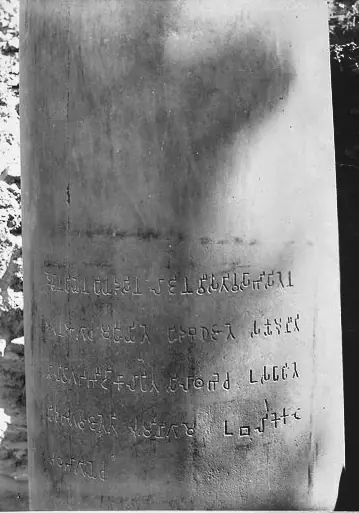 c. 3rd century BCE onwardBrahmiब्राह्मीBrahmi is the script of Ashoka’s edicts and the mother of almost every script of Bharat, Lanka, Tibet and Southeast Asia.
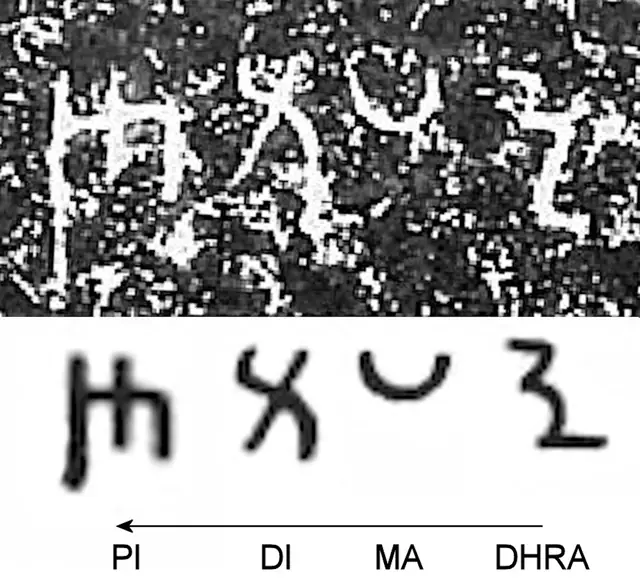 c. 3rd century BCE – 4th century CEKharoshthiखरोष्ठीKharoshthi was the script of Gandhara, written right to left, used for Ashoka’s edicts in the northwest and for Buddhist texts that reached Central Asia.
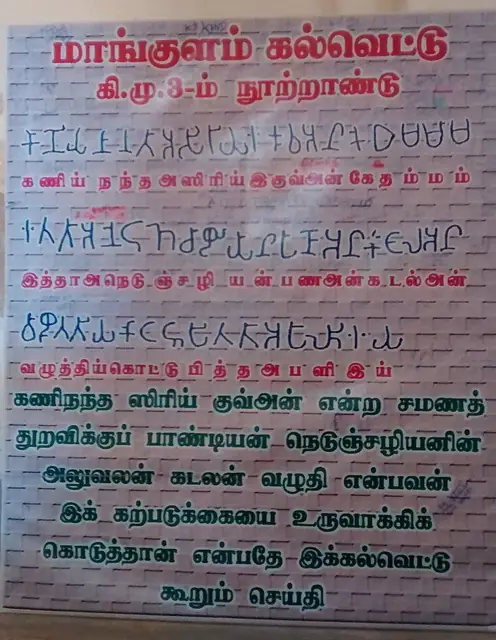 c. 2nd century BCE onwardTamil script (Tamil-Brahmi, Vatteluttu, Tamil)तमिऴ् लिपिTamil has been written for more than two thousand years, first in Tamil-Brahmi on cave beds and potsherds, then in the rounded Vatteluttu, then in the script used today.
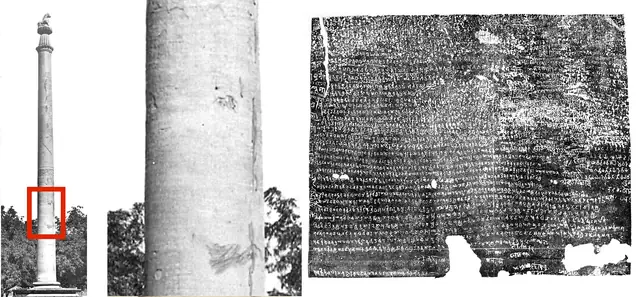 c. 4th–6th century CEGupta scriptगुप्त लिपिThe rounded, hooked letters of the Gupta inscriptions are the form of Brahmi from which Siddham, Sharada, Nagari and Tibetan grew.
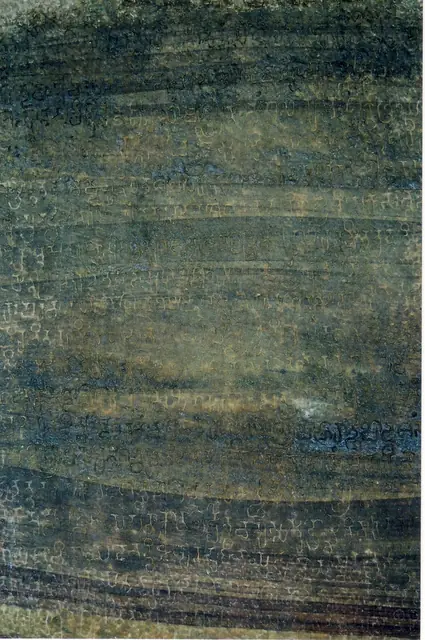 c. 5th century CE onwardTelugu-Kannada scriptतेलुगु-कन्नड लिपिThe Kadambas and the Chalukyas of Badami wrote in one rounded southern script; over the medieval centuries it parted into the Kannada and Telugu scripts of today.
 c. 6th century CE onwardSiddham (Siddhamatrika)सिद्धमातृकाSiddham grew out of the Gupta script and became the parent of Nagari and the eastern scripts; carried by Buddhist monks, it is still written in Japan.
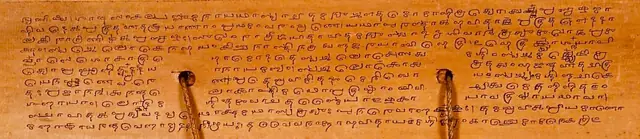 c. 6th–7th century CE onwardGranthaग्रन्थGrantha is the script in which the Tamil country wrote Sanskrit.
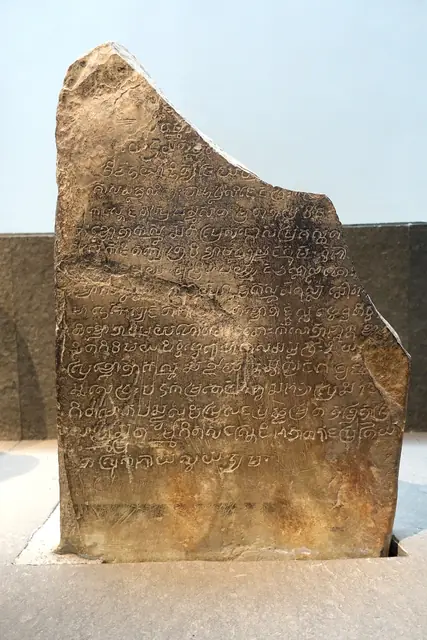 Sanskrit inscriptions from the 5th century; Khmer language from 611 CEKhmer scriptखमेर लिपिThe script of Angkor grew from the Pallava letters of South India.
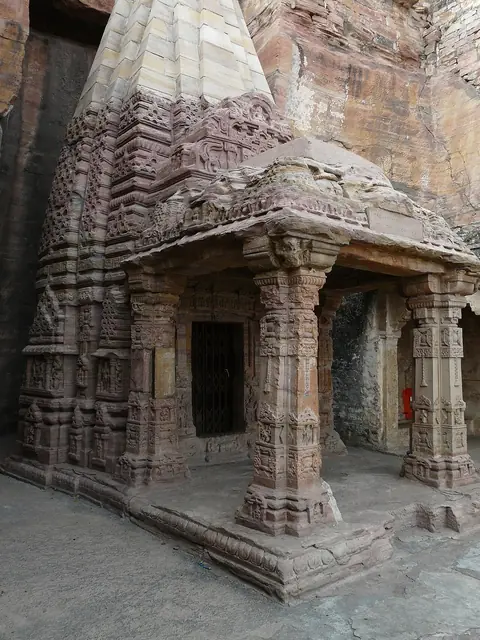 c. 7th–8th century CE onward; fully formed by the 10thNagari and DevanagariदेवनागरीDevanagari, with its line drawn across the top of every word, is the script of Sanskrit printing, Hindi, Marathi, Nepali and a dozen other languages.
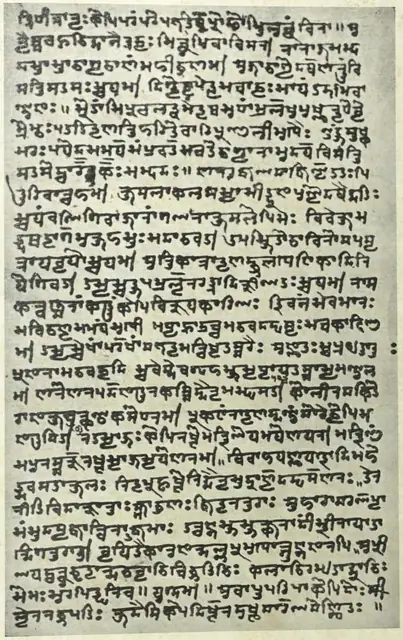 c. 8th century CE onwardSharadaशारदाSharada, named for Devi Sharada of Kashmir, carried the Sanskrit learning of the valley for a thousand years and is the ancestor of Gurmukhi and Takri.
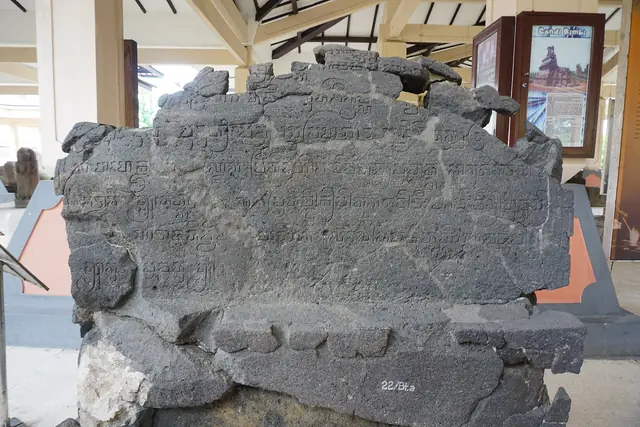 c. 8th century CE onwardKawi (Old Javanese script)कविKawi, grown from the Pallava letters, was the script of Hindu and Buddhist Java and Bali; Balinese and Javanese writing descend from it.
 7th century CE by tradition; earliest dated inscription c. 764 CETibetan scriptभोट लिपिTibetan writing was modelled on an Indian script of the Gupta family.
 c. 10th–11th century CE onwardBengali-Assamese script (Eastern Nagari)पूर्वी नागरीOne script, with small differences, writes Bengali, Assamese, Manipuri and Sanskrit in the east.
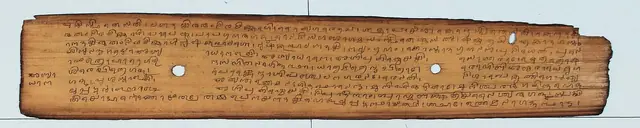 12th century CE onwardTigalari (Tulu-Tigalari)तिगलारीTigalari is the palm-leaf script of coastal Karnataka, in which Tulu priests copied the Vedas and the works of the Madhva tradition.
 Surviving documents from the 17th century CE; in use until the mid-20thModiमोडीModi was the fast, flowing hand in which Marathi was written for business and government, the script of Shivaji’s letters and the Peshwa records.
Languages
 Anadi in tradition; first outside record c. 1380 BCEVedic Sanskritवैदिक संस्कृतम्The language of the Vedas, apaurusheya and handed down by the rishis’ families mouth to ear, syllable by syllable and with its accents, to this day.
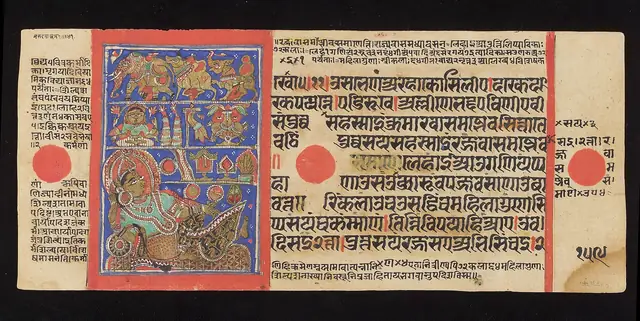 c. 3rd century BCE onwardPrakrits: Pali, Ardhamagadhi, Maharashtriप्राकृतThe Prakrits were the spoken languages of ancient Bharat.
 c. 2nd century BCE onwardTamilतमिऴ्Tamil has an unbroken written record of more than two thousand years, from the Sangam poems and the Tirukkural to the Tevaram, the Divya Prabandham and Bharati.
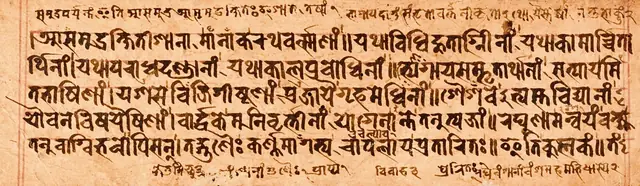 Panini’s grammar; long inscriptions from 150 CEClassical Sanskritसंस्कृतम्Fixed by Panini’s Ashtadhyayi, Sanskrit became the shared language of shastra, poetry, science and kingship from Gandhara to Java.
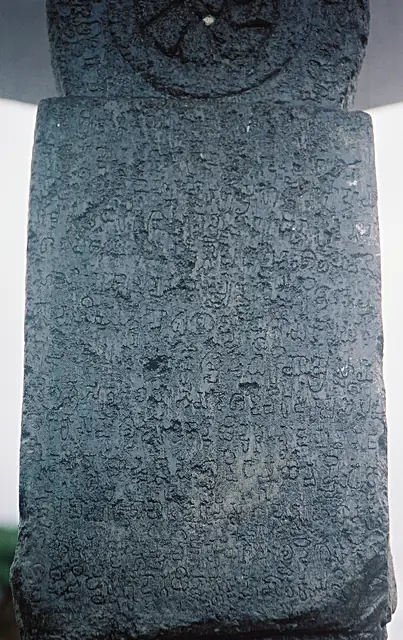 c. 5th century CE onwardKannadaकन्नडKannada has fifteen centuries of inscriptions and literature, from the Halmidi stone and Pampa’s epics to Basavanna’s vachanas and the songs of the Haridasas.
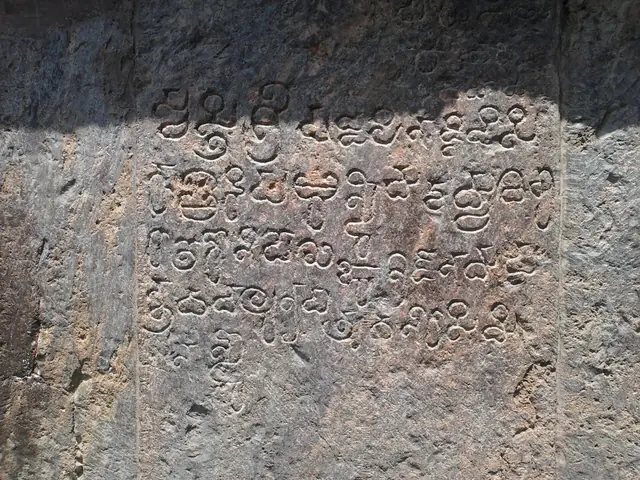 Inscriptions from 575 CE; literature from the 11th centuryTeluguतेलुगुTelugu, the language of Nannaya’s Mahabharata, Potana’s Bhagavatam, Annamacharya’s sankirtanas and Tyagaraja’s kritis, is spoken by more Indians than any language of the south.अपभ्रंशc. 6th–12th century CEApabhramshaअपभ्रंशApabhramsha is the bridge between the Prakrits and the modern languages of north and east Bharat; Hindi, Bengali, Gujarati, Punjabi and Odia all grew out of its regional forms.
 c. 9th century CE onwardMalayalamमलयाळम्Malayalam grew from the western speech of the old Tamil country into its own language, written first in Vatteluttu and then in a script drawn from Grantha.बाङ्लाc. 10th–12th century CE onwardBengali (Bangla)बाङ्लाBengali runs from the Charyapada and Chandidas through Chaitanya’s kirtan to Bankim’s Vande Mataram and Tagore, who wrote the national anthems of two countries.
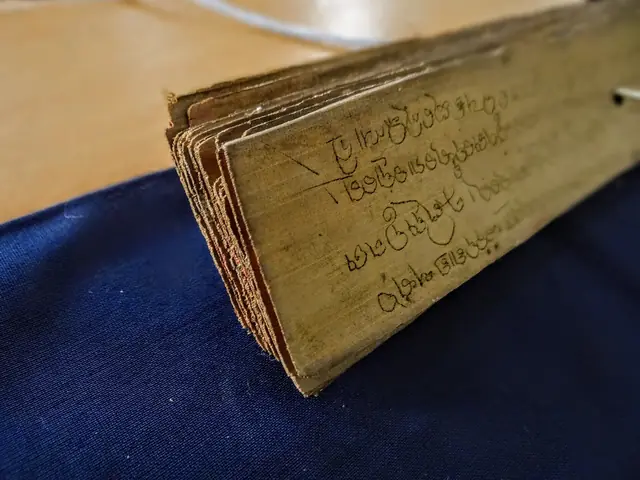 11th century CE onwardOdiaओड़िआOdia, the language of Sarala Das’s Mahabharata and the Panchasakha poets, is written in a rounded script shaped by the stylus on palm leaf; it was declared a classical language in 2014.
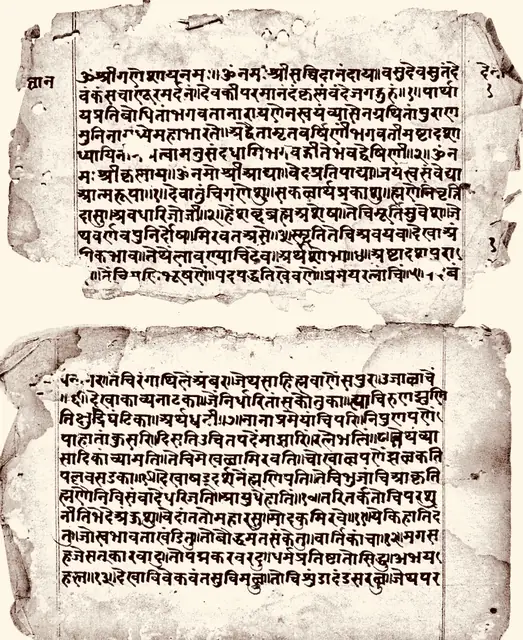 c. 11th–12th century CE onwardMarathiमराठीMarathi, grown from Maharashtri Prakrit, is the language of Jnaneshwar and Tukaram, of the Varkari pilgrims of Pandharpur, and of the Maratha state.ગુજરાતી12th century CE onwardGujaratiગુજરાતીGujarati, the language of Narsinh Mehta’s bhajans and Gandhiji’s own writing, is written in a script that dropped the Nagari headline.
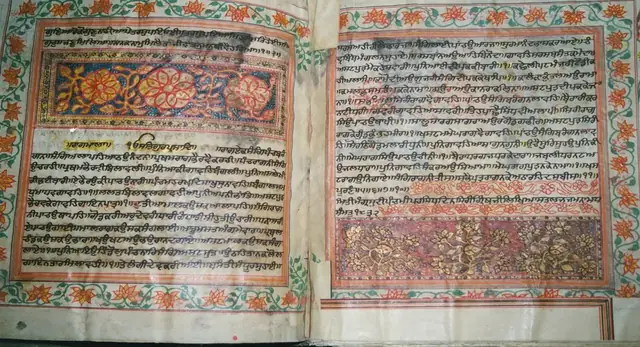 Baba Farid’s verse 13th century; Adi Granth 1604 CEPunjabi and GurmukhiਪੰਜਾਬੀPunjabi is the language of the Guru Granth Sahib, Waris Shah’s Heer and the Punjab’s songs; Gurmukhi, the script shaped by the Sikh Gurus, carries it in India.
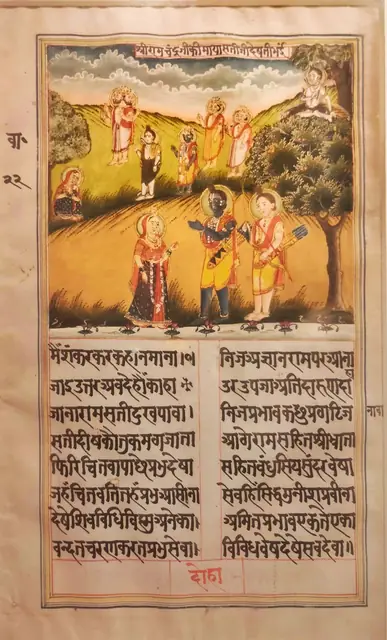 Old Hindi from c. 12th–13th century CE; Khari Boli prose from the 19thHindi and Hindustaniहिन्दीHindi grew from the speech of the Ganga–Yamuna country.काश्मीरीLiterature from c. 14th century CEKashmiri (Koshur)काश्मीरीKashmiri, the speech of the valley, gave Bharat the vakhs of Lal Ded, the Shaiva yogini whose sayings are still on every Kashmiri’s lips.
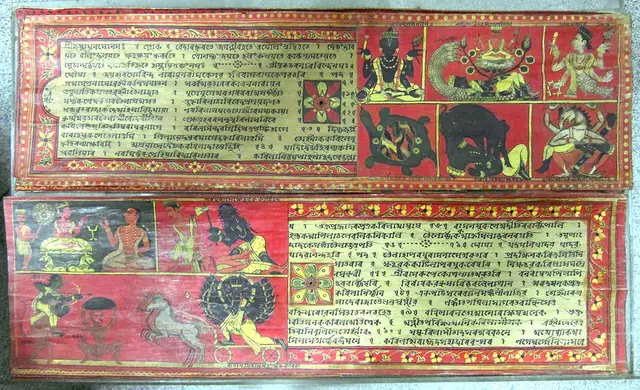 Literature from c. 13th–14th century CEAssamese (Asamiya)অসমীয়াAssamese is the language of Madhava Kandali’s Ramayana, of Srimanta Sankardev’s Borgeets and Ankiya Naat, and of the Ahom buranjis.