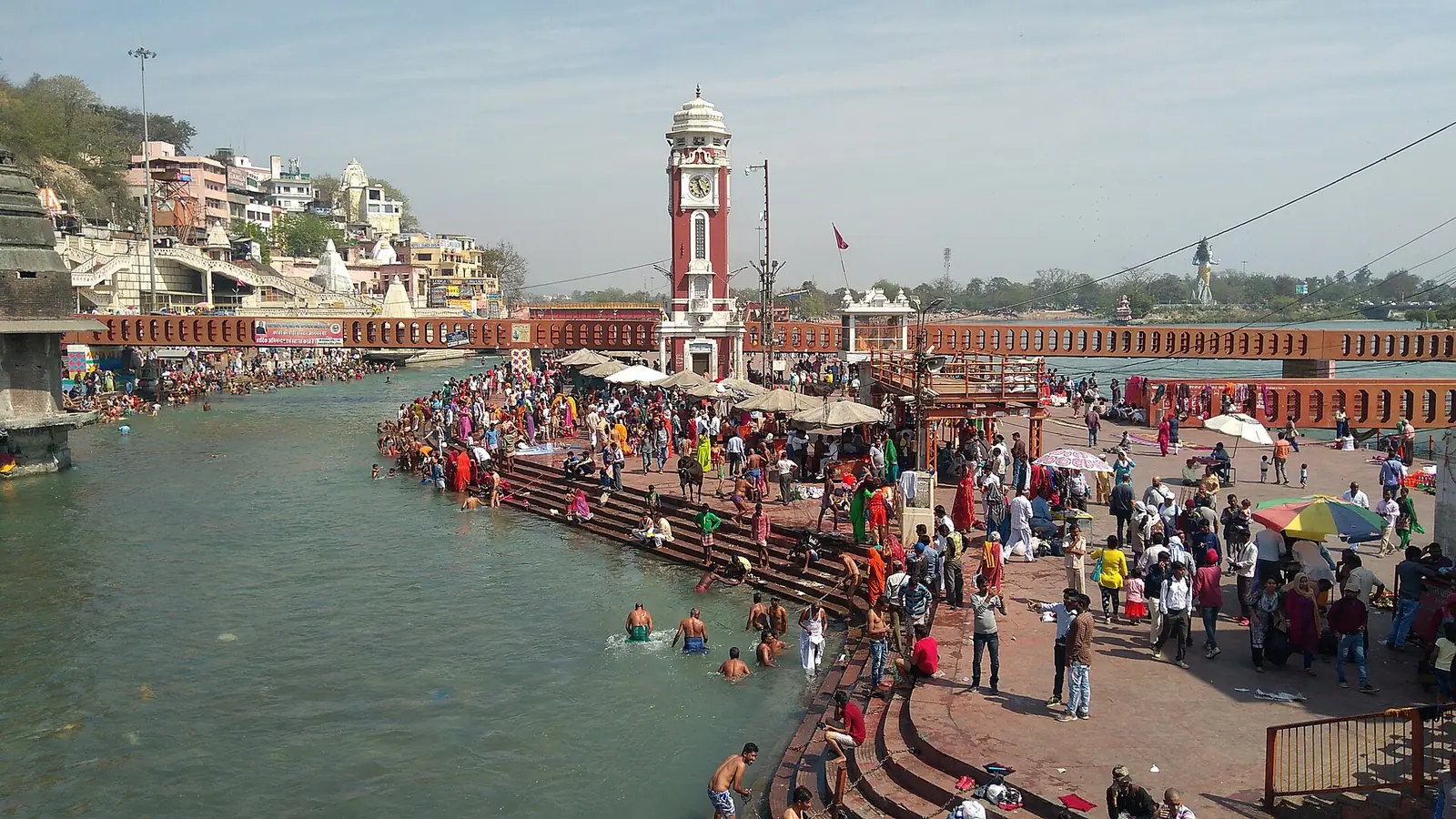
01Brahmakund
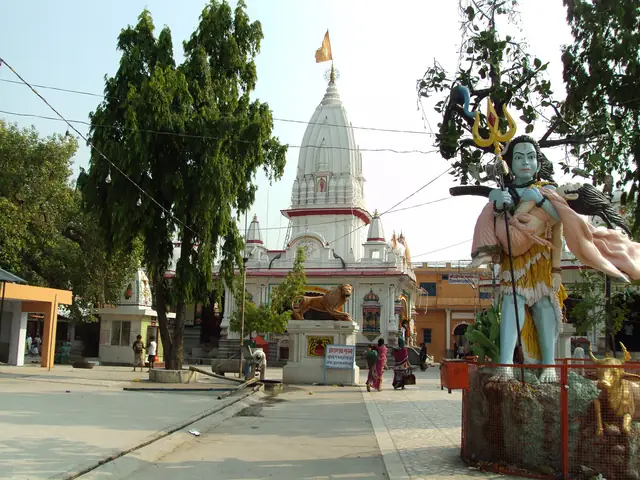
At Har ki Pauri, the steps of Hari, a footprint of Bhagwan Vishnu is set in the stone of the ghat, and the pool there is Brahmakund, where a drop of amrit is said to have fallen from the pot carried away after the churning of the ocean; that is why the Kumbh comes here every twelve years. Tradition says King Vikramaditya built the ghat in memory of his brother Bhartrihari, who did tapas here. Downstream, at Kankhal, stood Daksha’s yajna where Sati gave up her body, and the Daksheshwar temple marks it.
02Timur, the canal and Malaviya
In January 1399, on his way back from sacking Delhi, Timur fell on the Hindus gathered for the bathing festival at the Ganga near Haridwar and killed great numbers of them; his own chronicler Sharaf al-Din Yazdi records it in the Zafarnama. In 1854 the British opened the Upper Ganga Canal with its headworks here. When later works threatened the flow at Har ki Pauri, Pandit Madan Mohan Malaviya led the protest, and in 1916 the government agreed that an unbroken stream would always reach Brahmakund. The Shri Ganga Sabha, set up in Malaviya’s time, still runs the evening aarti.
03The pandas’ books
Haridwar’s pandas keep handwritten registers, the vahis, of the families who come to them, arranged by district and village. Families who bring the ashes of their dead or come for shraddha sign the book, and a grandson can find the signatures of his great-great-grandfather. Some vahis go back many generations. Every evening at the aarti thousands of leaf-boats with flowers and lamps are set on the river.
The life of this place
- January 1399Timur massacres pilgrims gathered at the Ganga near Haridwar (Zafarnama).
- 1854The Upper Ganga Canal opens with its headworks at Haridwar.
- 1916After Malaviya’s campaign, an unbroken flow to Har ki Pauri is guaranteed.
- 2021The Haridwar Kumbh is held.
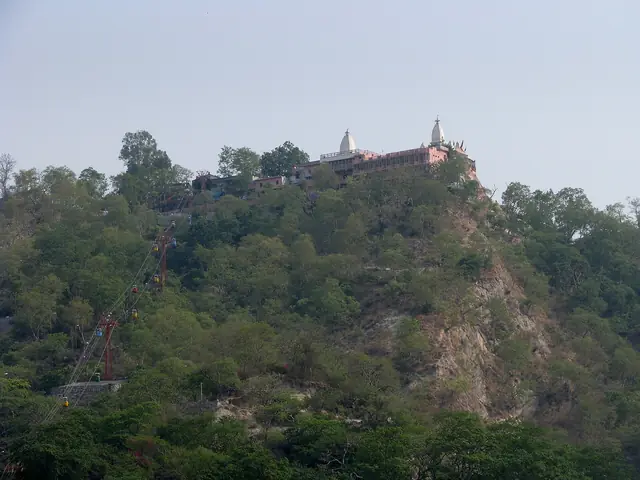
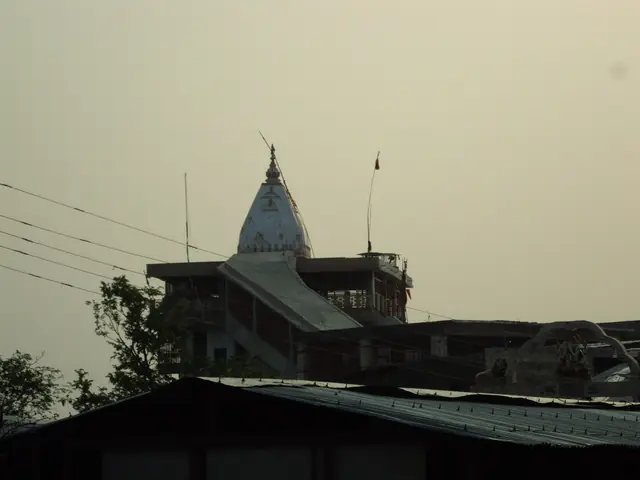
Reach Har ki Pauri an hour before sunset to get a place on the steps for the aarti. Mansa Devi and Chandi Devi temples on the hills are reached by ropeway.