01The Devi on the Pabbar
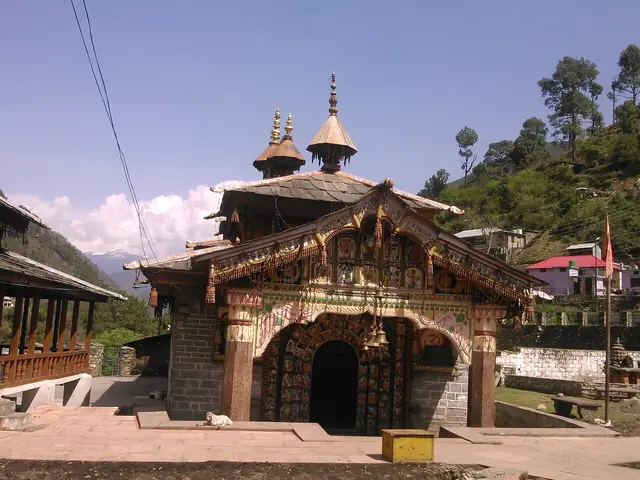
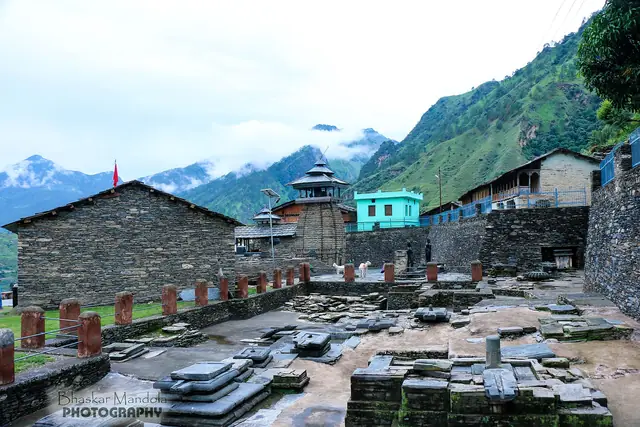
The murti inside is of ashtadhatu, the eight-metal alloy, a little over a metre high: the Devi with many arms, her trident in the buffalo-demon, her lion beside her. Next to her temple stands a Shiva shrine, and around the two lie smaller stone shrines with curved shikharas of the old northern type, which is why scholars place the site in the 8th or 9th century. Local belief goes further back and says the Pandavas stayed here in their years of exile. People of the Pabbar valley come to her before a wedding, a harvest or a long trip away from home, and the Navratri fairs of Chaitra and Ashwin fill the meadow by the river.
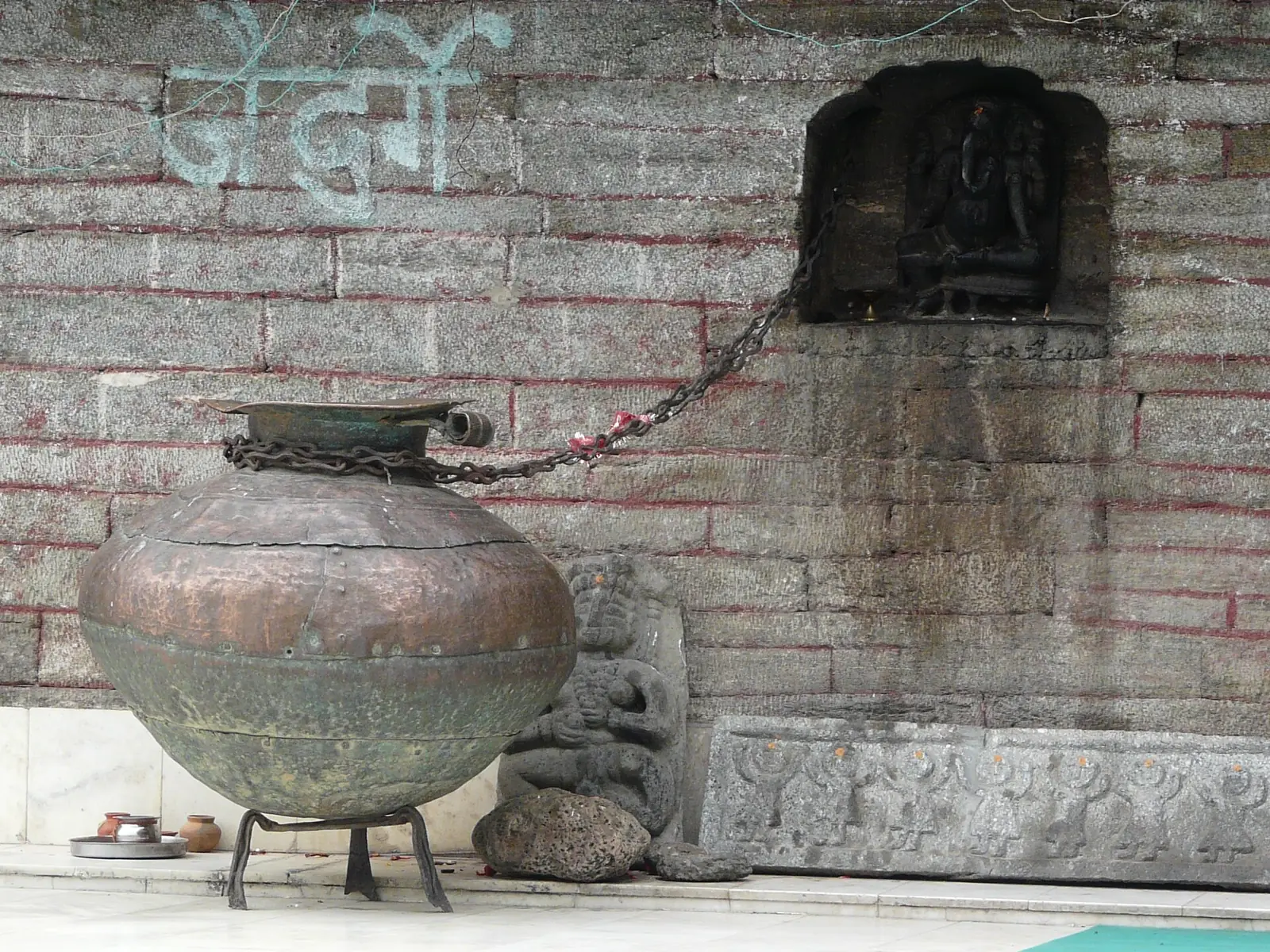
02The chained pot
At the door of the temple a large copper pot is held by an iron chain. The temple’s katha says there were two such pots, and that in the season of floods they would stir and try to reach the river. One got away into the Pabbar; the other was chained to the shrine, and it is still there. Pilgrims touch it on the way in. The Devi is counted among the guardian deities of the old Jubbal state, and the rulers of Jubbal and the villages of the valley kept her festivals as their own.
Hatkoti is on the Shimla–Rohru road, about 100 km from Shimla and 13 km short of Rohru. The temple sits just off the road by the river.