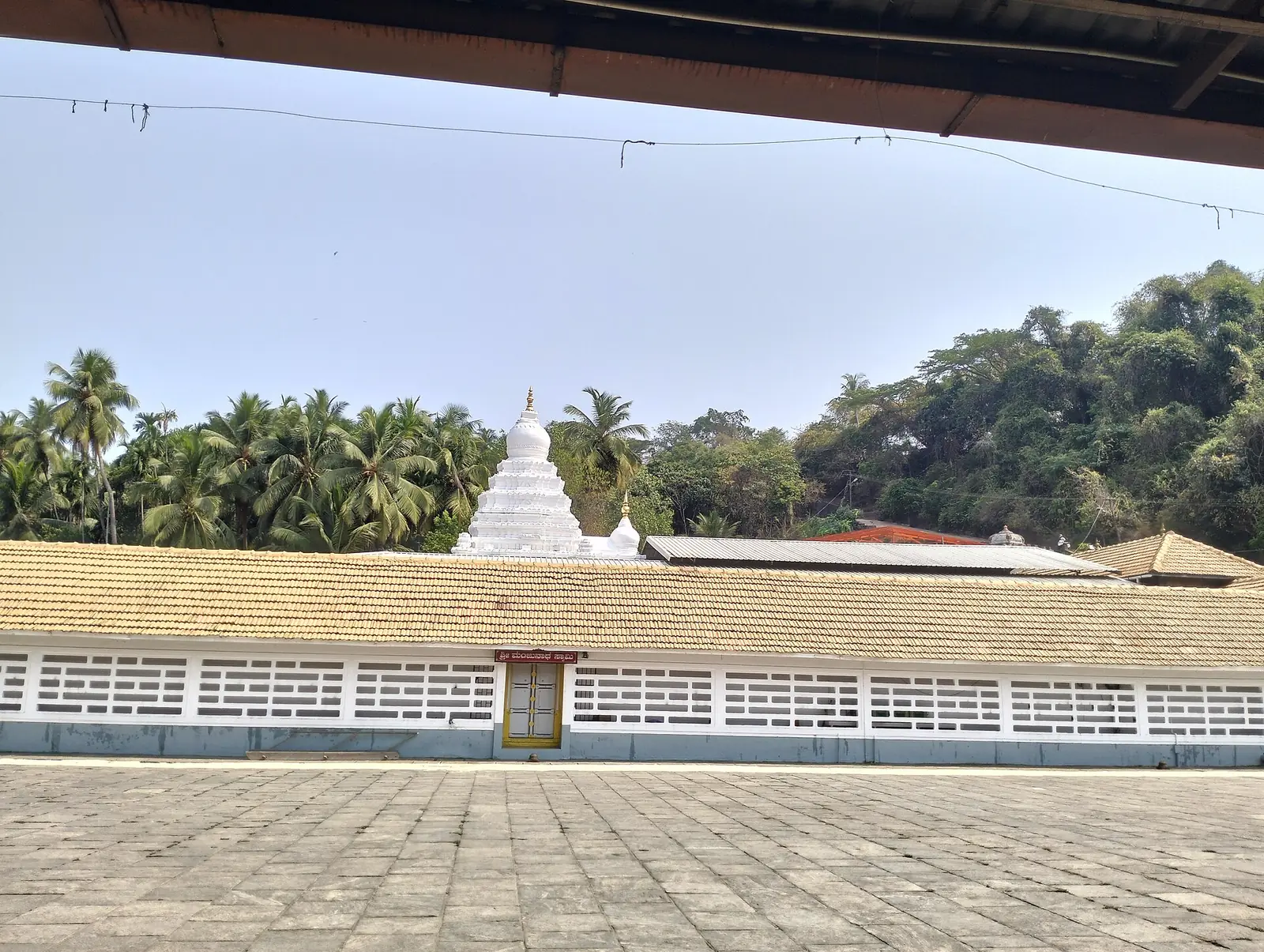
01The bronze and the inscription
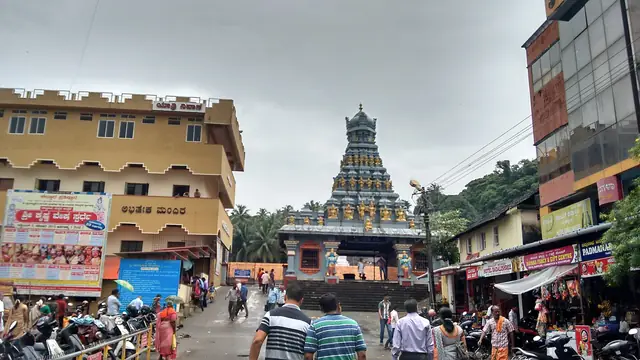
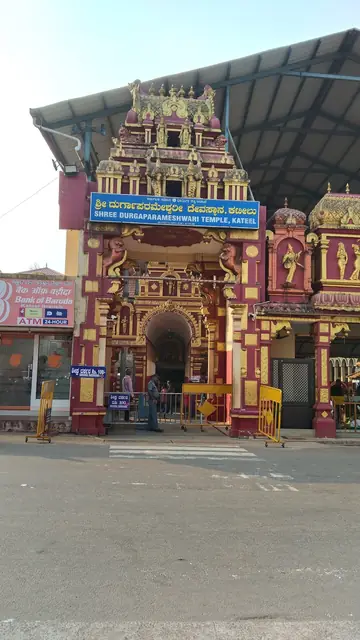
Inside the temple is a seated bronze about 1.5 metres high, three-faced and six-armed, among the finest bronzes of the south. An inscription on its pedestal says that the Alupa king Kundavarma installed it in 968 CE in the Kadarika Vihara; the inscription names the figure Lokeshvara, the Bodhisattva honoured in Mahayana Buddhism, and it is cared for in the temple today. The Shiva temple itself is placed by scholars in the 10th to 11th century. Kadri was also a great seat of the Nath sampradaya, and the Jogi Math above the temple traces its line to Matsyendranath and Gorakhnath.
02Tanks and caves
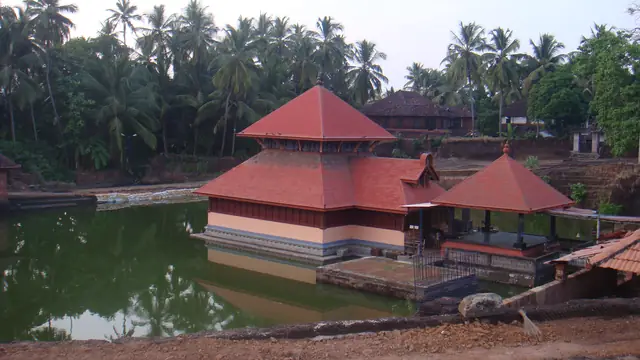
Behind the temple, steps climb to a series of tanks fed by springs, where water falls from gomukha spouts and pilgrims wash before darshan. Higher up are small laterite caves that the people call the Pandava caves. The Kadri temple’s annual festival in Makara (January) and Mahashivaratri are the great days, and the Kadri hill park beside it is where Mangaluru takes its evening walk.
The life of this place
- 968 CEThe Alupa king Kundavarma installs the bronze, by its pedestal inscription.
Kadri, about 3 km from central Mangaluru. Men remove shirts inside, as at most temples of the coast.