Cite
MLA
“Sikhi (the Sikh Panth).” Hindu History, 2026, https://www.hinduhistory.in/sikh/. Accessed .
APA
Hindu History. (2026). Sikhi (the Sikh Panth). Retrieved , from https://www.hinduhistory.in/sikh/
01Guru Nanak
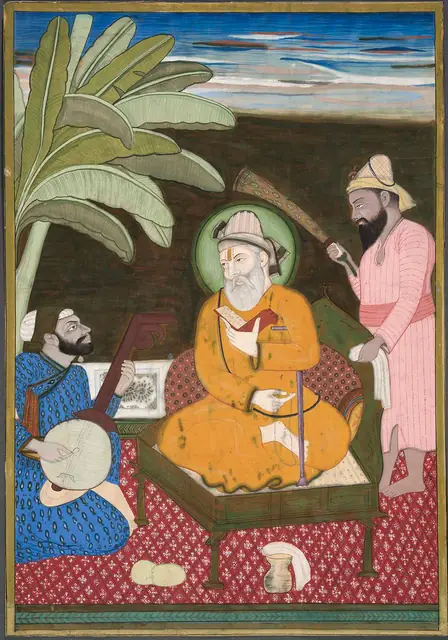
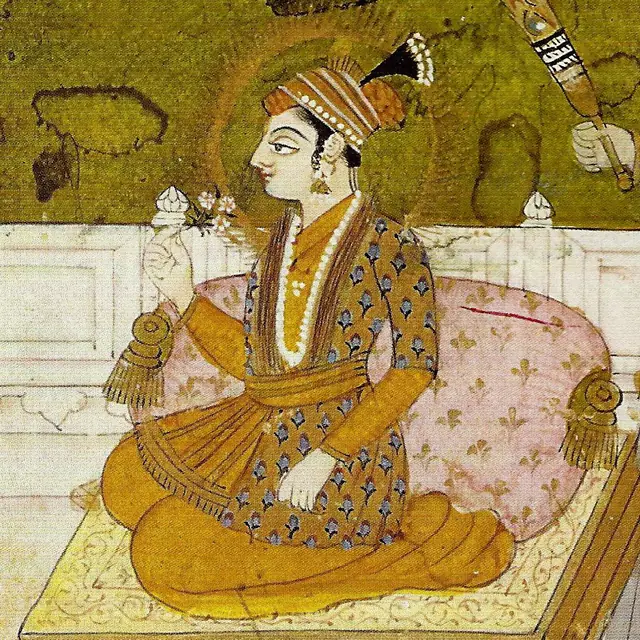
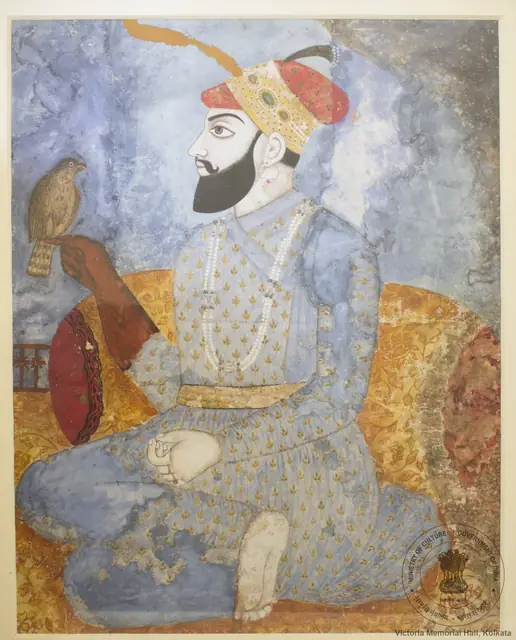
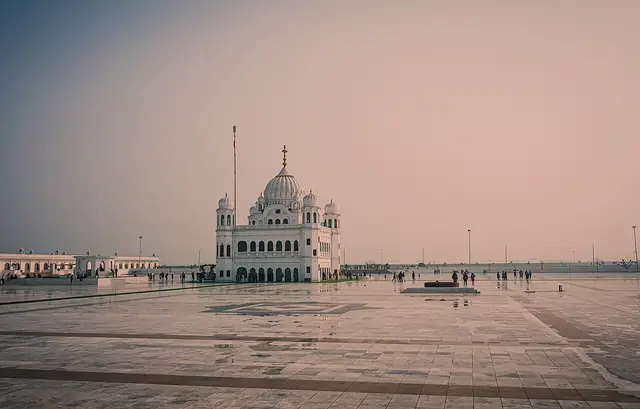
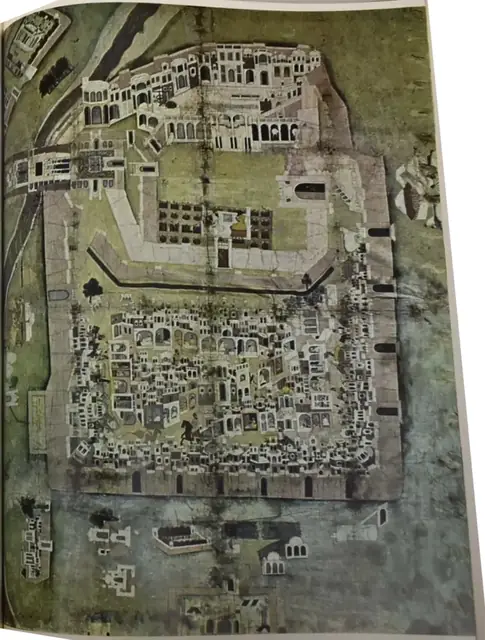
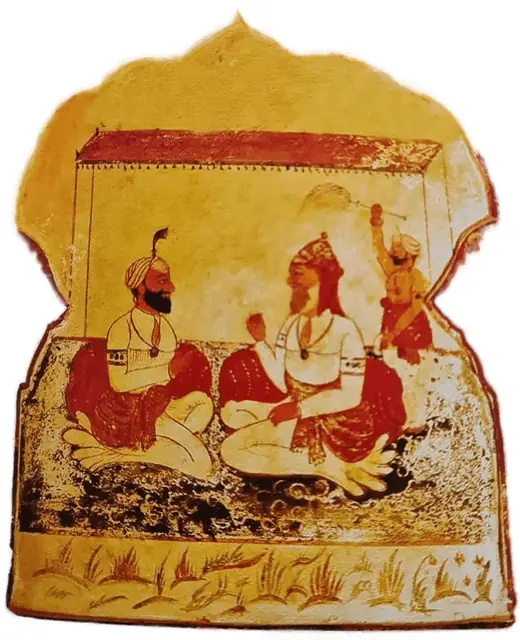
Nanak was born in 1469 at Talwandi, now Nankana Sahib, west of Lahore, to the village accountant Mehta Kalu. As a young man he kept the stores of the Lodi governor at Sultanpur Lodhi. One morning, the janamsakhis say, he went into the Kali Bein to bathe and was gone three days; he came back saying there is no Hindu and no Musalman, and began to teach. With the rebab player Mardana he travelled for years, east to Kashi and Puri, south, into the hills, and west, the tradition says, as far as Mecca and Baghdad. He settled at last at Kartarpur on the Ravi, farmed his own fields and kept a common kitchen. Before he died in 1539 he chose his disciple Lehna, whom he named Angad, over his own sons.
02From Goindwal to Delhi
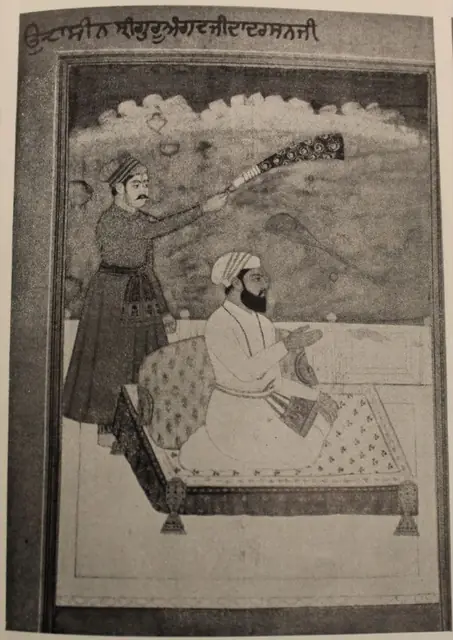
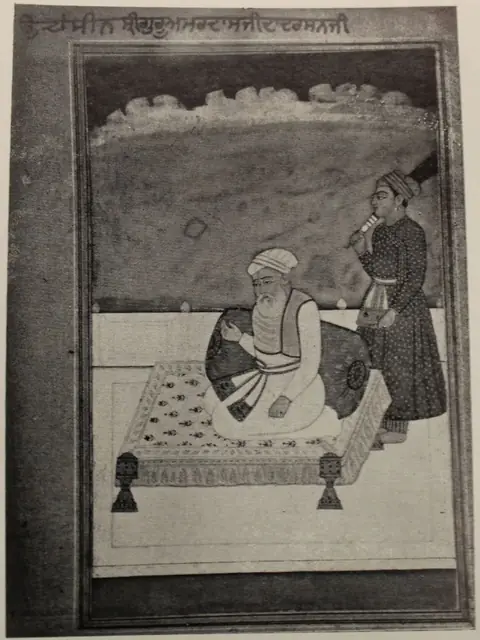
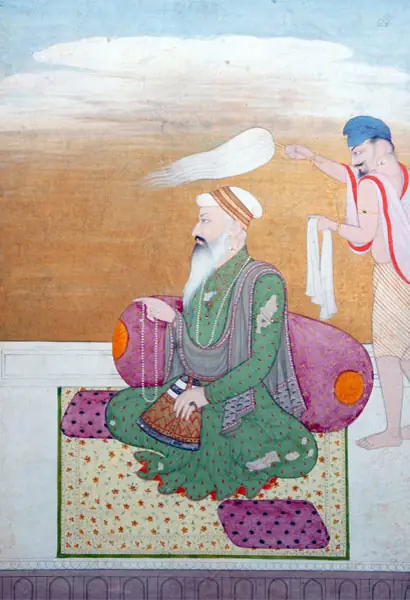
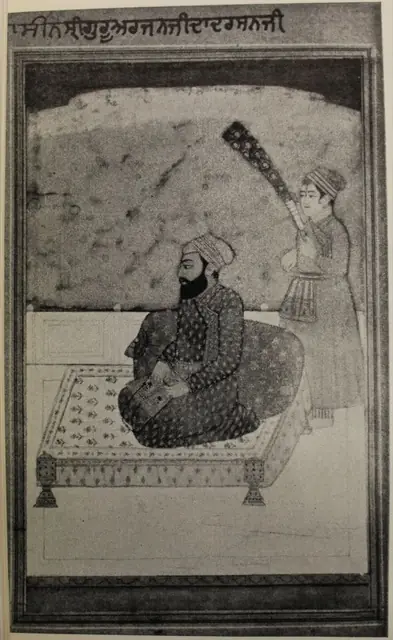
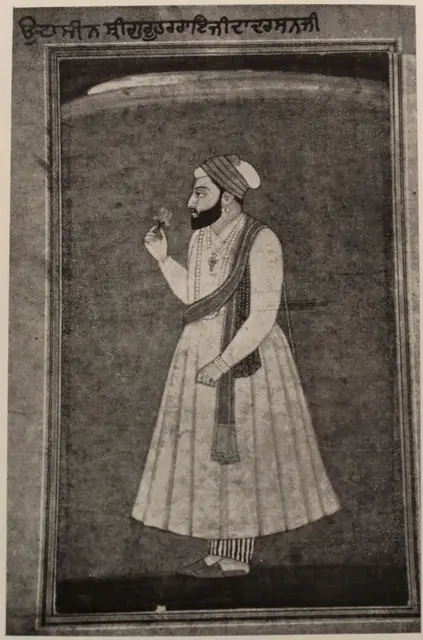
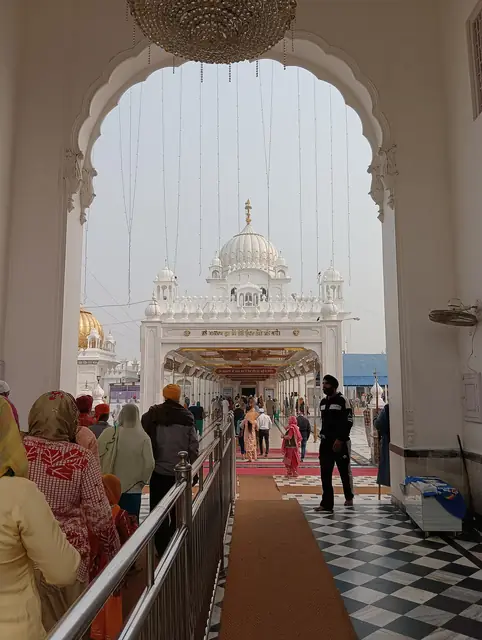
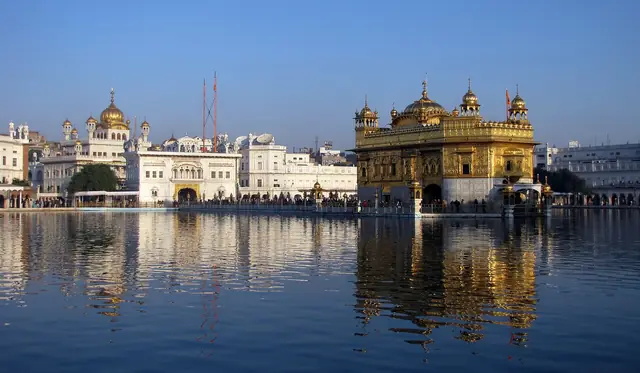
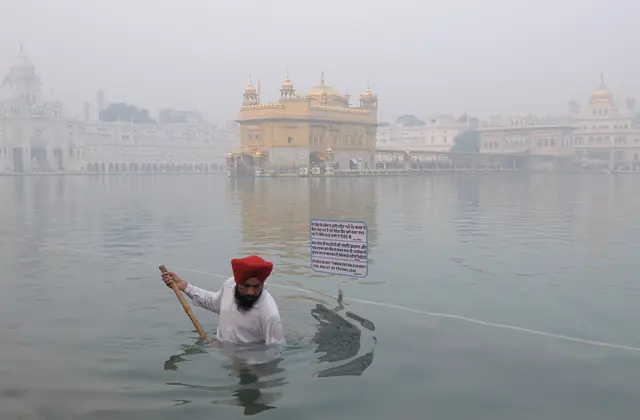
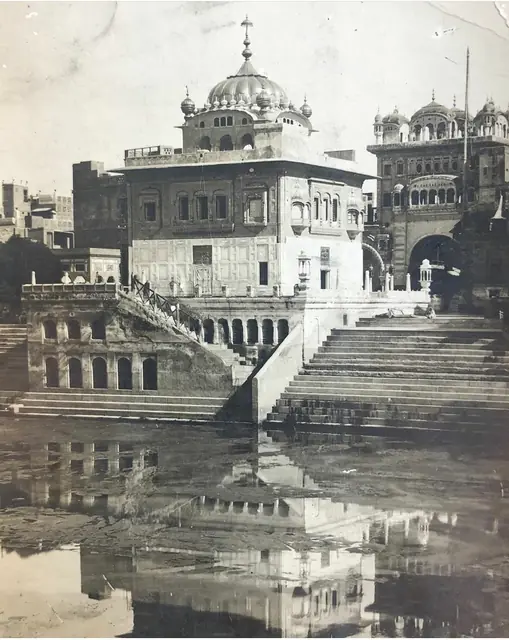
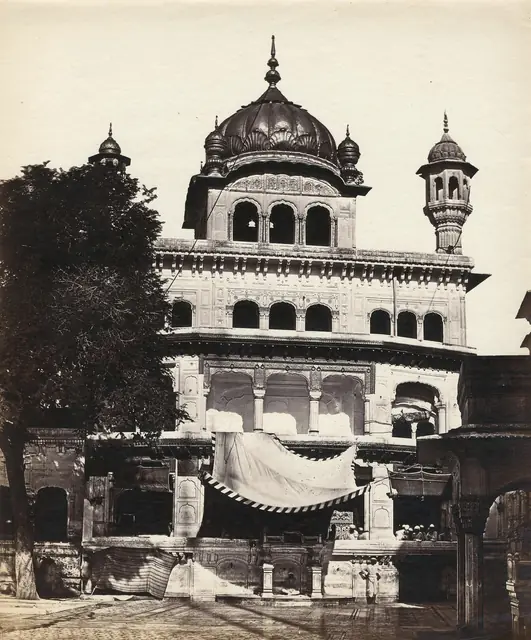
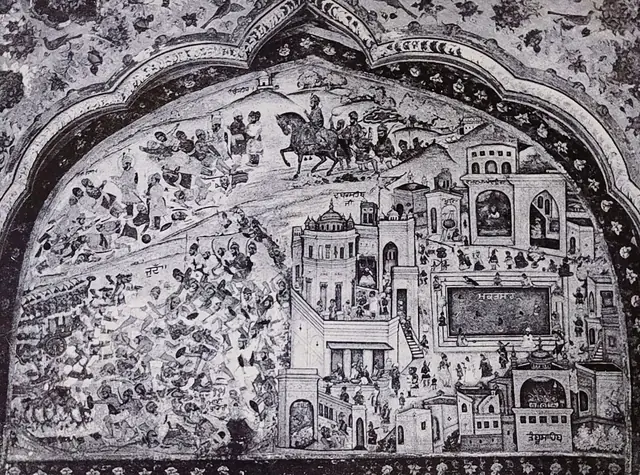
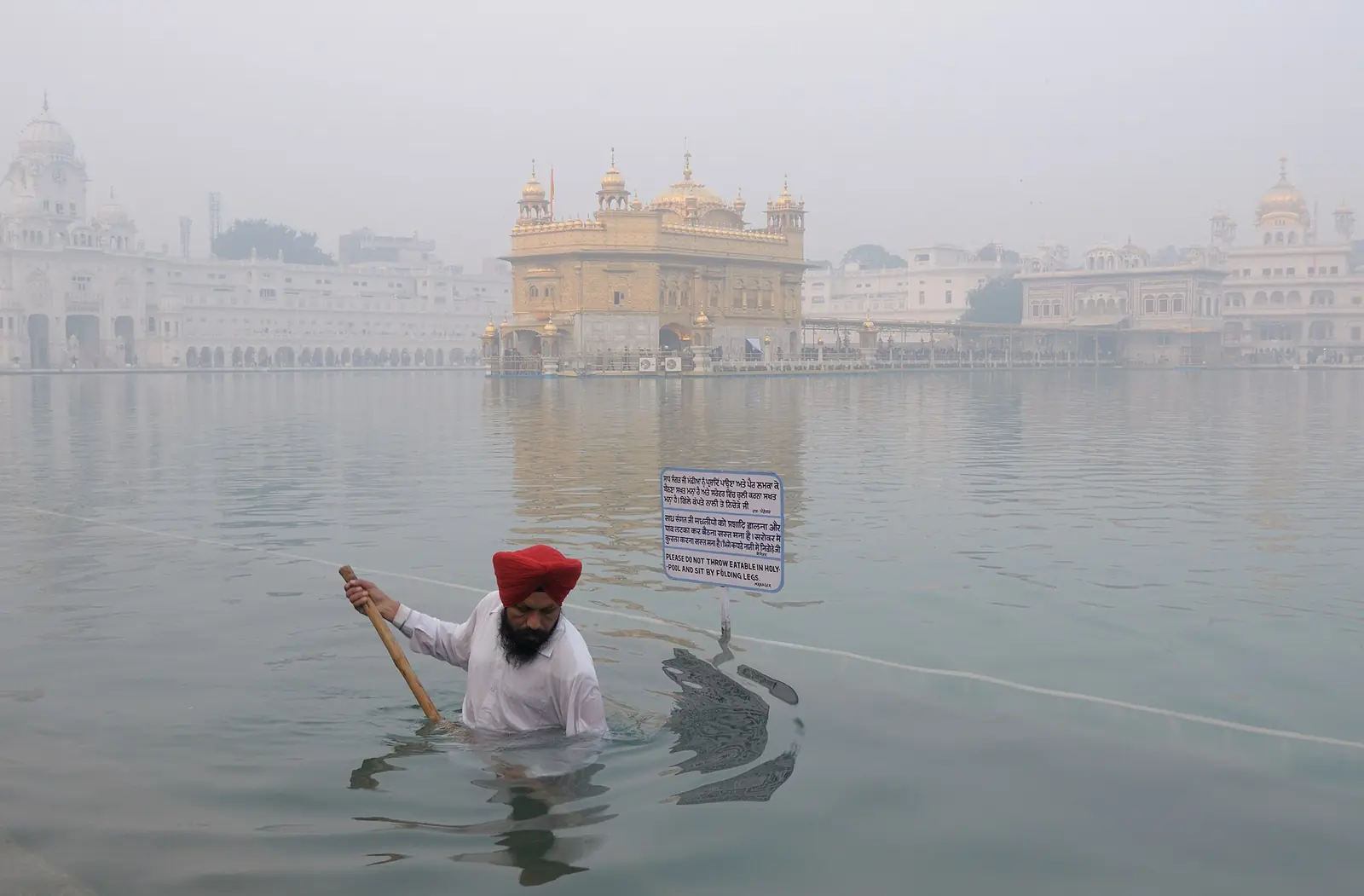
Guru Angad Dev gave the Gurmukhi letters their settled form. Guru Amar Das built the baoli at Goindwal and made every visitor, Akbar too by Sikh tradition, eat in the langar before meeting him. Guru Ram Das founded the town round the pool of Amritsar in 1577. Guru Arjan Dev raised the Harmandir Sahib in its waters, compiled the Adi Granth and installed it there in 1604; in 1606 he was put to death at Lahore on Jahangir’s order, which the emperor records in his own memoirs. Guru Hargobind answered by wearing two swords, of miri and piri, and building the Akal Takht. Guru Har Rai kept a herbal garden at Kiratpur, the child Guru Har Krishan died serving the sick of Delhi in 1664, and Guru Tegh Bahadur was beheaded in Chandni Chowk in 1675.
03Guru Gobind Singh and the Khalsa
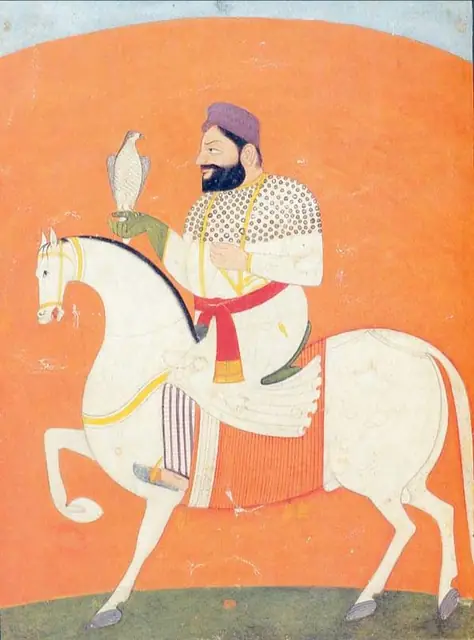
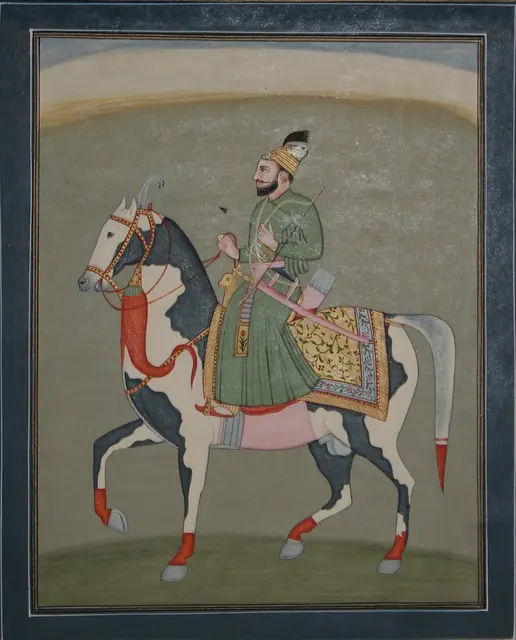
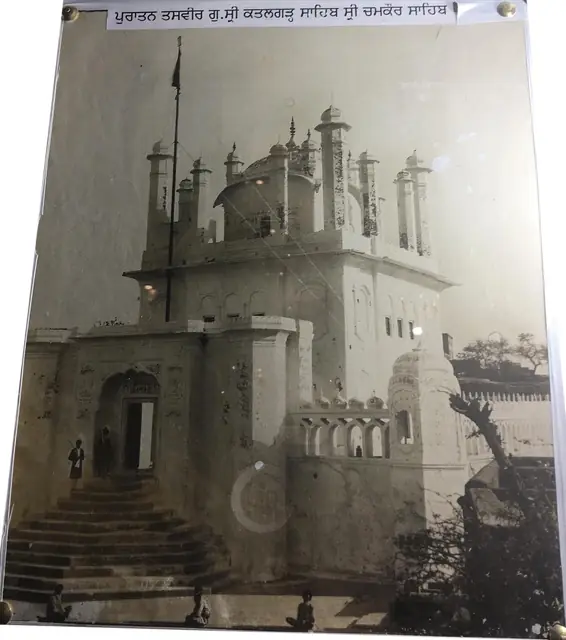
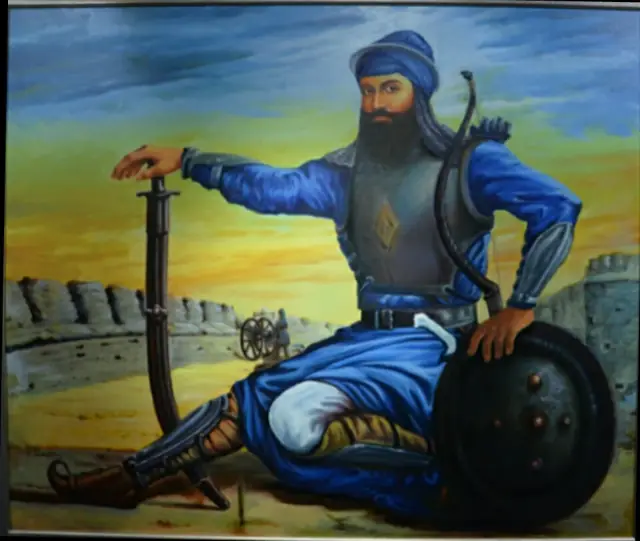
Guru Gobind Singh was nine when his father was killed. He fought the hill rajas at Bhangani in 1688, and on Vaisakhi 1699 at Anandpur he called for five who would give their heads, initiated them with amrit stirred by a double-edged sword, and then took amrit from them. These Panj Piare were the first of the Khalsa, who keep the five articles of faith and the names Singh and Kaur. In the winter of 1704–05 Anandpur fell after a long siege; his two elder sons died fighting at Chamkaur, and the two younger, aged nine and seven, were put to death at Sirhind on the order of its faujdar Wazir Khan. From the Deccan the Guru wrote his Zafarnama to Aurangzeb. At Nanded in 1708, before he died, he passed the Guruship to the Granth itself.
04Granth, takhts and gurdwaras
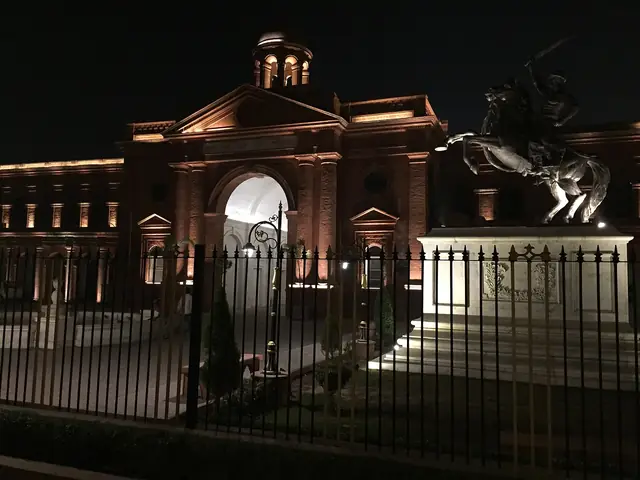
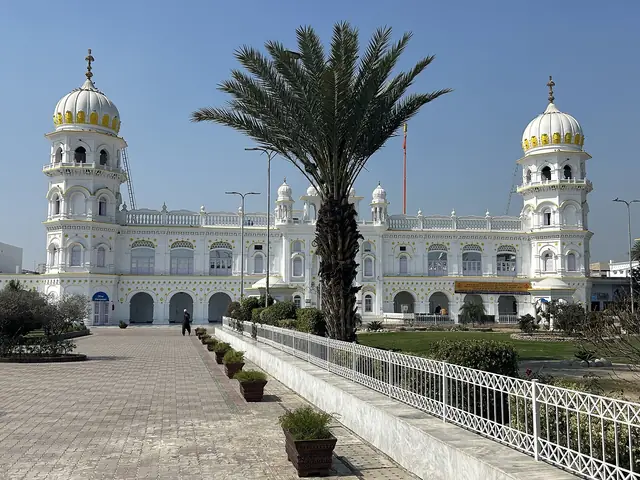
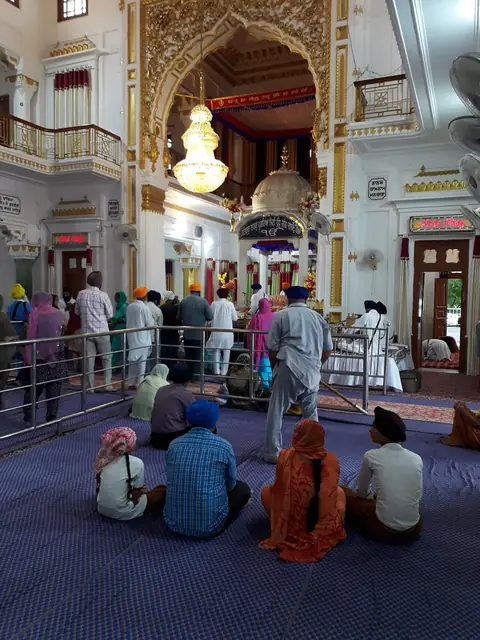
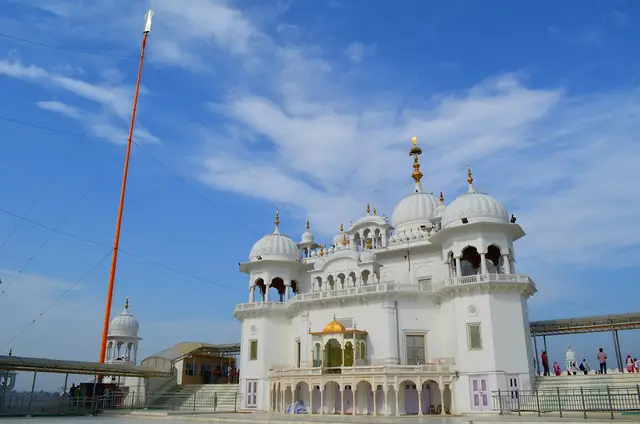
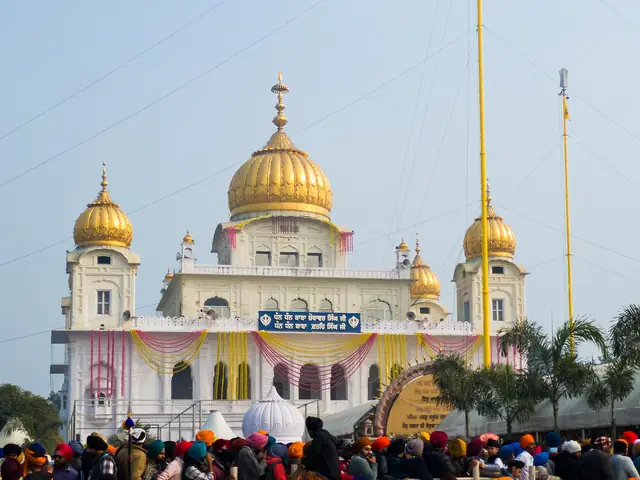
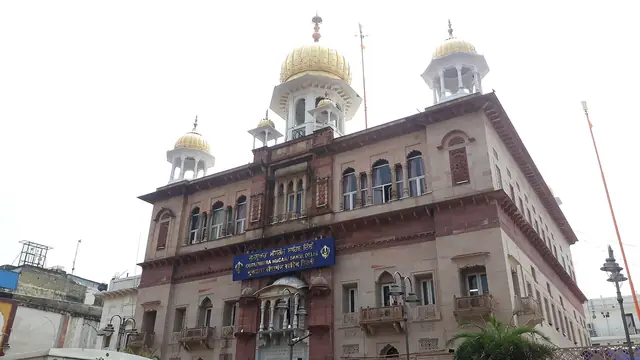
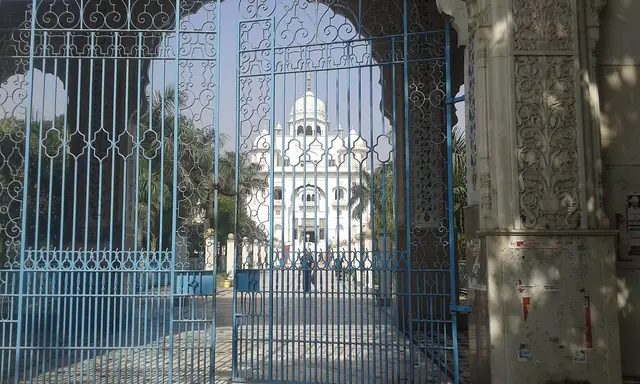
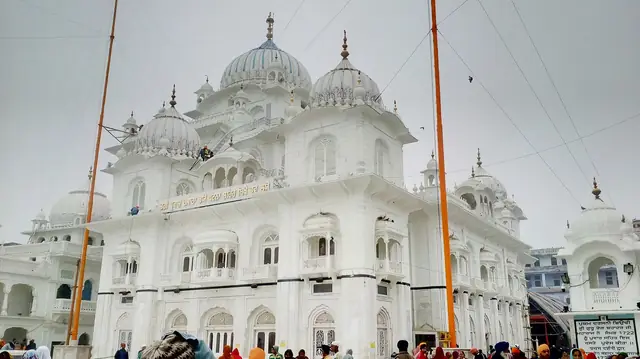
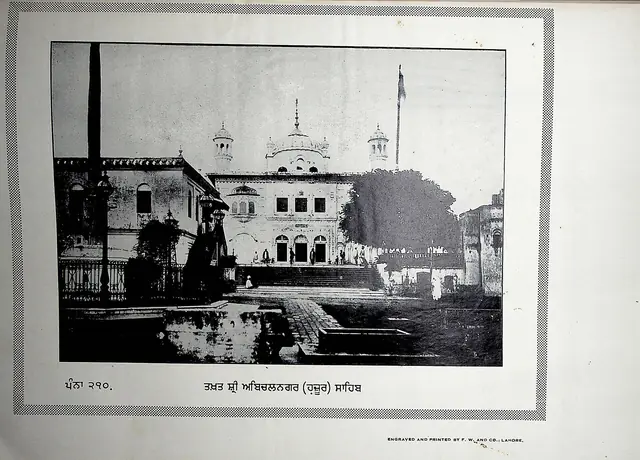
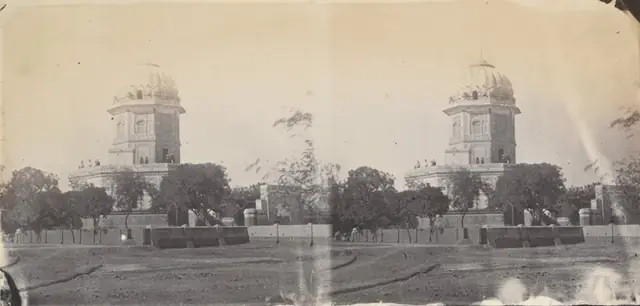
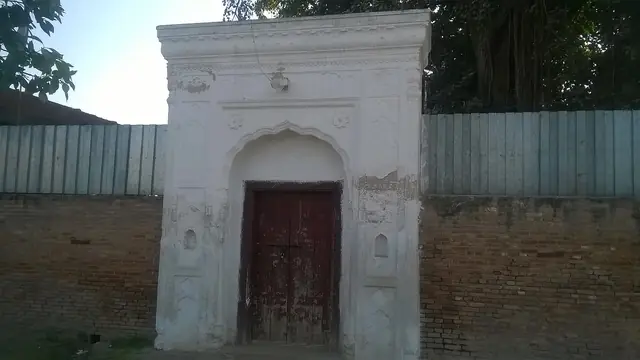
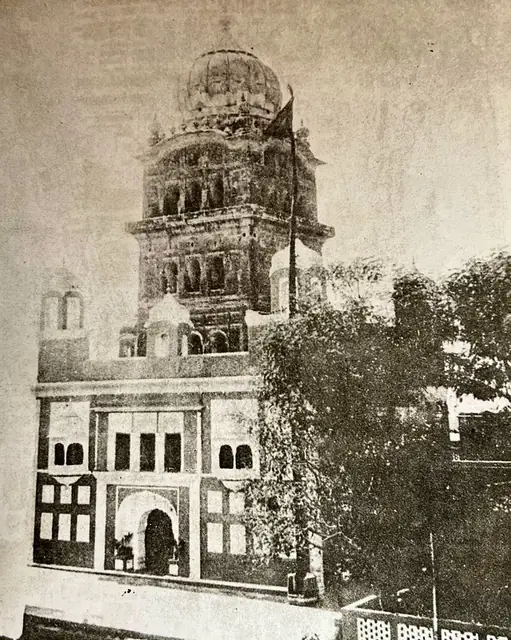
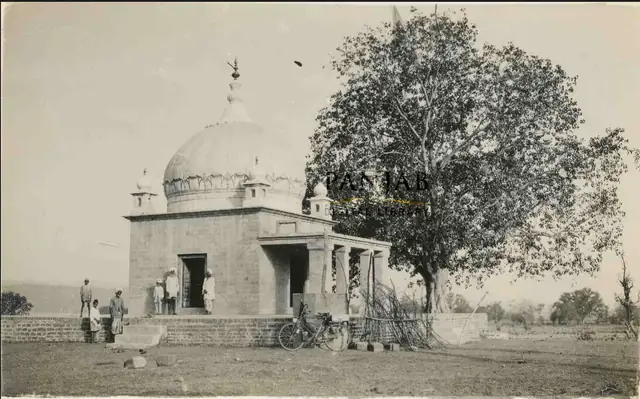
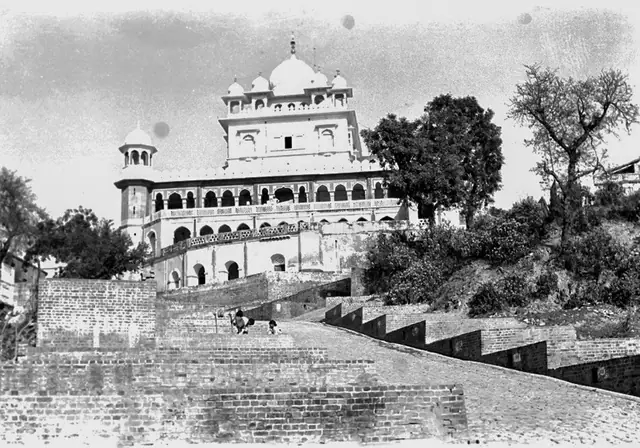
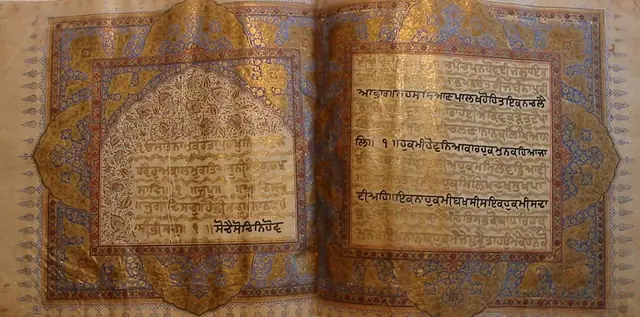
The Guru Granth Sahib runs to 1,430 angs, set in ragas, with the hymns of six Gurus, fifteen bhagats and the bards of the Guru’s court. Guru Gobind Singh added his father’s hymns at Damdama Sahib, and that recension is the one read today. The Dasam Granth holds compositions attributed to the tenth Guru, among them the Jaap Sahib and the Bachittar Natak. Five takhts carry authority for the Panth: the Akal Takht at Amritsar, Kesgarh Sahib at Anandpur, Patna Sahib, Hazur Sahib at Nanded and Damdama Sahib at Talwandi Sabo. Every gurdwara keeps a langar open to all. After the Nankana Sahib killings of February 1921, the Gurdwara reform movement won the Sikh Gurdwaras Act of 1925, and the Shiromani Gurdwara Parbandhak Committee manages the shrines of Punjab still.
05Martyrs, misls and an empire
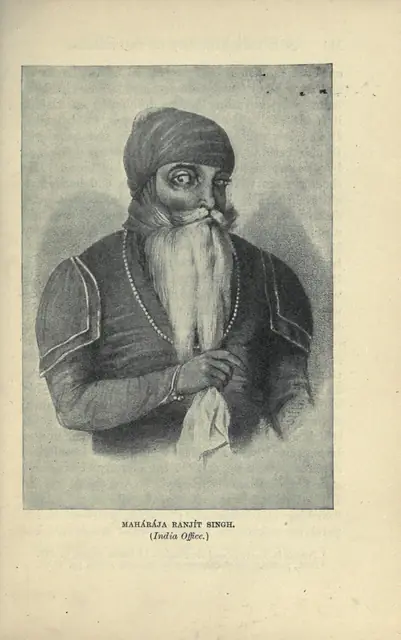
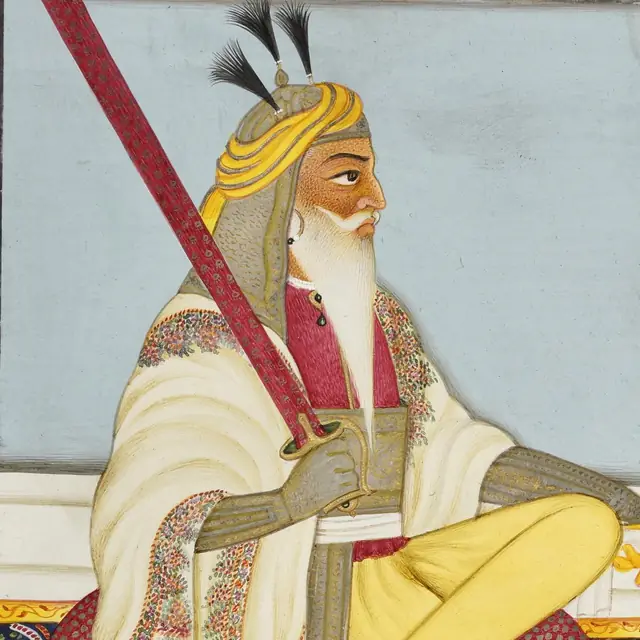
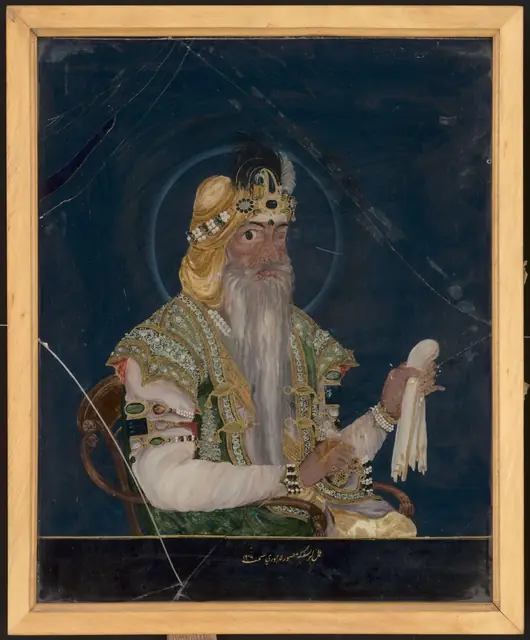
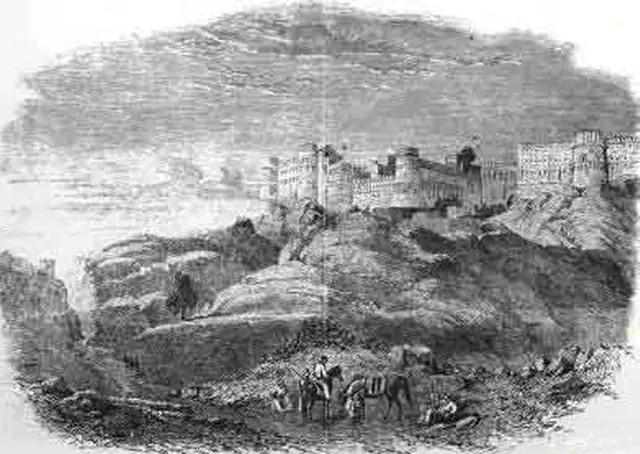
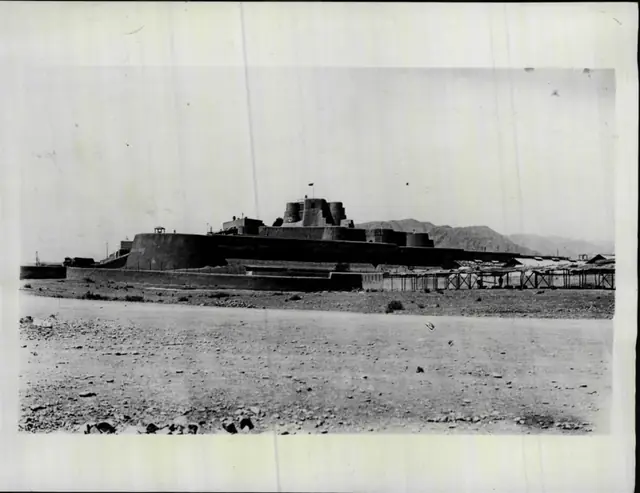
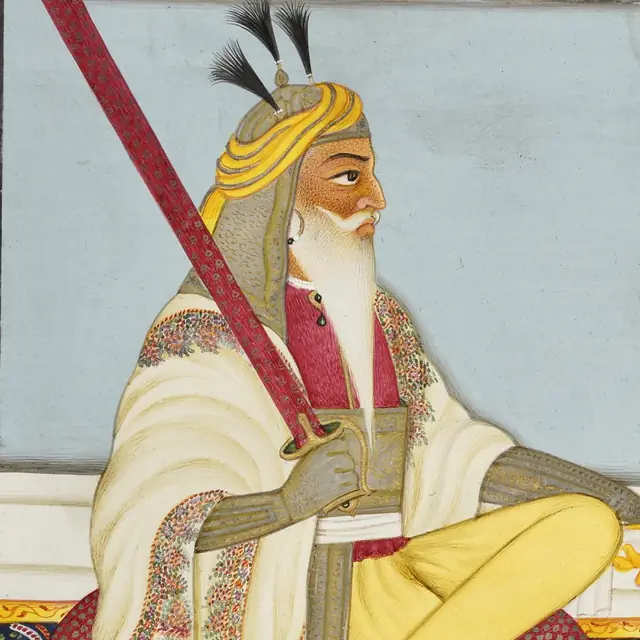
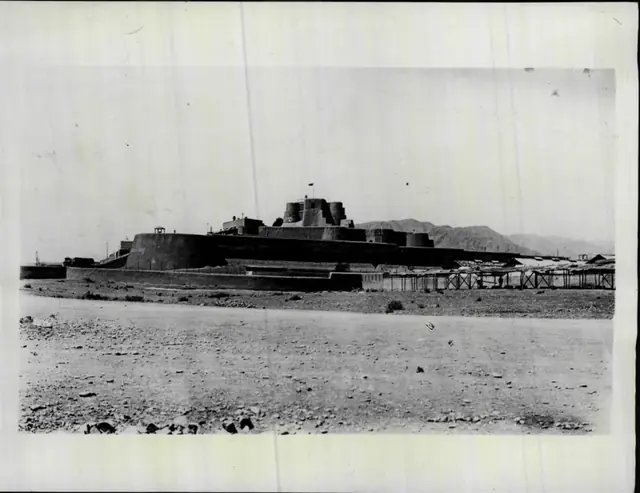
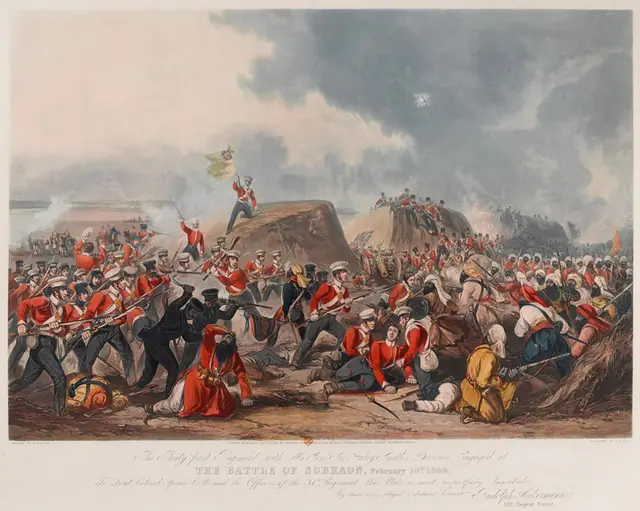
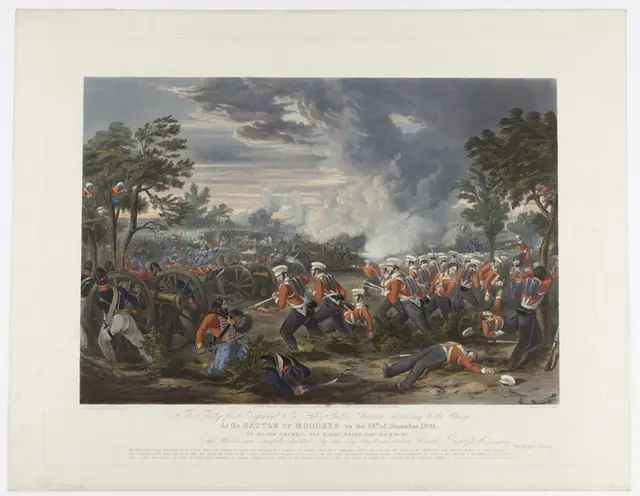
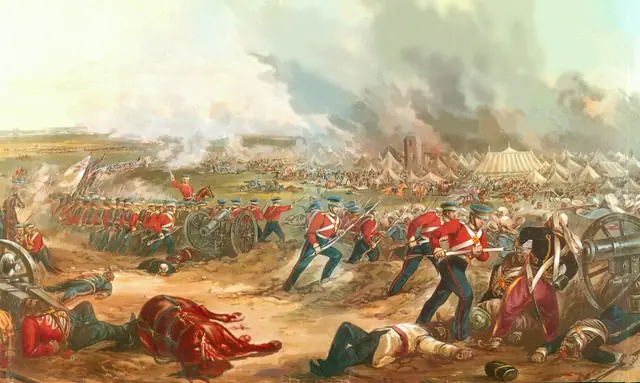
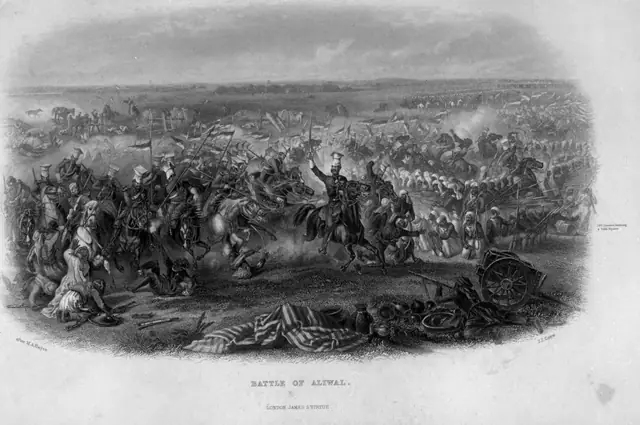
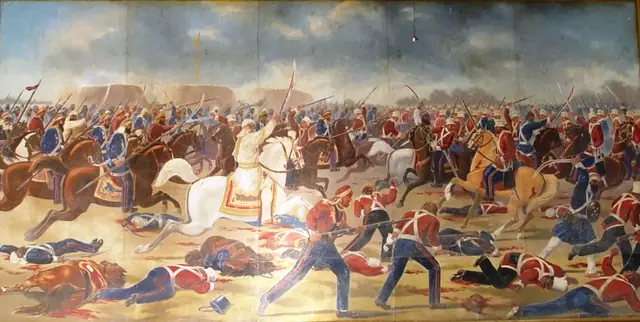
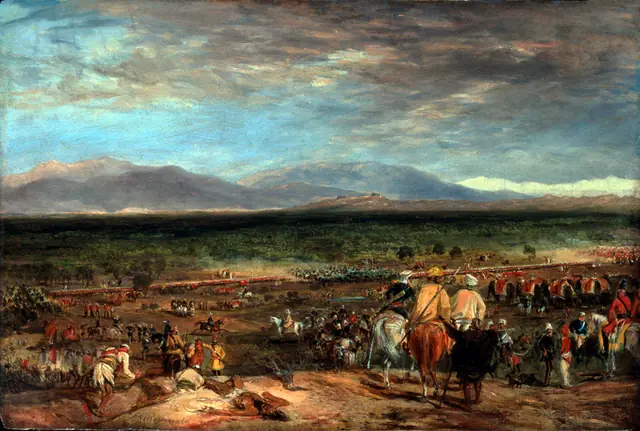
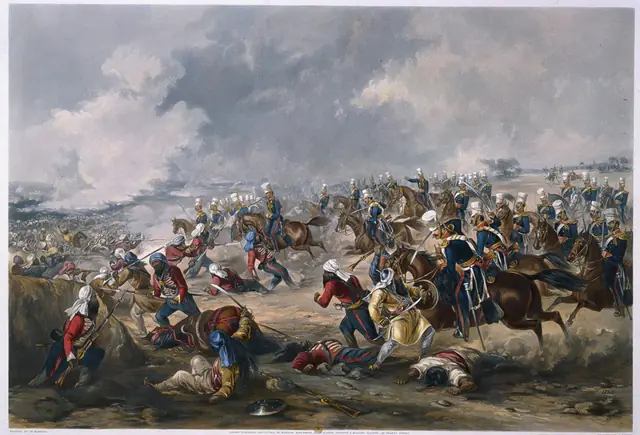
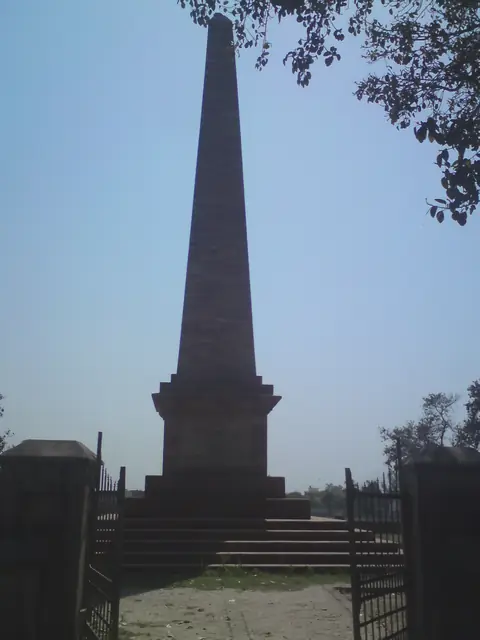
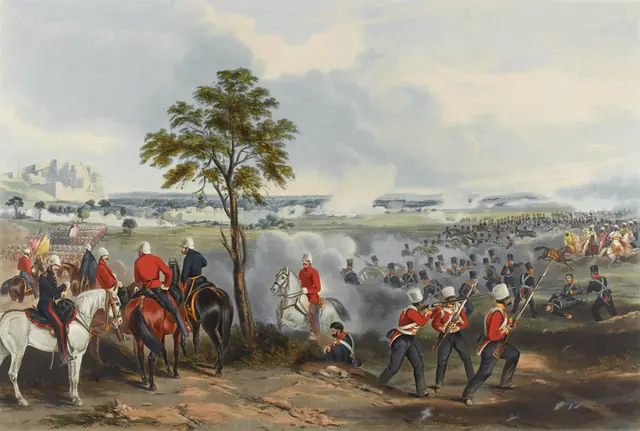
Banda Singh Bahadur came north from Nanded, took Sirhind in 1710, struck coins in the names of Guru Nanak and Guru Gobind Singh at Lohgarh, and in June 1716 was put to death in Delhi with hundreds of his men on Farrukhsiyar’s order. Under the Mughal governors of Lahore and then Ahmad Shah Abdali, the Sikhs lost thousands in the Chhota Ghallughara of 1746 and the Vadda Ghallughara of 1762, and Abdali blew up the Harmandir Sahib in 1757 and again in 1762. The misls rebuilt it each time. Ranjit Singh took Lahore in 1799, became Maharaja in 1801, and added Multan, Kashmir and Peshawar; he covered the Harmandir in gilded copper, and Hari Singh Nalwa held the Khyber until he fell at Jamrud in 1837. After two wars with the Company, Punjab was annexed on 29 March 1849.
06From the Raj to today
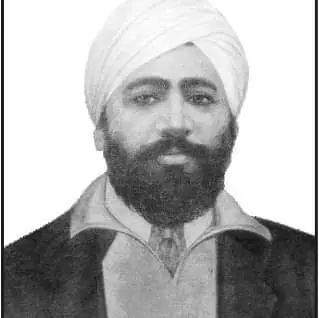
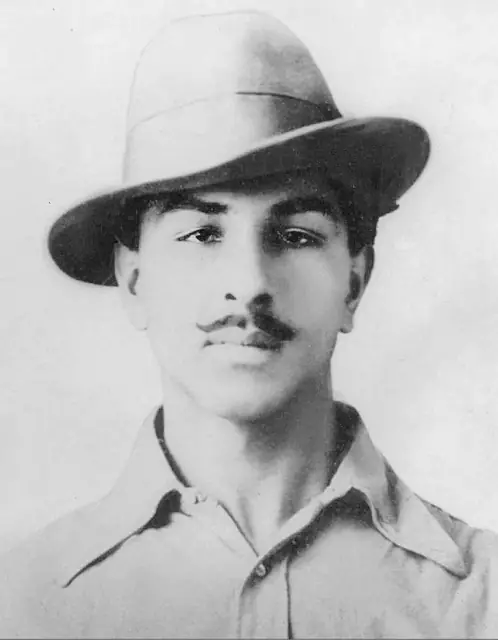
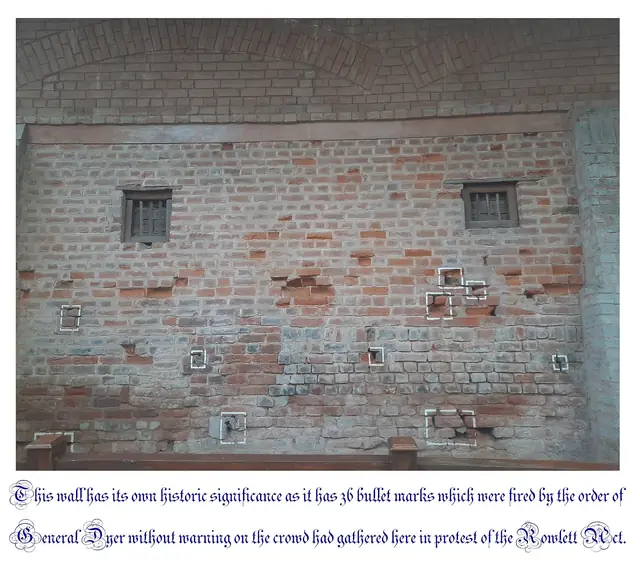
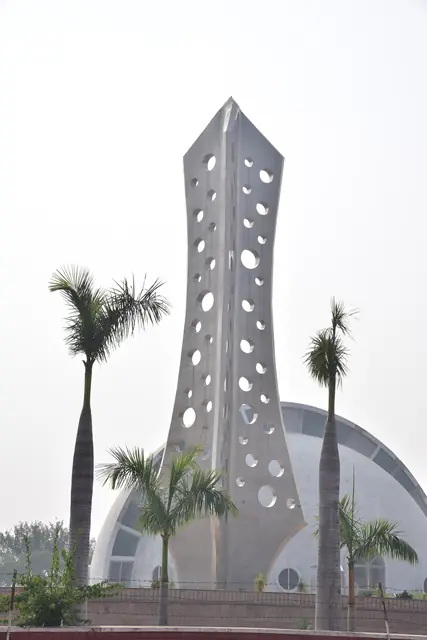
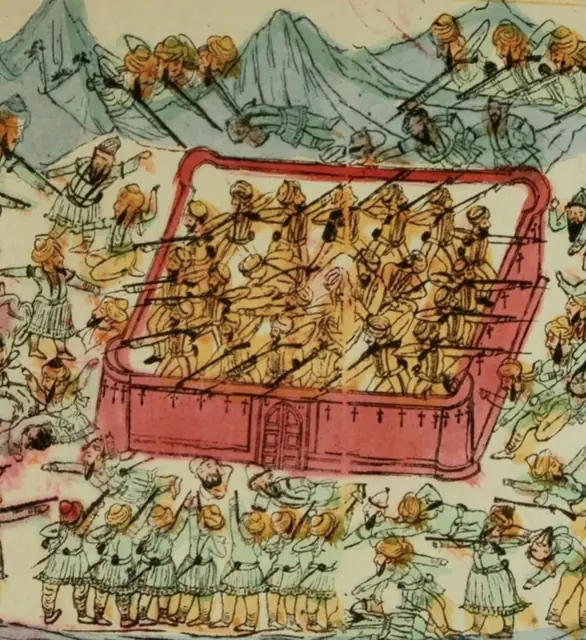
The Kuka rising of 1872 ended with men blown from cannon at Malerkotla, and the 21 soldiers of the 36th Sikhs at Saragarhi fought to the last in 1897. At Jallianwala Bagh, beside the Harmandir, troops fired on a Baisakhi crowd in 1919; Udham Singh shot Michael O’Dwyer in London in 1940, and Bhagat Singh, born into a Sikh family, went to the gallows in 1931. Partition in 1947 cut the Panth off from Nankana Sahib, Kartarpur and Lahore. In 1984 the army entered the Harmandir complex in June, and in November, after Indira Gandhi’s assassination, thousands of Sikhs were killed in Delhi and other cities. The Kartarpur corridor opened on 9 November 2019. The 2011 Census counted 2,08,33,116 Sikhs, most of them in Punjab, with large communities in Canada, Britain and the United States.