Cite
MLA
“Bauddha Dharma (Buddhism).” Hindu History, 2026, https://www.hinduhistory.in/bauddha/. Accessed .
APA
Hindu History. (2026). Bauddha Dharma (Buddhism). Retrieved , from https://www.hinduhistory.in/bauddha/
01The Awakened One
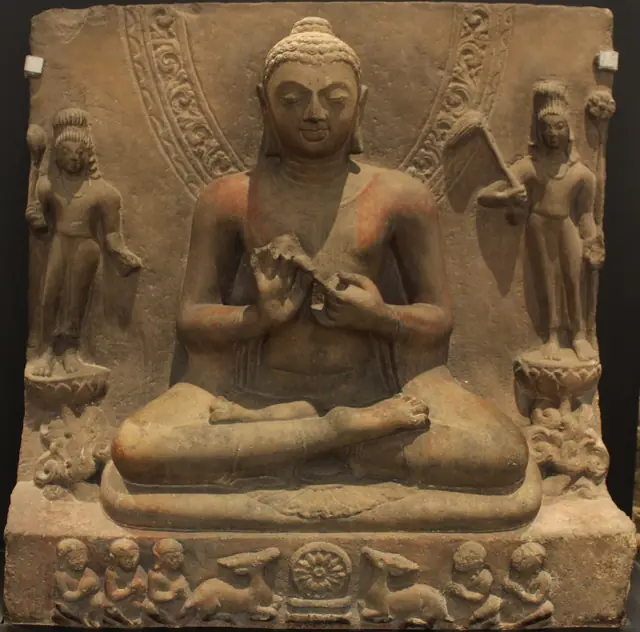
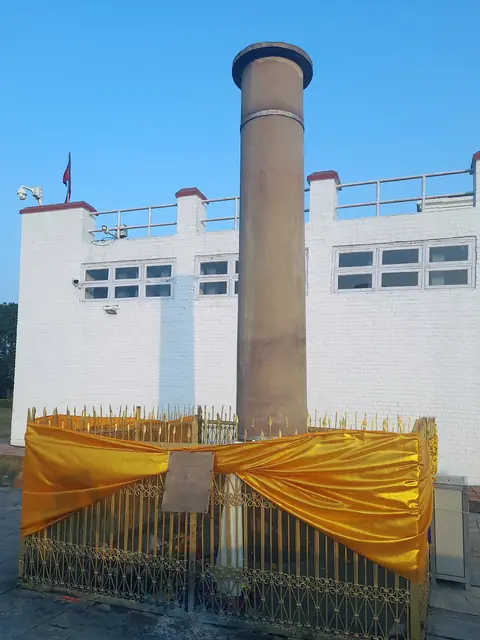
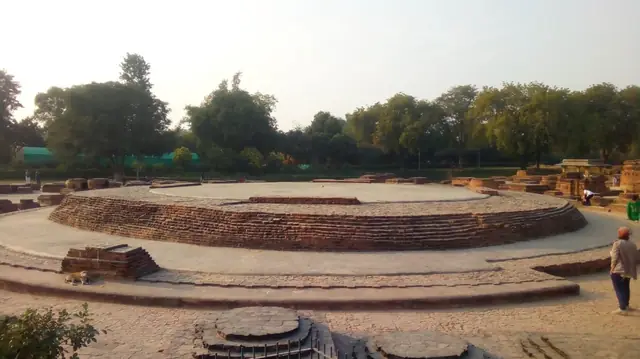
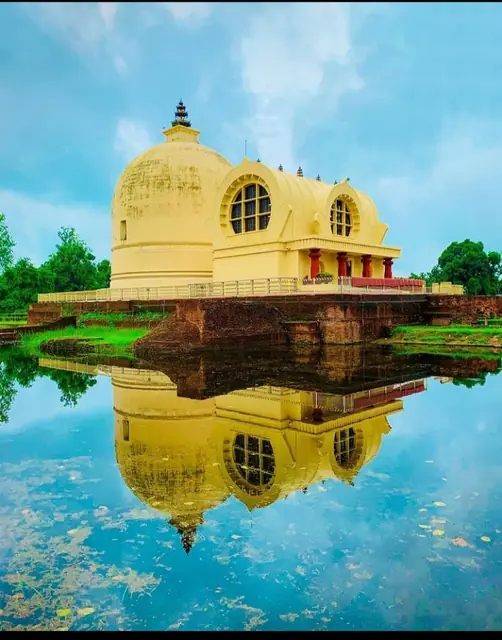
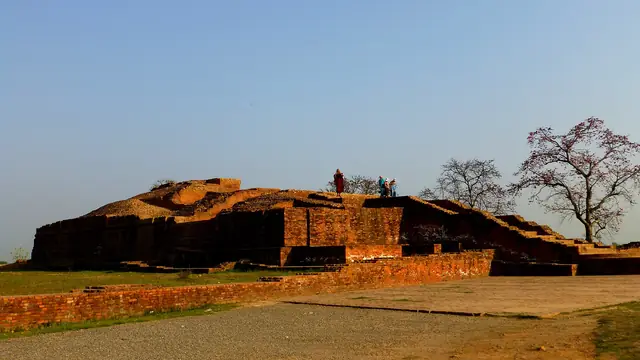
Siddhartha Gautama was born in the Lumbini grove to the Shakya chief Shuddhodana of Kapilavastu; Ashoka’s pillar still stands on the spot. Theravada tradition places his life in 624–544 BCE, the dating used most widely gives 563–483 BCE, and many historians now prefer about a century later. He left home at twenty-nine, sat in awakening at Bodh Gaya at thirty-five, and gave his first sermon to five companions in the deer park at Sarnath, setting the wheel of the Dhamma turning. For forty-five years he walked between Rajagriha, Shravasti, Vaishali and Kaushambi, spending the rains in monasteries given by kings and merchants. He passed into mahaparinirvana between twin sal trees at Kushinagar, aged eighty.
02Councils and teachers
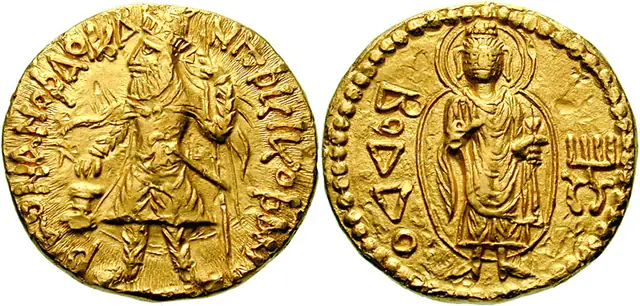
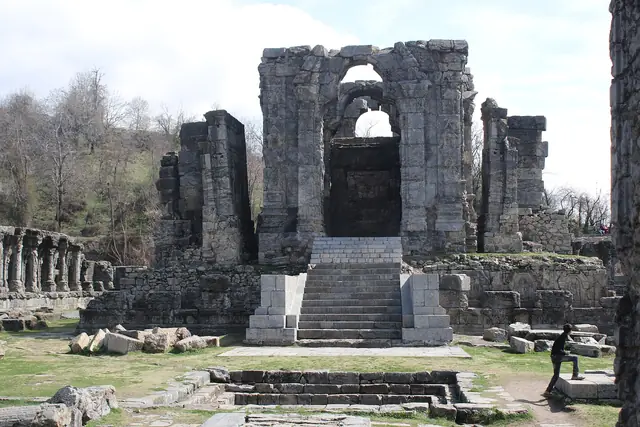
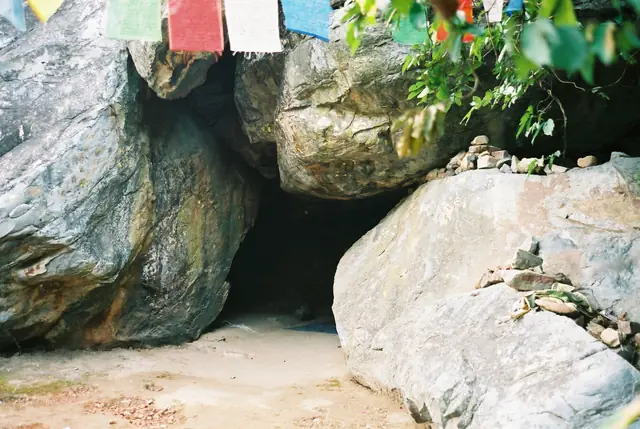
Soon after the parinirvana the elder monks met in a cave at Rajagriha; Ananda recited the discourses and Upali the monastic rule. A second council met at Vaishali about a century later, and the Theravada chronicles place a third at Pataliputra under Ashoka, after which his son Mahinda and daughter Sanghamitta carried the teaching to Lanka. Under Kanishka a council met in Kashmir. Then came the great thinkers: Nagarjuna of the Middle Way, the brothers Asanga and Vasubandhu, the logicians Dignaga and Dharmakirti, and Shantideva. In the 8th century Shantarakshita and Padmasambhava went from Bharat to Tibet, and in 1040 Atisha left Vikramashila for the same road.
03Tipitaka and sutra
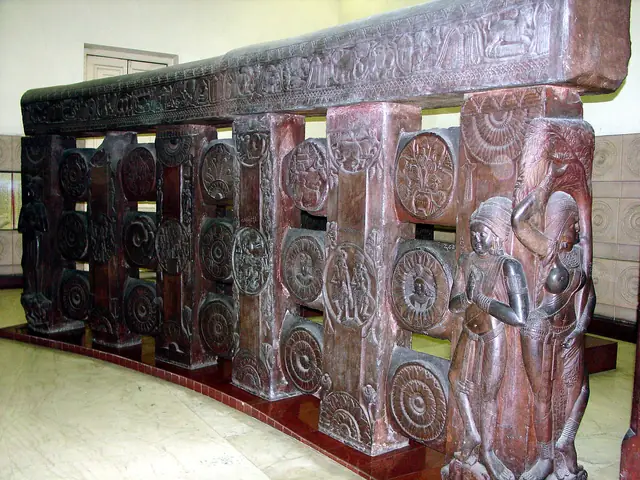
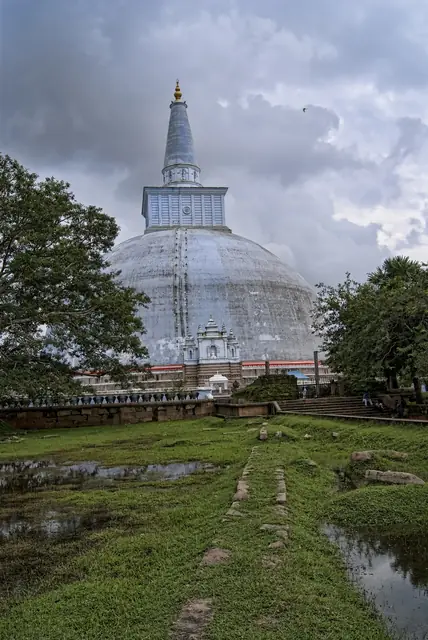
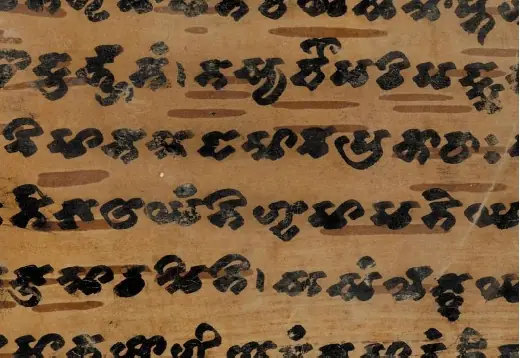
The Buddha’s words were kept by recitation for centuries. The Mahavamsa records that in the 1st century BCE, in the reign of Vattagamani Abhaya, the monks of Lanka wrote the Pali Tipitaka down at Aluvihara, in three baskets: Vinaya, Sutta and Abhidhamma. The Dhammapada, a small book of 423 verses inside it, is the most read. The Jataka tales of the Buddha’s former births were carved on the railings of Bharhut and Sanchi before they were ever written. Mahayana sutras such as the Prajnaparamita and the Lotus Sutra were written in Sanskrit; birch-bark copies of some of them turned up at Gilgit in 1931. Many works lost in Bharat survive only in Chinese and Tibetan translation.
04Stupas, caves and mahaviharas
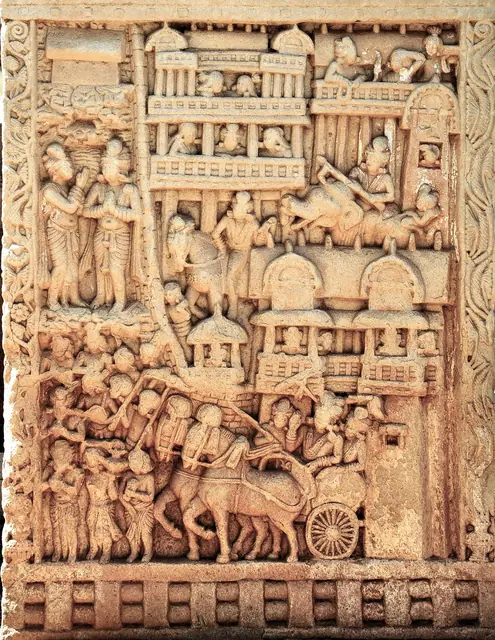
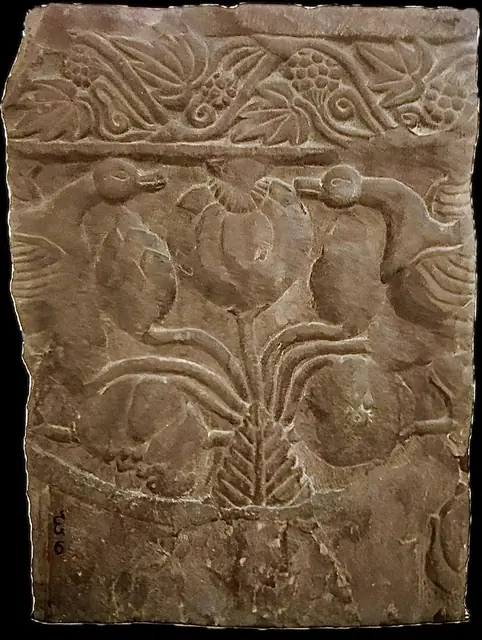
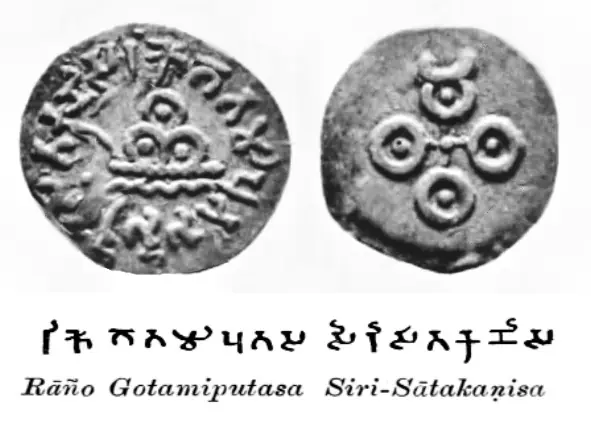
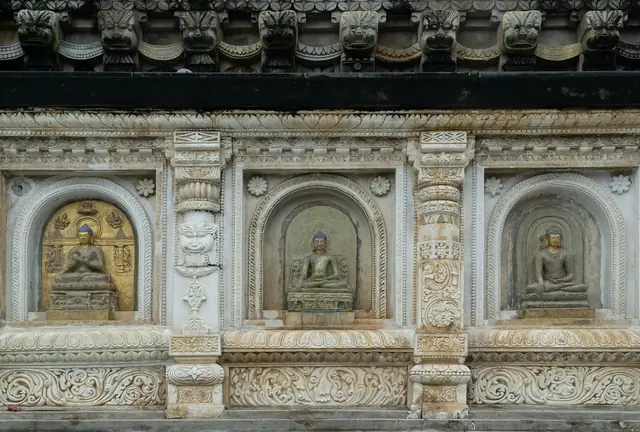
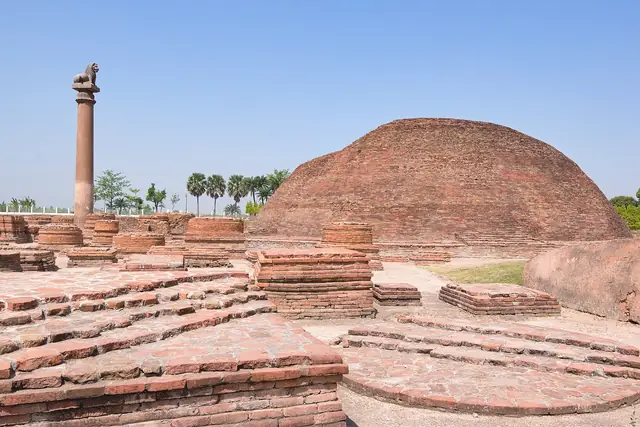
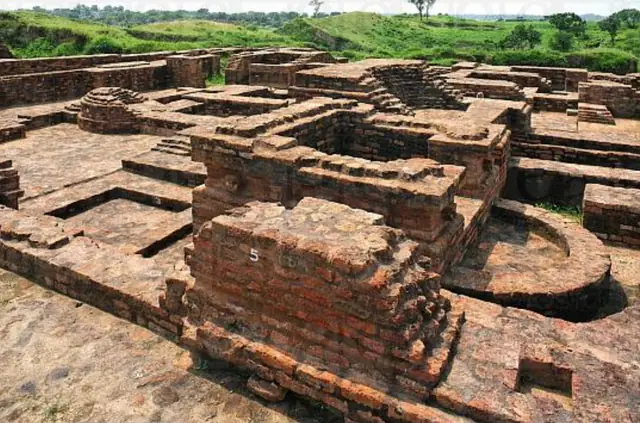
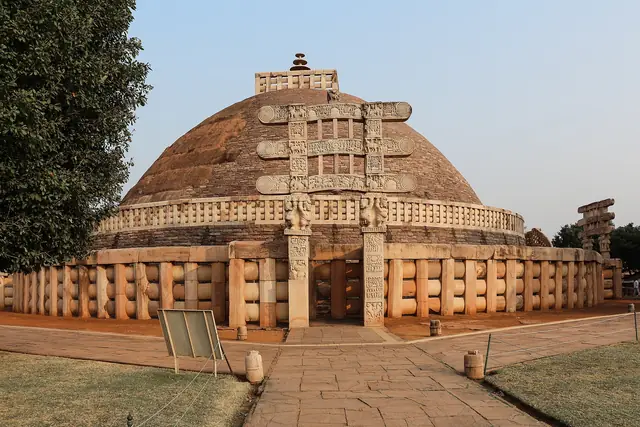
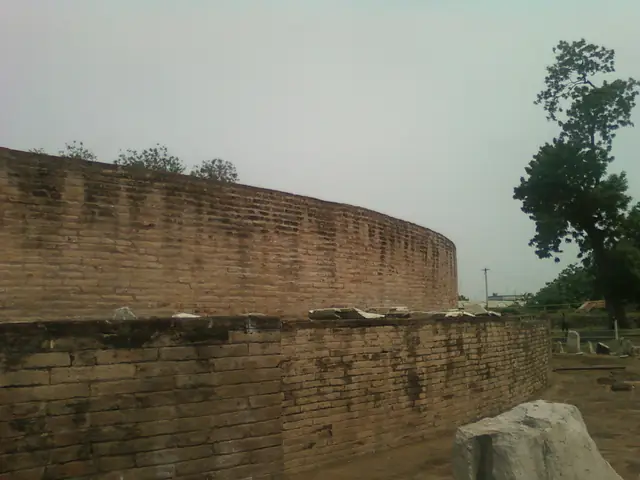
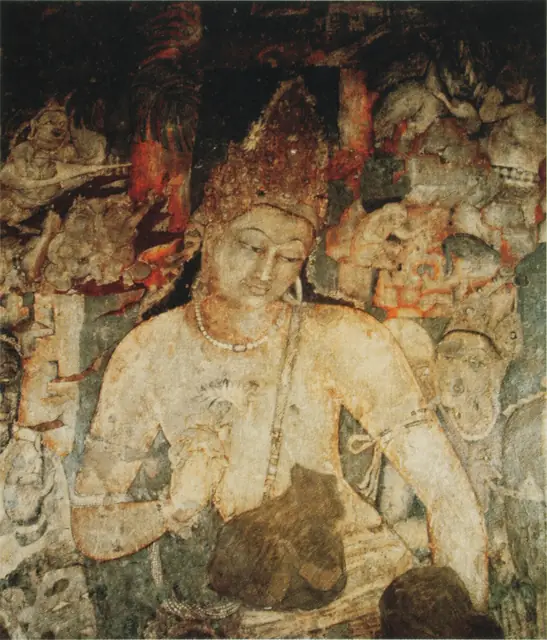
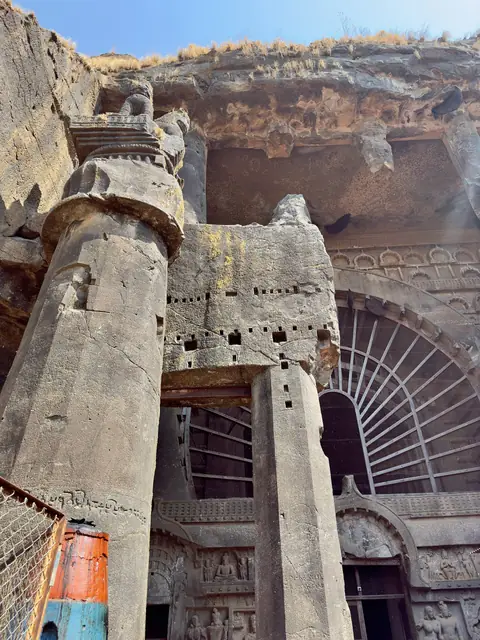
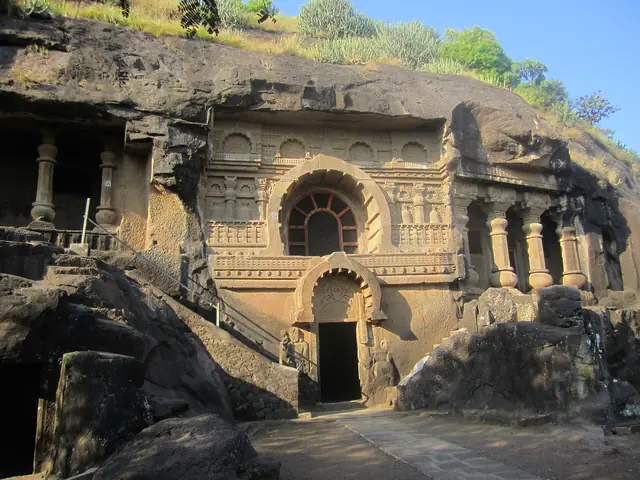
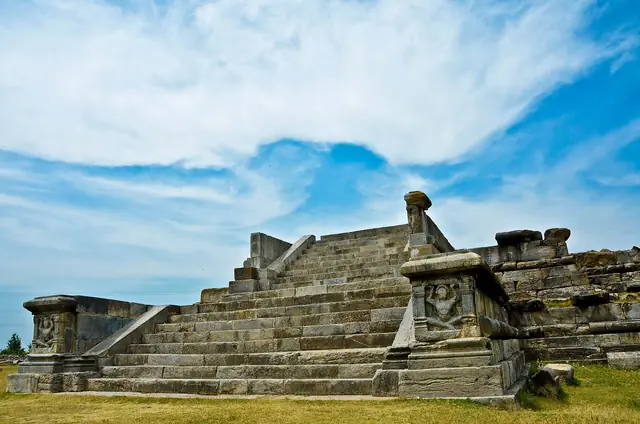
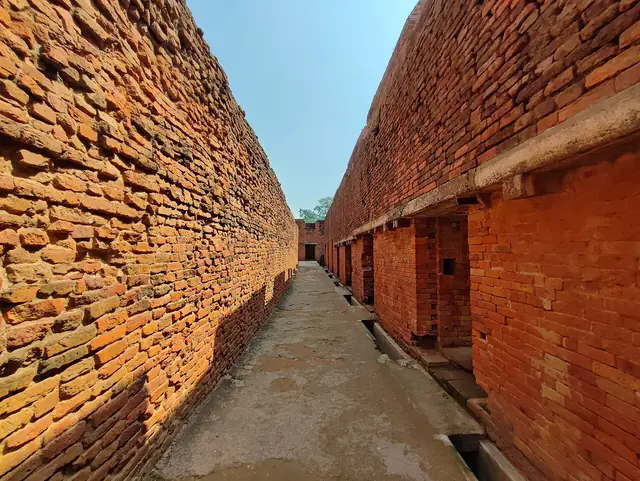
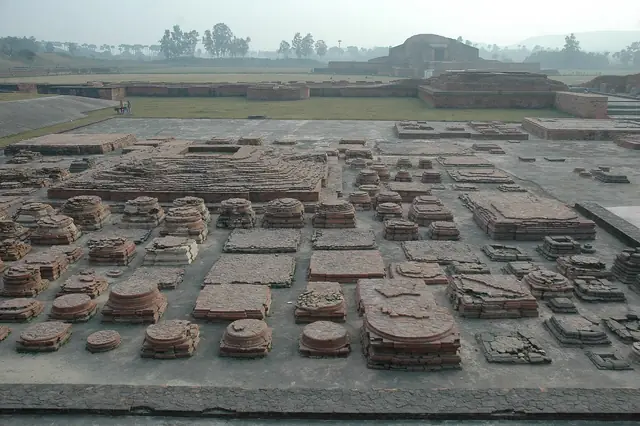
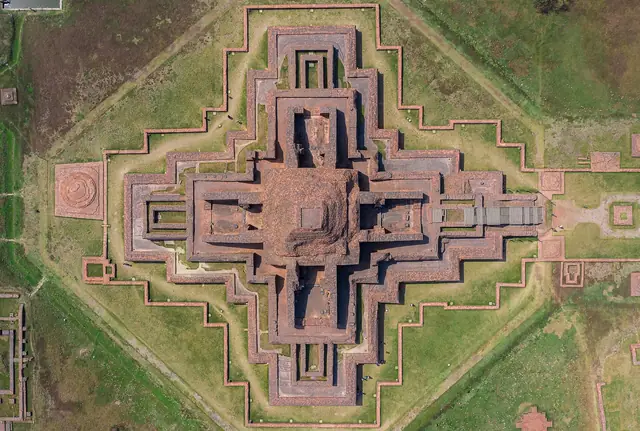
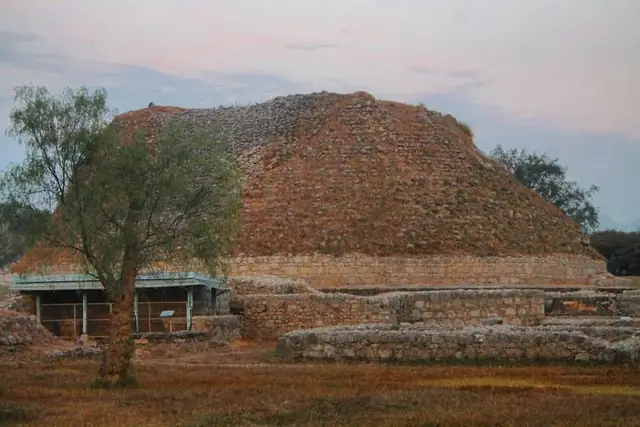
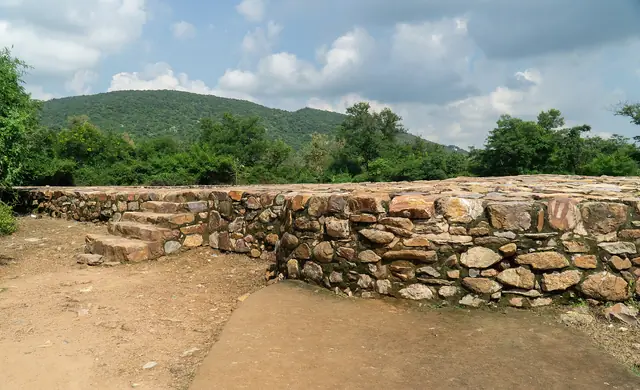
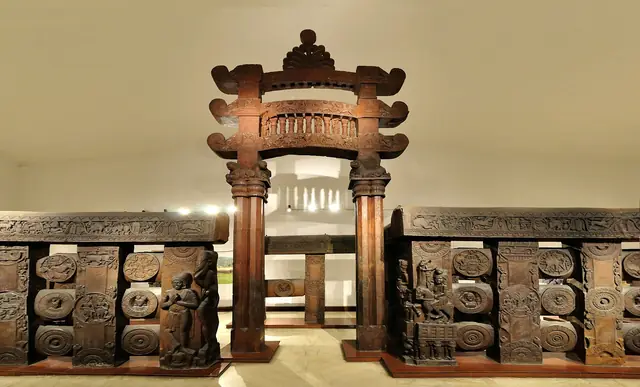
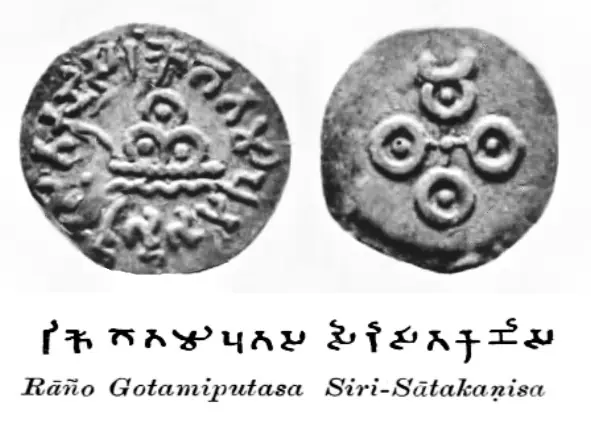
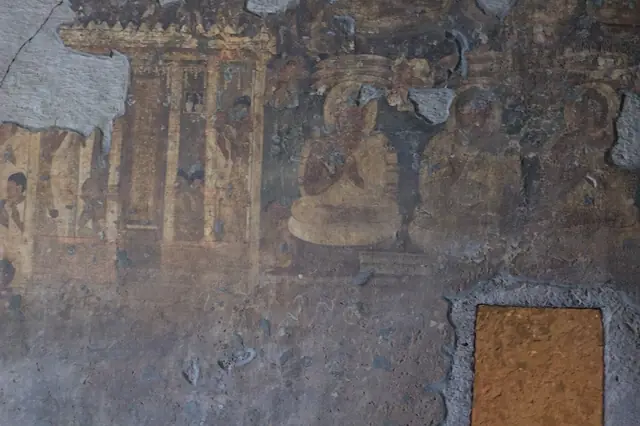
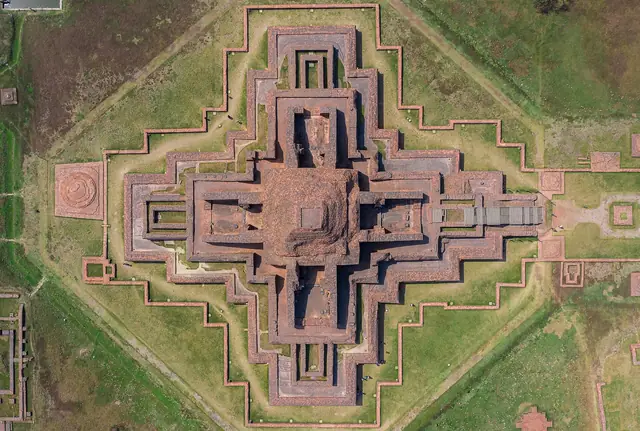
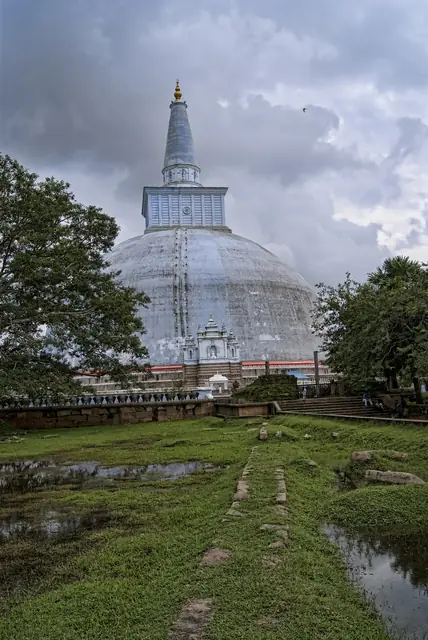
Pilgrims have walked to four places since the Buddha’s own time: Lumbini, Bodh Gaya, Sarnath and Kushinagar. Ashoka opened the old relic mounds and raised stupas across his empire; the Great Stupa at Sanchi grew from one of his. Bharhut and Amaravati were railed and carved under the Shungas and Satavahanas, and monks cut chaitya halls into the Sahyadri at Karla and Nashik on the trade roads from the coast. At Ajanta the work began in the 2nd century BCE and came back in the 5th century CE under the Vakatakas. Then came the mahaviharas of the plains: Nalanda, founded under Kumaragupta I, where Xuanzang studied under Shilabhadra in the 630s, and the Pala foundations of Vikramashila, Odantapuri and Somapura.
05Patrons, persecutors and the fall
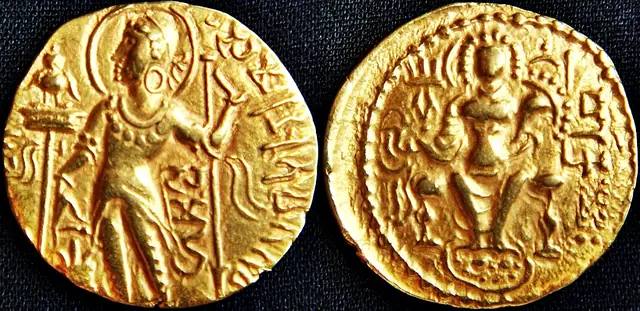
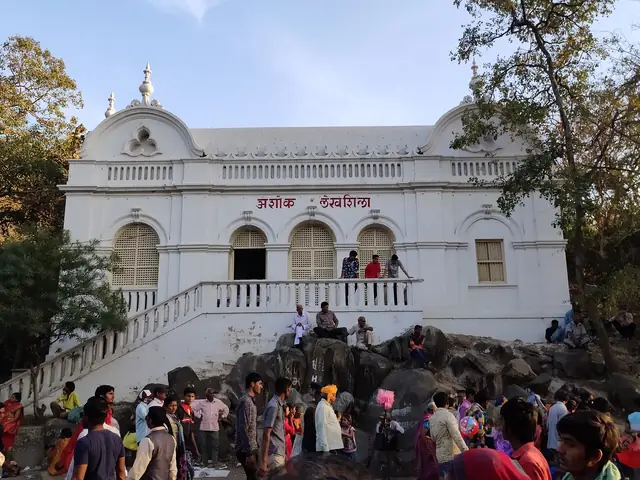
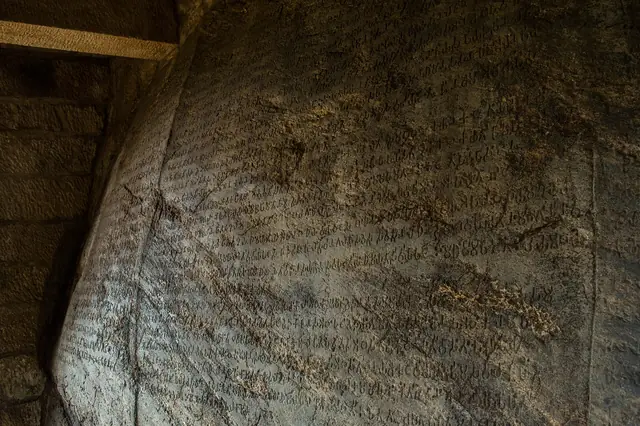
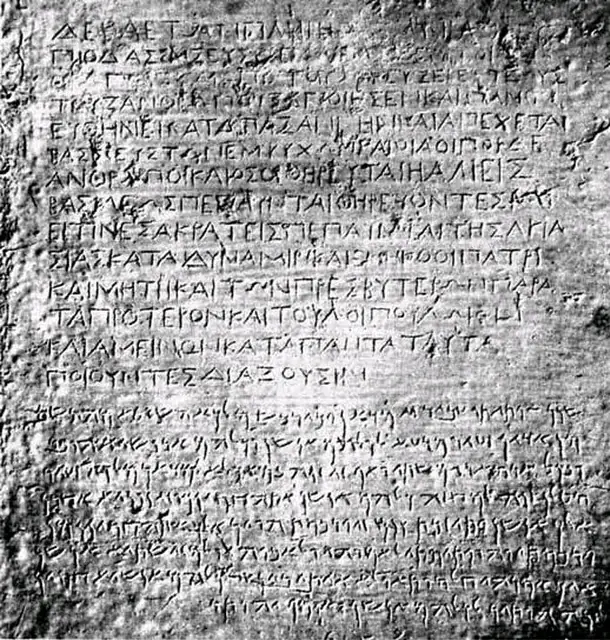
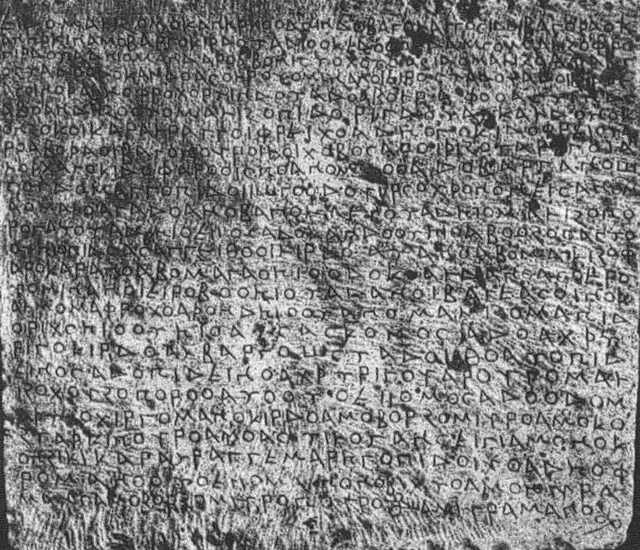
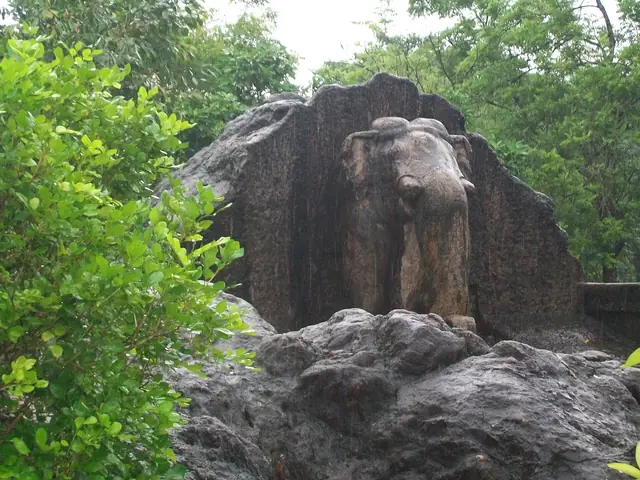
After the Kalinga war of 261 BCE, Ashoka’s thirteenth rock edict records his remorse, and his edicts ask respect for brahmanas and shramanas alike. The Divyavadana says Pushyamitra Shunga killed monks; yet a gateway at Bharhut was raised ‘in the reign of the Shungas’, and historians weigh the two. Satavahana queens endowed caves at Nashik, Kanishka built at Peshawar, and the Vaishnava Guptas, Harsha and the Palas all endowed Nalanda. Xuanzang wrote that the Huna Mihirakula destroyed monasteries in Gandhara and that Shashanka of Gauda cut the Bodhi tree. The end came with Bakhtiyar Khalji’s raids on Bihar around 1193–1200: the Tabaqat-i-Nasiri tells of a fortified vihara sacked and its shaven-headed monks killed. When Dharmasvamin reached Nalanda in 1235, an old teacher had about seventy students among the ruins.
06The return
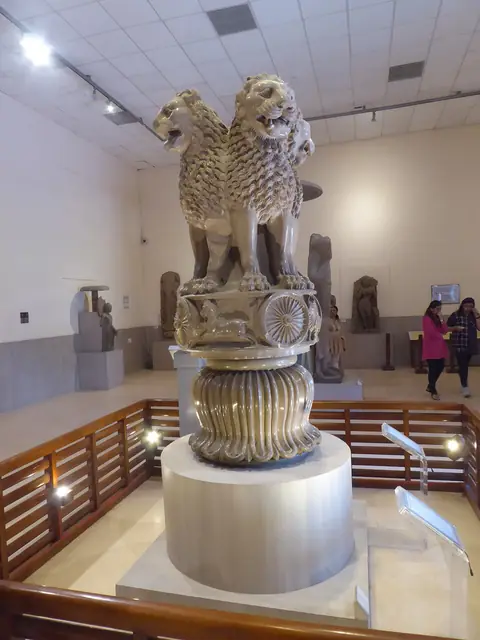
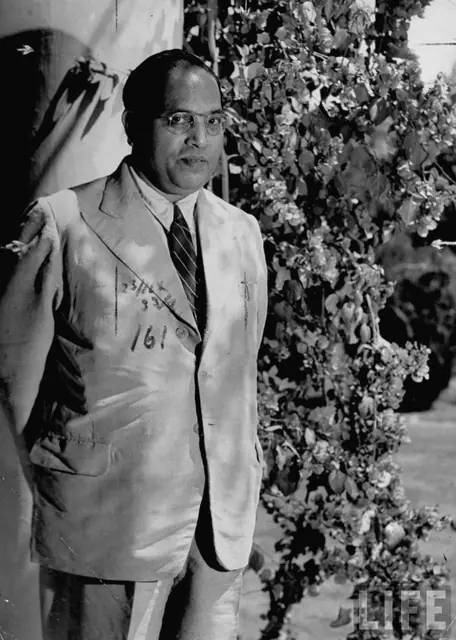
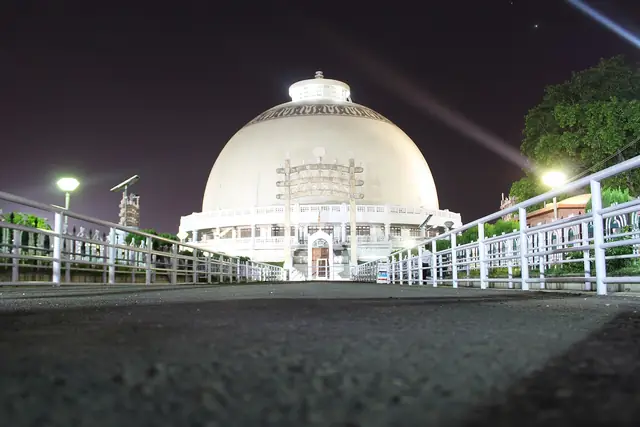
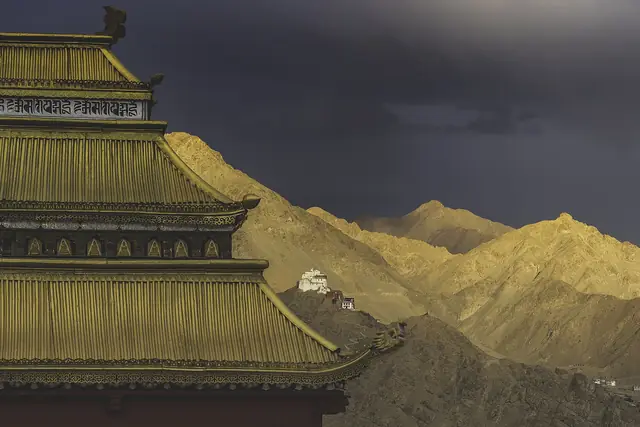
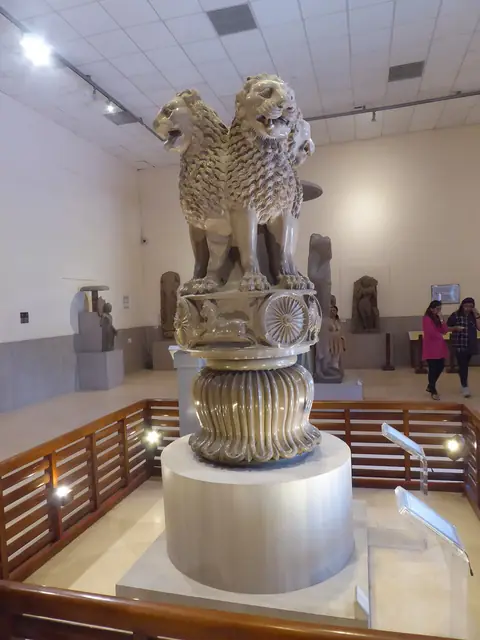
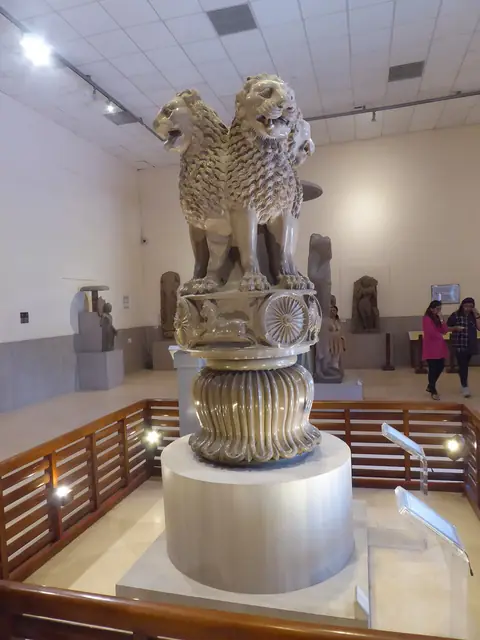
The Dhamma never left the Himalaya: Ladakh, Lahaul, Sikkim, Tawang and the Newar courtyards of Kathmandu kept it unbroken. In the plains it came back slowly. Anagarika Dharmapala of Lanka founded the Maha Bodhi Society in 1891 to restore Bodh Gaya, and the Bodh Gaya Temple Act of 1949 gave the shrine a committee of Buddhist and Hindu members. On 26 January 1950 Ashoka’s lion capital from Sarnath became the emblem of the Republic, and his wheel sits on the flag. On 14 October 1956 Dr B. R. Ambedkar took diksha at Nagpur with lakhs of followers. The Dalai Lama crossed into India in 1959. The 2011 Census counted 84,42,972 Buddhists, most of them in Maharashtra.