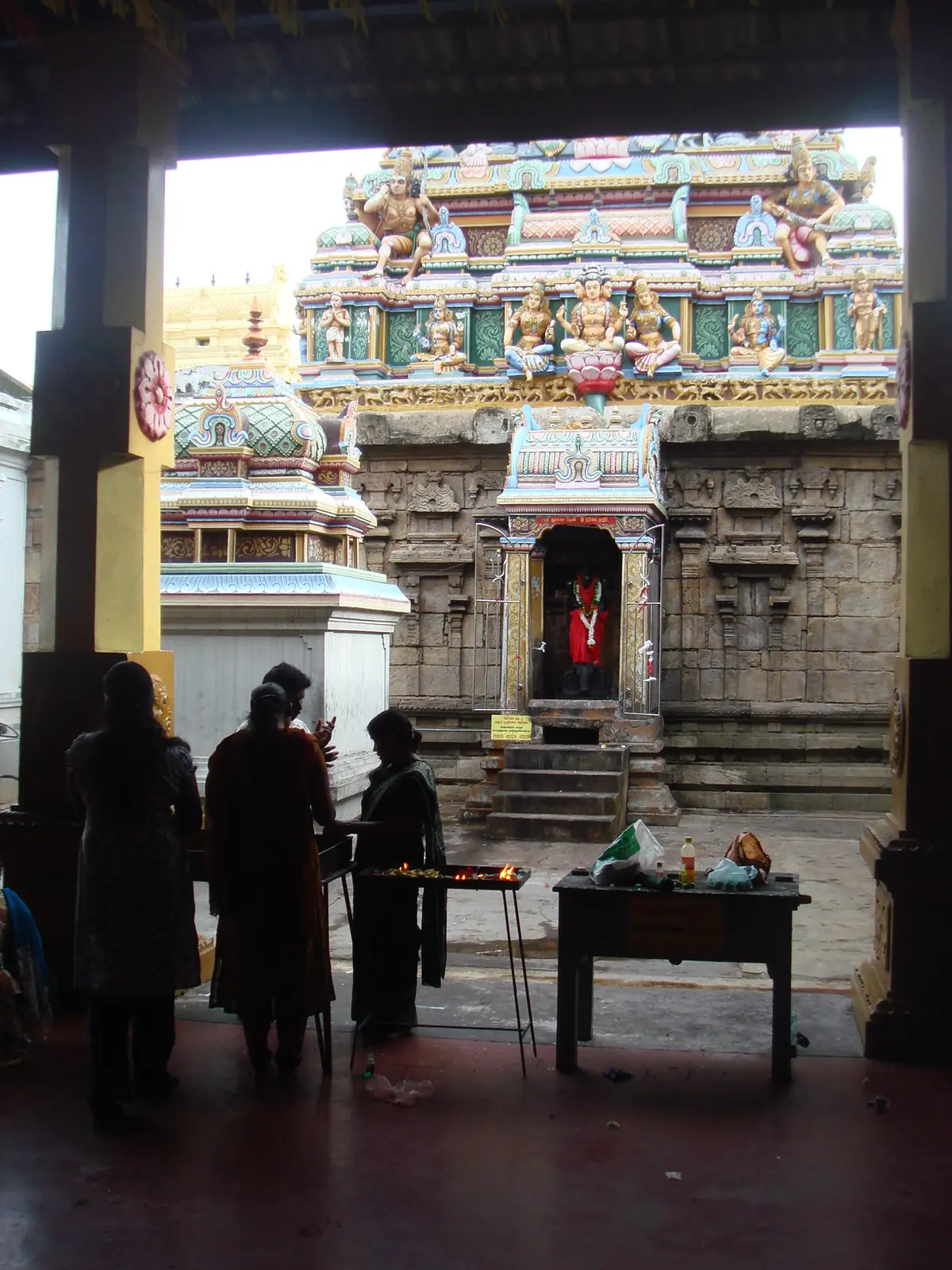
01Rama’s worship at Chilaw
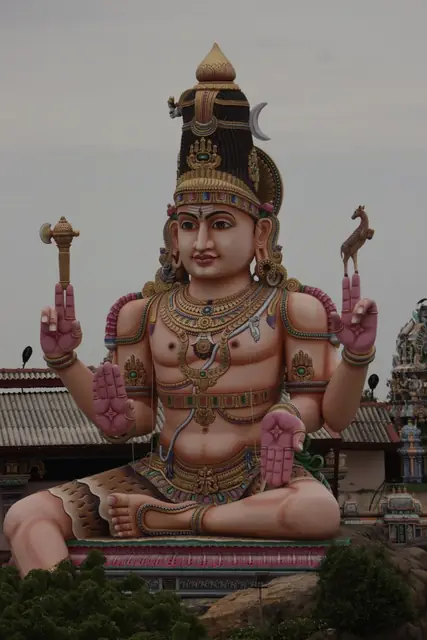
Ravana was a Brahmin and a great devotee of Shiva, and killing him laid the sin of brahmahatya on Shri Rama. The temple’s own katha says Rama stopped on this coast, sensed the grace of the place, and worshipped Shiva here to be freed of it. The name is read as Munnai-ishwaram, the Ishwara of the first or foremost place. Lanka counts five such Ishwarams, Naguleswaram, Ketheeswaram, Koneswaram, Tondeswaram and Munneswaram, and Shaiva pilgrims still try to see all five in one life.
02Destroyed and raised again
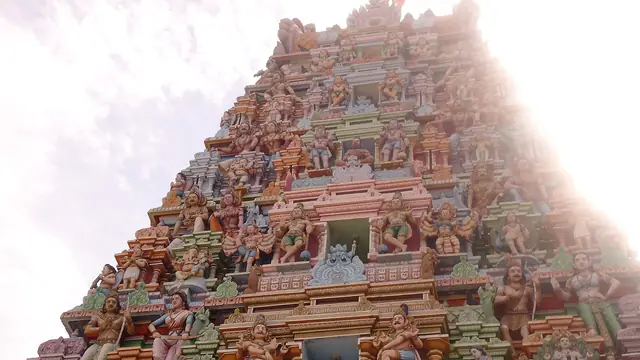
When the Portuguese held the western coast in the sixteenth and seventeenth centuries, they pulled the temple down and gave its ground to the Jesuits. Worship went on in hiding among the villagers. In 1753 Kirti Sri Rajasinha, the Buddhist king of Kandy, had the shrine rebuilt, and the pujas returned. The present compound holds the main Shiva shrine, a Devi shrine and a separate Kali temple that draws large crowds of its own.
03Hindu and Buddhist together
Munneswaram is one of the few great shrines of Lanka where Sinhala Buddhists come in numbers equal to Tamil Hindus. The main festival runs for four weeks in August and September and ends with the chariot and the sacred bath. Many Sinhala families bring vows and offerings to the Kali shrine. Chilaw lies about 80 km north of Colombo on the coast road, and the temple is a short ride from the town.
The life of this place
- 1753Kirti Sri Rajasinha of Kandy rebuilt the temple after its destruction under Portuguese rule.
Chilaw is about two hours by road north of Colombo. The August–September festival is the busiest time; dress modestly, and men may be asked to remove shirts in the inner shrine.