Cite
MLA
“Jain Dharma.” Hindu History, 2026, https://www.hinduhistory.in/jain/. Accessed .
APA
Hindu History. (2026). Jain Dharma. Retrieved , from https://www.hinduhistory.in/jain/
01Twenty-four Tirthankaras
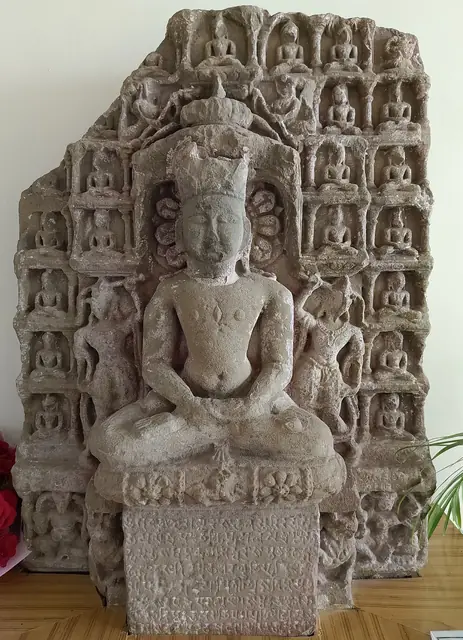
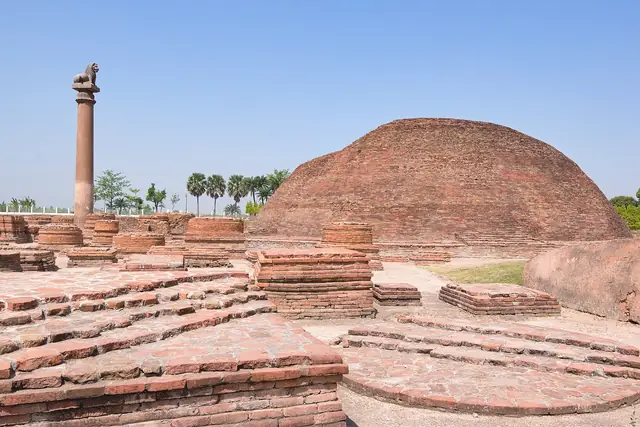
A Tirthankara is a ford-maker, one who has crossed the river of rebirth and built the crossing for others. Jains count twenty-four in the present half of the time-cycle. The first, Rishabhanatha, taught at the dawn of this age; the twenty-second, Neminatha, attained moksha on Girnar; the twenty-third, Parshvanatha, lived by Jain reckoning from 877 to 777 BCE. The twenty-fourth, Vardhamana Mahavira, was born in 599 BCE at Kundagrama near Vaishali, son of the Jnatrika chief Siddhartha and Trishala. He left home at thirty, won kevala jnana after twelve years of tapas, and taught for thirty years. Jains do not call him a founder. He renewed a dharma they hold to be without beginning.
02Ganadharas, acharyas and the two paths
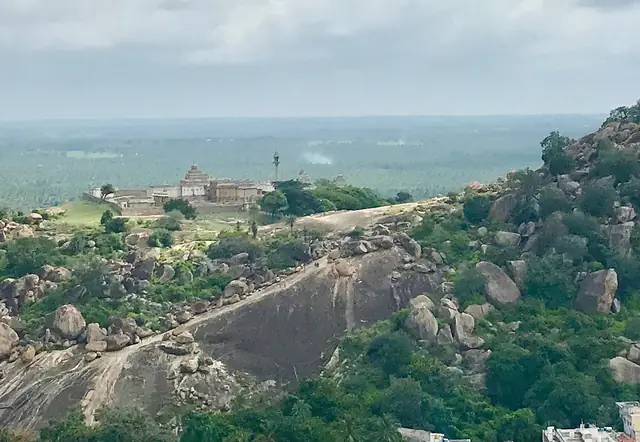
Mahavira’s eleven ganadharas, led by Indrabhuti Gautama and Sudharma, shaped his words into sutras. Jain tradition says that two centuries later Acharya Bhadrabahu, the last who knew the whole canon by heart, foresaw a twelve-year famine in Magadha and led the sangha south, with the emperor Chandragupta Maurya as his disciple, to Shravanabelagola. In the centuries that followed the order divided into Digambara, the sky-clad, and Shvetambara, the white-clad. Both honour Umasvati’s Tattvartha Sutra. Digambaras revere Kundakunda; Shvetambaras remember Haribhadra and Hemachandra, who wrote grammar, poetry and history for the Chaulukya court. In the 1580s Hiravijaya Suri went to Akbar, and in the 19th century Shrimad Rajchandra guided the young Gandhi.
03Agamas and the bhandaras
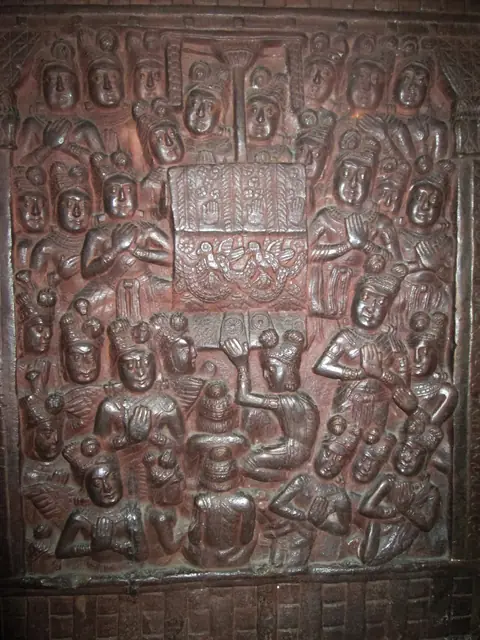
For nearly a thousand years monks carried Mahavira’s teaching by memory. At Valabhi in Saurashtra, in 453 or 466 CE, Devarddhi Gani had it written on palm leaf, and that canon of Agamas is the Shvetambara scripture still. Digambaras hold that the original Angas faded away and revere instead the Shatkhandagama and the works of Kundakunda. Every Shvetambara Jain hears the Kalpa Sutra, the lives of the Jinas, read aloud during Paryushana. Jain merchants and monks also built bhandaras, manuscript libraries, at Patan, Jaisalmer and Khambhat. These kept more than Jain books: Bilhana’s life of the Chalukya king Vikramaditya VI survived in the Jaisalmer bhandara until Georg Bühler found it in 1874.
04Tirthas on the hills
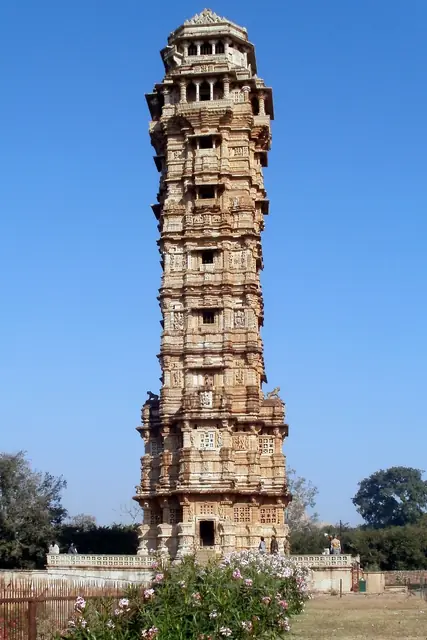
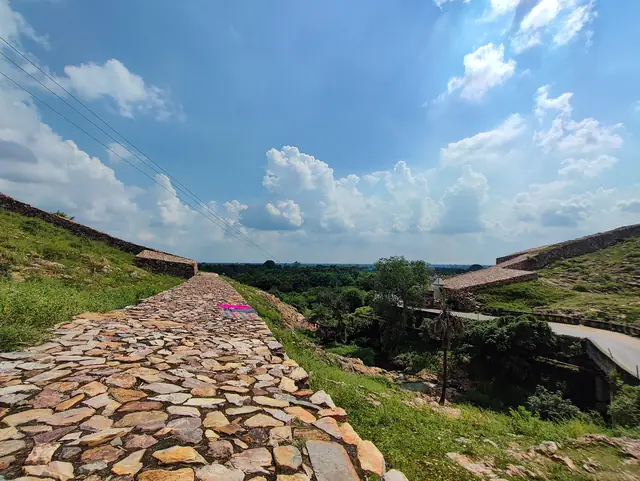
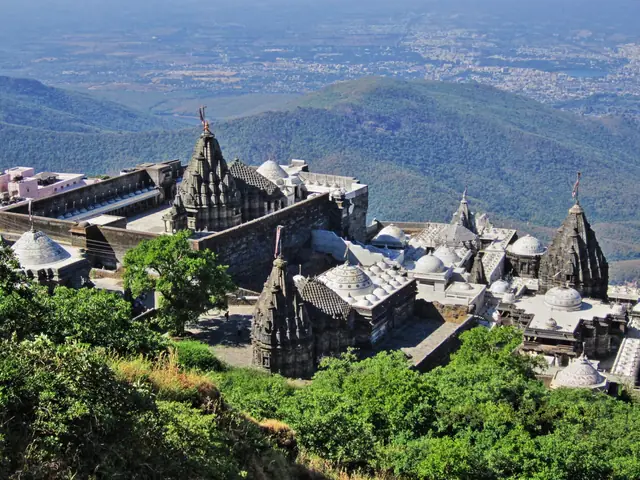
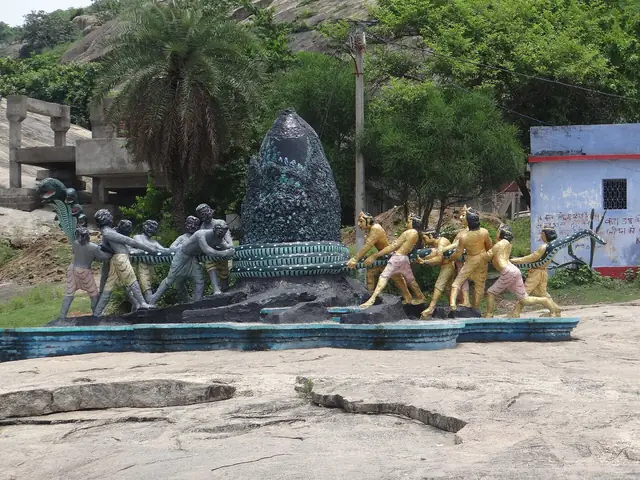
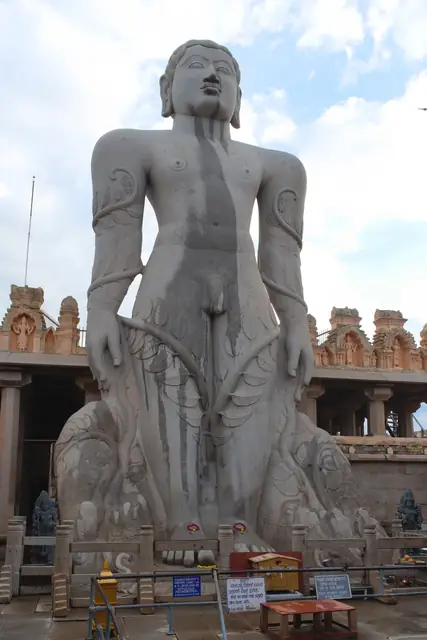
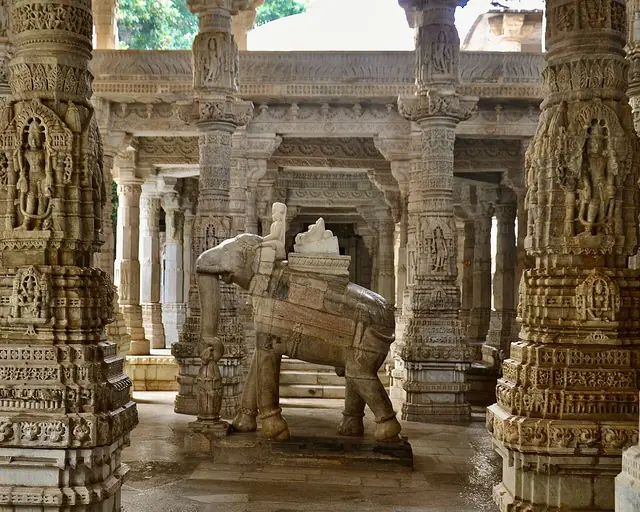
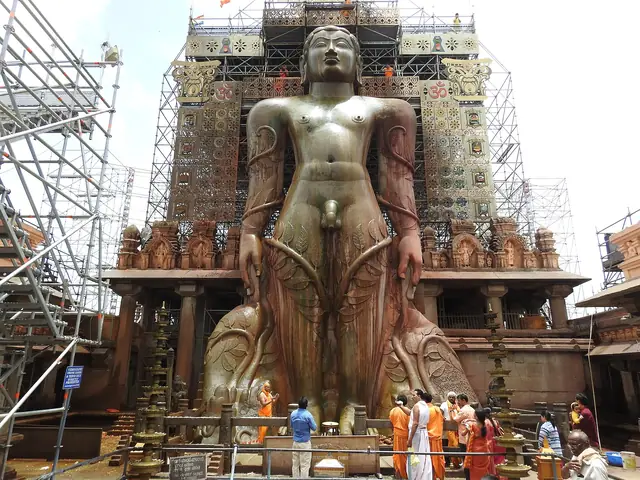
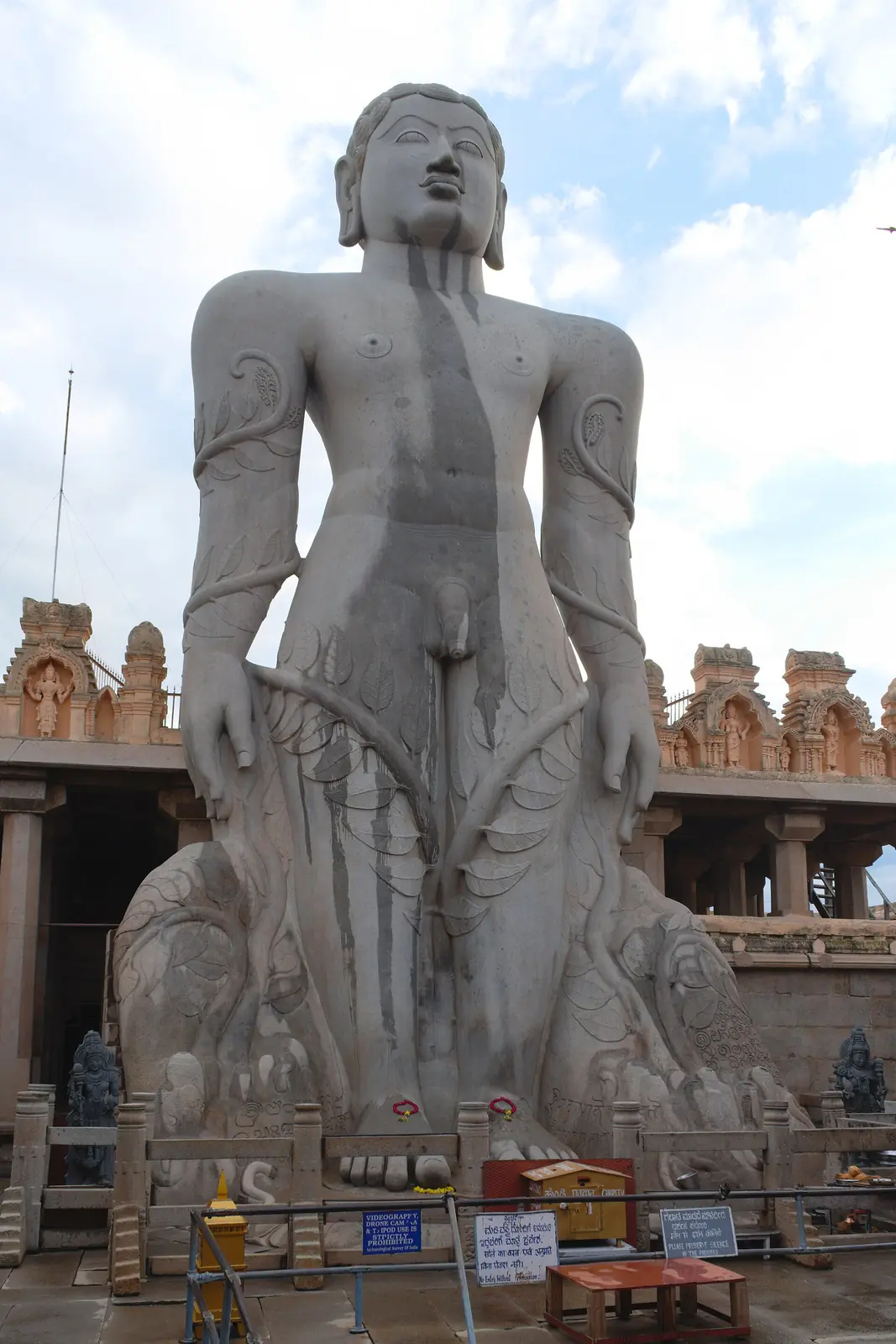
Jain tirthas climb. Sammed Shikhar in Jharkhand, where by Jain tradition twenty of the twenty-four Tirthankaras attained nirvana, is a 27-km round walk that pilgrims start at night. Shatrunjaya above Palitana carries hundreds of temples on its two summits, and Girnar keeps Neminatha’s shrine. In Bihar, Pawapuri marks Mahavira’s nirvana and Rajgir has Jain temples on all five hills. In the south stands Gommateshwara at Shravanabelagola, raised in 981 by Chavundaraya, minister of the Western Gangas. The marble of the Dilwara temples on Abu was carved for Vimala Shah in 1031 and for the brothers Vastupala and Tejapala in 1230; the merchant Dharna Shah began the Chaumukha temple at Ranakpur in 1437, in Rana Kumbha’s reign.
05Patronage and loss
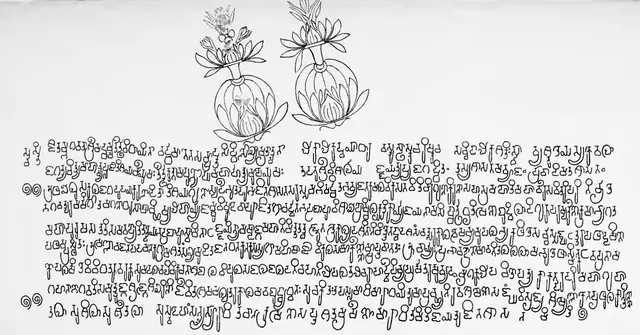
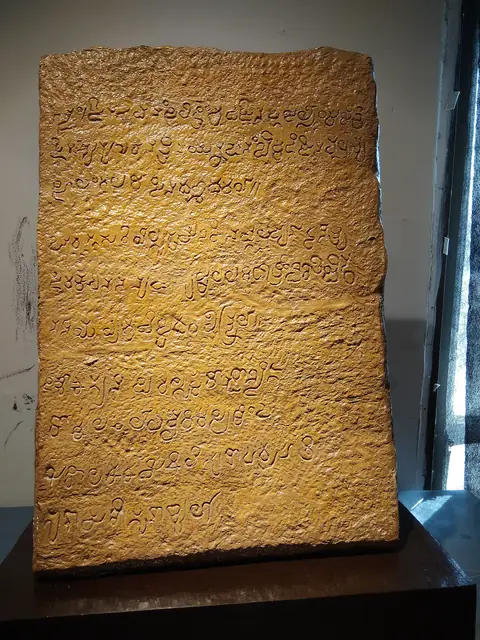
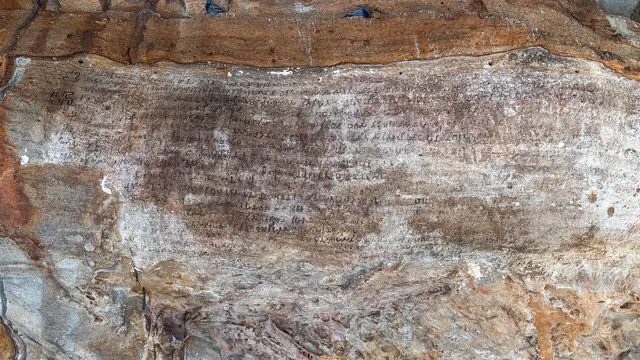
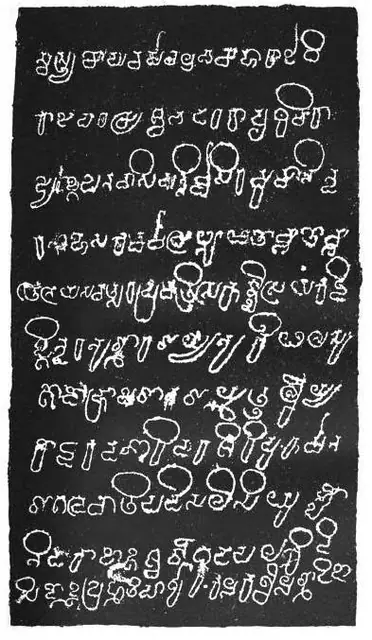
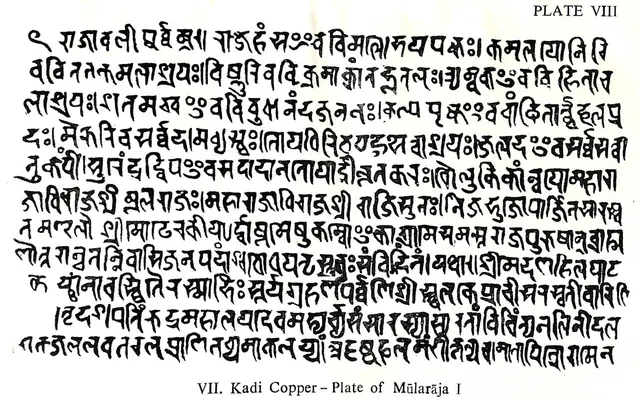
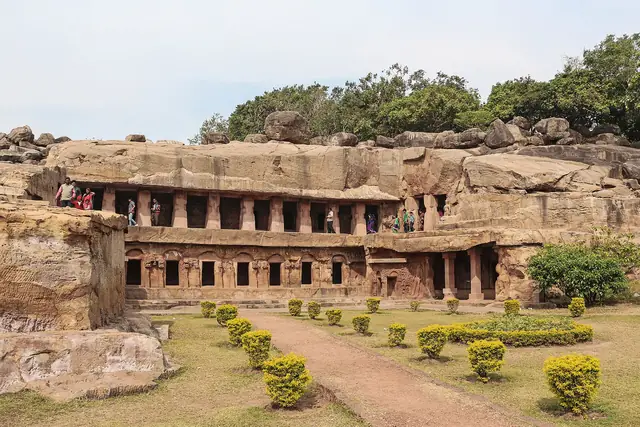
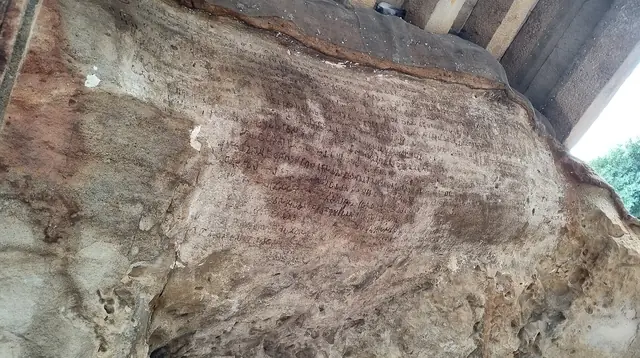
Kharavela of Kalinga, in the Hathigumpha inscription, opens with a salute to the Arhats and records that he brought home a Jina image a Nanda king had carried off. The Kadambas granted land to Jain monks from Halasi, the Rashtrakuta Amoghavarsha kept the acharya Jinasena close, and the Chaulukya Kumarapala (1143–1172), taught by Hemachandra, forbade animal slaughter in his lands. There were losses too. Tamil Shaiva tradition tells how Appar left the Jain order and how the Pallava and Pandya courts turned to Shiva in the 7th century, after which Jain numbers in the Tamil country fell. Later the armies of Delhi damaged the Dilwara temples, repaired in 1322, and in 1645 Prince Aurangzeb, as governor of Gujarat, turned Shantidas Jhaveri’s Chintamani Parshvanatha temple at Ahmedabad into a mosque; Shah Jahan ordered it returned.
06Jains today
The 2011 Census counted 44,51,753 Jains, most of them in Maharashtra, Rajasthan, Gujarat, Madhya Pradesh and Karnataka; in January 2014 the Government of India notified them as a national minority. A Jain household still filters its water, eats before sunset in many families, and keeps the eight or ten days of Paryushana or Das Lakshana with fasting and the Michchhami Dukkadam, the asking of forgiveness from every being. Mahavir Jayanti falls on Chaitra Shukla Trayodashi. Shravanabelagola held its last Mahamastakabhisheka in 2018, and Jain communities in Britain, East Africa and North America keep their own derasars and basadis.